Aging housing stock and a fast-growing population of residents who need to age in place have put bathroom retrofits at the top of many housing agencies' priority lists. Yet one of the most effective, federally backed funding sources for these projects (the community development block grant program) remains underused for this exact purpose.
This guide breaks down what CDBG funds actually are, who can access them, how to apply and how to combine them with other funding so bathroom accessibility retrofits reach more households, faster.
What Is a Community Development Block Grant?
So what is a block grant? It's a lump-sum federal award that a state or local government can spend across a range of eligible activities, rather than a narrow, project-specific grant.
The community development block grant program, administered by HUD, funds cities and counties (called "entitlement communities") to develop viable communities through decent housing, a suitable living environment and expanded economic opportunity.
Every activity funded under the CDBG program must meet one of three national objectives, and the one that matters most here is benefiting low- and moderate-income persons, a group that includes a large share of the elderly and disabled residents who need bathroom retrofits most. At least 70% of a grantee's CDBG spending must go toward this objective, which makes accessibility work a natural fit.
Who Gets CDBG Funds?
HUD distributes CDBG grants by formula to entitlement communities (cities with populations over 50,000 and urban counties over 200,000) plus a separate pool to states, which redistribute funds to smaller localities through their own community block grant program.
Housing agencies, nonprofits and local developers don't apply to HUD directly. They apply to their local entitlement grantee or state CDBG office as subrecipients. The end beneficiaries are low- and moderate-income tenants and homeowners, which is exactly the population most likely to need bathroom improvement grants for grab bars, roll-in showers and wider doorways.
Do You Have to Pay Back a CDBG Grant?
No, you typically do not have to pay back a CDBG grant. As long as the housing agency or recipient meets all program requirements and uses the funds for eligible activities like accessibility retrofits, the funds are treated as a true grant or a fully forgivable loan.
For agencies acting as subrecipients, it's a genuine grant with no repayment, contingent on federal compliance and reporting. When funds pass through to individual homeowners, they're often structured as free bathroom remodel grants in practice. These are forgivable loans that convert to grants after a set residency period, commonly five years.
Why Focus CDBG Grants on Bathroom Accessibility
Bathrooms are consistently the highest-risk room in the home for falls, and for elderly or disabled residents without proper support, that risk compounds daily.
Bathroom remodel grants funded through CDBG typically cover roll-in showers, grab bars, widened doorways, ADA-compliant toilets and lowered sinks. These are the exact upgrades that reduce fall-related hospitalizations and preserve independence.
Because these retrofits are relatively low-cost per unit compared to full rehabs, they let an agency demonstrate measurable impact across many households rather than a handful of major renovations.
How to Apply for CDBG Funds: A Step-by-Step Guide
This is how you can apply for financial support on a bathroom safety improvement project:
-
Identify your entitlement grantee
Locate your city or county's community development office and review its Consolidated Plan to confirm accessibility retrofits align with stated priorities. -
Scope the project
Quantify how many bathroom retrofits are needed and document how the target households meet the low- and moderate-income threshold (generally at or below 80% of area median income). -
Apply during the NOFA window
Submit your formal application during the local government's Notice of Funding Availability period. The timelines vary by grantee, so confirm the current cycle early. -
Budget for labor standards
Most single-family, scattered-site rehabilitation is exempt from Davis-Bacon prevailing wage requirements, since the Act generally applies only to residential rehab of properties with eight or more units. Multi-unit retrofits above that threshold, however, will need prevailing-wage contractors built into the budget.
Layering CDBG with Other Funding Sources
CDBG rarely needs to cover a project alone. Agencies frequently braid it with Medicaid Home and Community-Based Services waivers or state-specific programs like New York's Access to Home, stretching a limited CDBG allocation across more units than either source could fund independently.
This layering approach is exactly what makes bathroom retrofits scalable rather than one-off projects.
Compliance and Reporting Best Practices
CDBG funds are subject to clawback if compliance lapses, so meticulous record-keeping isn't optional. Agencies need to verify and document each recipient's income level against HUD's low- and moderate-income thresholds, retain that documentation for audit, and work only with contractors familiar with federal rehabilitation standards and current accessibility codes.
Getting this wrong doesn't just risk one project, it can jeopardize an agency's standing for future funding cycles.
Choosing the Right Retrofit Partner
The retrofit solution chosen for each home can be just as important as the funding source. A full bathroom remodel (removing the tub, relocating plumbing and retiling the room) can use a significant portion of a limited CDBG allocation on a single household.
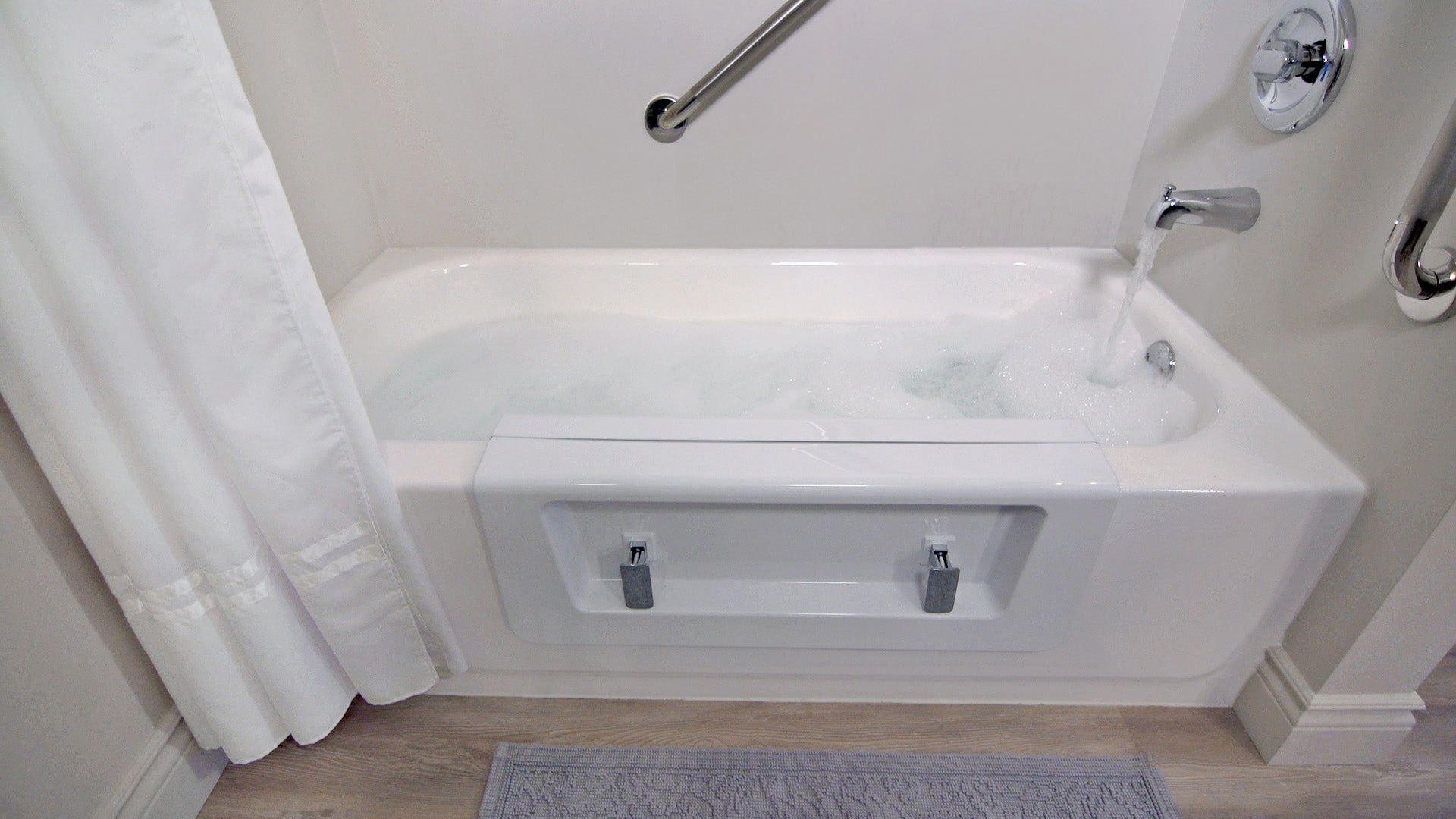
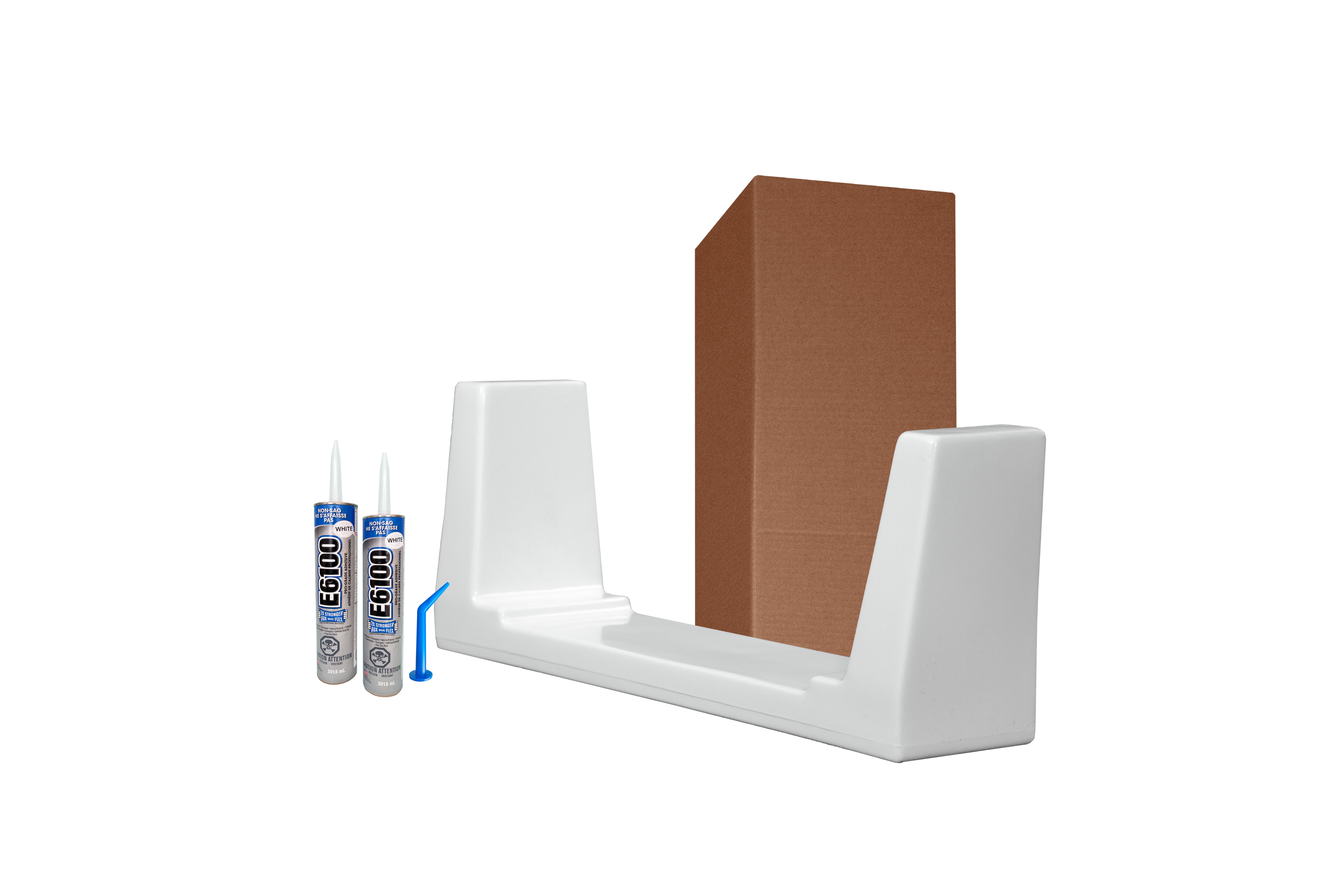
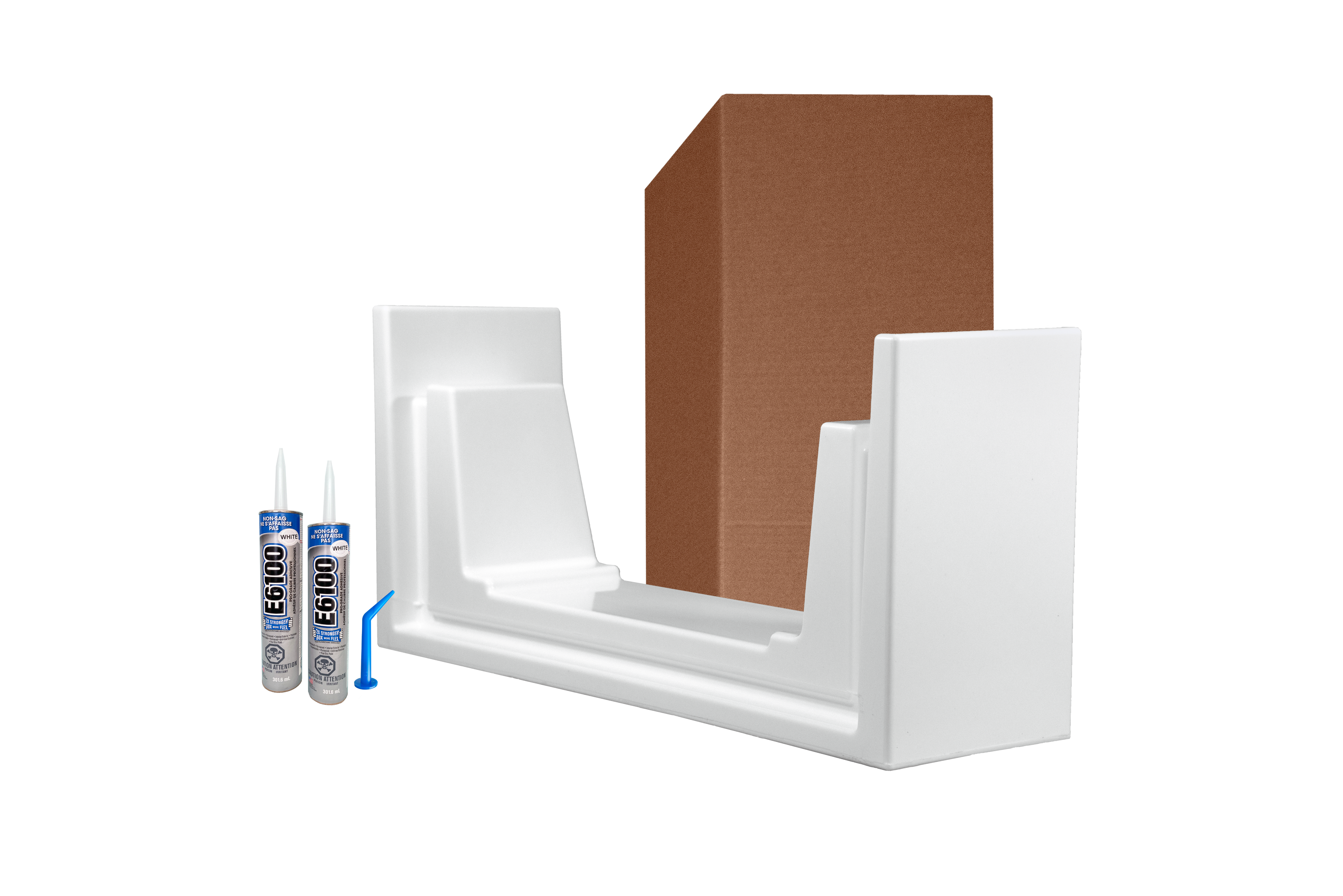
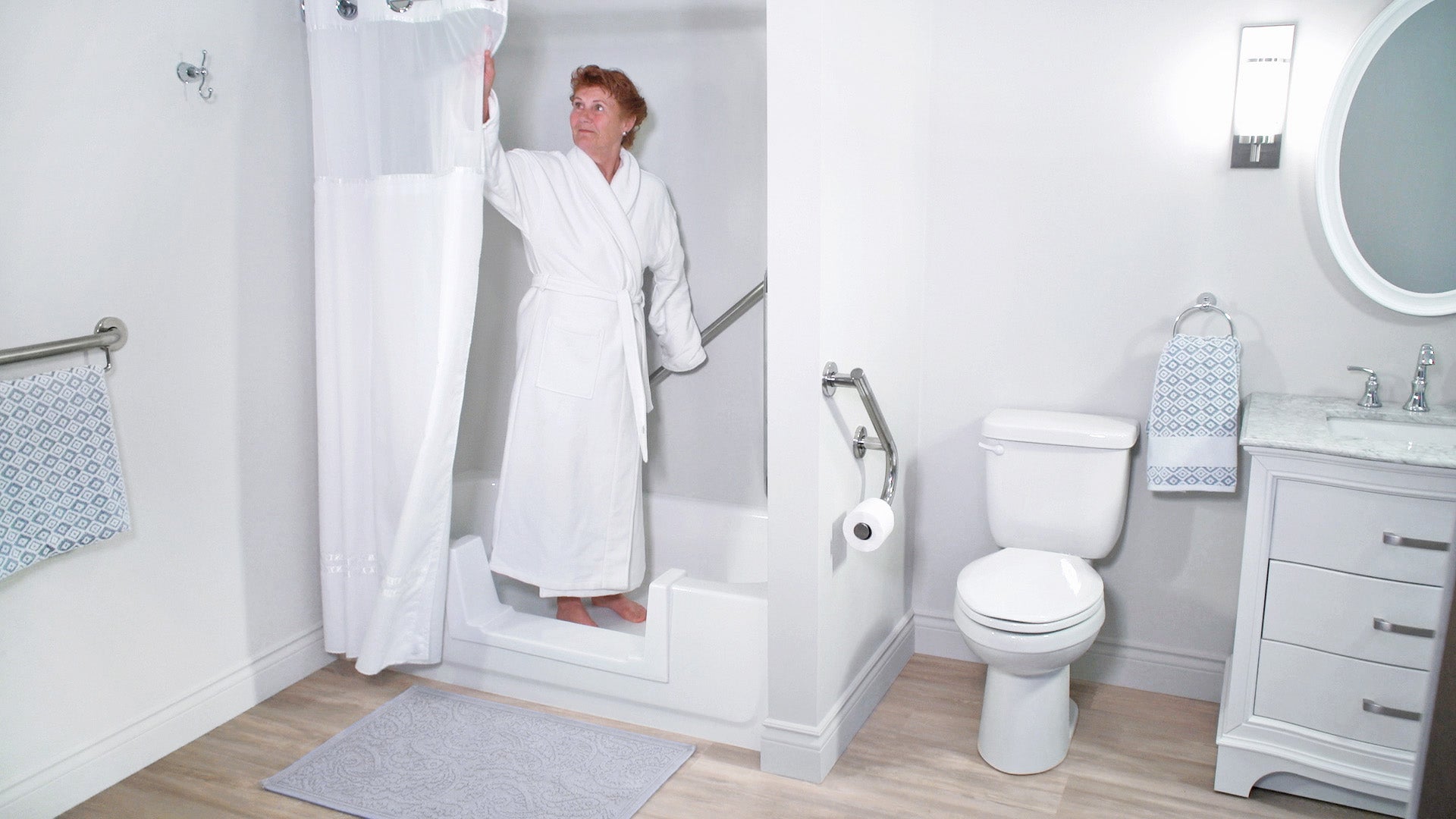
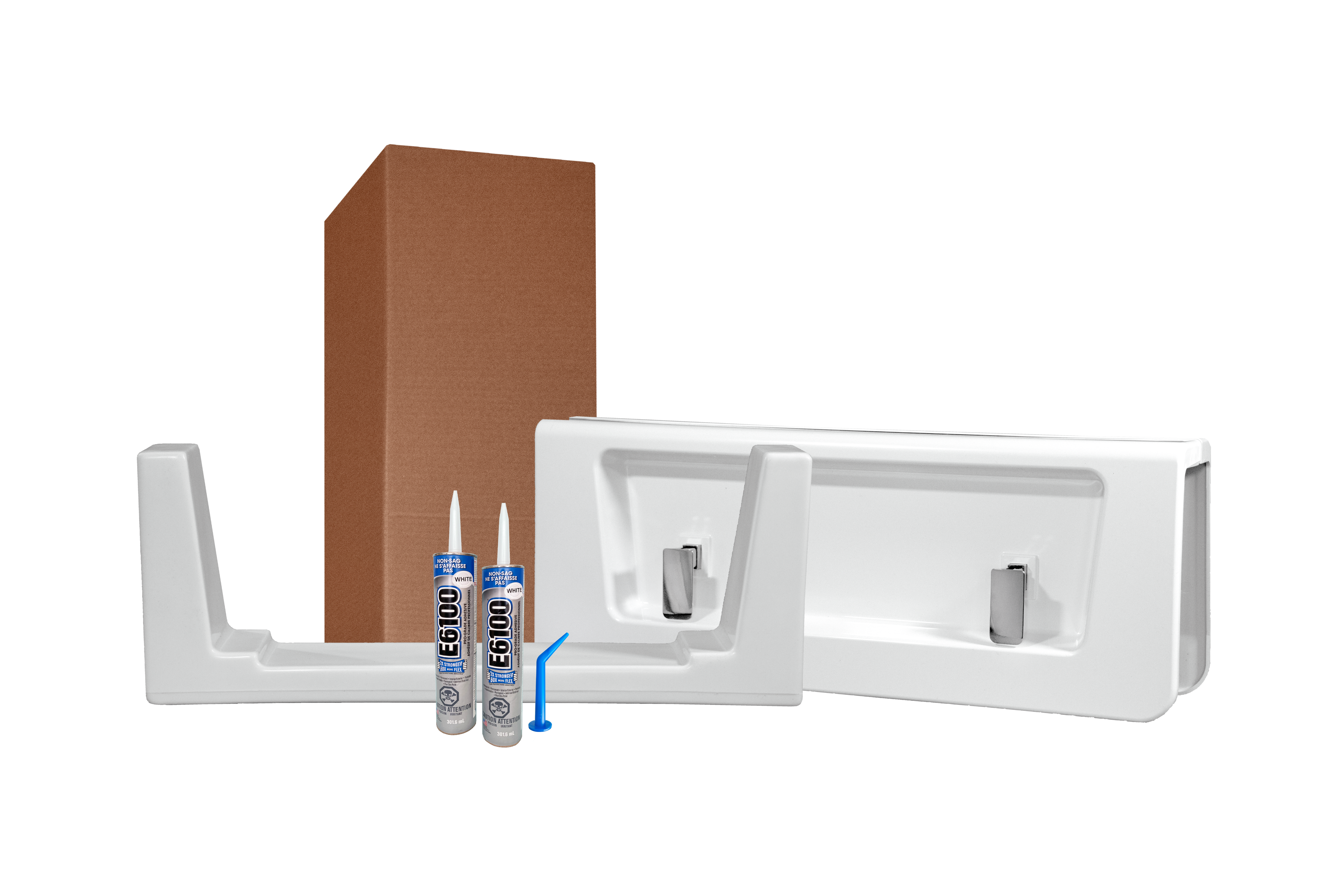
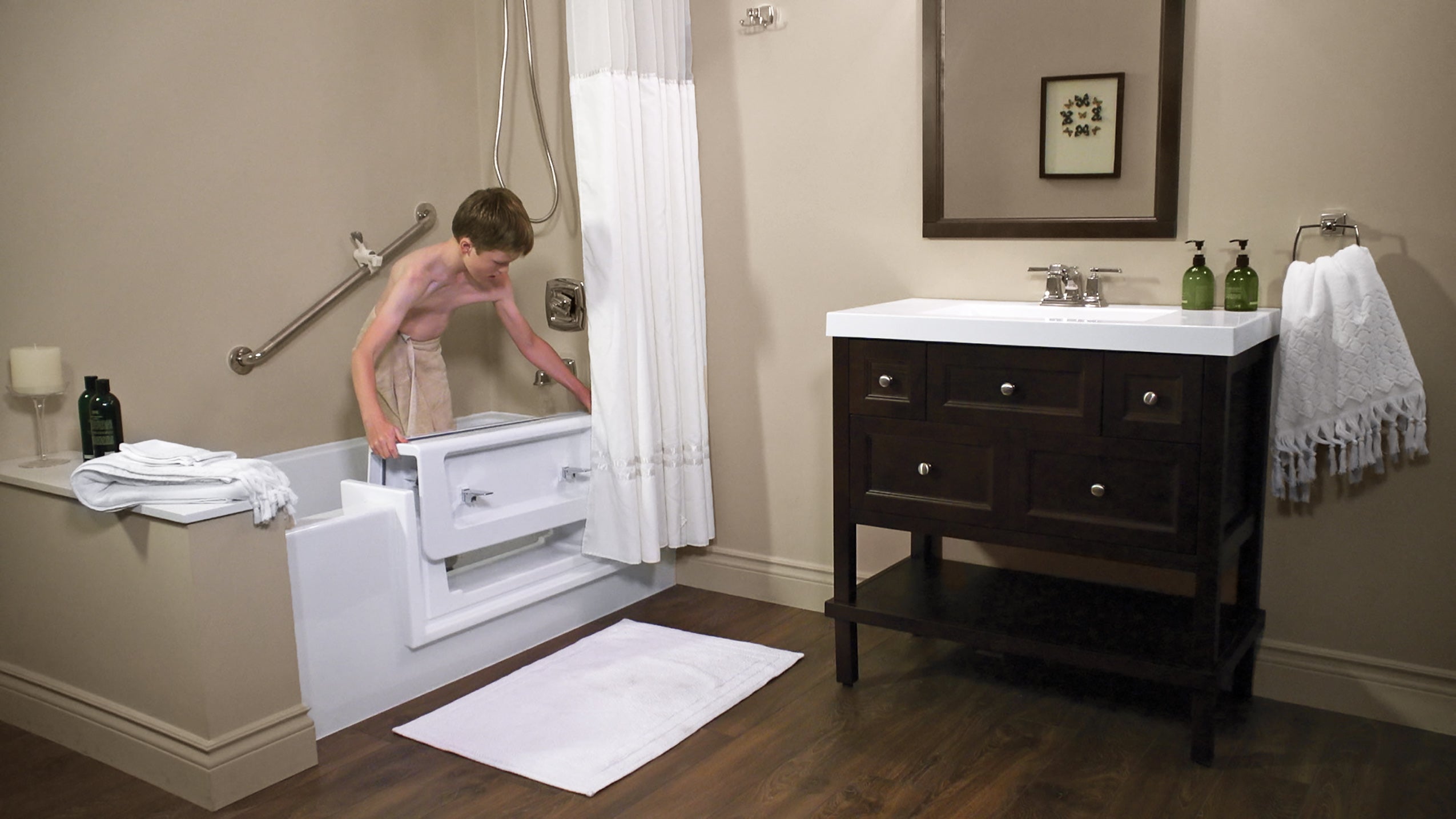
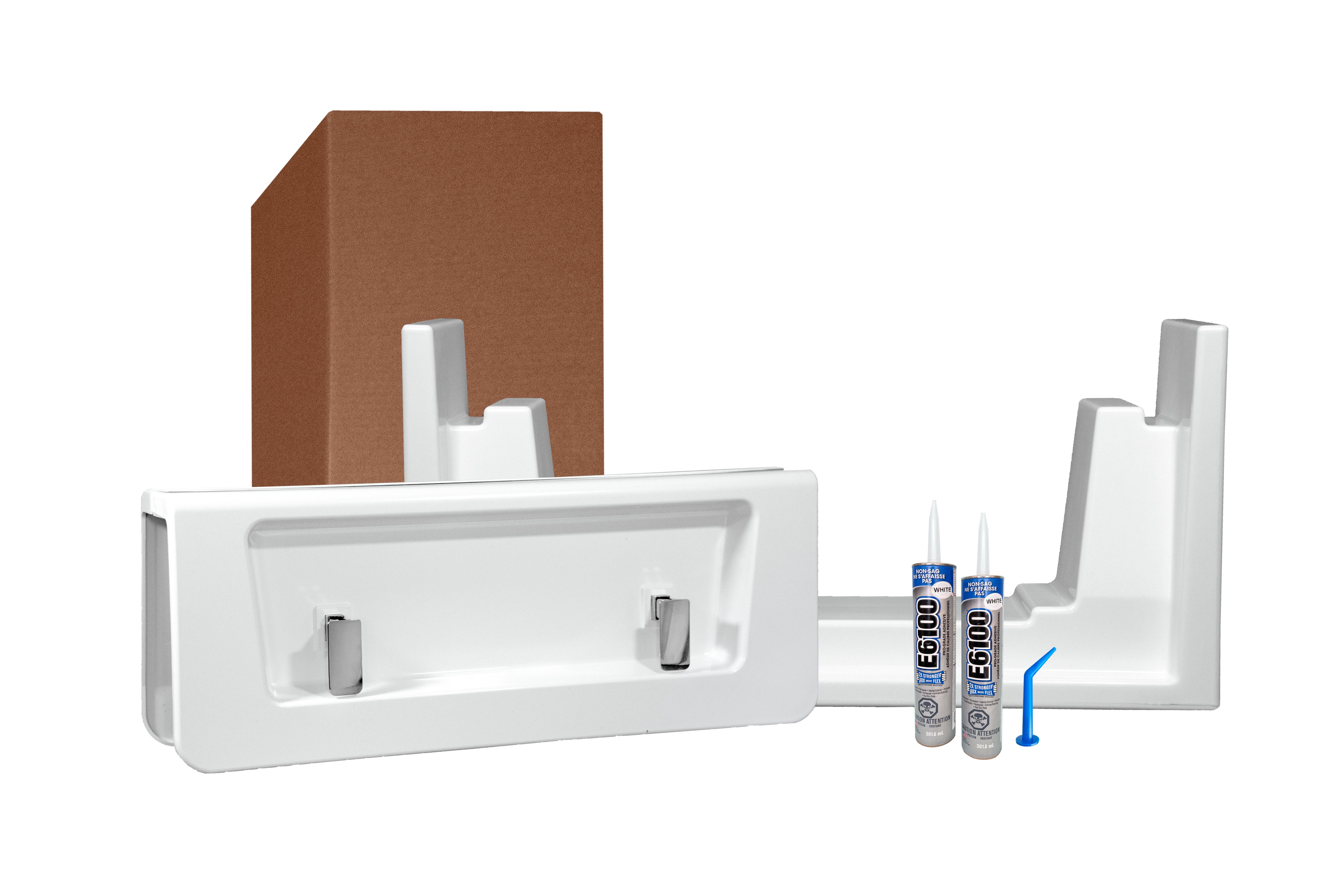
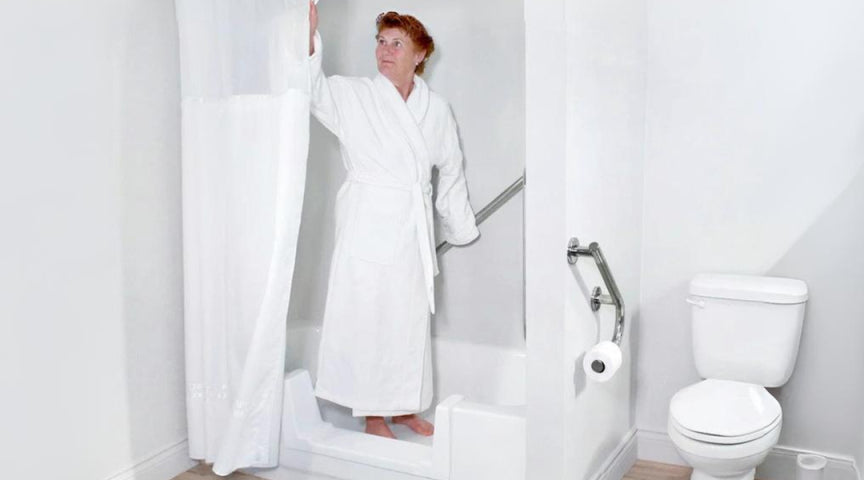
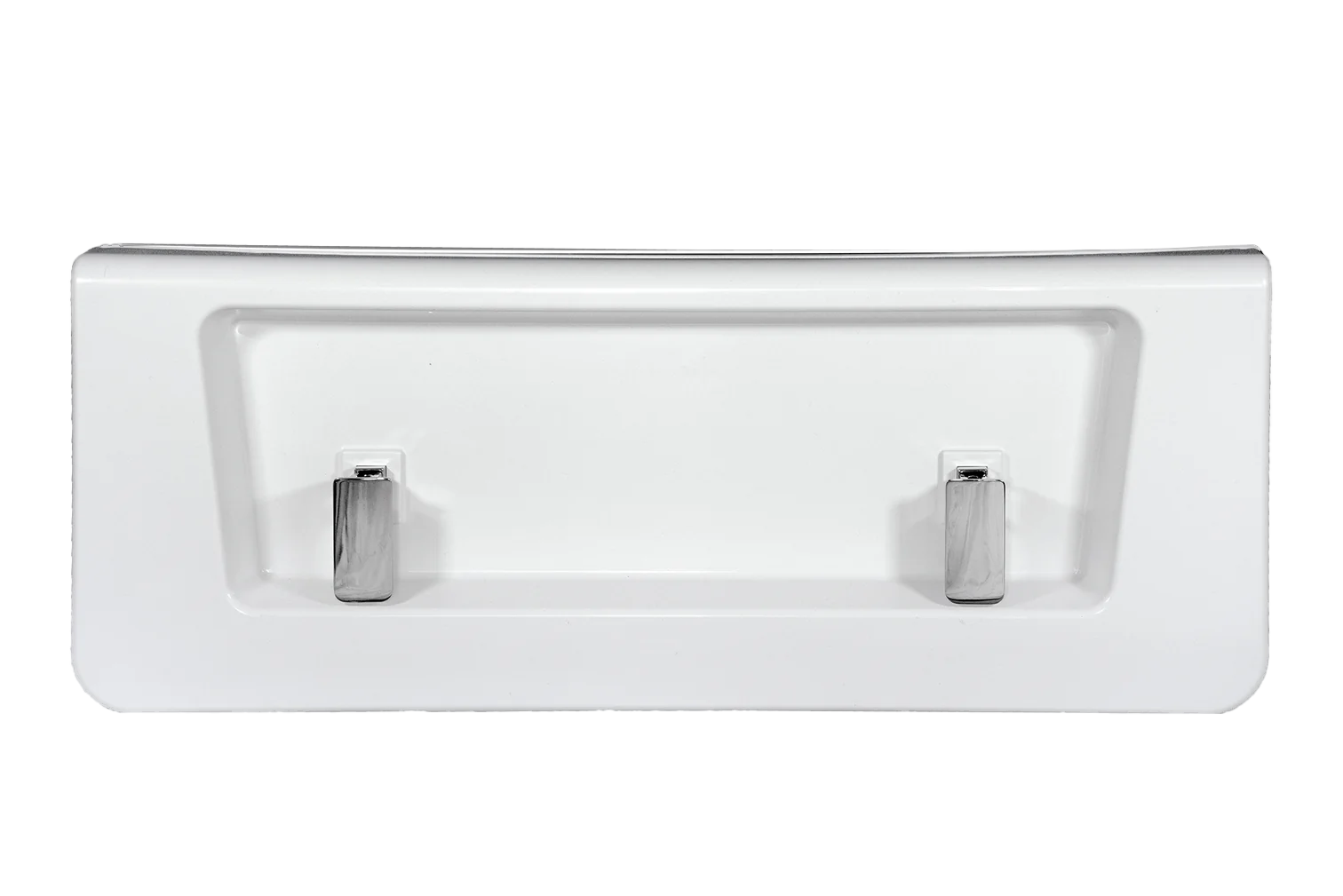
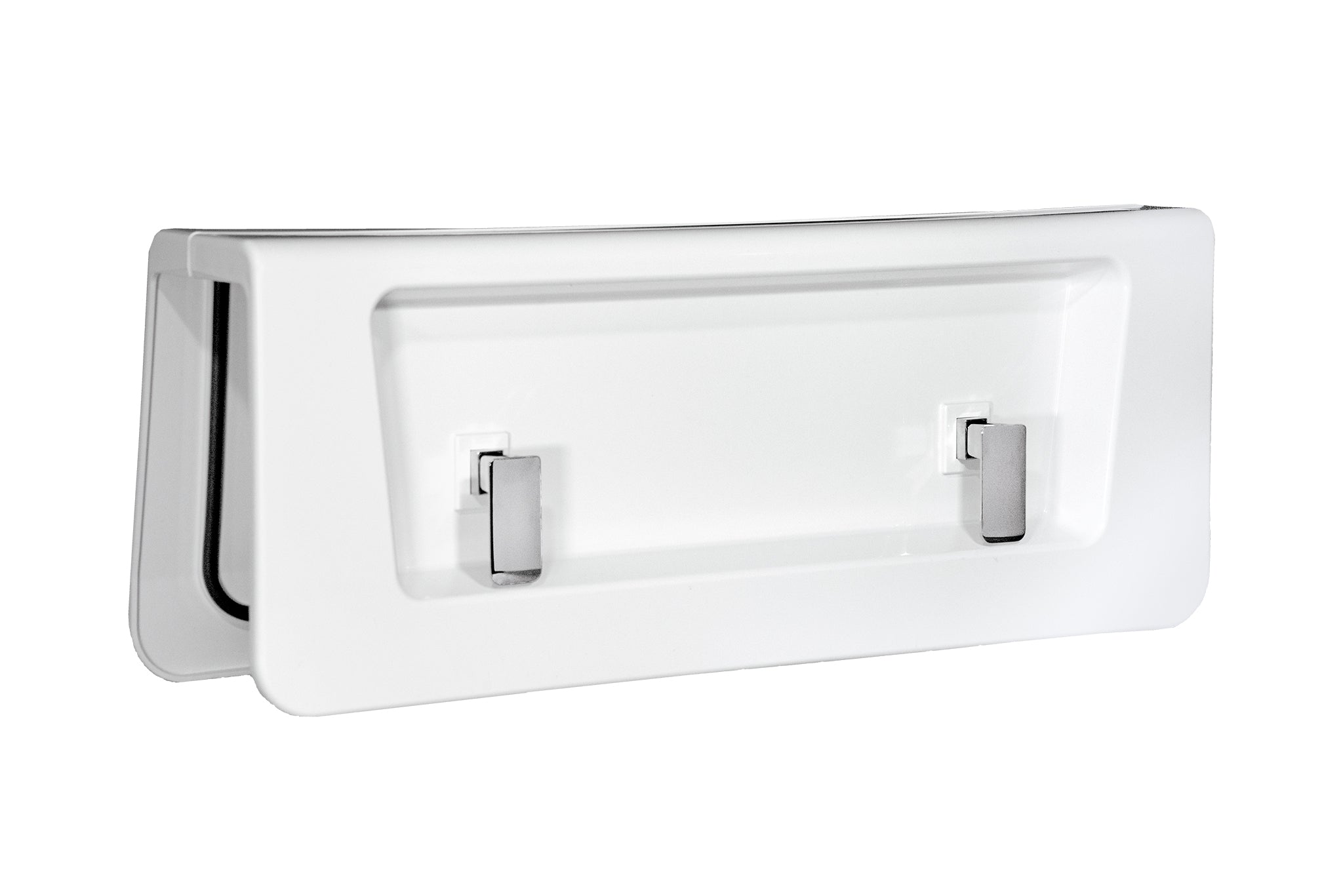
For agencies looking to make accessibility improvements while keeping projects manageable, tub-to-shower conversions can offer a more targeted alternative. For example, Quick Tub's Walk-Thru Insert can convert an existing tub into a low-step, walk-in entry without requiring changes to the surrounding plumbing or tile. Where greater flexibility is needed, the Full Convertible Kit allows the space to be converted back to a full bath. Agencies planning multiple installations can also explore the Quick Tub® partner program for larger projects.
Bathroom accessibility retrofits are one of the most cost-effective ways a housing agency can use CDBG funding to protect vulnerable residents and stretch a limited budget across more households. With careful planning, compliant documentation and the right retrofit partner, a single CDBG grant cycle can fund meaningfully more accessible bathrooms than a traditional full-rehab approach.
FAQs - Frequently Asked Questions
What are CDBG funds?
CDBG funds are federal grants HUD distributes to cities, counties and states to develop affordable housing, suitable living environments and economic opportunity, principally for low- and moderate-income residents.
How to apply for CDBG funds?
Identify your local entitlement grantee, review its Consolidated Plan, scope your project's impact on low- and moderate-income households, and submit during the local Notice of Funding Availability period.
What can CDBG funds be used for?
CDBG covers a wide range of activities beyond housing, including public facilities, infrastructure, economic development and social services. However, housing rehabilitation, including accessibility retrofits like grab bars and roll-in showers, is one of the most common and straightforward eligible uses.
What is the difference between CDBG and HOME funds?
CDBG is a flexible block grant that can fund housing, infrastructure and community services, while HOME is dedicated specifically to producing and preserving affordable housing and requires a 25% local match. Agencies often layer the two together on the same project, since CDBG's flexibility can cover activities that HOME's narrower rules don't.
How much money can you get from a CDBG grant?
Award amounts vary widely by jurisdiction size, the smallest entitlement communities receive roughly $300,000 annually, while large cities can receive $150 million or more. There's no fixed per-project cap for bathroom retrofits specifically; it depends on your local grantee's Consolidated Plan and how the funds are allocated across activities.
Does CDBG cover home repairs?
Yes, CDBG regularly funds owner-occupied housing rehabilitation, including safety and accessibility repairs, as long as the activity meets a national objective like benefiting low- and moderate-income households. This makes it one of the more reliable federal sources for funding bathroom accessibility work at scale.

Share:
The Benefits of Working With a Specialized Tub-to-Shower Conversion Provider
Best Bathroom Safety Upgrades for Seniors Who Rent Their Homes