
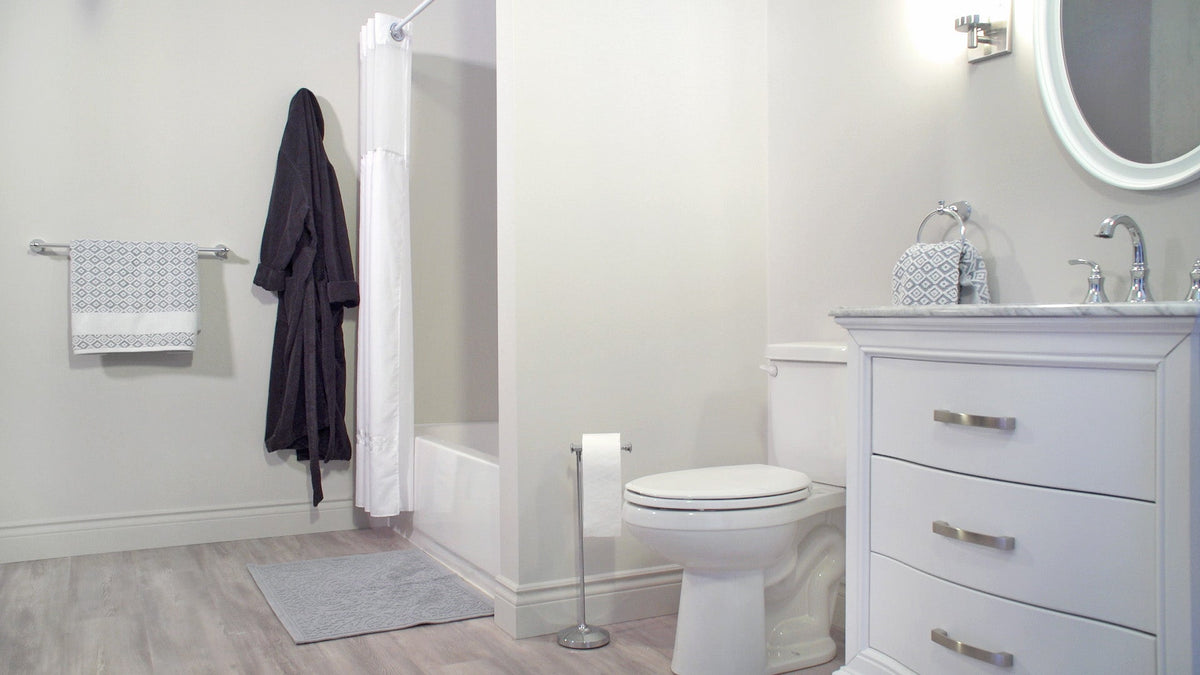
Renting comes with real limits on what you can change in a home. But that shouldn't mean compromising on safety in the bathroom for elderly tenants. Slippery tile, high tub walls and a lack of grab bars make the bathroom the most dangerous room in any home. A bathroom for rental properties is no exception, even though you can't rip out a tub or widen a doorway on a whim.
The good news: a genuinely safe rental bathroom makeover is entirely possible on a modest budget, without risking your security deposit.
Why Renter-Friendly Bathroom Upgrades Matter for Senior Safety
Homeowners can install curbless showers or reroute plumbing whenever they choose. Renters can't, because leases restrict permanent changes, and landlords have the final say on anything structural.
That's exactly why renter-friendly bathroom upgrades have shifted toward portable, drill-free equipment that delivers real bathroom safety for the elderly without altering the unit. Done thoughtfully, senior bathroom safety in a rental isn't a downgrade from what a homeowner can achieve. It just requires choosing the right tools.
Top Drill-Free Options for a Renter-Friendly Bathroom Makeover
The best renter-friendly bathroom makeover options for seniors are portable, move with you and need zero permission from a landlord:
-
Tub transfer bench or shower chair
A transfer bench lets you sit outside the tub and slide in, eliminating the need to step over a high wall entirely. This is one of the most effective shower modifications for elderly users, and it’s 100% portable. -
Tension-mounted floor-to-ceiling pole
These wedge between floor and ceiling for vertical grab support with zero drilling. Therefore, it’s a premium option for anyone who needs help stepping out of a standard tub. -
Raised toilet seat or clamp-on safety rail
A riser reduces strain on knees and hips, and safety rails that bolt directly to the existing toilet seat hinges skip wall drilling altogether. -
Non-slip mats and rubber-backed rugs
Add traction inside the tub and just outside it, and remove any decorative rug that could bunch up and become a trip hazard. -
Handheld showerhead
Swapping a fixed showerhead for a handheld one is simple, just save the original to reinstall at move-out. It lets you bathe comfortably while seated. -
Motion-sensor nightlights
Plug-in or battery-powered lights along the path to the bathroom cut nighttime fall risk dramatically, with no wiring involved. -
Suction-cup grab bars, with caution
These are heavily marketed, but are only reliable on smooth, non-porous tile. Even then they should support balance, not full body weight.
Your Rights as a Renter: Requesting Permanent Grab Bars
If portable equipment isn't enough, you have real legal standing to ask for more. Under the Fair Housing Act, tenants with a disability can request "reasonable modifications". This includes physical changes like grab bars, a lowered counter or even a walk-in shower conversion.
In most private rentals, landlords must allow the change, but the tenant covers the cost. In federally assisted housing, the landlord typically pays. Landlords can require professional installation and, in some cases, restoration at move-out, though hidden reinforcements behind the wall usually don't need to be removed.
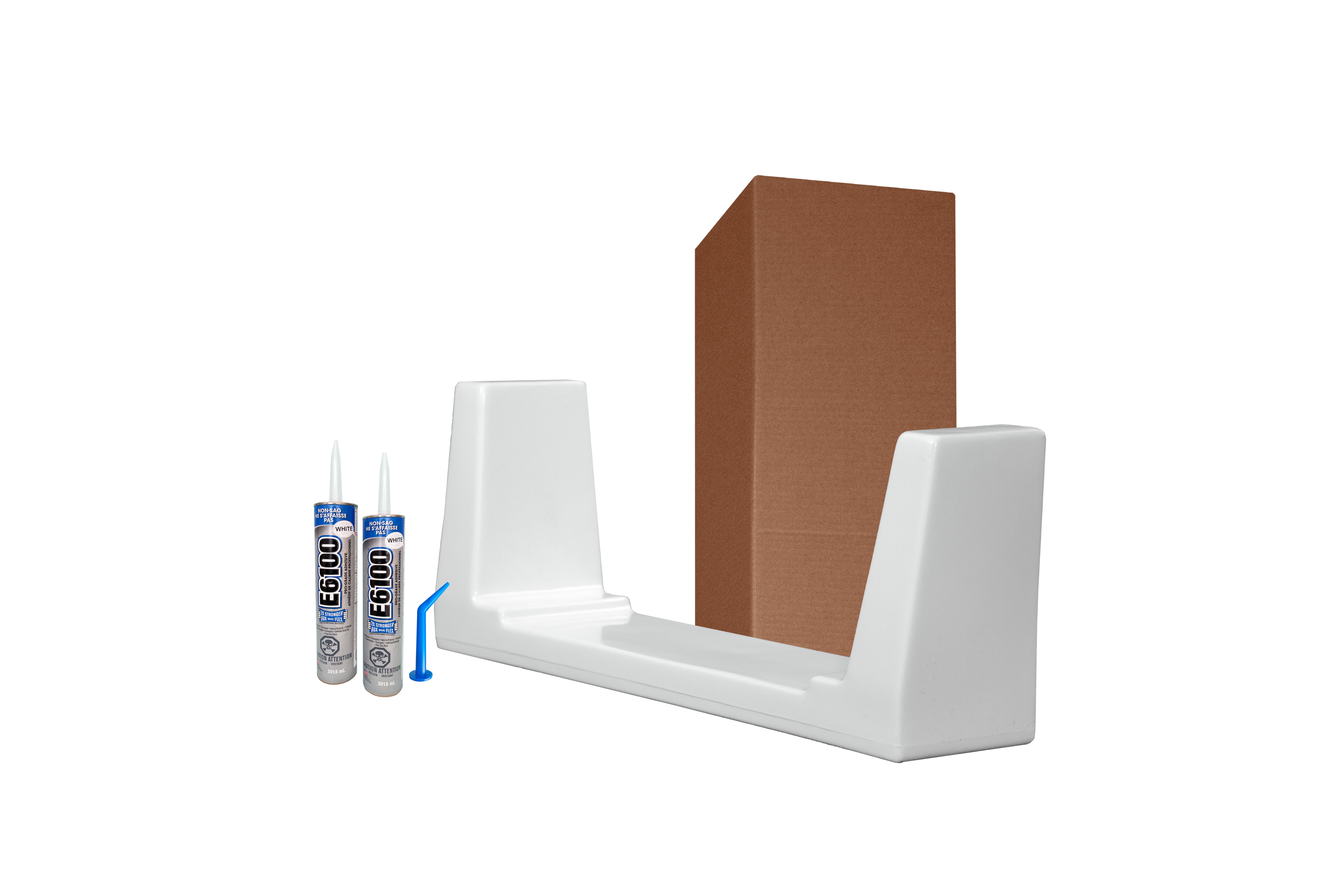
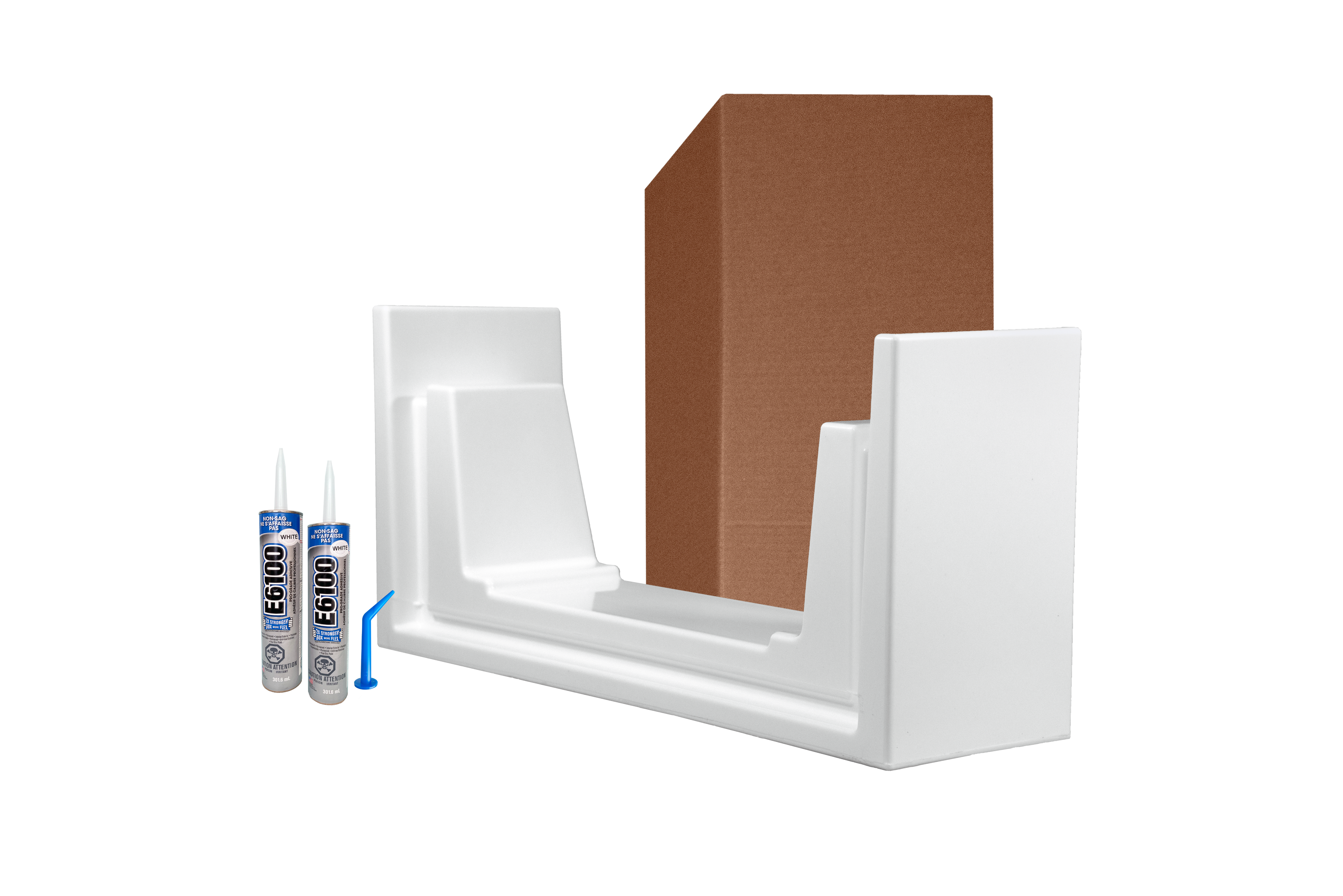
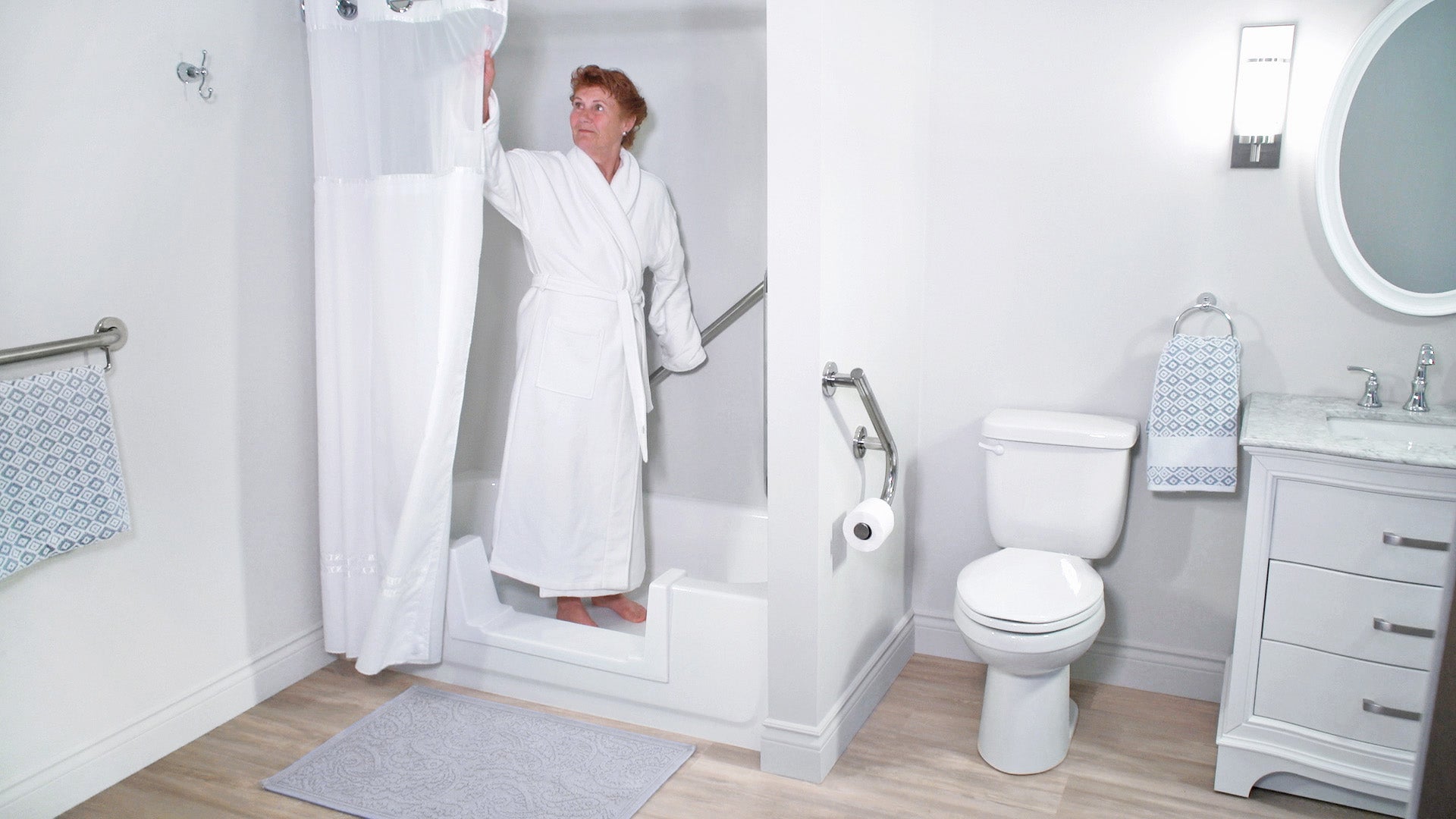
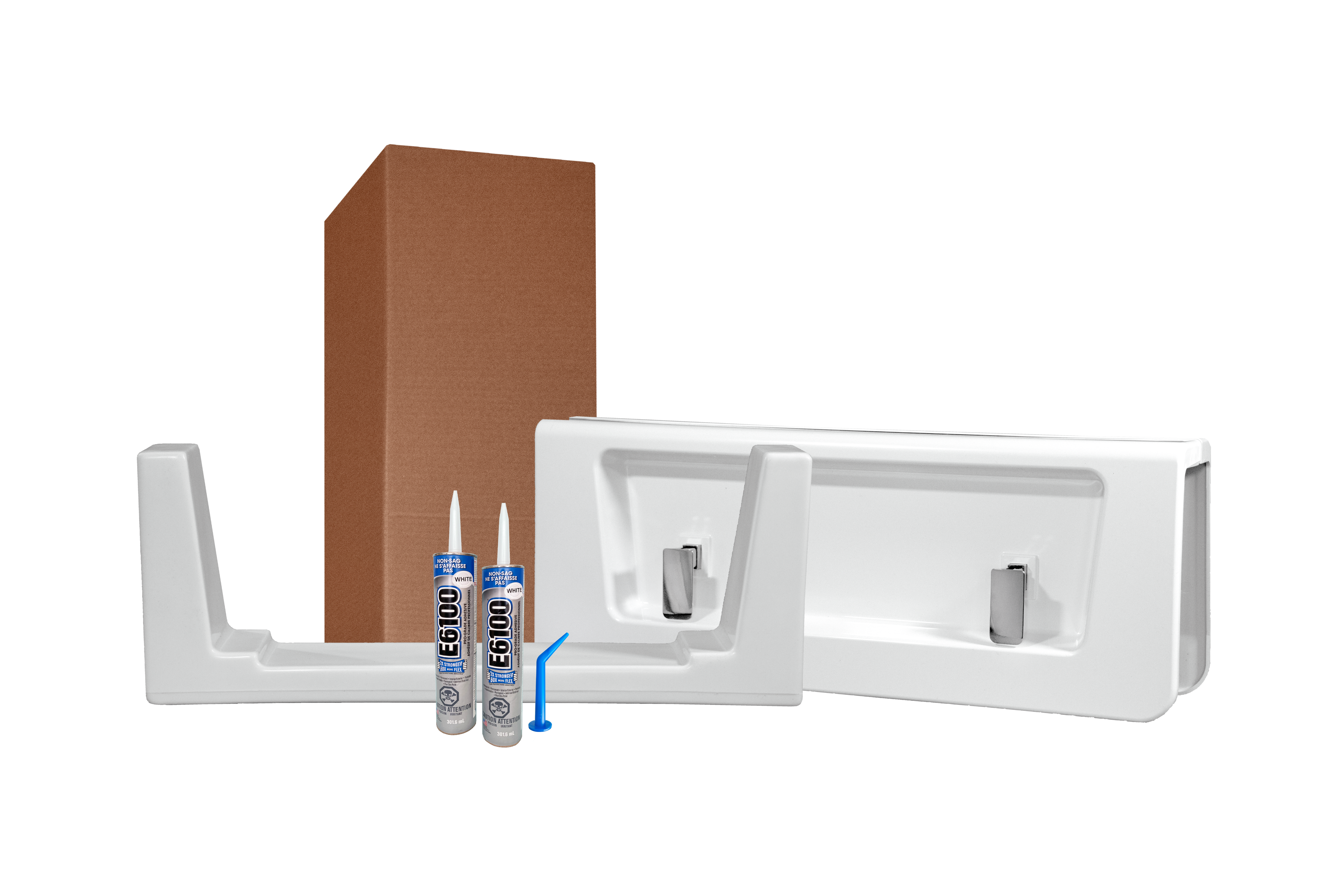
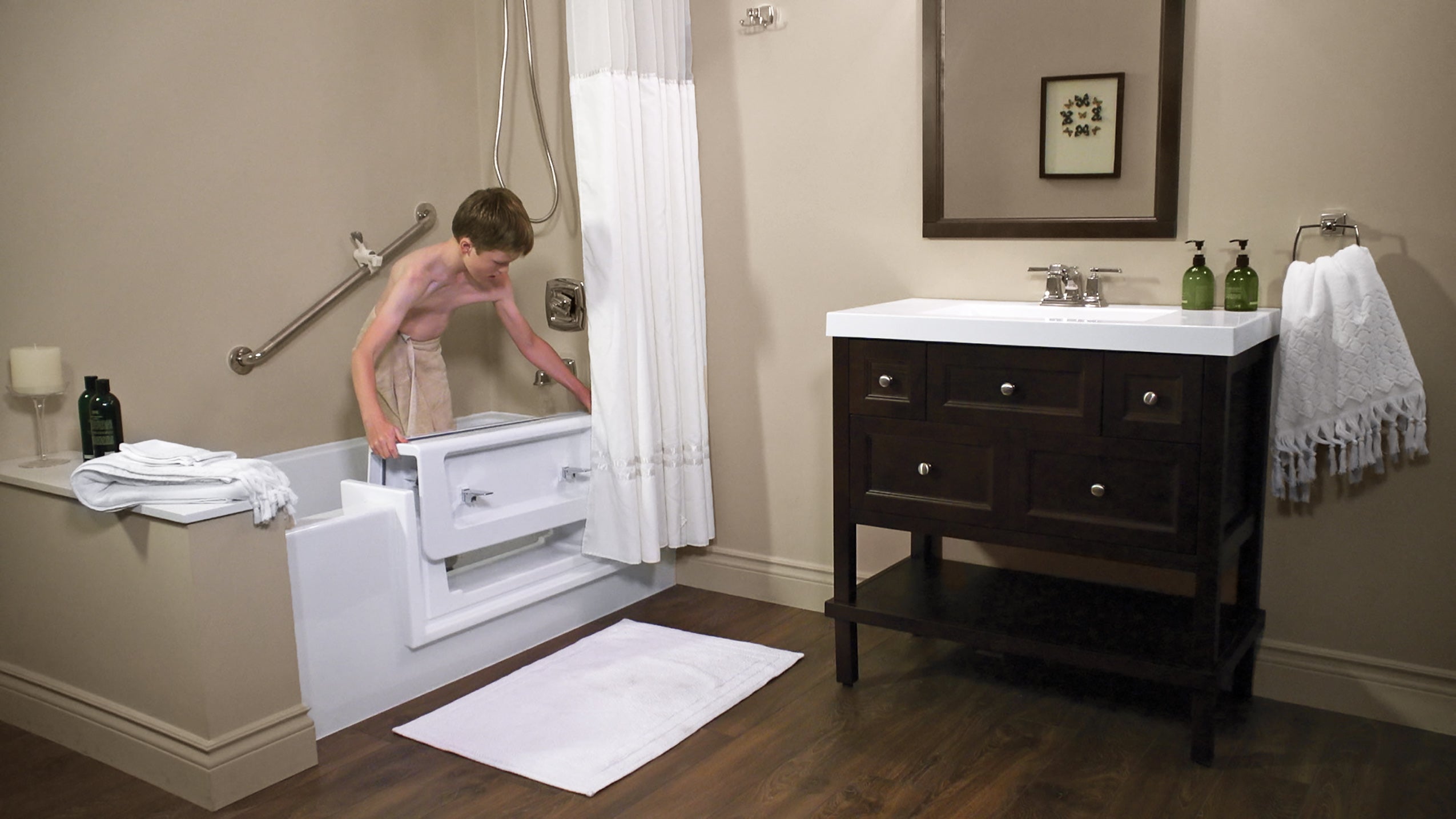
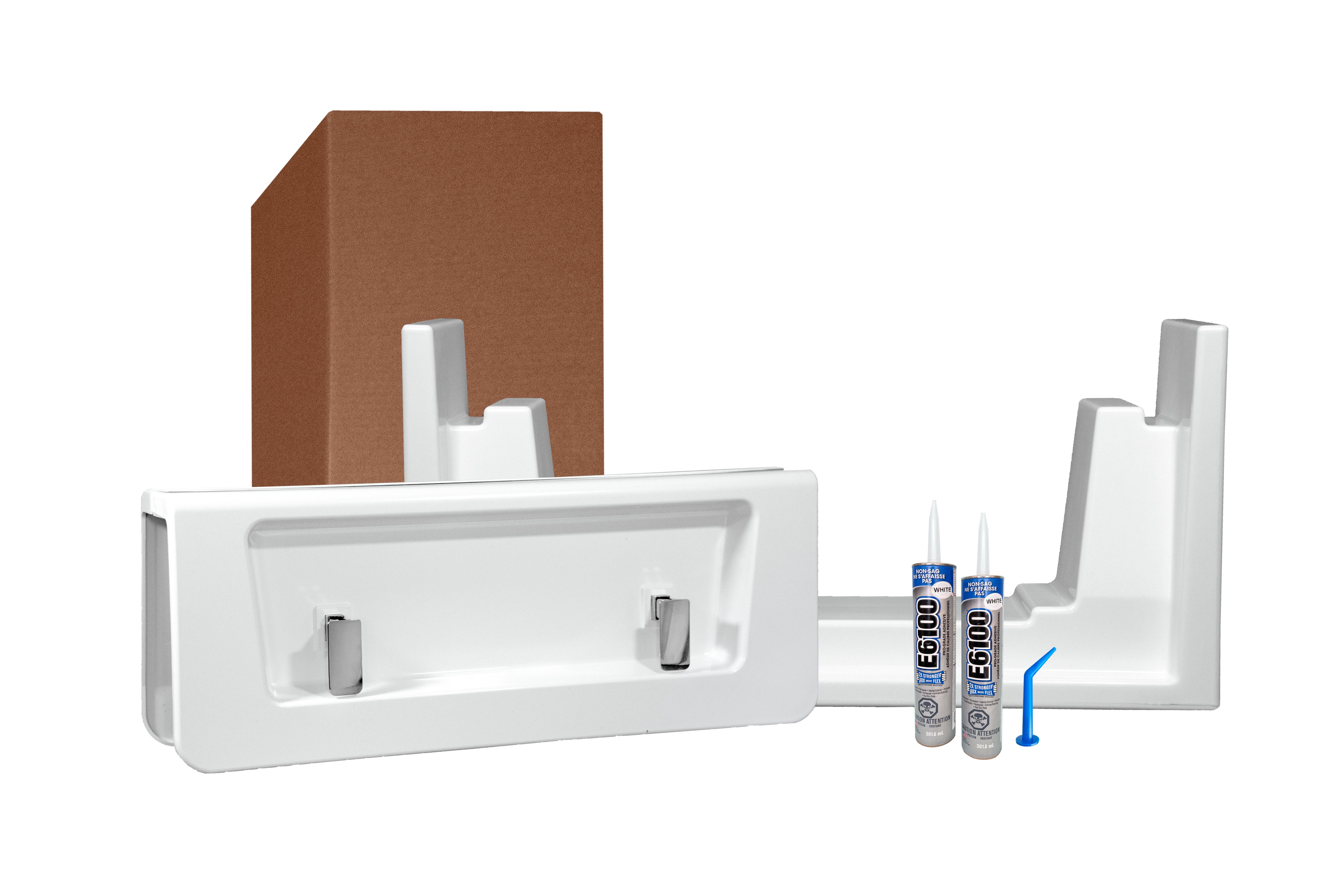
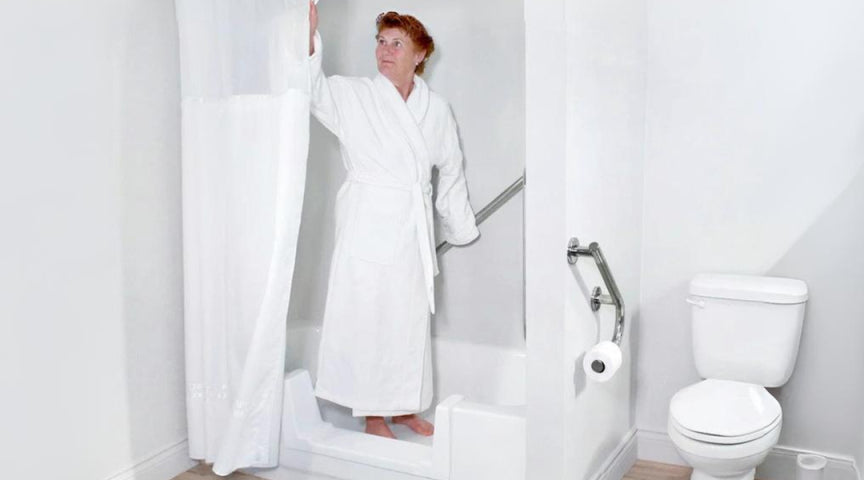
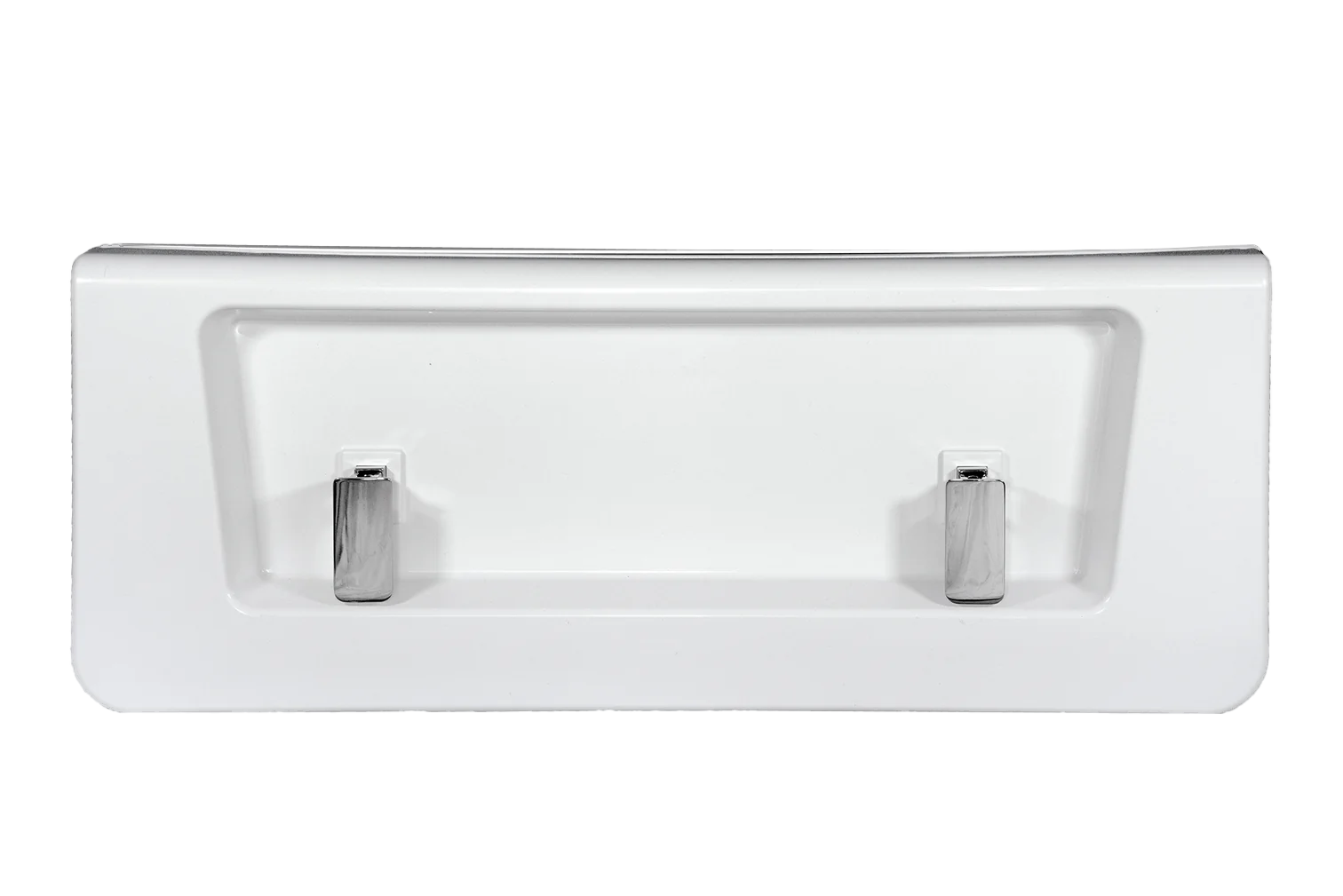
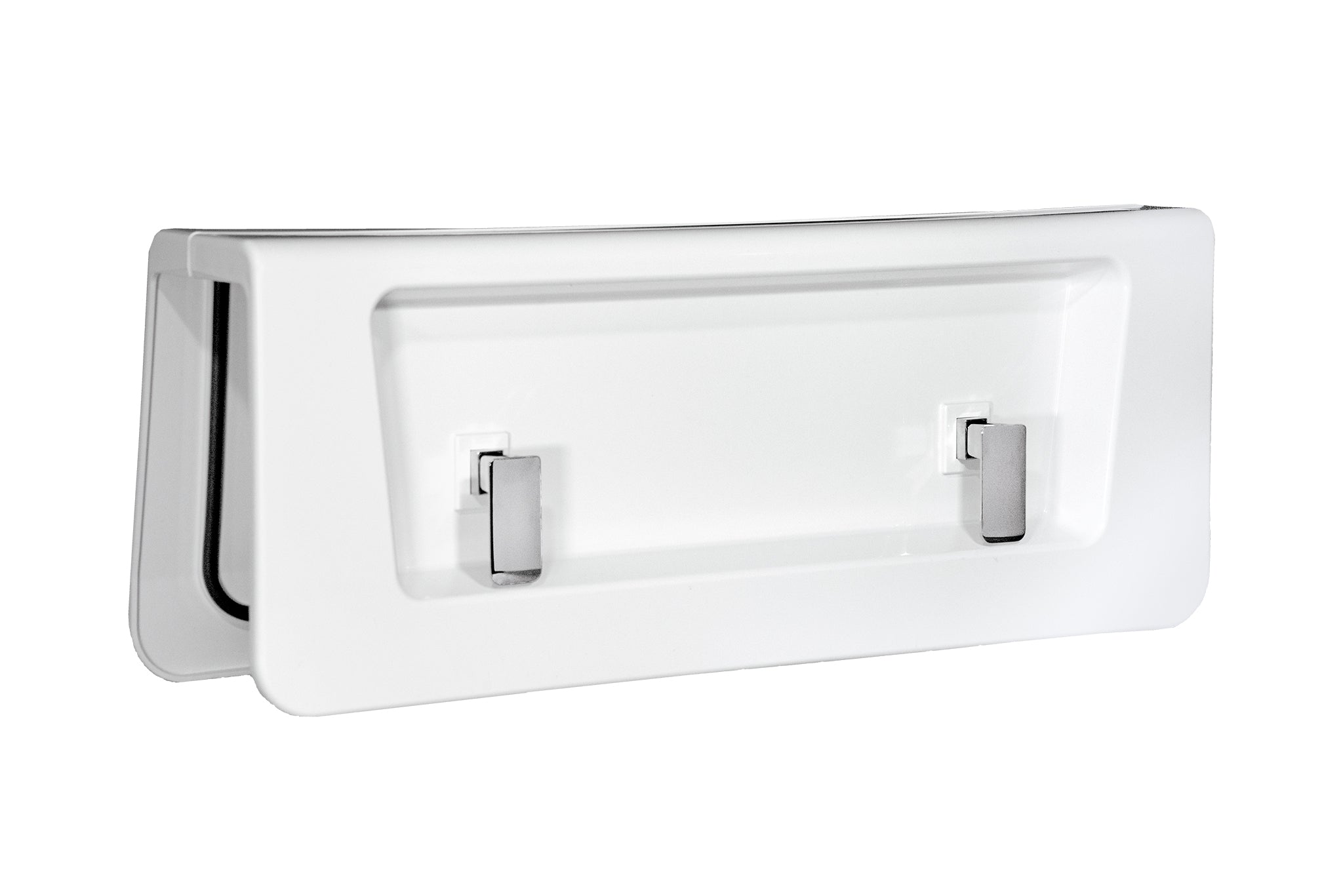
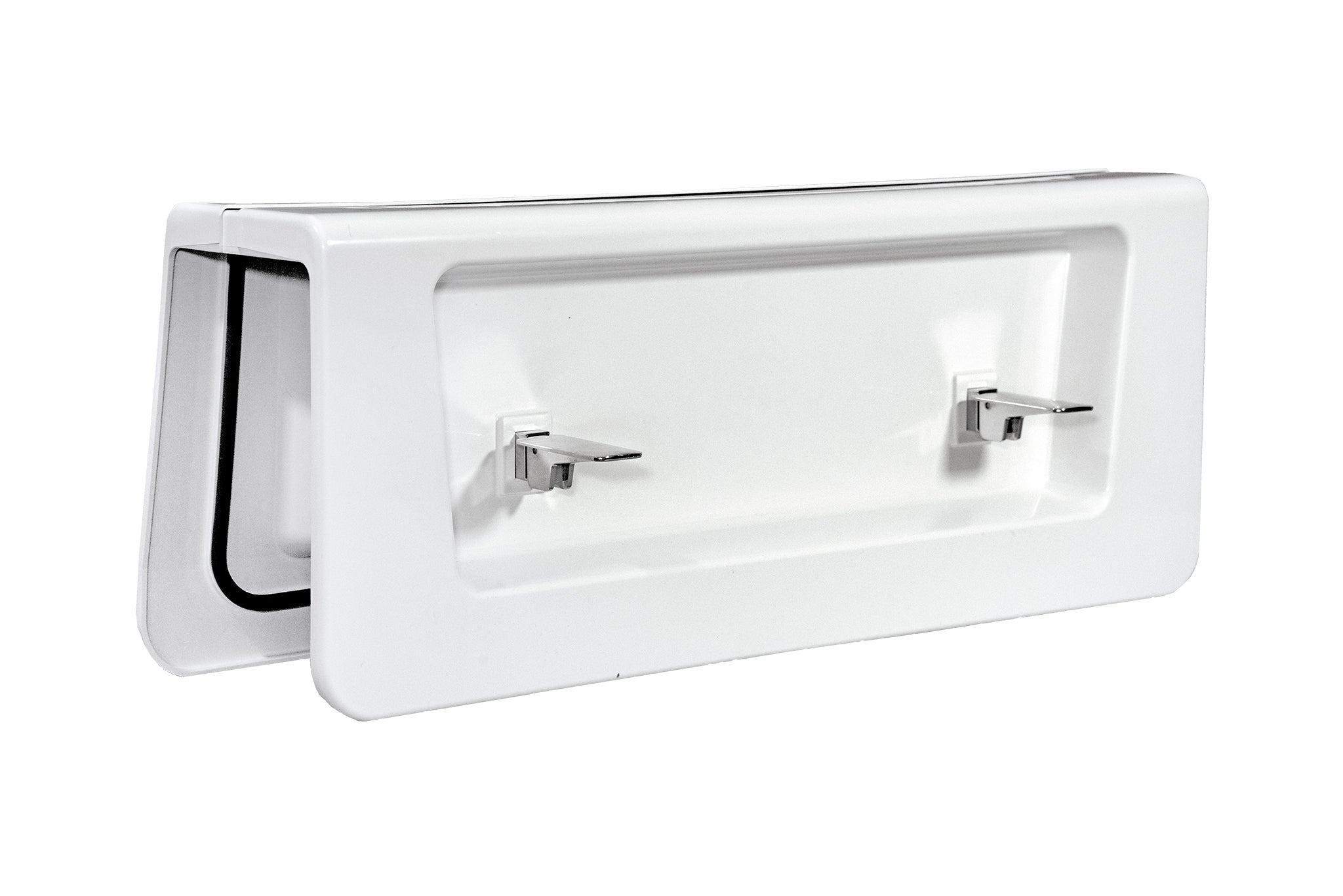
This is where it's worth discussing a permanent (but fully reversible) upgrade with your landlord. A Quick Tub® Walk-Thru Insert lowers a tub's step-in height by cutting a low, watertight opening into the existing wall, addressing the single biggest fall risk in most rentals. Because the optional Quick Tub® Cap can seal that opening back to a full bathtub in seconds, it's an easier "yes" for a landlord than a full remodel. The unit stays rentable to the next tenant either way.
Paying for Portable Bathroom Safety Equipment
Even non-permanent gear adds up. Original Medicare doesn't cover grab bars, shower chairs or raised toilet seats (it classifies them as convenience items), but Part B does cover a doctor-prescribed commode chair as durable medical equipment.
Veterans may have more options. VA grants can fund adaptive equipment as well as aged care bathroom modifications more broadly, and it's worth reviewing the VA's disability housing grants. Medicaid HCBS waivers and your local Area Agency on Aging are also worth a call. Many fund bathroom modifications for elderly residents regardless of homeownership status.
A safe bathroom shouldn't depend on owning the home you live in. With the right portable equipment, a clear understanding of your rights and a landlord conversation backed by the Fair Housing Act, seniors renting an apartment or house can get real, lasting safety in the bathroom for elderly living, without a single hole drilled that wasn't approved first.
For renters who need a more substantial tub-access solution, Quick Tub® offers a practical way to improve accessibility while keeping the option to restore the bathtub for future use.
FAQs - Frequently Asked Questions
What are the best bathroom safety upgrades for seniors who rent?
A tub transfer bench, tension-mounted grab pole, raised toilet seat, non-slip mats, a handheld showerhead and motion-sensor nightlights cover the highest-risk areas without any permanent installation.
How can seniors make a rental bathroom safer?
Start with portable, drill-free equipment for immediate protection, then request permanent modifications like grab bars from the landlord under the Fair Housing Act if more support is needed.
What bathroom safety equipment can renters install?
Renters can freely add non-slip mats, tension poles, transfer benches, handheld showerheads and clamp-on toilet rails, none requiring drilling or landlord permission.
Can renters install grab bars in the bathroom?
Yes. Under the Fair Housing Act, tenants with a disability can request permission to install grab bars as a reasonable modification, generally at the tenant's own expense in private housing.
What are the best alternatives to permanent grab bars for renters?
Tension-mounted floor-to-ceiling poles offer the sturdiest non-drilled support, while suction-cup bars can help with balance on smooth tile, though neither should bear full body weight the way a properly anchored bar can.

Share:
Using CDBG Funds for Bathroom Accessibility Retrofits: A Step-by-Step Guide for Housing Agencies