
A bathroom should work for your lifestyle, not against it. For many homeowners, an unused bathtub takes up valuable space while creating a potential safety hazard. That's why a tub-to-shower conversion has become one of the most popular bathroom upgrades in North America.
Whether you're planning for aging in place, improving accessibility or simply modernizing your home, a professional bathtub-to-shower conversion can provide long-term value while helping you avoid costly remodeling mistakes.
Is a Tub-to-Shower Conversion Right for Your Home?
A bath-to-shower conversion is ideal for homeowners who rarely use their bathtub and want a safer, more functional bathing space. Common reasons people choose tub-to-shower conversions include:
-
Easier access for seniors and individuals with mobility challenges
-
Reduced slip-and-fall risks
-
More usable bathroom space
-
Easier cleaning and maintenance
-
Modernizing an outdated bathroom
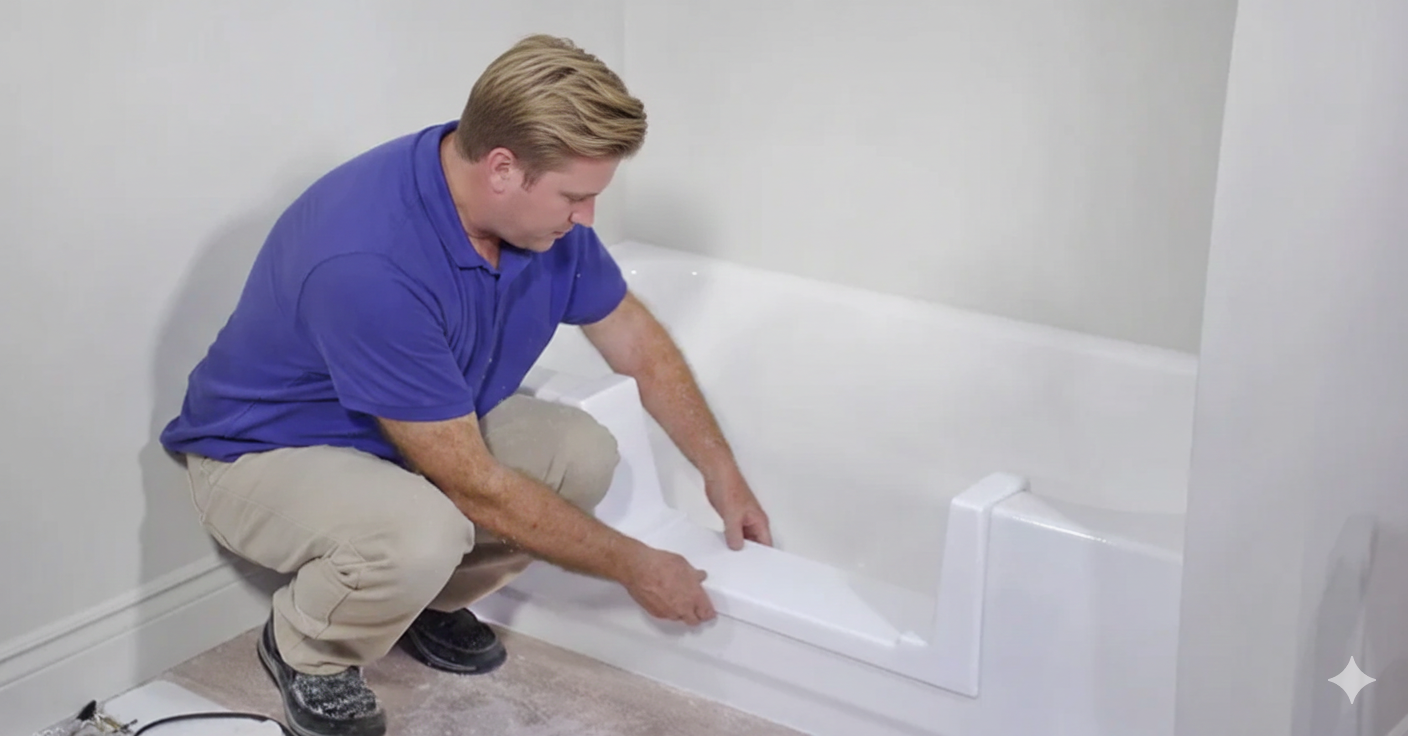
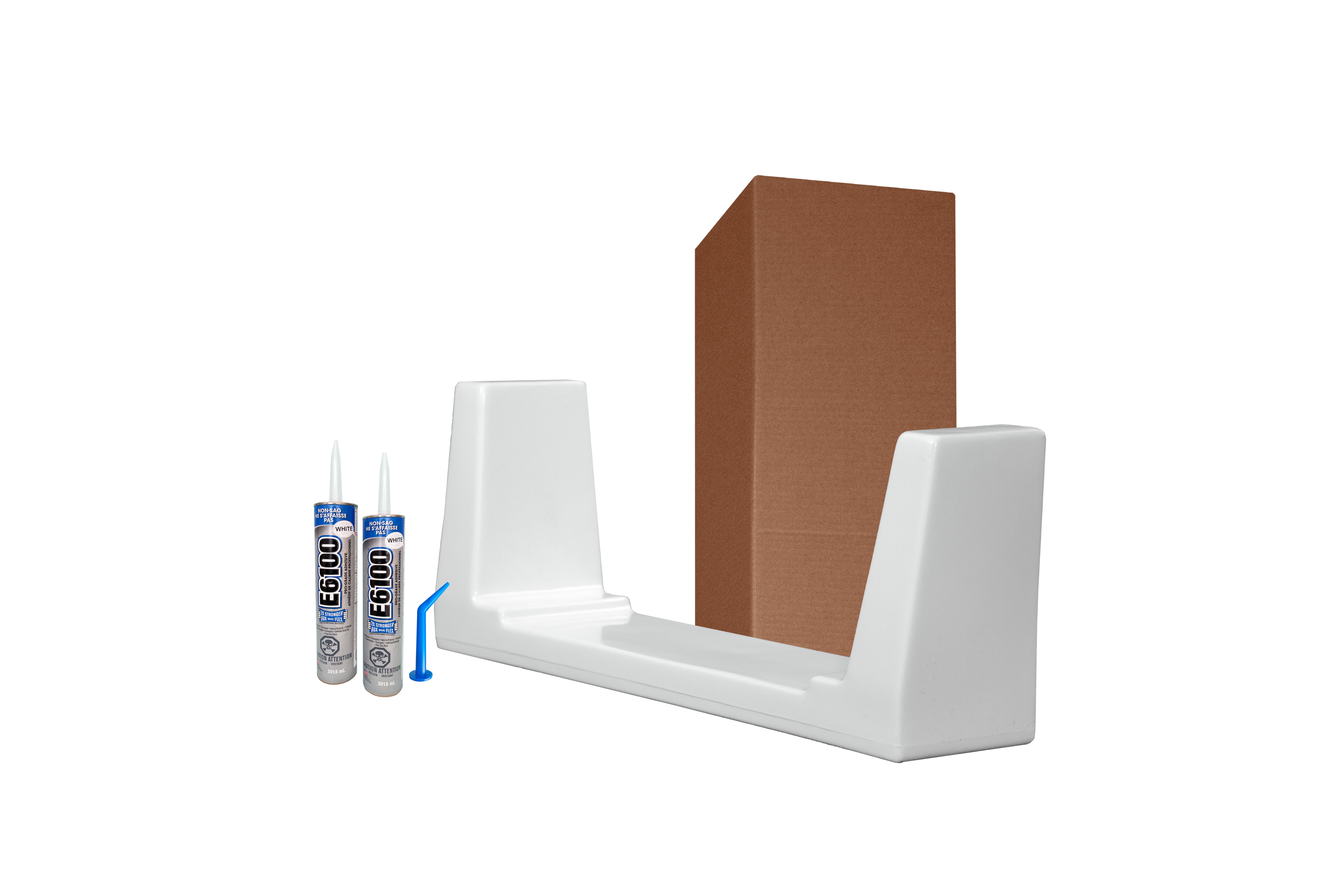
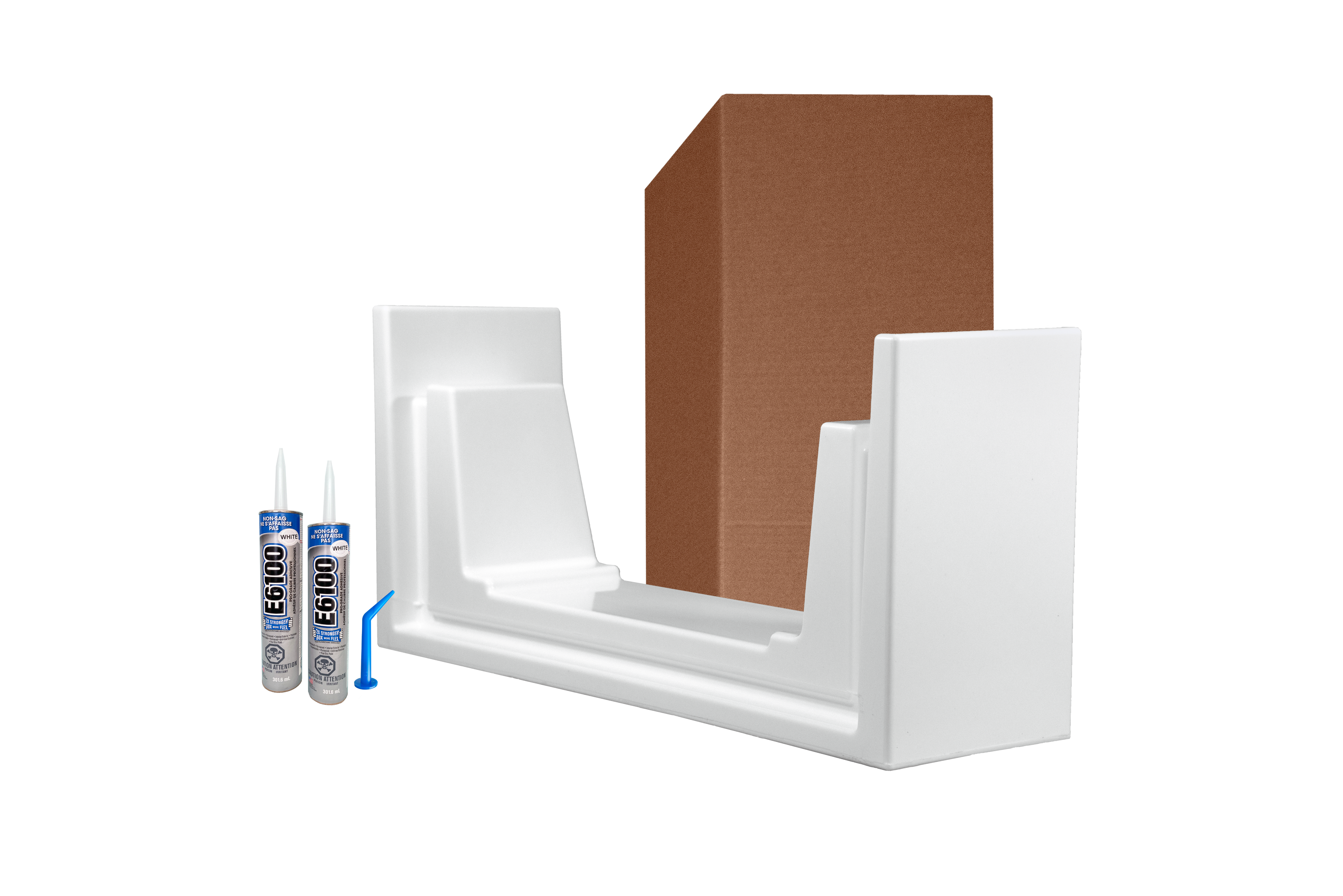
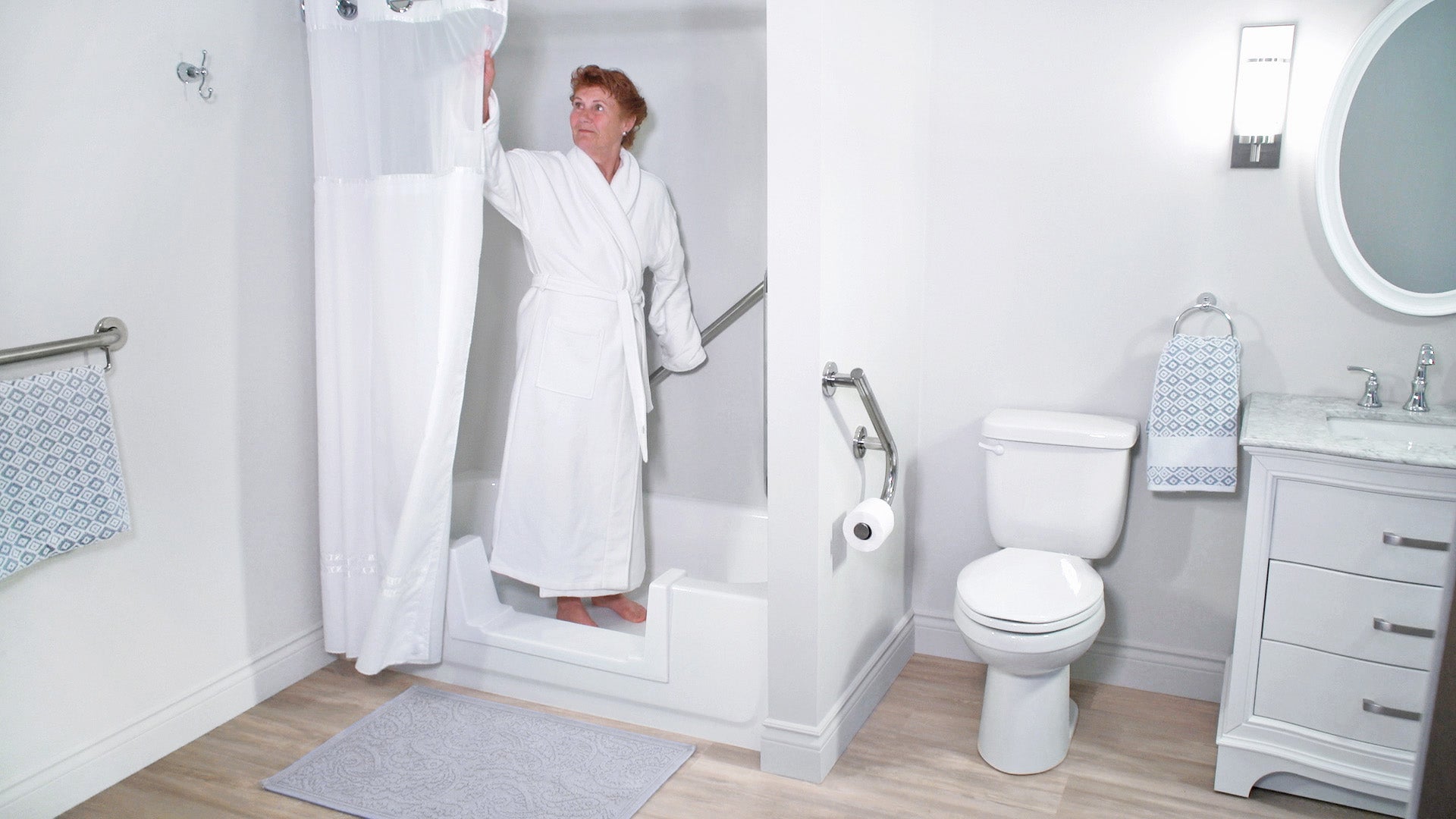
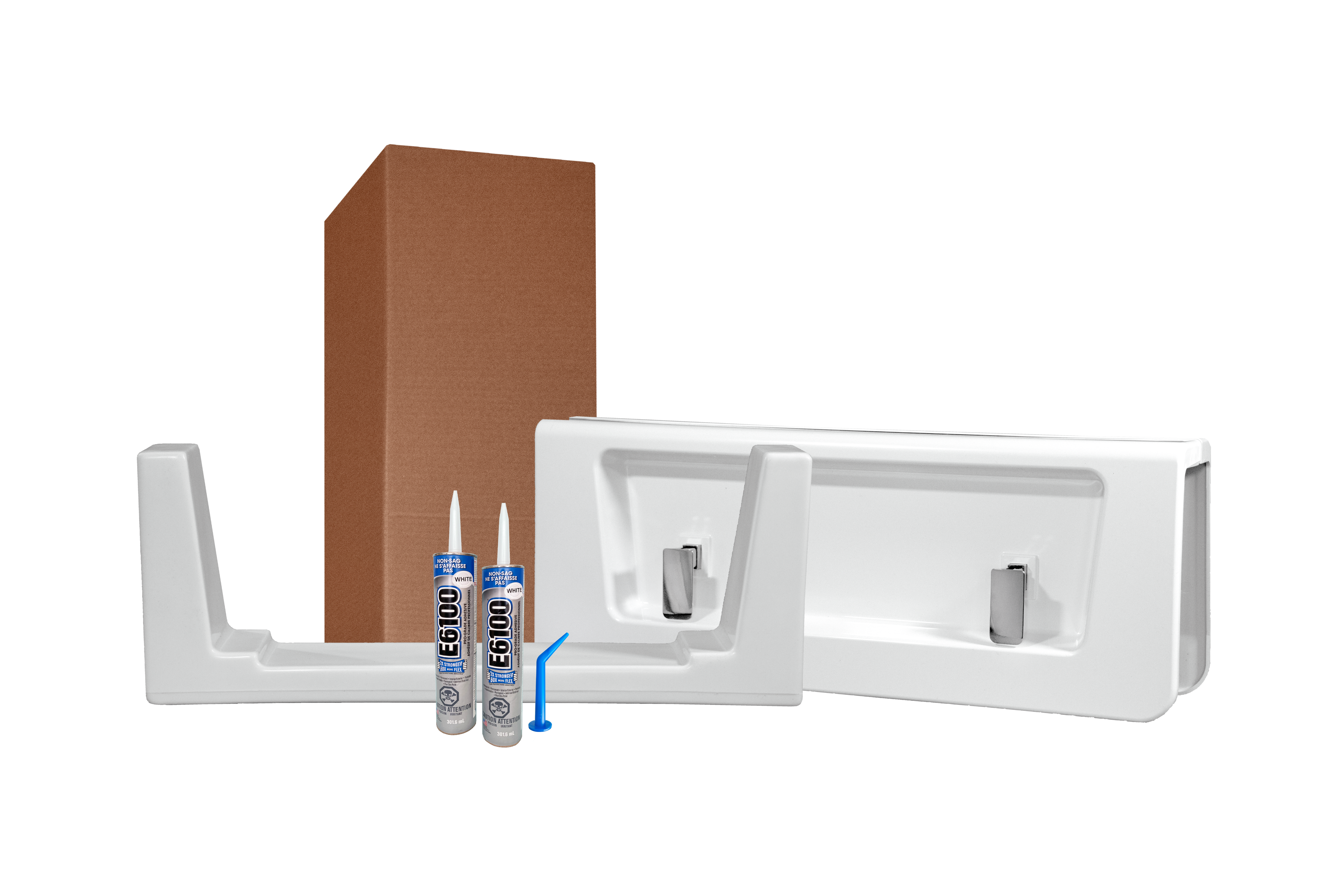
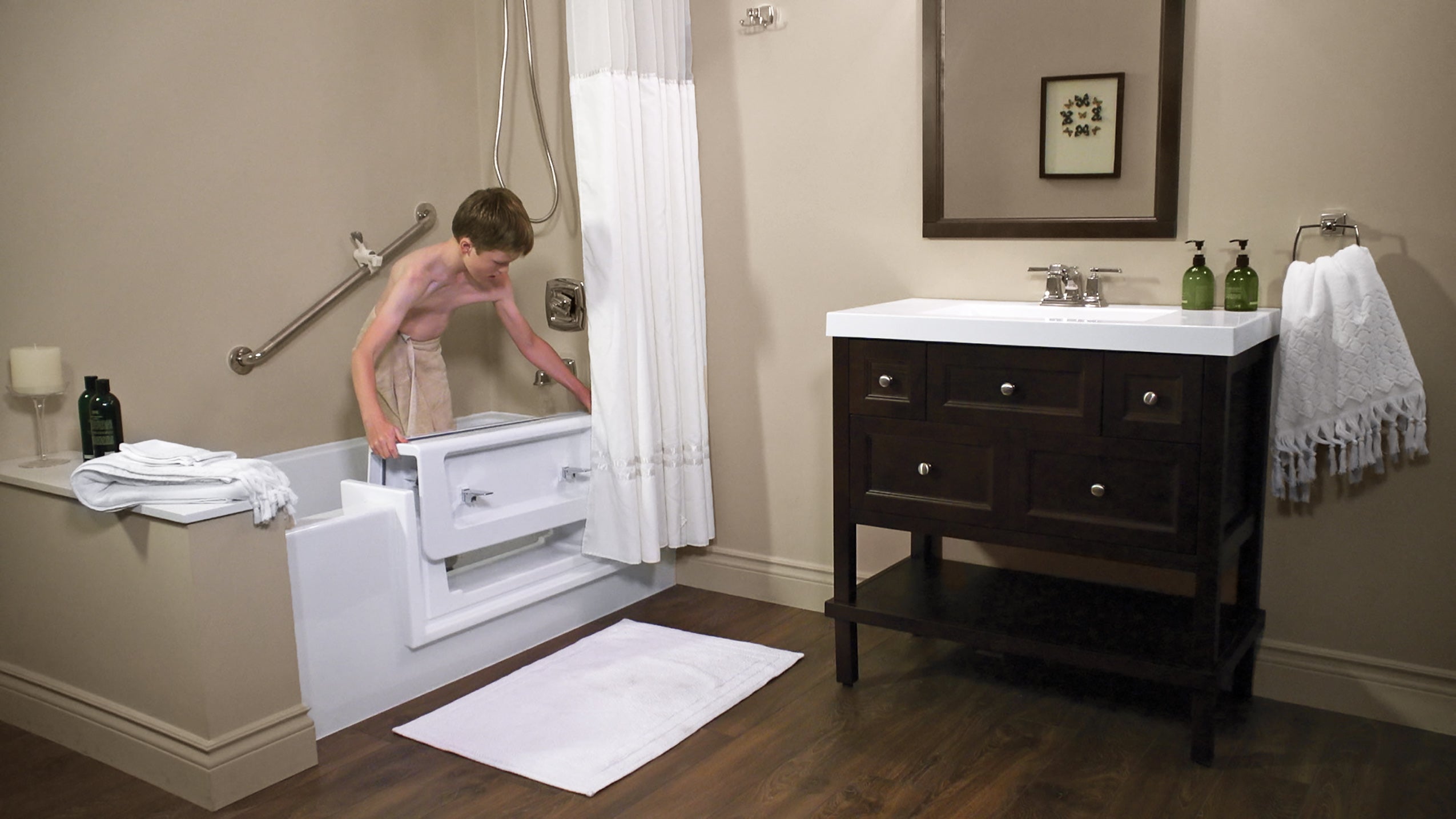
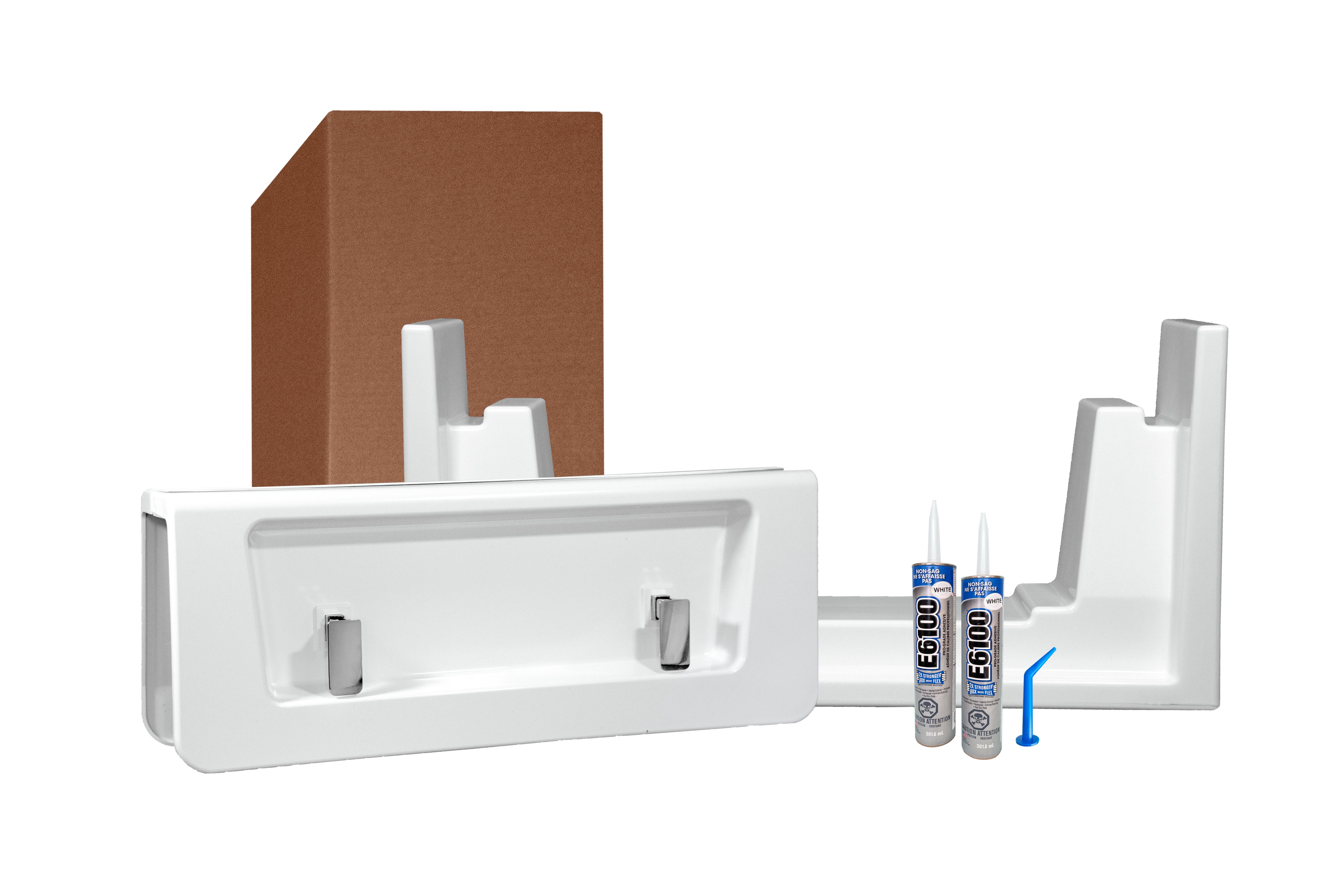
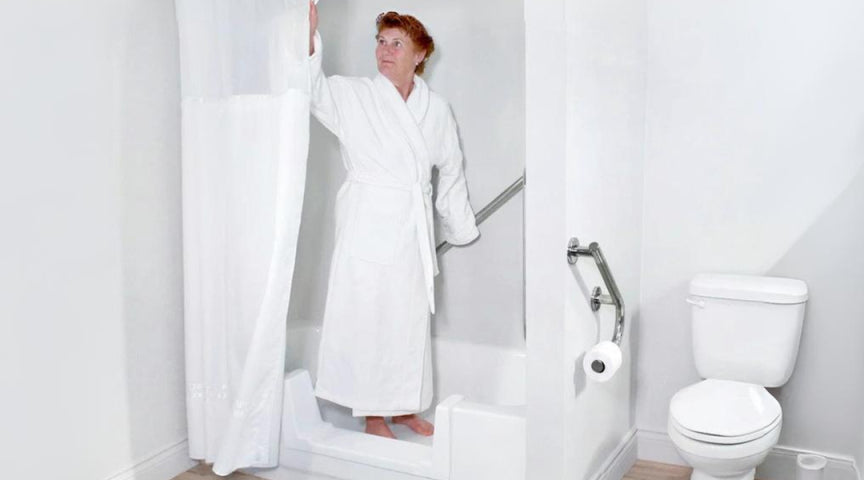
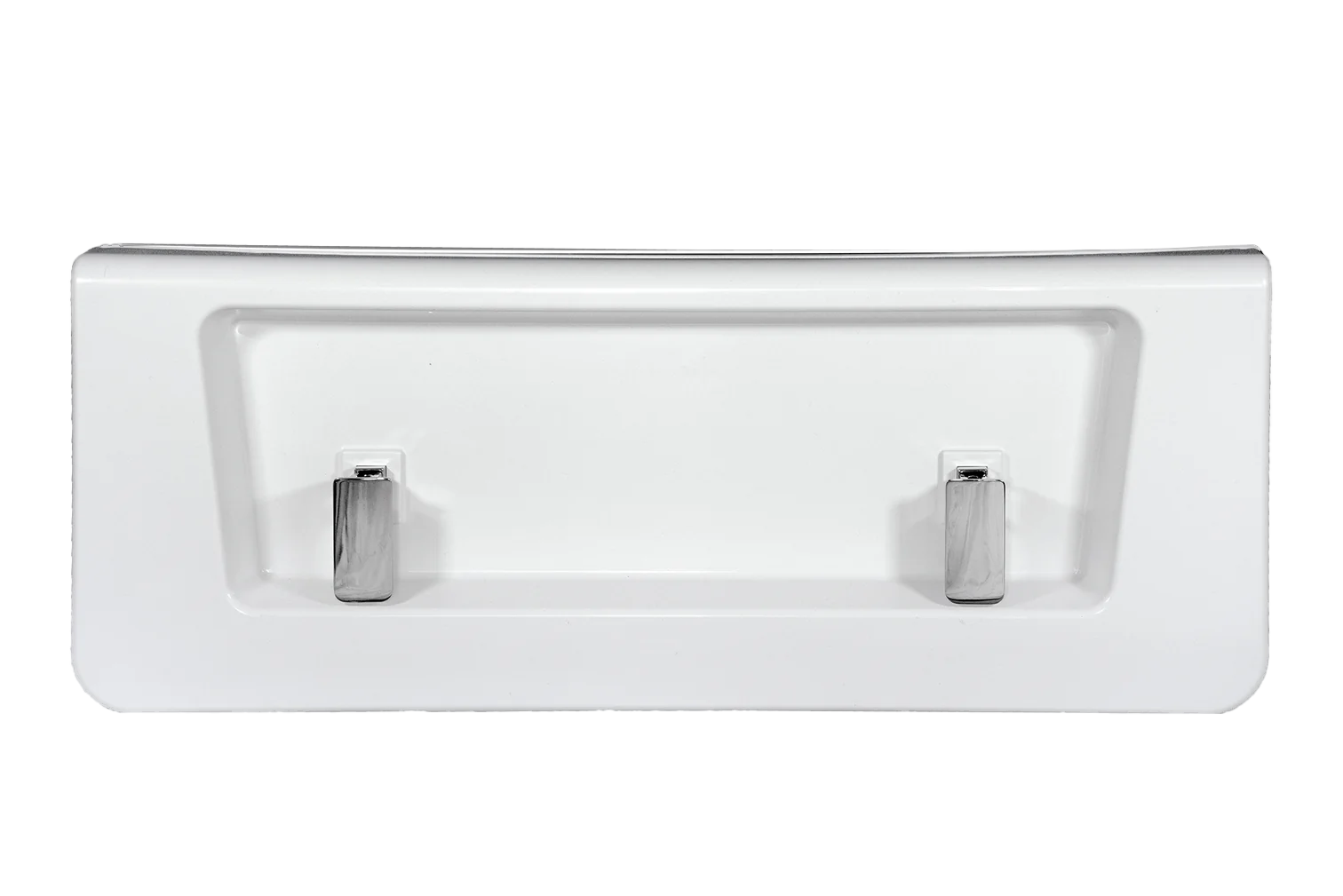
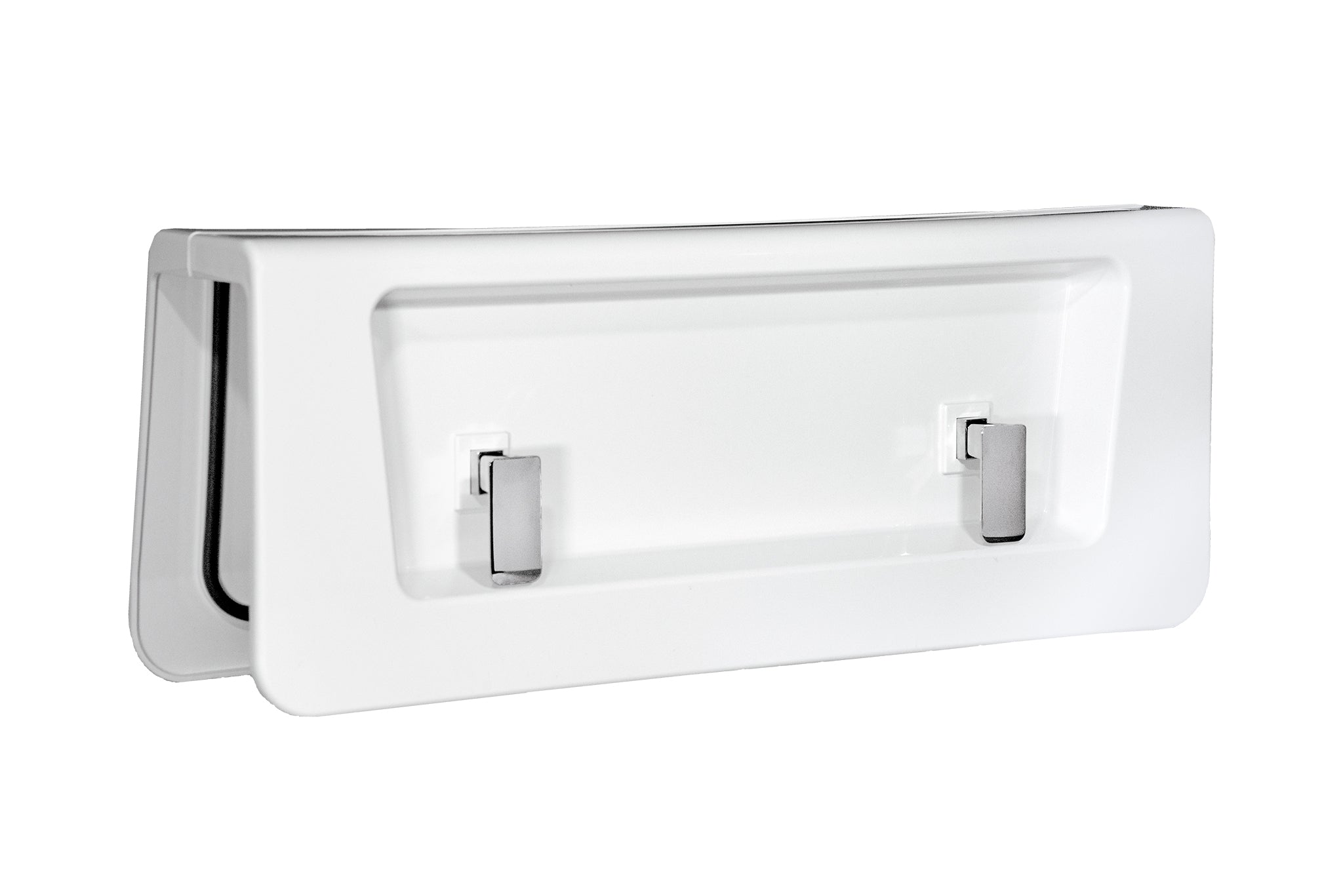
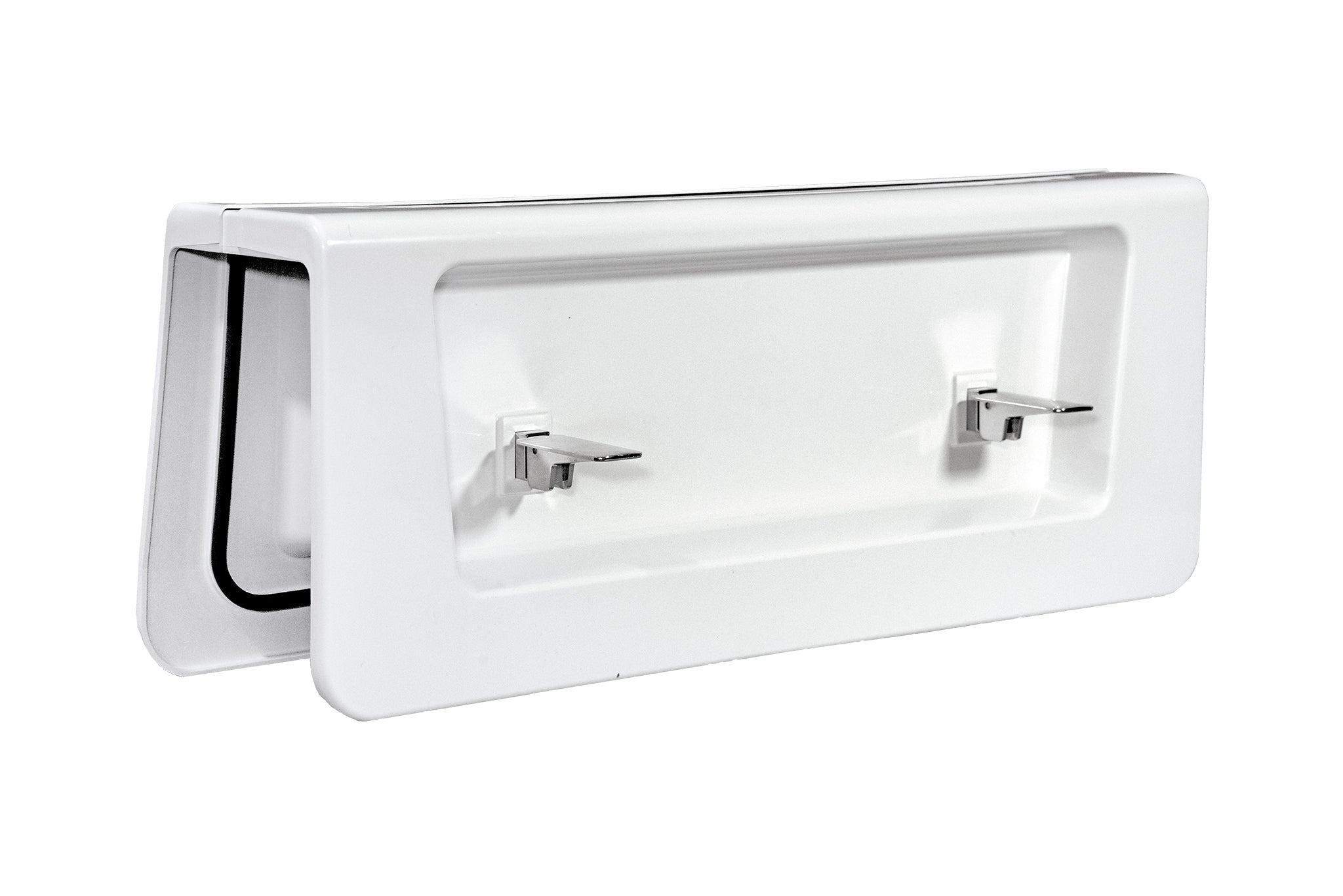
A bathtub converted to a shower can make even a small bathroom feel significantly larger without changing the room's footprint. For households that still want occasional bathing flexibility, innovative solutions such as Quick Tub's Walk-Thru Insert Kit allow homeowners to improve accessibility without a complete renovation. Quick Tub's system lowers the step-over height of an existing tub by up to 12 inches while preserving the original bathtub structure.
Pros and Cons of Converting a Tub to a Shower
Before committing to a bathroom tub-to-shower conversion, it's important to weigh both the advantages and potential drawbacks.
Benefits
-
Improved safety through lower thresholds and easier entry
-
Less cleaning compared to traditional tubs and tile surrounds
-
Better accessibility for aging-in-place homeowners
-
Lower water consumption in many households
-
More contemporary appearance
According to the CDC's Falls Prevention Resource Center, falls remain a leading cause of injury among older adults, making bathroom safety upgrades especially valuable.
Potential Drawbacks
-
Loss of soaking capability
-
Possible HOA or condo association restrictions
-
Reduced appeal to some buyers if the home's only tub is removed
When converting a tub to a shower, many real estate professionals recommend keeping at least one bathtub somewhere in the home for resale flexibility.
Does Medicare Pay for a Bathtub to Walk-in Shower Conversion?
Unfortunately, original Medicare (Parts A and B) generally does not cover a bathtub to walk-in shower conversion because it is typically classified as a home modification rather than a medically necessary treatment. However, there are several alternatives worth exploring:
-
Medicare Advantage (Part C) plans may offer supplemental home safety benefits.
-
Medicaid waiver programs in some states may provide assistance.
-
Veterans may qualify for grants through the VA Housing Assistance Program.
-
Certain medically necessary modifications may qualify as tax-deductible expenses.
-
Medicare may cover prescribed durable medical equipment such as shower chairs.
Homeowners considering a bathtub-to-shower conversion for accessibility reasons should review their benefits carefully before beginning a project.
The Tub-to-Shower Renovation Process: What to Expect
To convert a tub to walk-in shower you typically follow these steps:
-
Removal of existing tub
-
Plumbing inspection and adjustments
-
Drain modifications
-
Subfloor preparation
-
Waterproofing installation
-
Shower pan installation
-
Wall surround installation
-
Fixture and enclosure installation
Some acrylic systems can be installed within a day, while custom projects often take one to three weeks. If your goal is simply to change your tub to a shower access without a full renovation, specialized conversion systems may significantly reduce project time and disruption.
Why Work With a Specialized Tub-to-Shower Conversion Provider?
While many general remodeling contractors offer bathroom renovations, a specialist like Quick Tub® who focuses on tub-to-shower conversions and bathroom accessibility can often deliver a smoother, safer and more cost-effective experience.
Expertise in Conversion-Specific Challenges
Unlike a standard bathroom remodel, a bathtub-to-shower conversion involves unique technical considerations, including drain sizing, waterproofing, floor slope and accessibility requirements. Experienced conversion specialists handle these projects regularly and are more likely to identify issues before they become costly repairs.
Faster Installation Times
Because conversion providers work with proven systems and streamlined processes, many projects can be completed significantly faster than a custom bathroom remodel. This minimizes disruption to your household and reduces labor costs.
Better Accessibility Solutions
Homeowners planning to age in place often choose specialists because they understand ADA-inspired design principles, low-threshold entries, grab bar placement, seating options and other accessibility features. This expertise is especially valuable when planning a bathtub to walk-in shower conversion.
Lower Risk of Costly Mistakes
Common conversion issues, such as failing to upgrade a 1.5-inch tub drain to a 2-inch shower drain, improper waterproofing or incorrect shower pan installation, can lead to leaks, mold and expensive repairs. Specialized providers are familiar with these challenges and typically have established installation standards to help prevent them.
Access to Purpose-Built Products
Specialized companies often offer products specifically designed for accessibility and conversion projects. For example, Quick Tub® Full Tub-to-Shower Conversion Kit allows homeowners to improve safety and accessibility without the cost and disruption of a full remodel, making them an attractive alternative for some households.
Stronger Long-Term Value
A professionally executed bath-to-shower conversion can improve daily usability, enhance safety and modernize the bathroom while helping protect the home's value. Working with a provider that specializes in these projects can increase the likelihood of a durable, code-compliant installation.
5 Common Problems with Tub-to-Shower Conversions (And How to Avoid Them)
Not all bathtub-to-shower conversions are created equal. Poor planning can lead to expensive repairs later.
-
Incorrect drain size: This is one of the biggest plumbing mistakes. Most bathtubs use a 1.5-inch drain, while modern shower installations typically require a 2-inch drain to handle water flow efficiently. Failure to upgrade can result in slow drainage and overflow risks.
-
Improper waterproofing: A quality bathtub conversion to a shower requires proper waterproofing systems, such as Schluter Kerdi membranes, cement backer board or waterproof shower pans. Skipping these steps can cause mold growth and structural damage.
-
Poor shower pan slope: An improperly sloped shower floor can leave standing water and accelerate deterioration.
-
Double-trapping plumbing: DIY remodelers sometimes accidentally create two P-traps in the same drain line, leading to drainage issues and code violations.
-
Inadequate ventilation: Without proper ventilation, excess moisture can damage drywall, paint and framing over time.
Why Choosing the Right Tub-to-Shower Conversion Provider Matters
A tub-to-shower conversion can improve safety, accessibility and everyday convenience while giving your bathroom a more modern look. By working with a specialized provider, homeowners can benefit from expert installation, faster project timelines and solutions tailored to their specific needs.
No matter your goals, partnering with an experienced conversion specialist like Quick Tub® can help ensure a durable, functional solution that enhances comfort, safety and long-term value.
FAQs - Frequently Asked Questions
Will Medicare pay to convert a tub to shower?
Original Medicare usually does not cover these projects, but Medicare Advantage plans, Medicaid programs and VA grants may offer assistance depending on eligibility.
How much does it cost to swap a bathtub for a shower?
The cost to swap a bathtub for a shower typically ranges from $3,000 to $15,000 or more. Basic prefabricated shower installations may cost as little as $1,500 to $4,000, while custom tile showers with upgraded features, glass enclosures and plumbing changes can exceed $15,000. Factors such as drain relocation, waterproofing and accessibility upgrades can also affect the total cost.

Share:
What Makes a Reliable Home Modification Partner for Grant-Funded Programs?
Using CDBG Funds for Bathroom Accessibility Retrofits: A Step-by-Step Guide for Housing Agencies