
The bathroom is the most dangerous room in the home. According to the CDC, approximately 235,000 people are injured in bathroom falls each year. And studies show that more than a third of seniors over 65 slip and fall annually, with 80% of those falls occurring in the bathroom. For housing authorities, nonprofits and home modification contractors working to keep vulnerable residents safe and independent, those numbers represent a real and preventable problem.
The challenge is finding solutions that are fast to implement, affordable at scale and genuinely effective, without triggering a full renovation timeline or budget. That's exactly the gap the Quick Tub® conversion system was designed to fill.
Options For Safe Bathroom Design Ideas
When evaluating safe bathroom design ideas for a client, a resident or a multi-unit housing project, the options fall into three broad categories, each with meaningfully different cost, time and disruption profiles.
-
Full bathroom remodel
Installing a walk-in shower from scratch typically requires removing the existing tub, repositioning plumbing, retiling and rebuilding walls. Costs routinely run $5,000-$15,000+, depending on scope, and projects can take days or weeks to complete. For a single high-need client, this may be appropriate. For a program managing dozens of units, it's rarely practical.
-
Walk-in tubs
Purpose-built, walk-in tubs eliminate the step-over problem but introduce new ones. Installation costs often exceed $10,000 and the user must enter the tub before filling it and exit after draining it (a significant time and temperature issue for older adults). Moreover, the tub itself is a permanent fixture that limits future flexibility.
-
Tub conversion systems
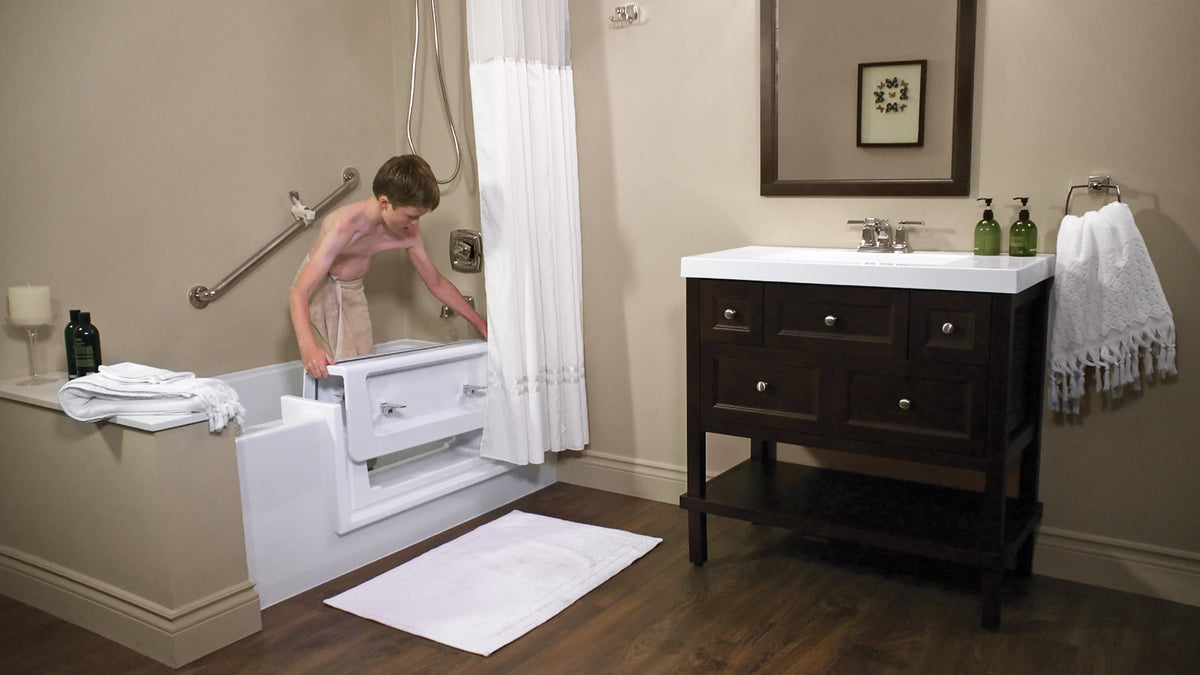
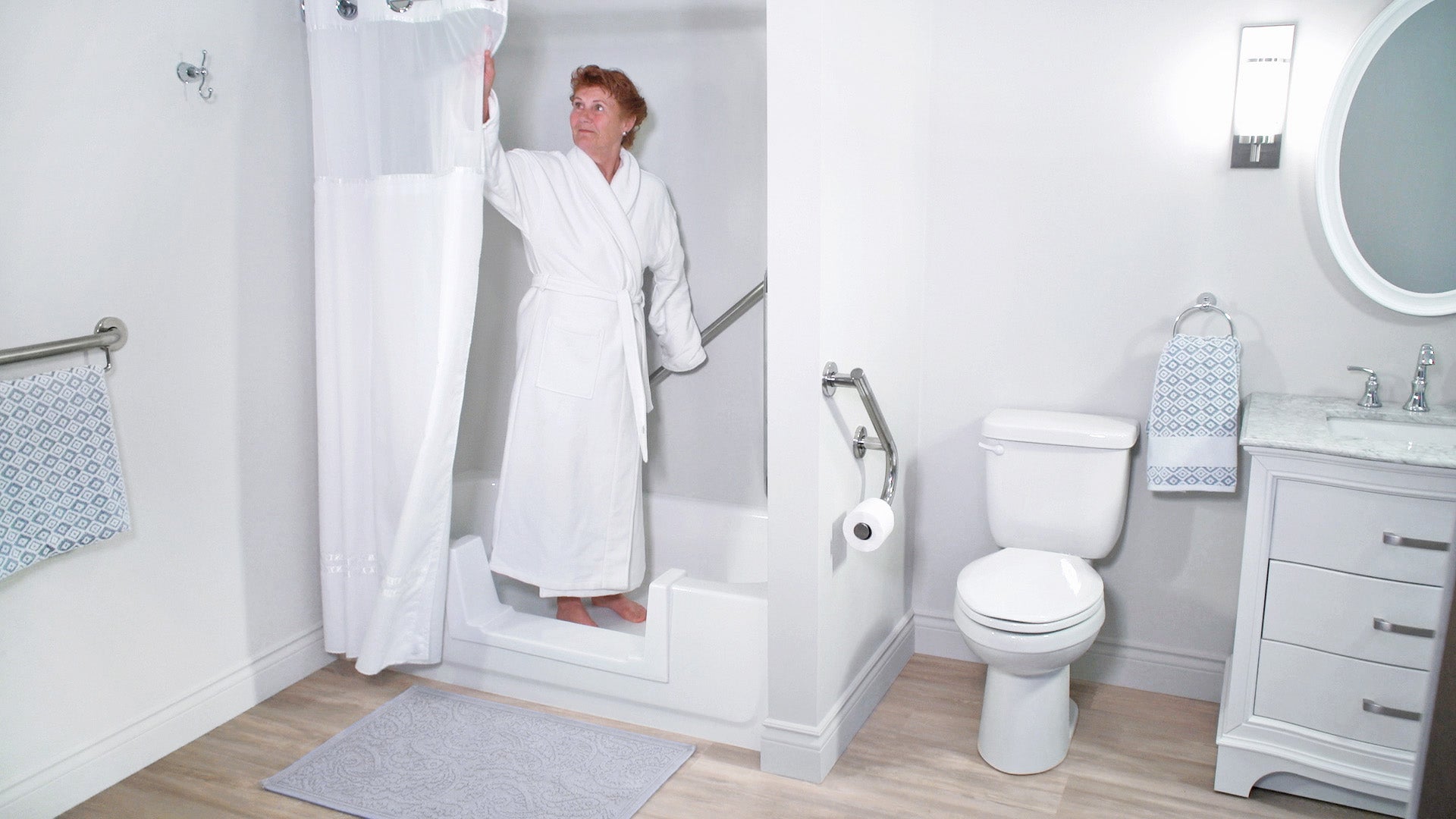
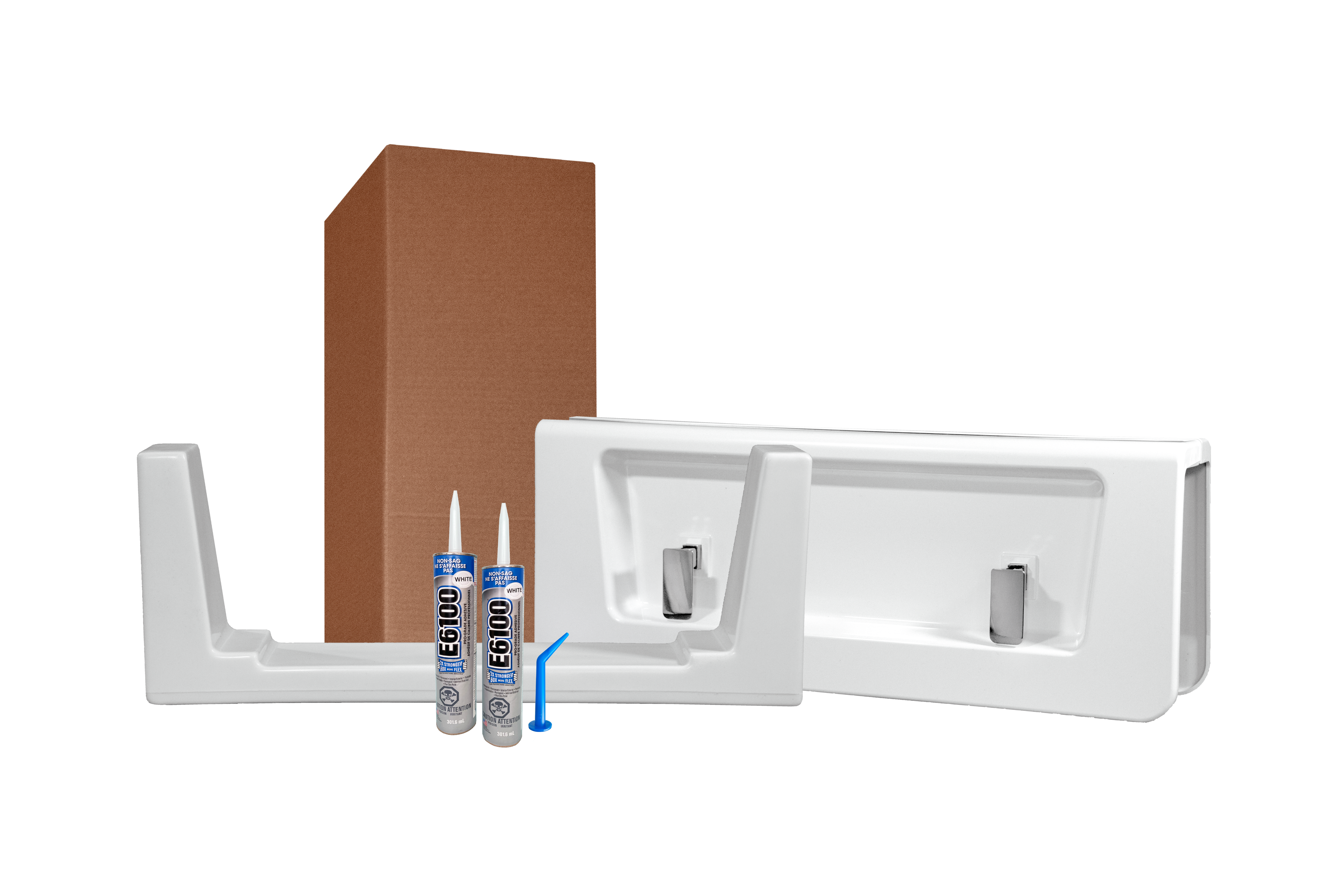
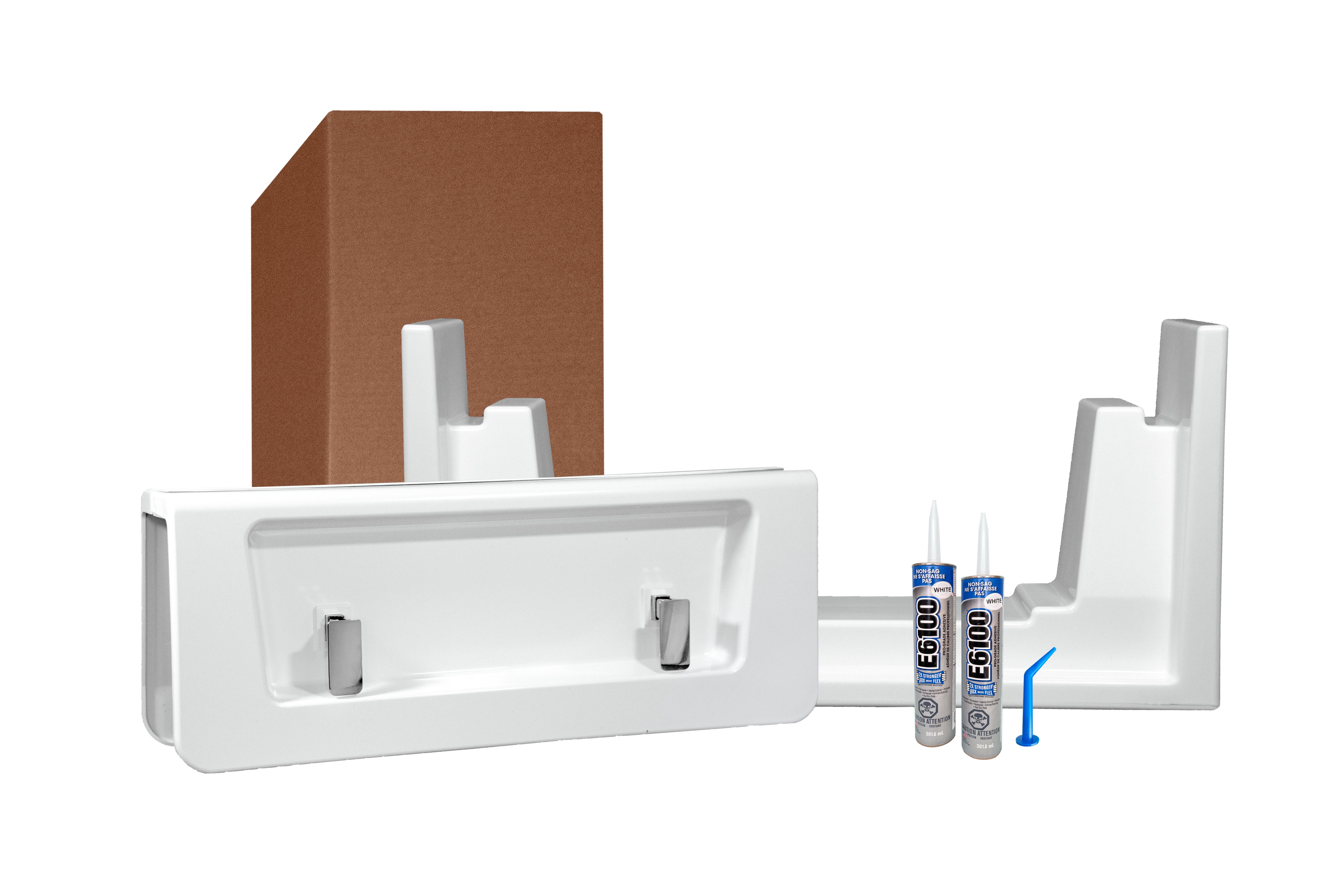
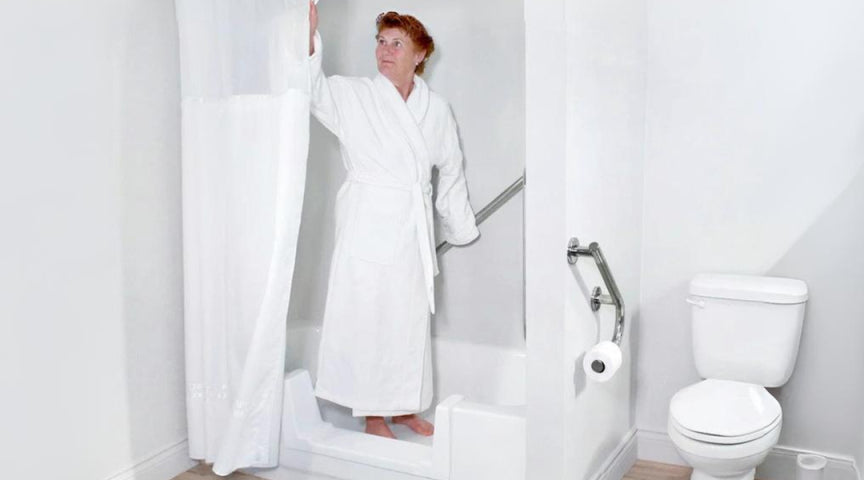
Products like the Quick Tub® Walk-Thru Insert and the Quick Tub® Full Convertible Kit represent the middle path. They convert an existing standard bathtub into a step-in shower by creating a precisely cut, low-threshold opening in the tub wall, eliminating the high step-over without removing the tub, relocating plumbing or retiling the bathroom. Kits start at $340, installation takes a few hours and the existing tub structure remains fully intact.
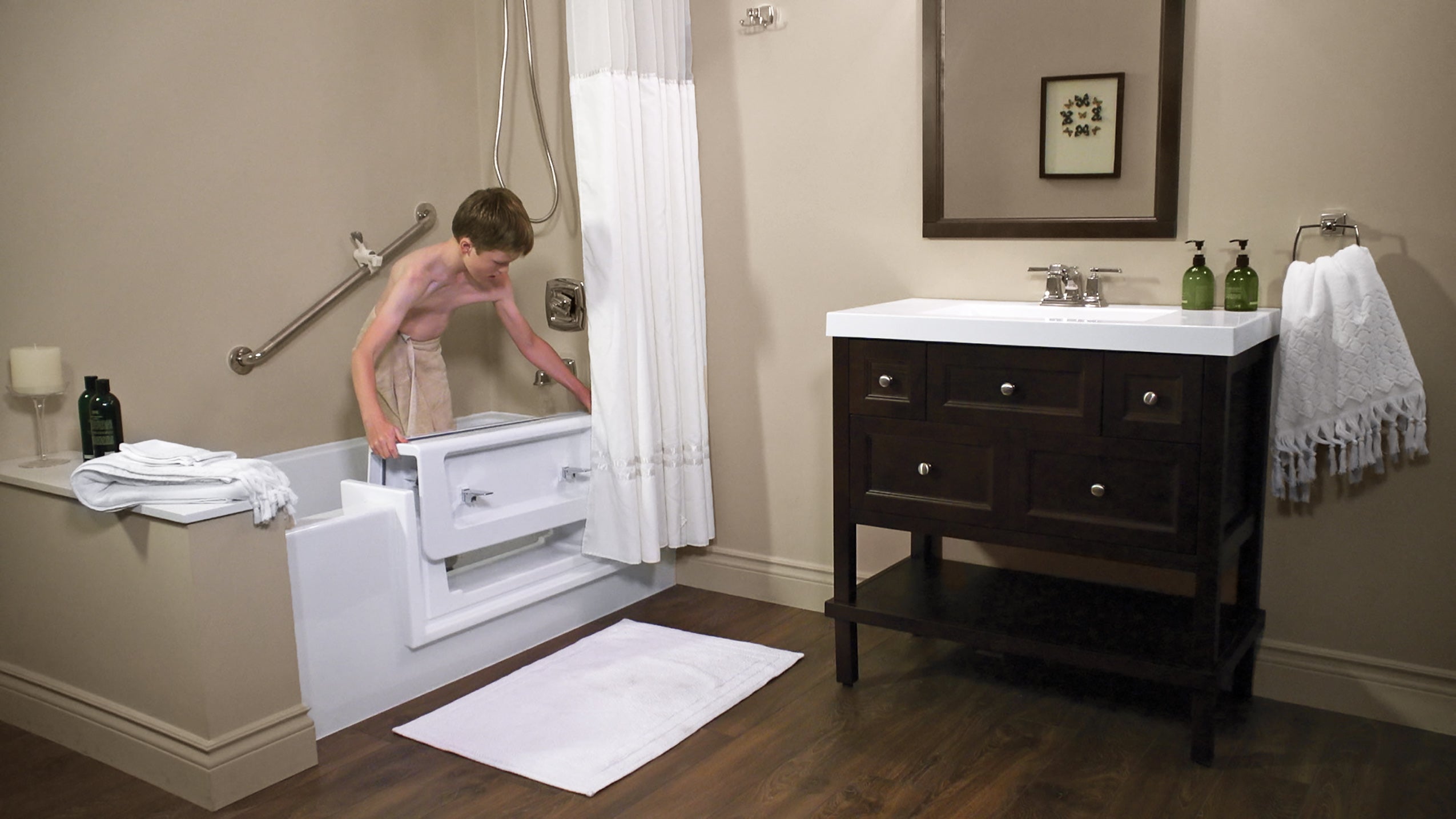
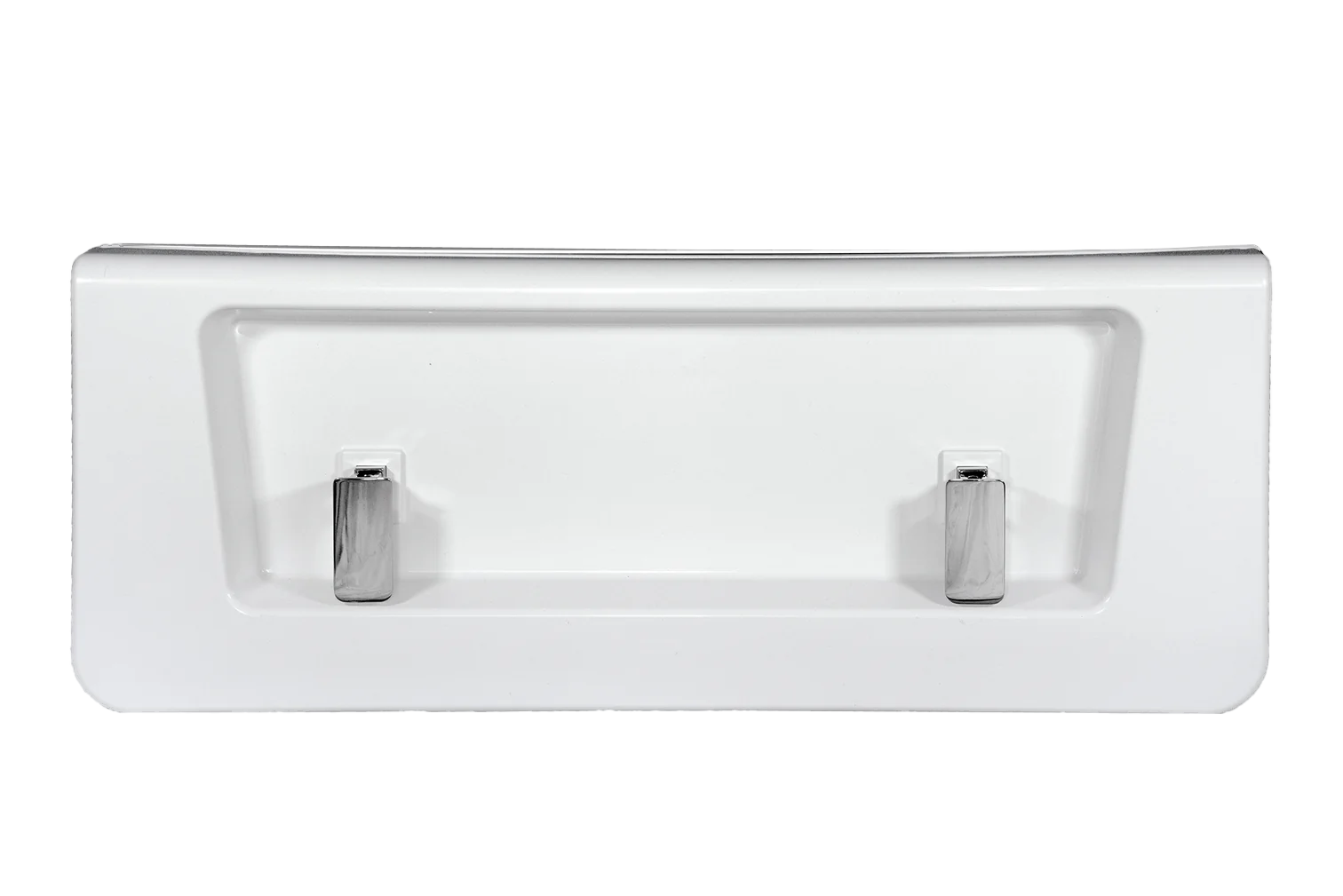
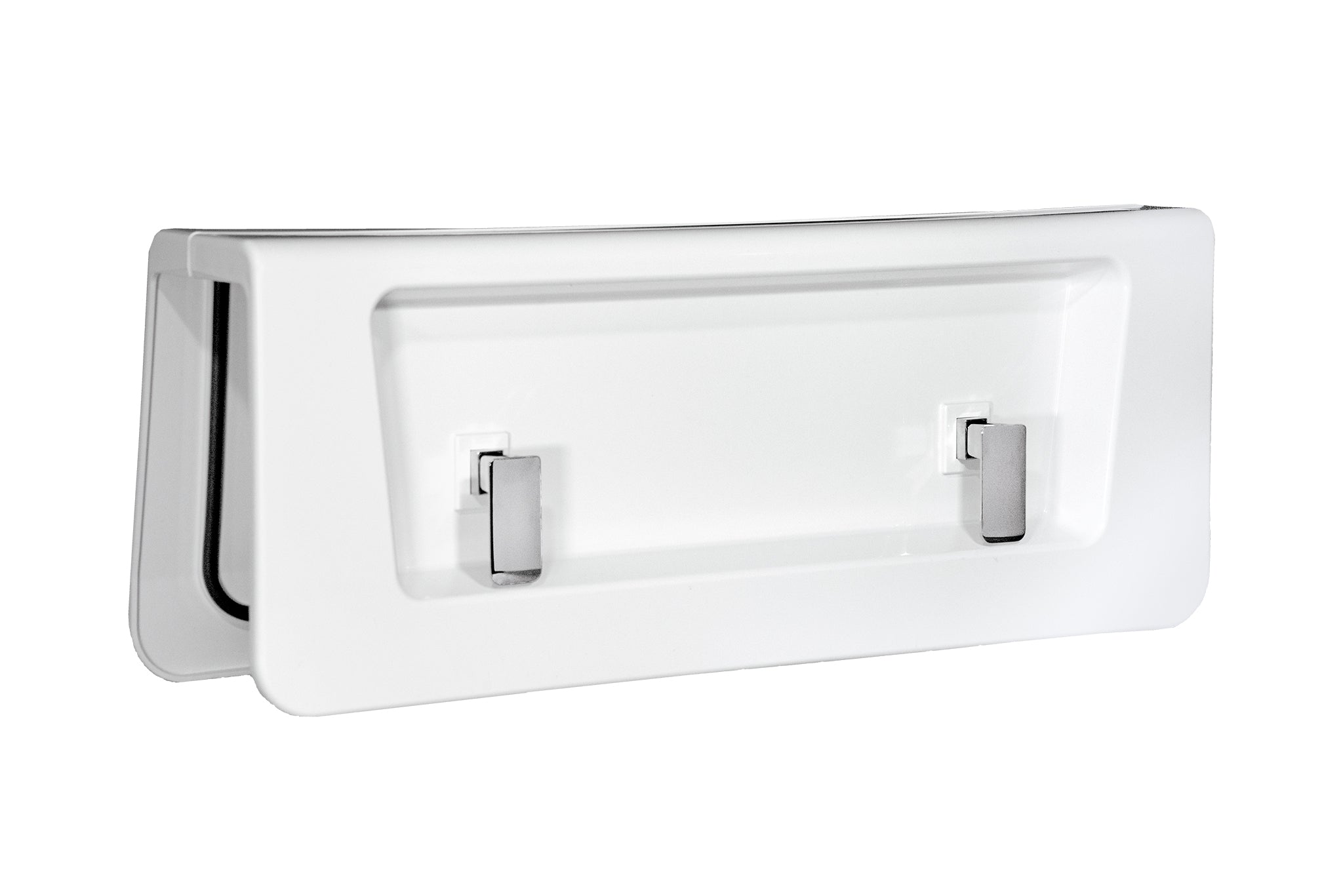
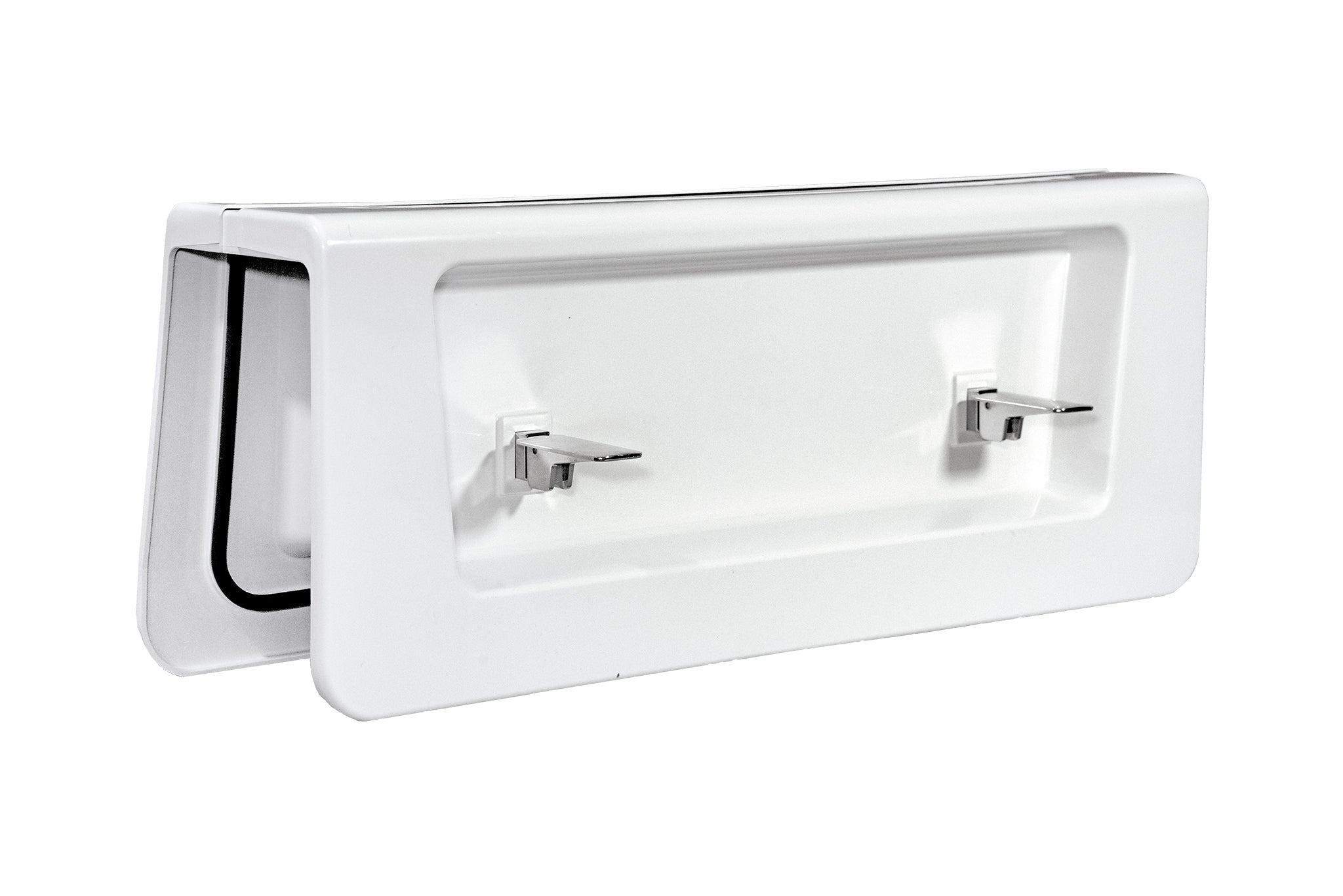
The reversibility factor is particularly important for housing programs. The patented Quick Tub® Cap allows the converted step-in opening to be sealed in seconds, restoring full bathtub functionality whenever needed. This is valuable for a new resident, for young children in the household or for resale purposes. No other modification in this category offers that flexibility.
The Quick Tub® Conversion System For More Bathroom Safety & Accessibility
The Quick Tub system is built around the core principle of a safe and accessible bathroom without major renovation. Here's how the process works in practice:
Step 1: Select the right kit. Quick Tub offers Narrow, Wide and Extra-Deep insert sizes to fit the range of standard tub dimensions. A straightforward measuring guide is available on the site to confirm the right fit before ordering.
Step 2: Prepare the tub. Each kit includes a precision cutting template that marks the exact removal area on the tub wall. The cut is made using a standard oscillating tool, compatible with cast iron, acrylic and fiberglass tubs.
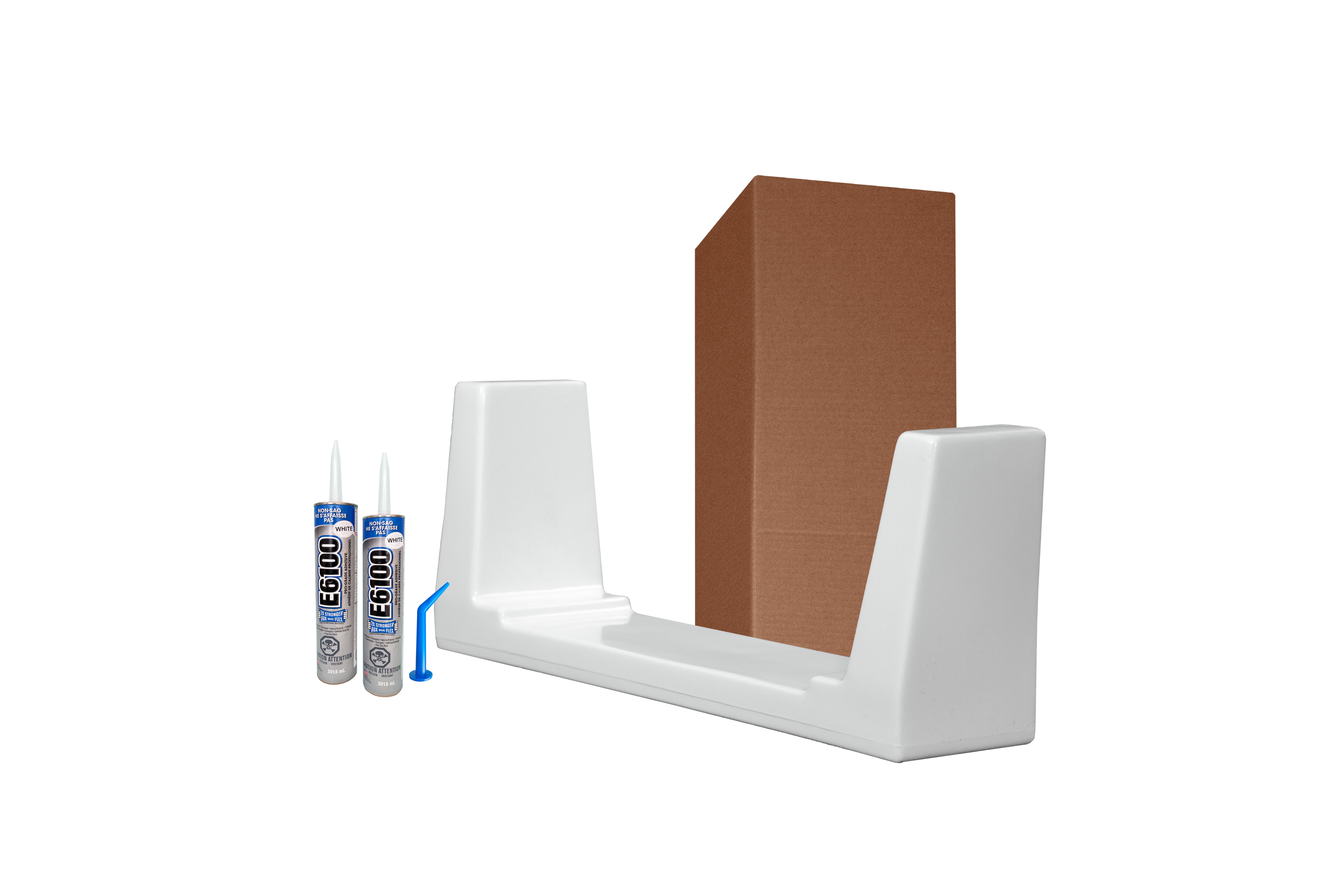
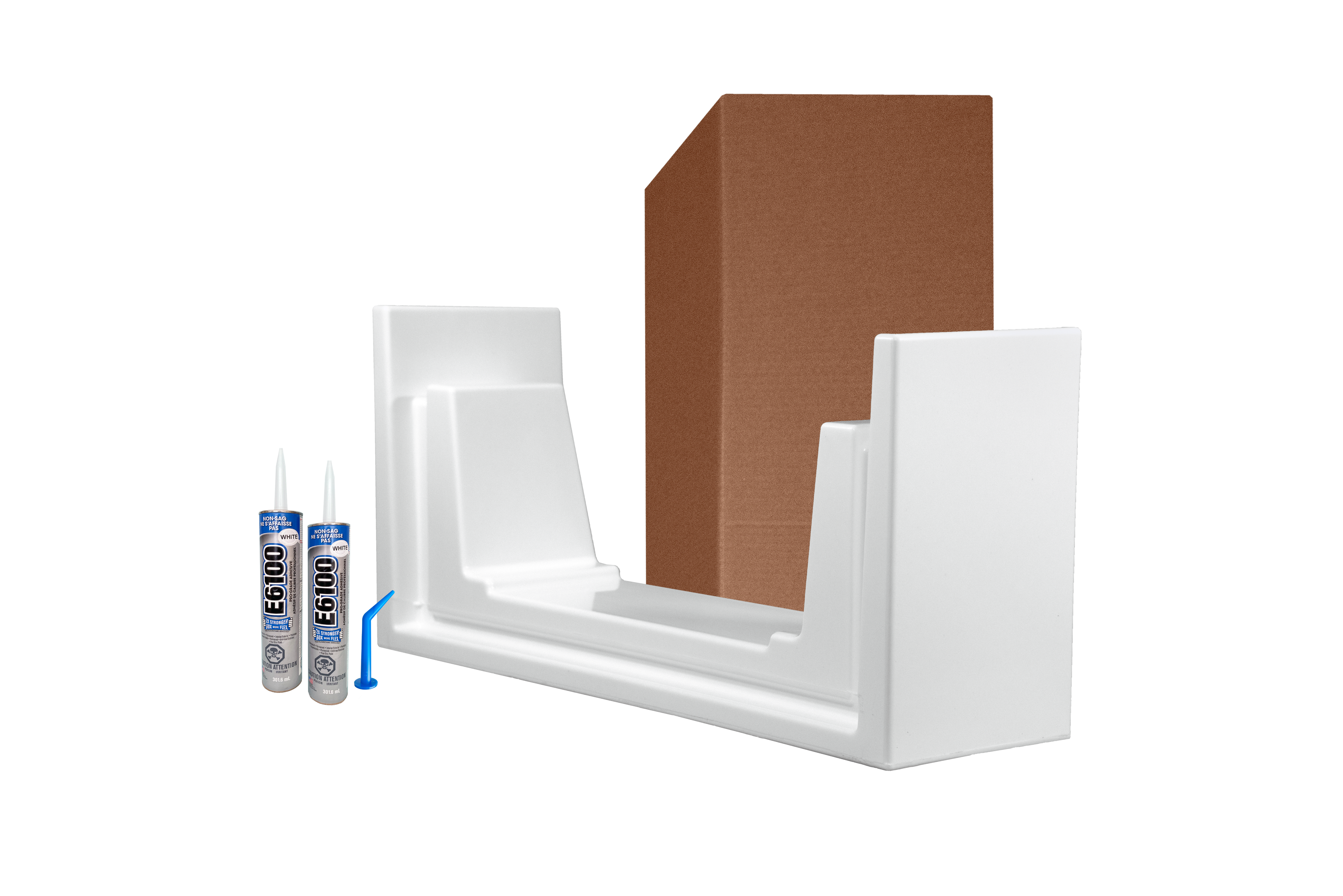
Step 3: Install the Walk-Thru Insert. The pre-formed insert is secured into the opening using the included adhesive, lowering the tub side wall by approximately 9-12 inches to create a safe, low-threshold step-in entry. The smooth surface design makes the insert easy to clean and maintain long-term.
Step 4: Add the Cap if bathing flexibility is needed. For clients who want the option to restore full tub function, the Quick Tub® Cap drops into place in seconds with no installation required and stores out of the way when not in use.
The full installation can be completed by a professional installer or as a DIY project, with printed instructions and video guides included in every kit. For nonprofit organizations and housing programs managing multiple units, Quick Tub also offers bulk order options designed for multi-unit projects.
Who Benefits Most from Quick Tub?
The practical applications for bathroom safety programs are broad:
-
Seniors aging in place: For older adults who want to remain in their homes, eliminating the tub step-over is often the single highest-impact bath modification available. Quick Tub provides that access without requiring a resident to vacate their home or wait weeks for a remodel.
-
Post-surgery recovery: Individuals recovering from hip or knee surgery often have strict weight-bearing and range-of-motion restrictions that make standard tub entry genuinely unsafe. A step-in conversion provides immediate access to bathing during the recovery window.
-
Caregivers: Lower tub entry makes assisted bathing significantly safer and less physically demanding for caregivers, reducing injury risk on both sides of the interaction.
-
Nonprofits and housing authorities: For organizations managing accessibility improvements across multiple properties with limited grant funding, Quick Tub's cost profile allows programs to help more residents with the same budget.
Essential Bath Safety Tips to Pair with Your Tub Conversion
A tub conversion addresses the highest-risk bathroom safety issue (the step-over entry), but a comprehensive shower safe environment requires a few additional layers. Here are the core bath safety tips to implement alongside any tub modification:
-
Install ADA-compliant grab bars: Grab bars placed inside the tub and at the entry point provide critical support for getting in, out and moving while bathing. They should be screw-mounted into wall studs or with appropriate anchoring hardware; towel bars are not a substitute.
-
Apply non-slip surfaces inside the tub: Non-slip mats or adhesive strips on the tub floor significantly reduce sliding risk for the elderly and increase tub safety once inside. Replace mats that show wear, as suction cups lose grip on aging surfaces.
-
Add a handheld showerhead: A handheld shower nozzle allows bathing from a seated position (essential for residents using shower seats or transfer benches) and eliminates the need to maneuver around a fixed spray head.
-
Use a shower seat or transfer bench. For seniors or post-surgery clients with limited standing endurance, a stable shower chair or transfer bench provides a safe resting position during bathing without requiring shower reentry from the floor.
-
Ensure adequate lighting. Poor lighting contributes to fall risk before a person even reaches the tub. Motion-activated or always-on lighting near the bathroom entrance and inside the bathroom reduces risk at transition points.
-
Consider a curved shower rod. A curved rod expands usable space inside the shower area, reducing the risk of a person losing balance while trying to manage a curtain at close range.
Take the Next Step Toward Independent Living
Improving safety in the bathroom doesn't require tearing out the bathroom. It requires the right solution, implemented efficiently, with the needs of the actual resident at the center of the decision.
The Quick Tub® conversion system gives housing programs, contractors and families a fast, reversible and genuinely affordable path to senior bathroom safety, without the cost, disruption or permanence of a full renovation.
FAQs - Frequently Asked Questions
What are bathroom safety tips for seniors?
Start with the highest-risk point — the tub entry. A conversion kit like Quick Tub eliminates the step-over barrier without a full remodel. Add ADA-compliant grab bars inside and outside the tub, non-slip mats on the tub floor, a handheld showerhead and adequate lighting. These changes address the most common effective senior bathroom safety measures and require no structural work.
How do you renovate a bathroom on a tight budget?
Focus on modifications that work with your existing bathroom rather than replacing it. A Quick Tub® Walk-Thru Insert starts at $340, installs in a few hours and removes the highest-risk element — the tub step-over — without touching plumbing or tile. Grab bars and non-slip surfaces add meaningful shower safety at minimal additional cost.
What should you avoid when renovating a bathroom for safety?
Don't use towel bars as grab bar substitutes; they're not load-bearing and can fail under pressure. Avoid permanent modifications before confirming long-term resident needs, and don't treat surface additions like mats alone as a complete bathroom protection solution. Reversibility matters, too. Systems like Quick Tub preserve full tub functionality, protecting both the resident and the property's resale value.

Share:
Partnering With Home Modification Providers: What Nonprofits Should Look For
How Quick Tub Supports Compliance for ADA, Fair Housing and Aging-in-Place Programs