
For many homeowners, bathroom remodeling feels like a luxury. But for seniors, individuals with mobility challenges and low-income households, it’s not optional, but urgent. A simple tub-to-shower upgrade can be the difference between living independently and facing a serious injury at home.
Traditional bathtubs are one of the biggest hidden hazards in any home. High step-overs, slippery surfaces and tight spaces create daily risks. The solution? A fast, targeted tub-to-shower conversion in the bathroom that immediately improves safety, accessibility and peace of mind, without the need for a full renovation.
If you or someone you care for is struggling with an unsafe bathroom, this guide will show you exactly what to do next and how to afford it.
What Does It Mean to Retrofit Your House?
Retrofitting should be about upgrading for life. Because when you retrofit your home, you’re making smart, focused changes that allow you to stay safe, mobile and independent. In the bathroom, that often starts with eliminating the biggest risk: the tub.
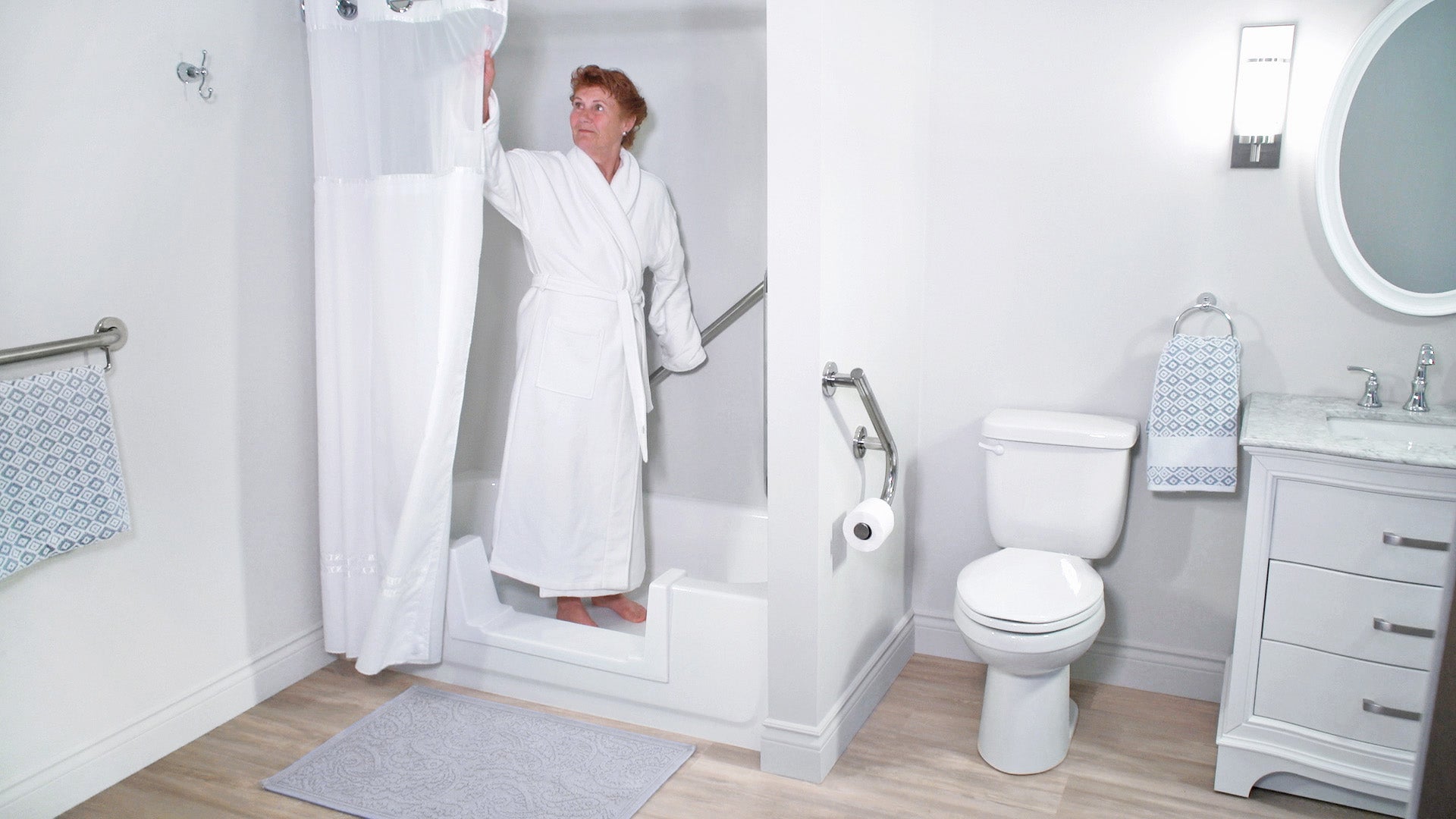
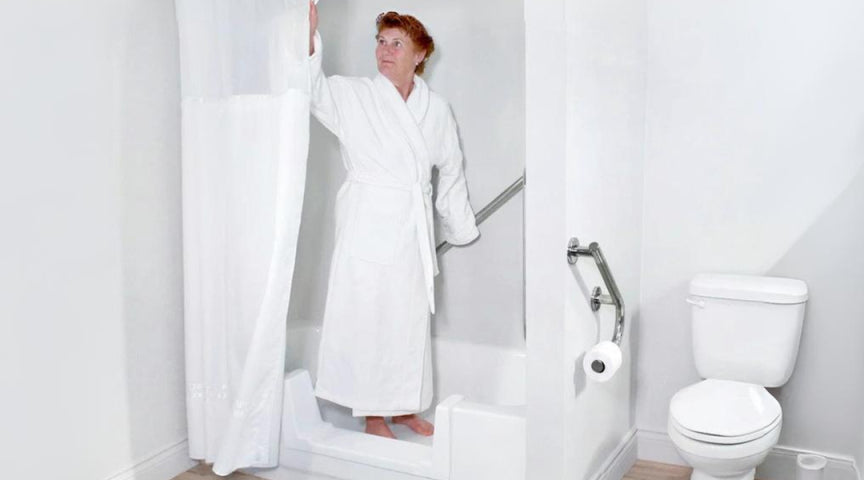
A bathtub-to-shower conversion is one of the most effective upgrades you can make. Instead of climbing over a high wall, you step directly into a safer, more accessible space. A proper retrofit may include:
- Secure grab bars for stability
- Slip-resistant surfaces for traction
- Improved lighting for visibility
- A full tub-to-shower conversion to eliminate dangerous barriers
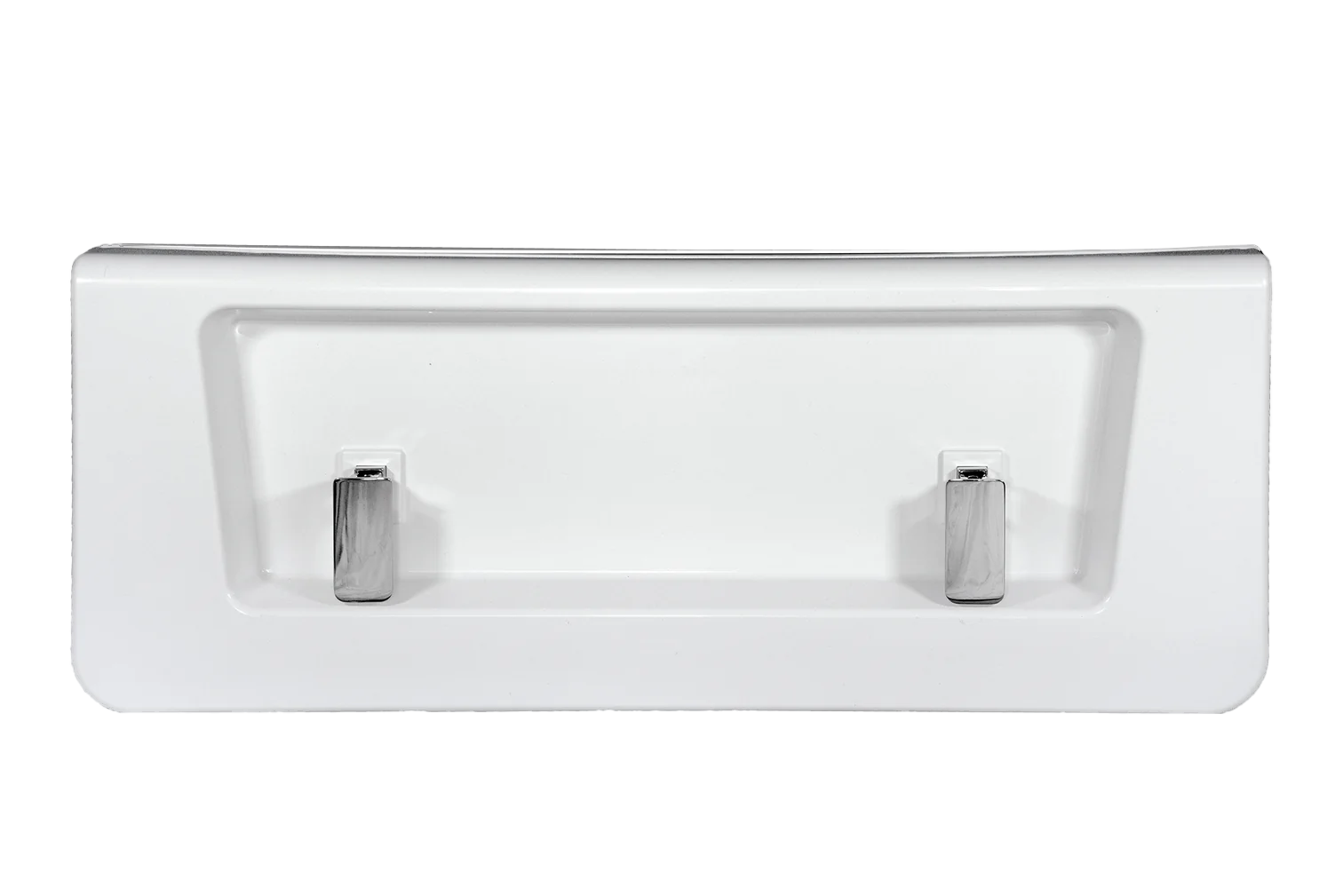
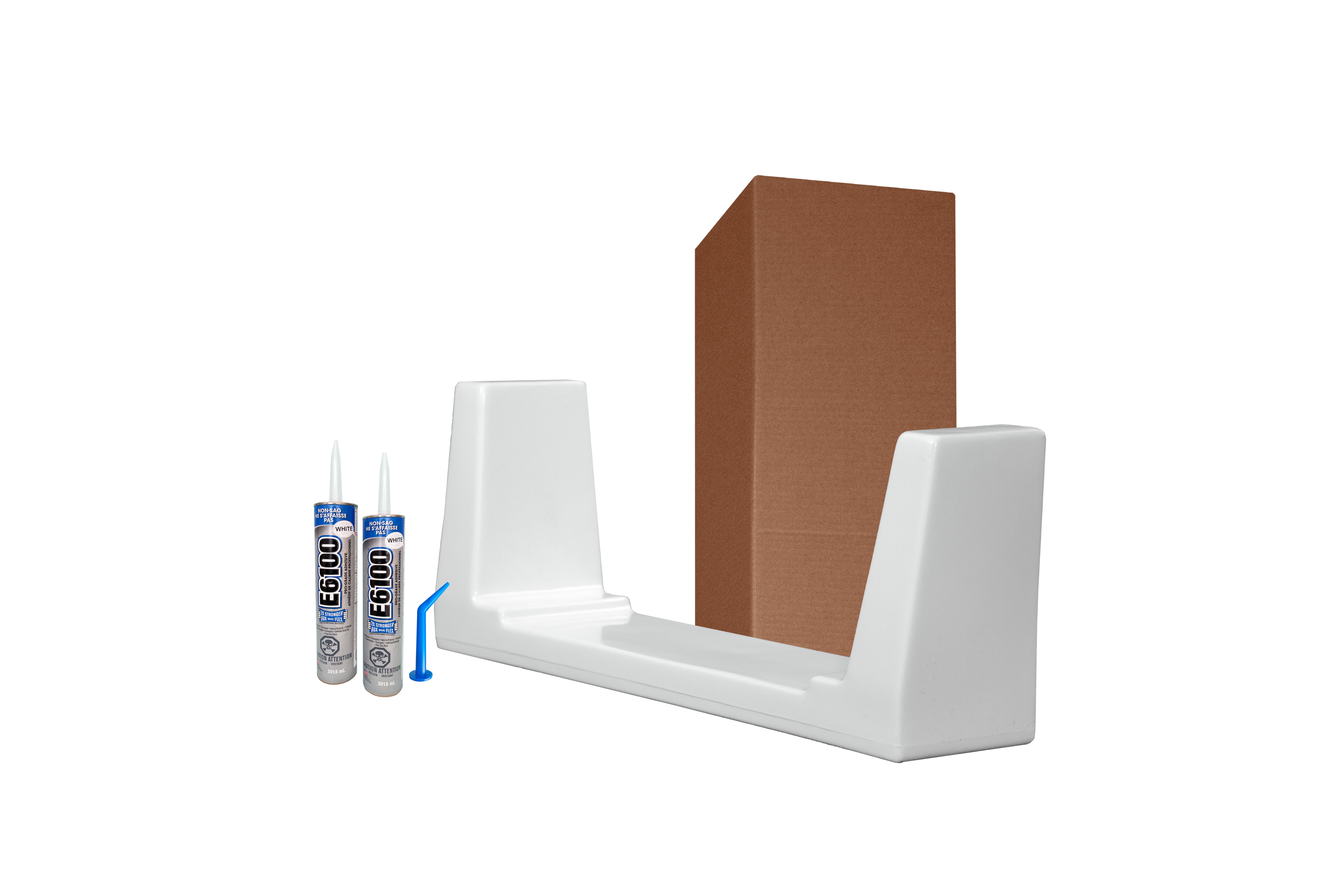
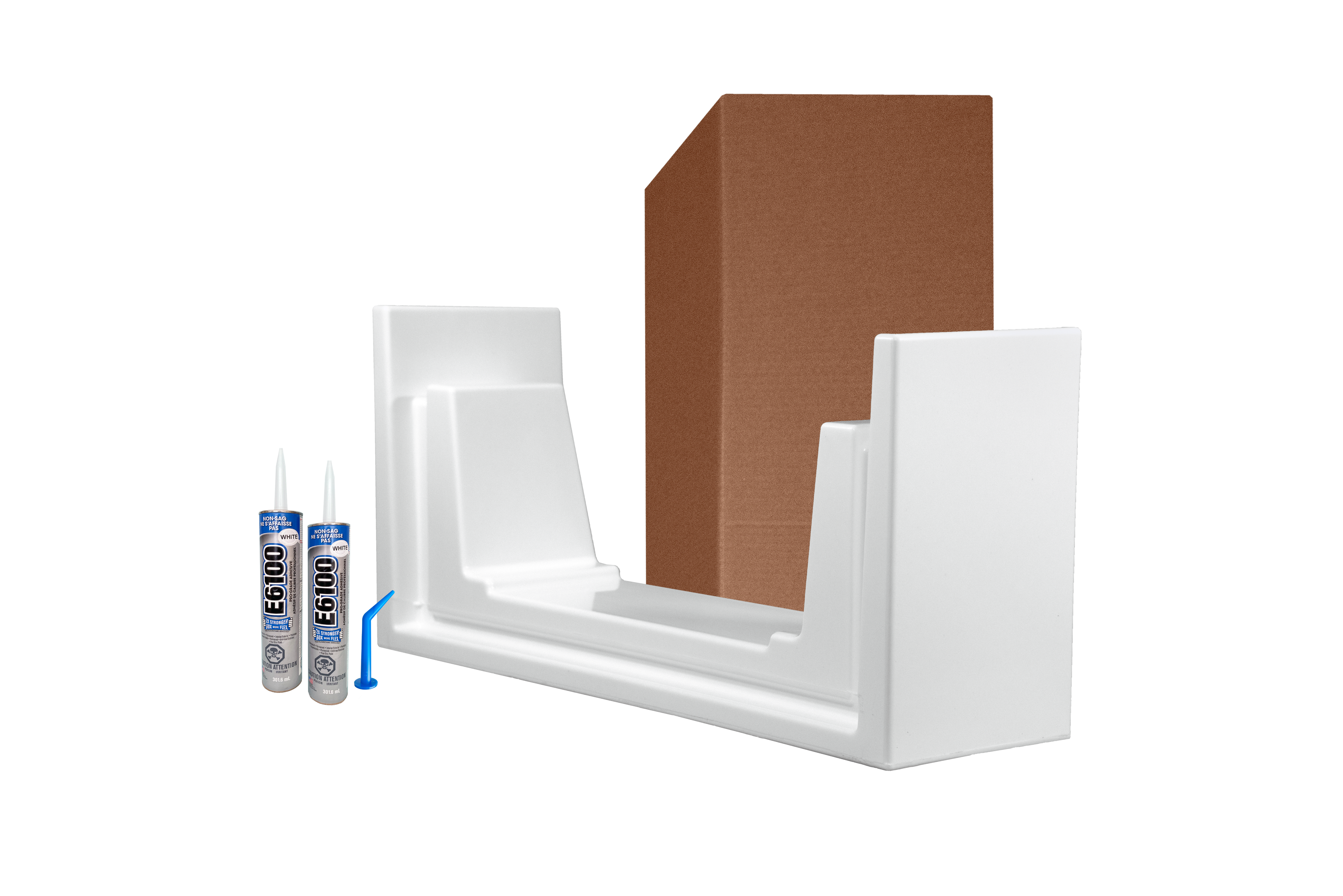
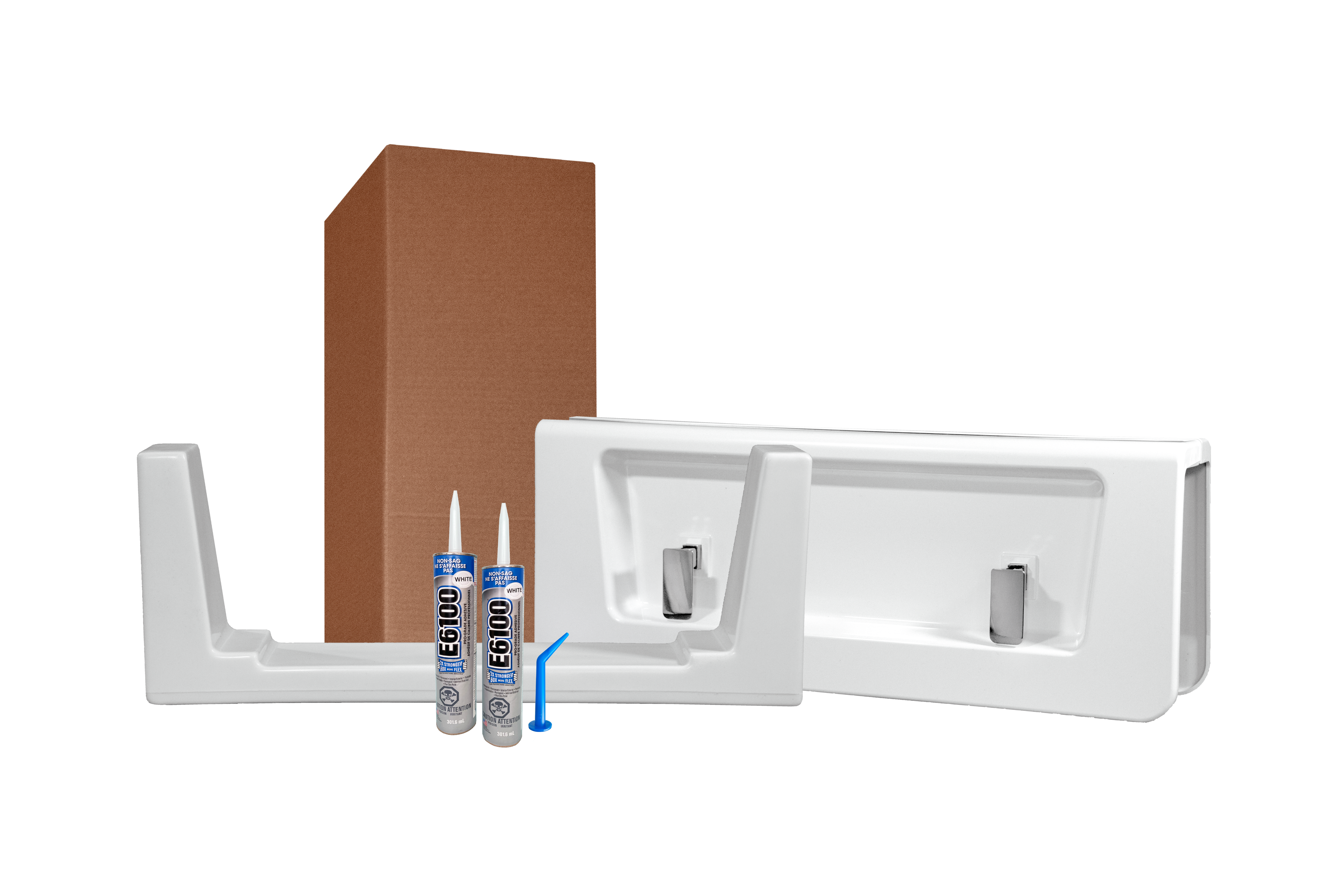
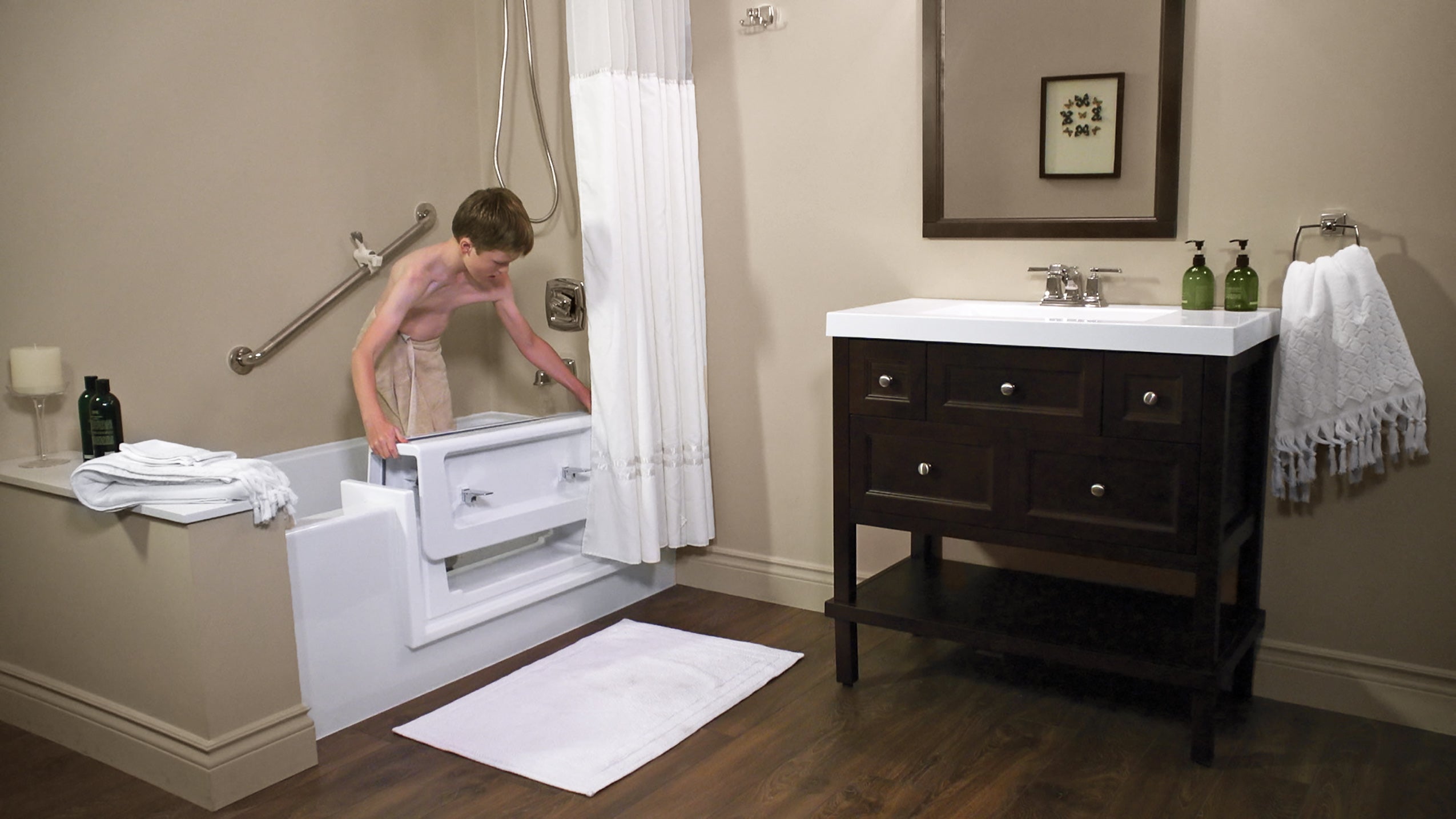
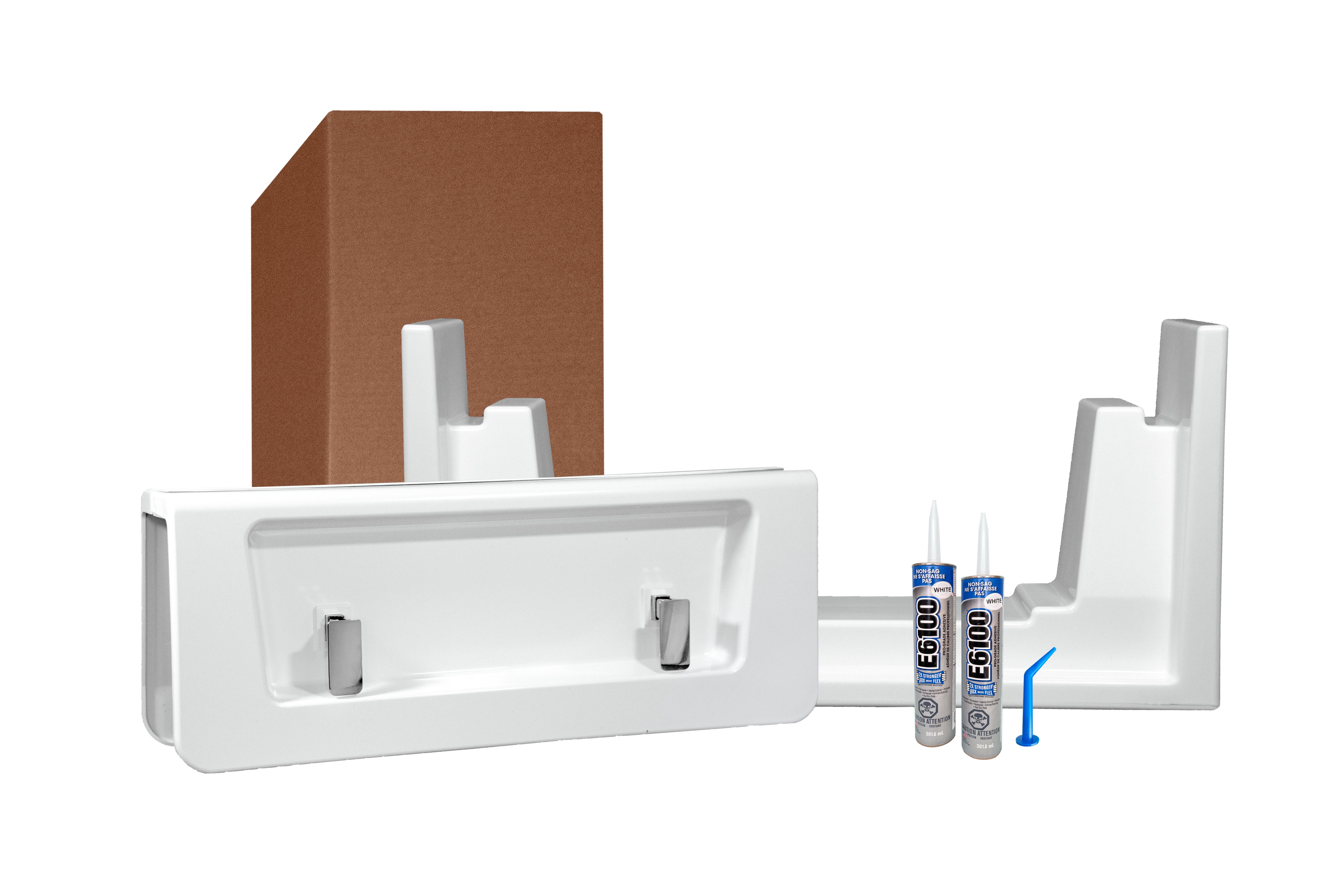
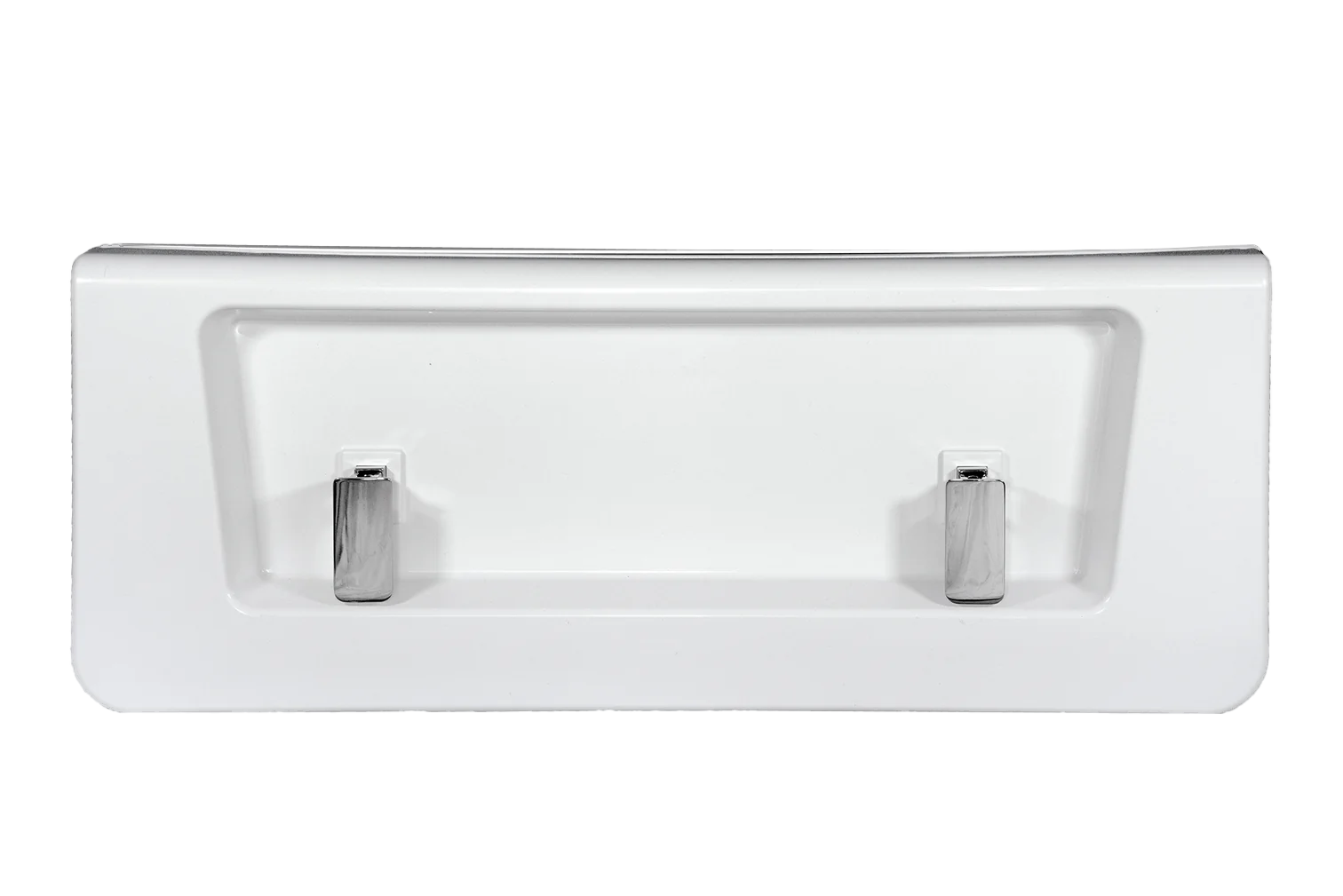
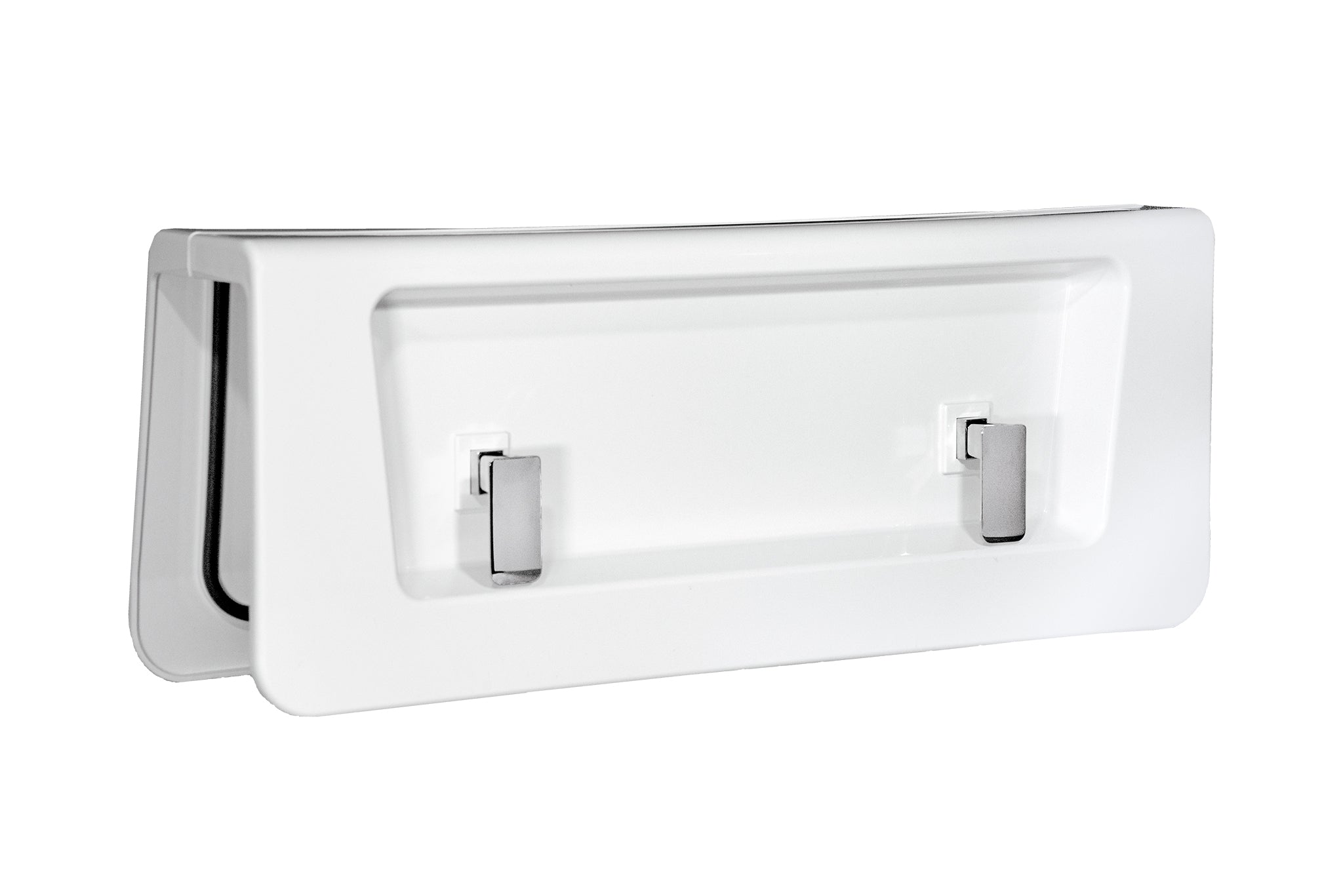
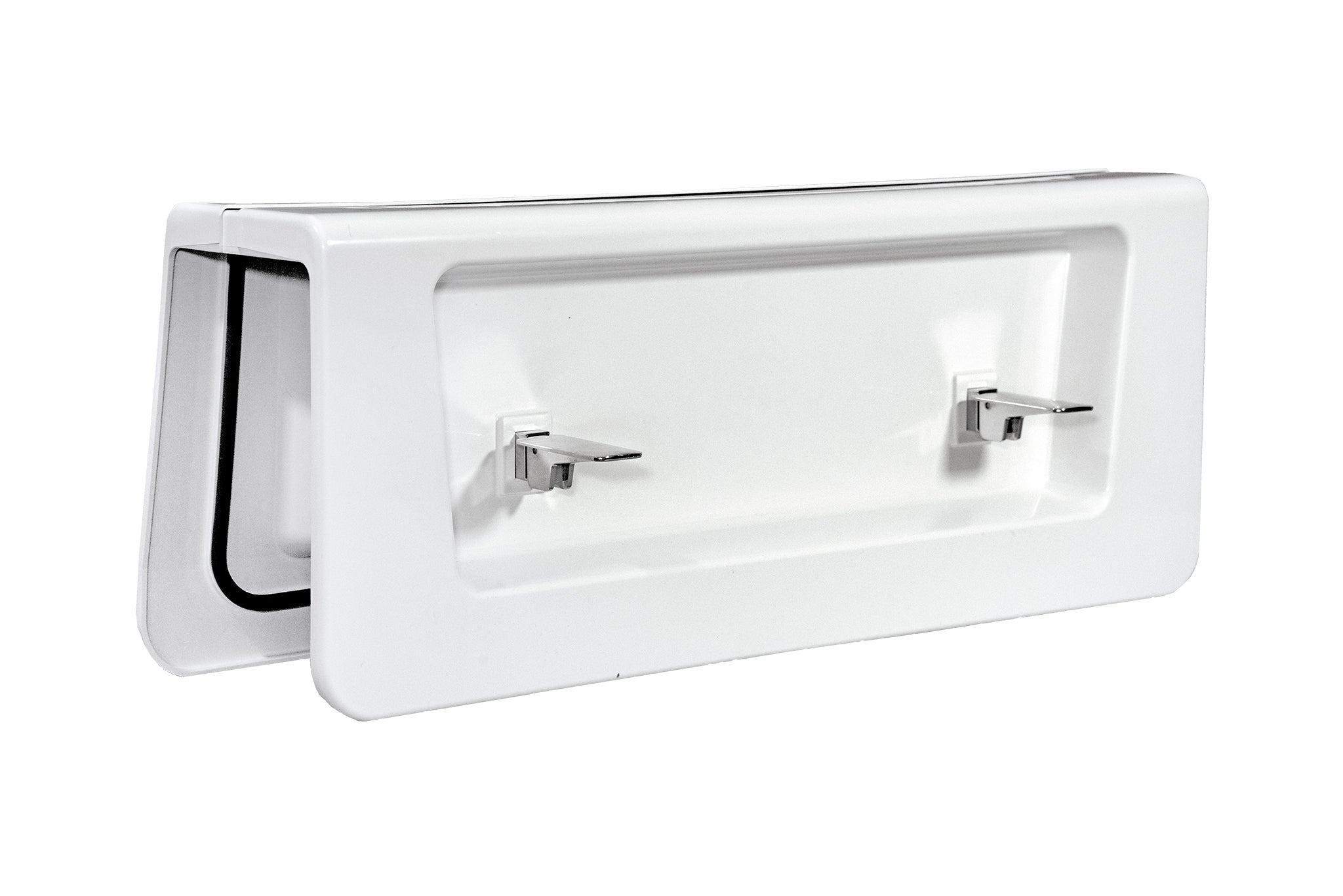
In many cases, instead of a full demolition, homeowners can use targeted solutions like a Quick Tub® Walk-Thru Insert, which creates a low-entry opening directly in the existing tub. This allows you to achieve a safer setup without major construction, making it one of the fastest and most practical retrofit solutions available today.
These are not cosmetic changes. They are essential home repairs for the elderly and anyone with limited mobility. And in many cases, they can be completed quickly without tearing apart your entire bathroom.
How Much Can You Expect to Pay for a Tub to Shower Conversion?
Wet-area renovations like a tub-to-shower conversion cost about $8,000 to $15,000, including materials and labor. Your project may cost more or less depending on your bathroom's condition, but this average figure is a good one to keep in mind. Here’s what impacts your costs when you replace a tub with a shower:
- Plumbing adjustments and layout changes
- Removal of the existing tub
- Accessibility upgrades when you change the tub to a shower
- Installation of waterproof wall systems and fixtures
However, targeted solutions can significantly reduce these costs. For example, a Quick Tub® Walk-Thru Insert starts at approximately $360 for a DIY kit, with optional add-ons like the Quick Tub® Cap ($415). Because this system works with your existing tub and avoids plumbing relocation or tile removal, total project costs can stay dramatically lower than traditional remodels.
This makes a bathtub to walk in shower conversion far more accessible, especially for low-income households or programs working with limited budgets.
The Safety Benefits: Why a Tub-to-Shower Upgrade is Necessary
Let’s be direct. Traditional bathtubs are dangerous. Every year, thousands of seniors are injured in bathroom falls. The high step-over required for a tub is one of the most common causes. A tub-to-shower conversion removes that risk immediately. When you convert a tub to a walk-in shower, you gain:
- Easy, low-entry access
- More room to move safely
- Space for seating or assistance
- A design that works with your mobility, not against it
Modern bathtub-to-shower conversions are built for real-life use, not necessarily appearance. They provide the flexibility needed for aging in place while maintaining comfort and dignity. It’s an upgrade that, for many people, is simply helpful and necessary.
What Happens If You Can't Afford to Fix Your House?
If you’re thinking, “I know I need this, but I can’t afford it,” you’re not alone. Many homeowners delay critical home fixes because of cost. Unfortunately, waiting often leads to bigger problems, such as higher risk of injury, more expensive repairs later and ultimately loss of independence.
But here’s the important part. You may not have to pay for it alone. There are several programs designed to provide free home repairs or significantly reduce the cost of essential upgrades like a tub-to-shower conversion.
Finding Help with House Repairs for Disabled and Elderly Homeowners
If you need help with house repairs for disabled individuals or seniors, there are multiple programs that can make a real difference.
Funding Options You Should Know About
USDA Section 504 Program
The USDA single-family housing repair grants program offers financial assistance to low-income homeowners. These funds can often be used for accessibility upgrades, including installing a shower to replace a tub.
Critical Home Repair Programs
Local nonprofits often run critical home repair programs focused on urgent safety issues. These programs prioritize projects like a tub-to-shower conversion because of their direct impact on fall prevention.
Local Home Rehab Programs
Many cities offer home rehab programs that help cover the cost of accessibility improvements. These programs frequently support projects where homeowners convert a tub into a walk-in shower.
Nonprofit Support
Organizations like Habitat for Humanity and Rebuilding Together provide hands-on assistance, especially for seniors and disabled homeowners.
Will Medicare Help Pay?
In most cases, Medicare does not cover a tub-to-shower conversion because it is not considered “medically necessary.” However:
- Medicaid waivers may cover accessibility upgrades
- VA programs may assist eligible veterans
- Local grants and nonprofits can fill the gap
The key takeaway from this is that funding is available. You just need to know where to look.
Why Tub-to-Shower Conversions Are a Smart Investment in Safety
A safe home is not a luxury; it’s a necessity. Upgrading your bathroom with a conversion of your tub into a shower reduces fall risk, improves daily comfort and allows you to stay in your home longer. For families, it also provides peace of mind knowing their loved ones are safer. So take the next step toward a safer home.
A tub-to-shower conversion is one of the fastest, most effective ways to improve safety in your home, without a full remodel. If your current bathroom is difficult, uncomfortable or unsafe to use, don’t wait. Start by:
- Exploring local home rehab programs
- Checking eligibility for USDA housing repair grants
- Contacting organizations that offer help with house repairs for the disabled
- Speaking with a specialist about your tub shower conversion options
The right solution can often be installed quickly, with minimal disruption and immediate impact. You deserve a home that works for you, not against you.
FAQs - Frequently Asked Questions
What is included in a retrofit?
A home retrofit includes targeted upgrades that improve safety, accessibility and functionality without a full remodel. In bathrooms, this often means installing grab bars, improving lighting, adding slip-resistant surfaces and completing a tub-to-shower conversion to remove barriers and reduce fall risk.

Share:
Why Nonprofits Choose Quick Tub as Their Trusted Bathroom Safety Partner
Handicap Bathroom Ideas That Support Independent Living