TLDR; A weatherization program can reduce energy waste, but bathroom safety often requires separate funding. By combining weatherization assistance with a critical home repair program, eligible homeowners may be able to address insulation and air leaks while also adding safer, more accessible bathroom features.
For older adults, people with disabilities and families supporting loved ones at home, energy efficiency and accessibility are often connected. A drafty house can lead to high utility bills, while an outdated bathroom can create serious fall hazards. Addressing both issues together can make it easier for residents to remain safely and comfortably at home.
Understanding what a weatherization assistance program is, what a weatherization assistance program normally covers and how it can work alongside a critical home repair program is the first step. Although not every program pays for the same improvements, combining funding sources (sometimes called “grant stacking”) may help qualified households complete more comprehensive repairs.
What Is Weatherization?
Weatherization is the process of improving a home so it uses less energy and provides a healthier, safer indoor environment. Typical work focuses on reducing drafts, improving insulation and making heating and cooling systems operate more efficiently.
The federal Weatherization Assistance Program (WAP) is administered through state and local agencies rather than directly by the U.S. Department of Energy. Applicants should therefore check their state weatherization administrator for current eligibility rules and application procedures.
What Does The Weatherization Program Cover?
A standard weatherization program typically covers several energy-saving and health-related home upgrades, including:
- Attic, wall, floor or duct insulation.
- Air sealing around windows, doors, pipes and other openings.
- Heating, ventilation and air-conditioning inspection, repair or replacement where permitted.
- Duct sealing and other efficiency improvements.
- Moisture, ventilation and combustion-safety measures.
- Window repairs or replacement when they are identified as an eligible energy upgrade.
- The exact measures depend on the home energy audit, local rules, available funding and the condition of the property.
A bathroom remodel is not automatically part of home weatherization programs. However, a bathroom may contain health and safety issues, such as poor ventilation, moisture damage or unsafe plumbing, which could be relevant to a broader rehabilitation project. That is why homeowners and housing organizations should distinguish between weatherization services and accessibility work, then explore whether a second program can cover the remaining needs.
Bathroom Accessibility and Home Repair
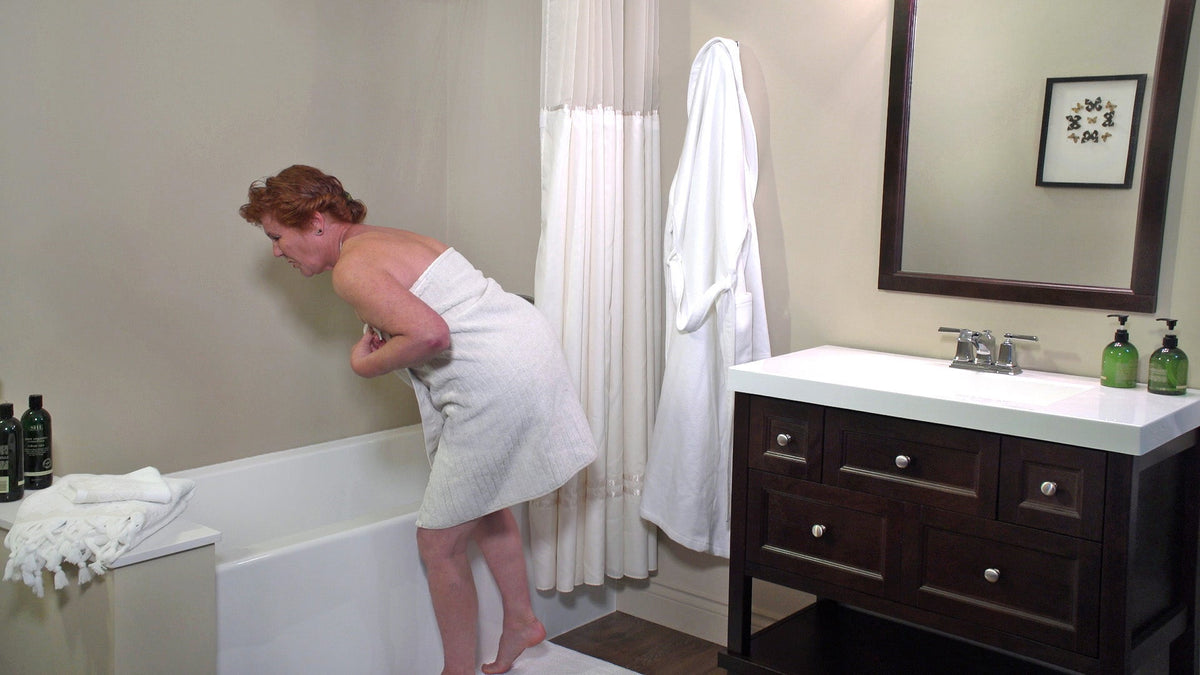
Bathroom accessibility means adapting the room so a person can enter, use fixtures and move around with less risk and greater independence. Common concerns include a high bathtub wall, slippery flooring, inadequate lighting, narrow doorways and a lack of stable support.
A critical home repair program generally focuses on conditions that threaten a resident’s health, safety or ability to remain in the home. Depending on the weatherization help, eligible work may include correcting unsafe plumbing, repairing damaged floors or adding accessibility features.
This makes bathroom safety improvements a natural fit for many critical home repair applications. A leaking bathroom fixture, water-damaged subfloor or unsafe tub can represent both a property problem and a personal safety risk.
Combining energy and safety work can also improve the value of each project. For example, an organization could address air leakage throughout a home while repairing a bathroom floor, installing a low-flow shower fixture and creating safer access to the bathing area.
Why Combine the Programs?
A weatherization assistance program and a critical repair initiative usually have different purposes:
- Weatherization prioritizes energy efficiency, indoor air quality and related health and safety measures.
- Critical repair programs prioritize urgent structural, plumbing, electrical, safety or accessibility concerns.
- A local housing agency, nonprofit or community development office may administer one or both programs.
- Funding rules determine which improvements are eligible, so approval should never be assumed.
For seniors, this approach can support aging in place. The USDA Section 504 Home Repair program, for example, offers grants to eligible very-low-income homeowners aged 62 or older to remove health and safety hazards in eligible rural areas. The current maximum grant is $10,000, and grants may need to be repaid if the property is sold within three years.
Veterans with qualifying service-connected disabilities may also be eligible for VA housing grants. For fiscal year 2026, the VA lists maximum amounts of $126,526 for Specially Adapted Housing and $25,350 for Special Home Adaptation grants.
Eligible Bathroom Improvements
Whether a modification is funded depends on the program and the applicant’s circumstances. Potential improvements may include:
- Grab bars installed into appropriate wall reinforcement
- Roll-in or low-threshold shower access
- Tub-to-shower conversions
- Elevated or accessible toilets
- Slip-resistant flooring
- Improved lighting and ventilation
- Widened bathroom doorways
- Repairs to leaking plumbing or water-damaged subfloors
- Accessible sinks and better-positioned controls
Energy efficiency can be built into the design. Low-flow showerheads can reduce water consumption, while an efficient exhaust fan can help control humidity and mold. These measures do not automatically qualify for WAP, but they may complement an approved repair or accessibility project.
Choosing a Practical Retrofit
A full bathroom renovation can involve demolition, plumbing relocation and extensive construction. For housing organizations serving multiple households, a targeted solution may help stretch limited funds.
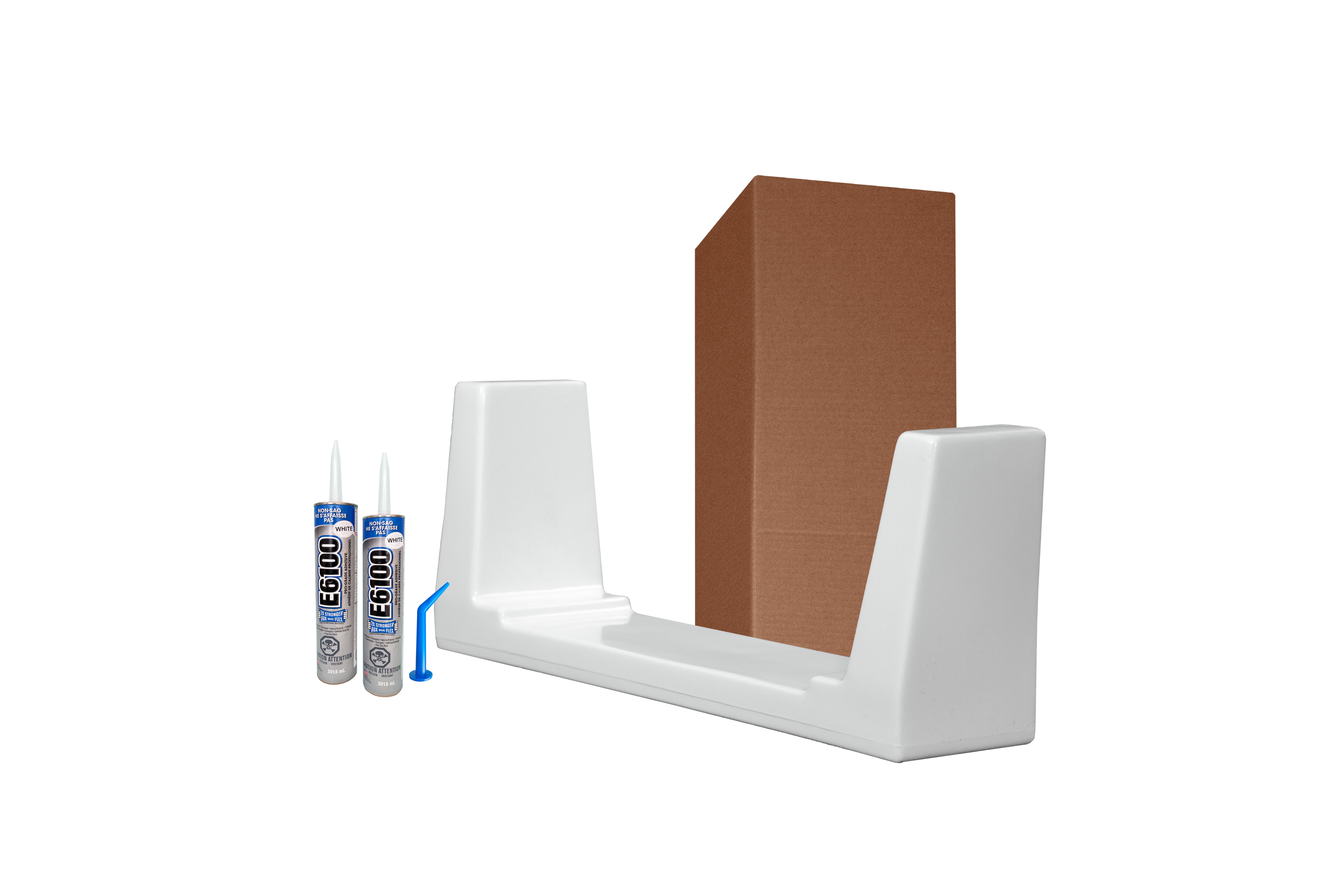
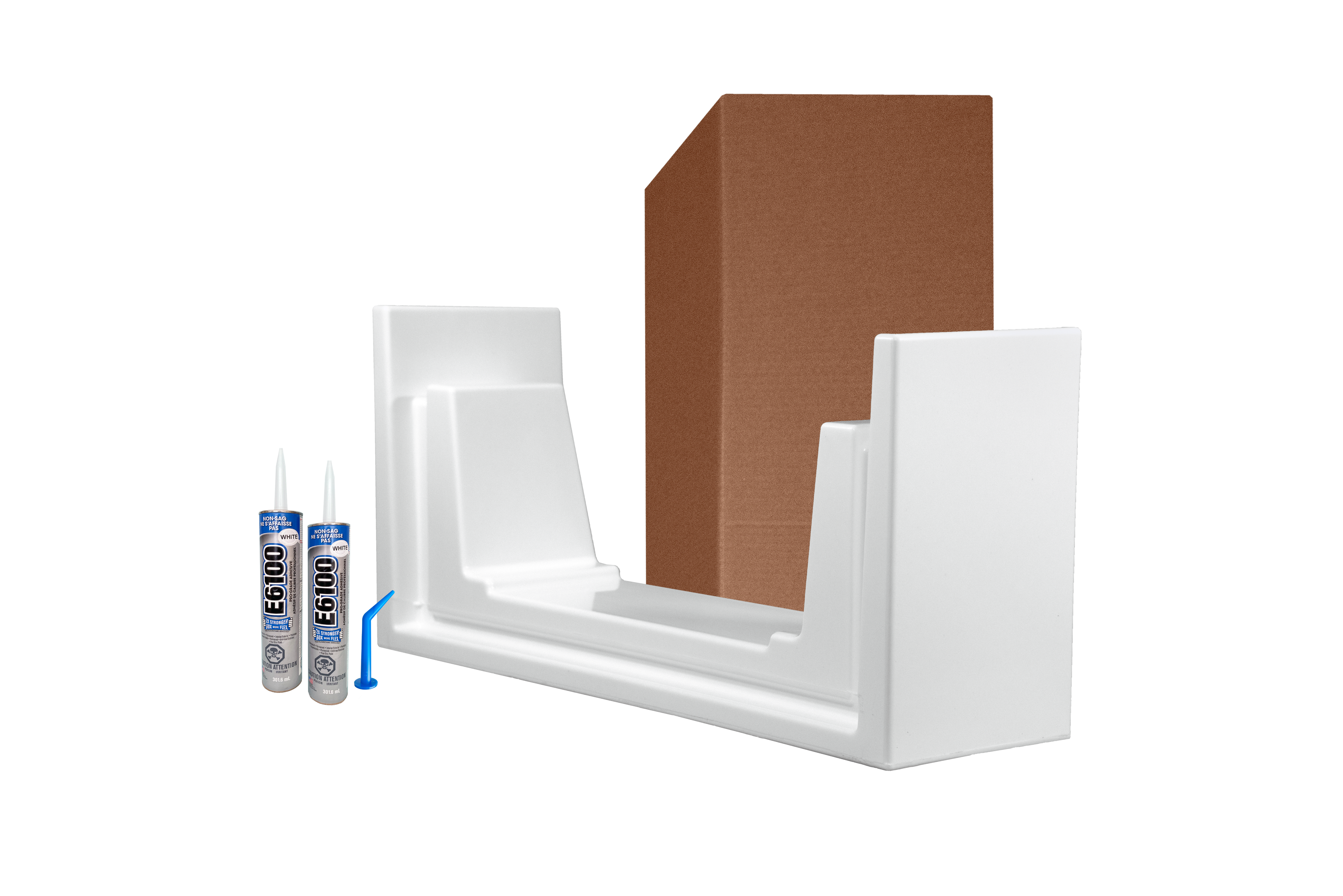
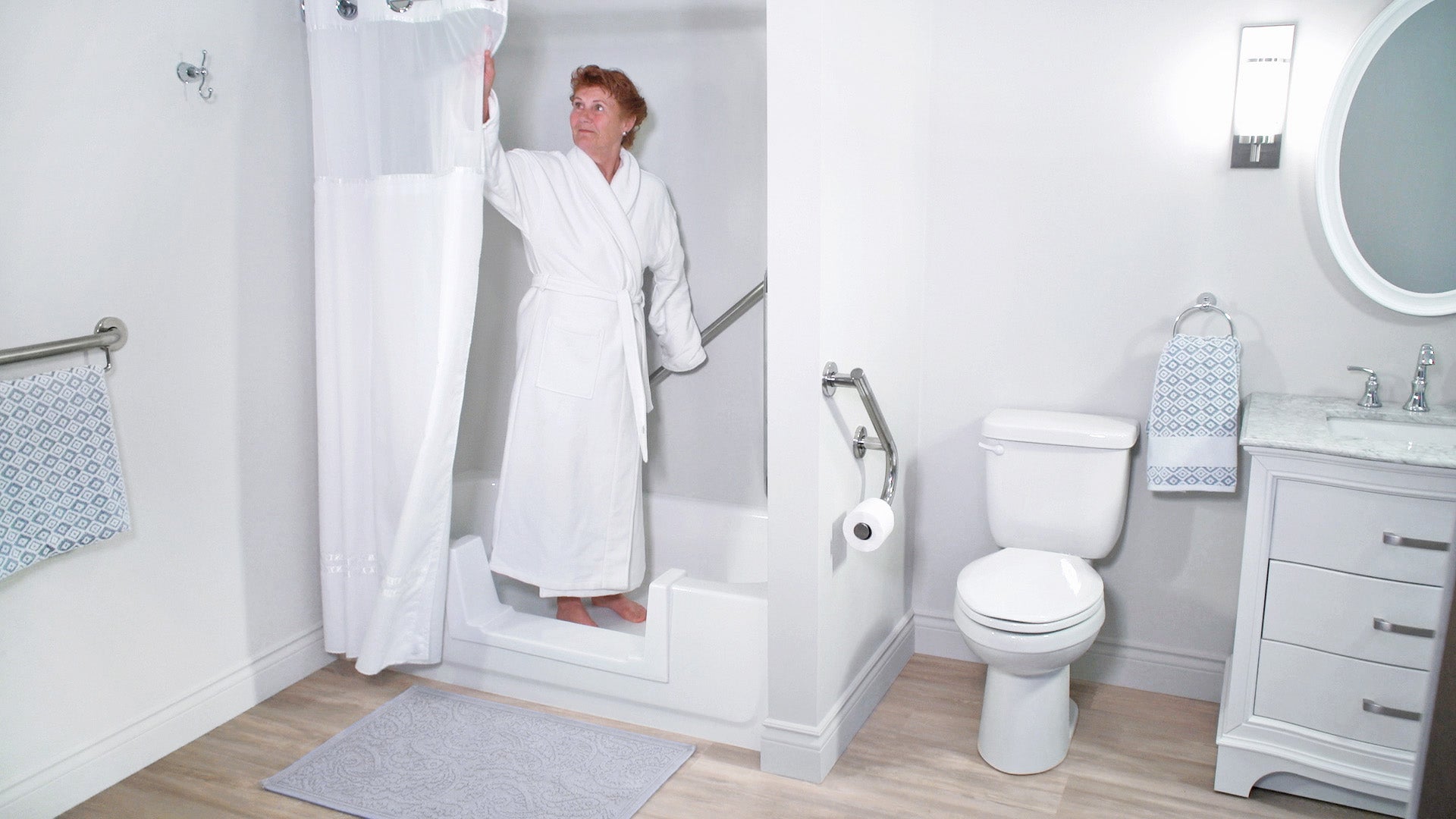
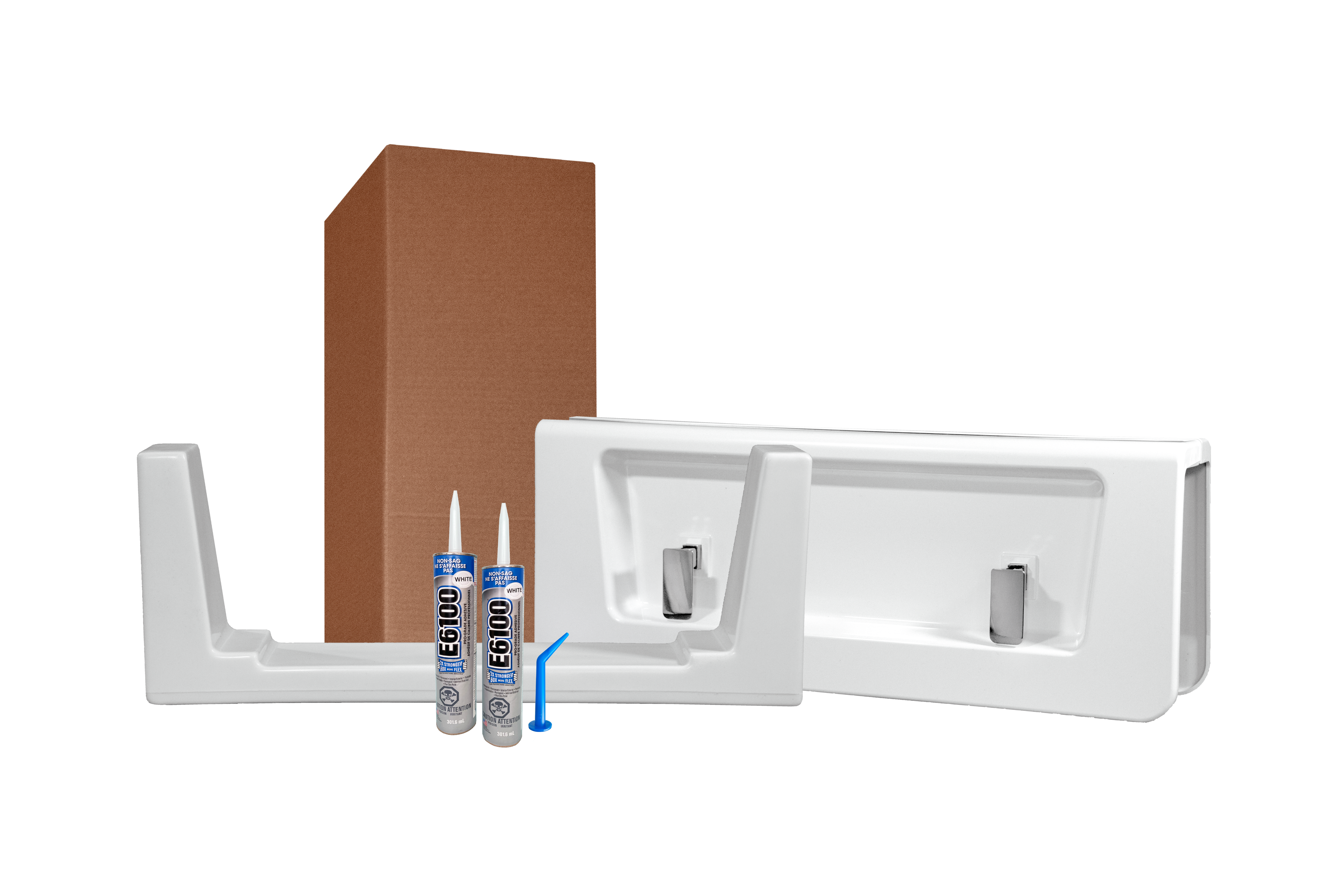
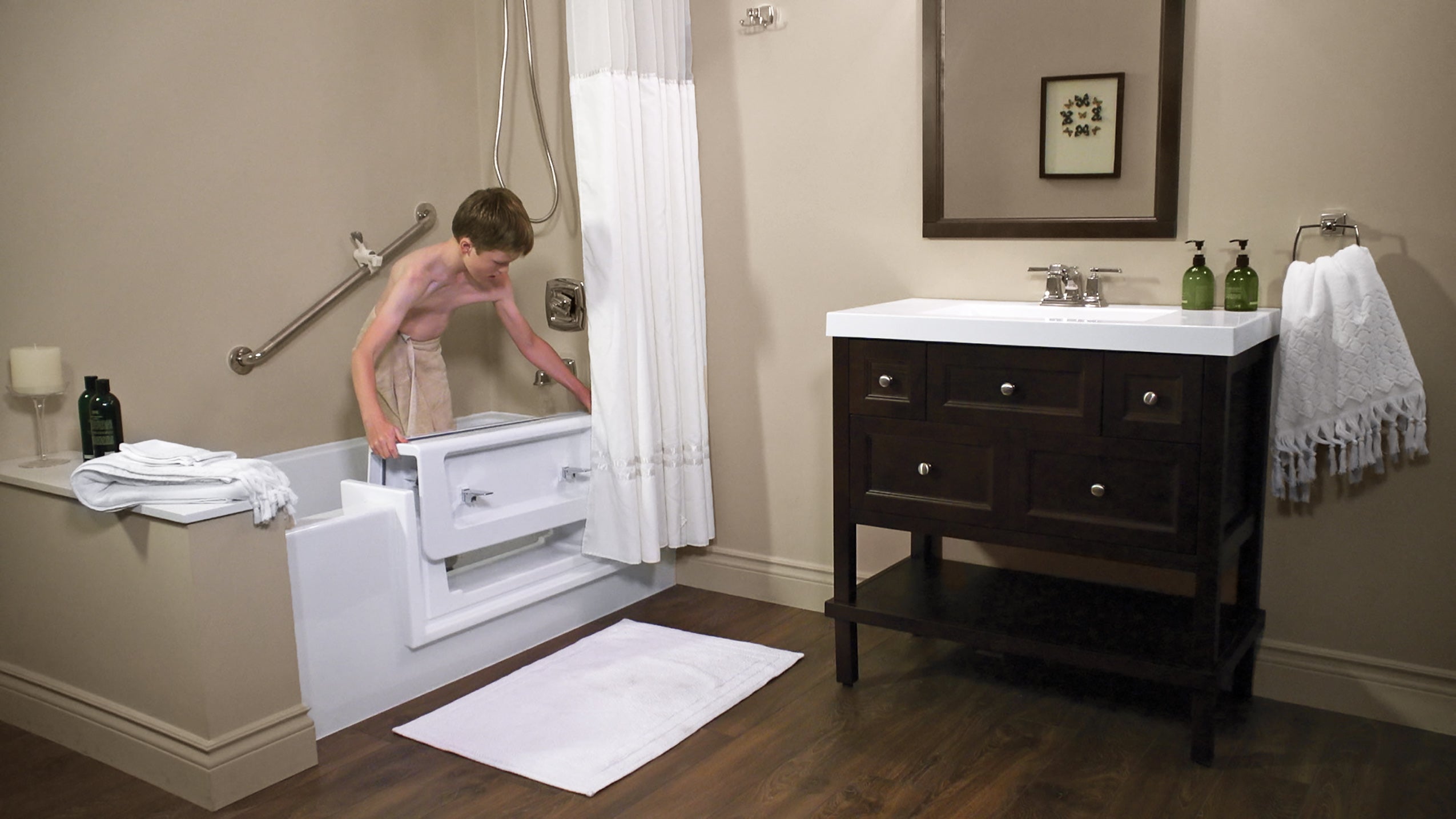
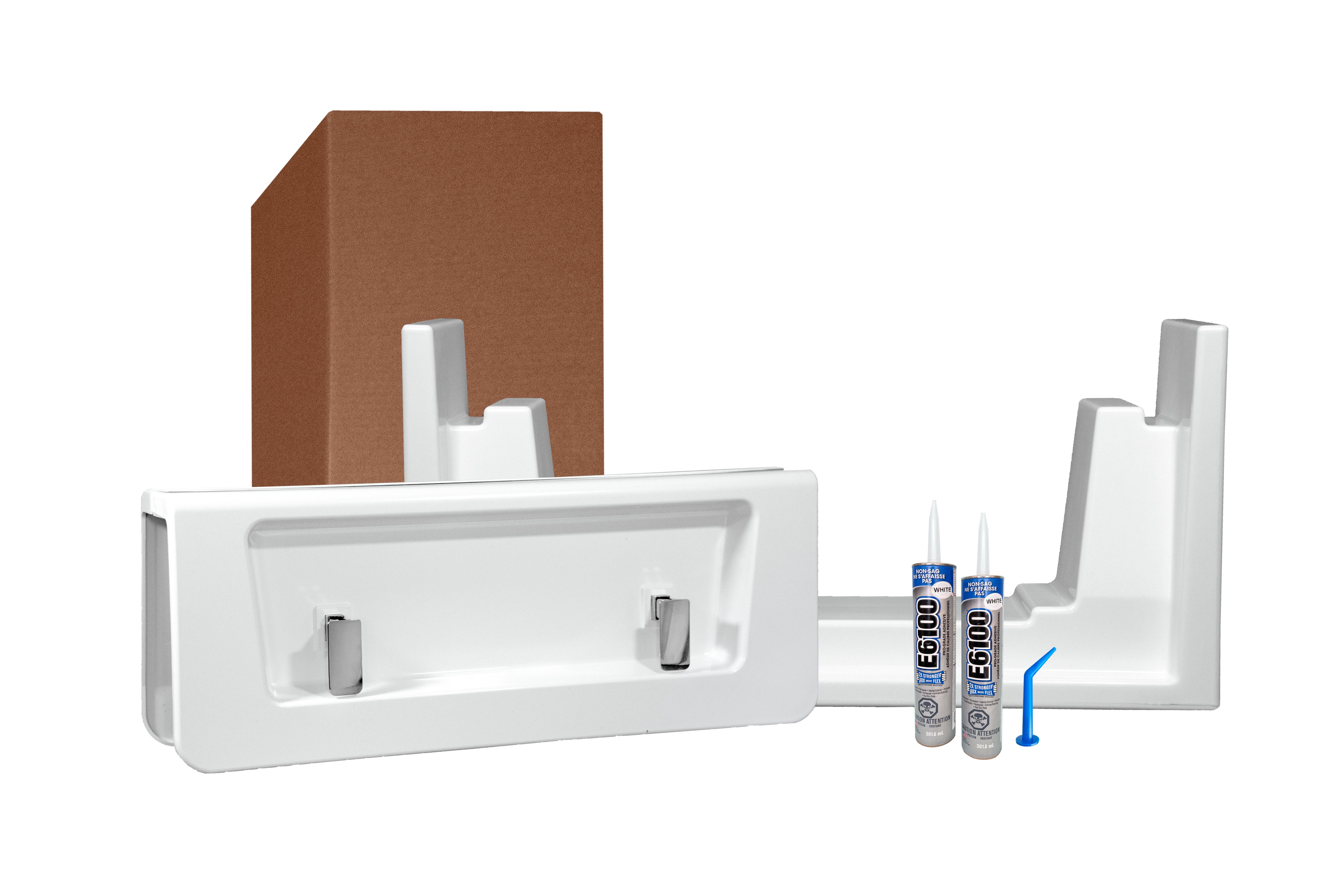
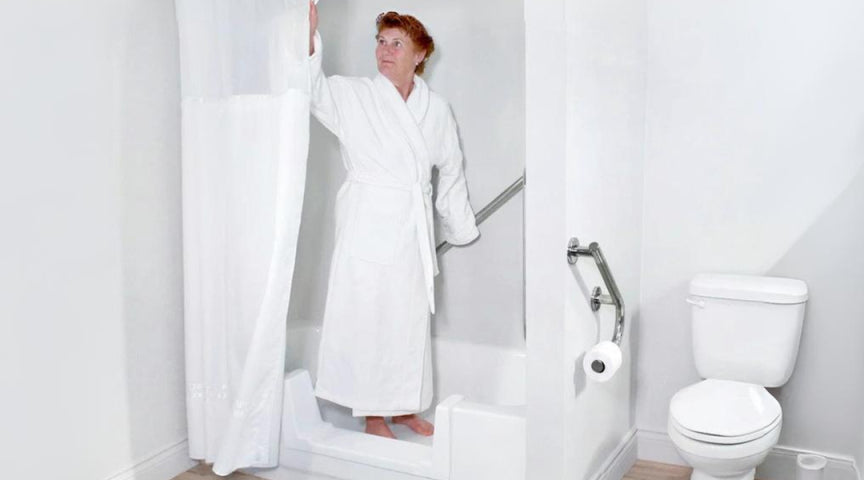
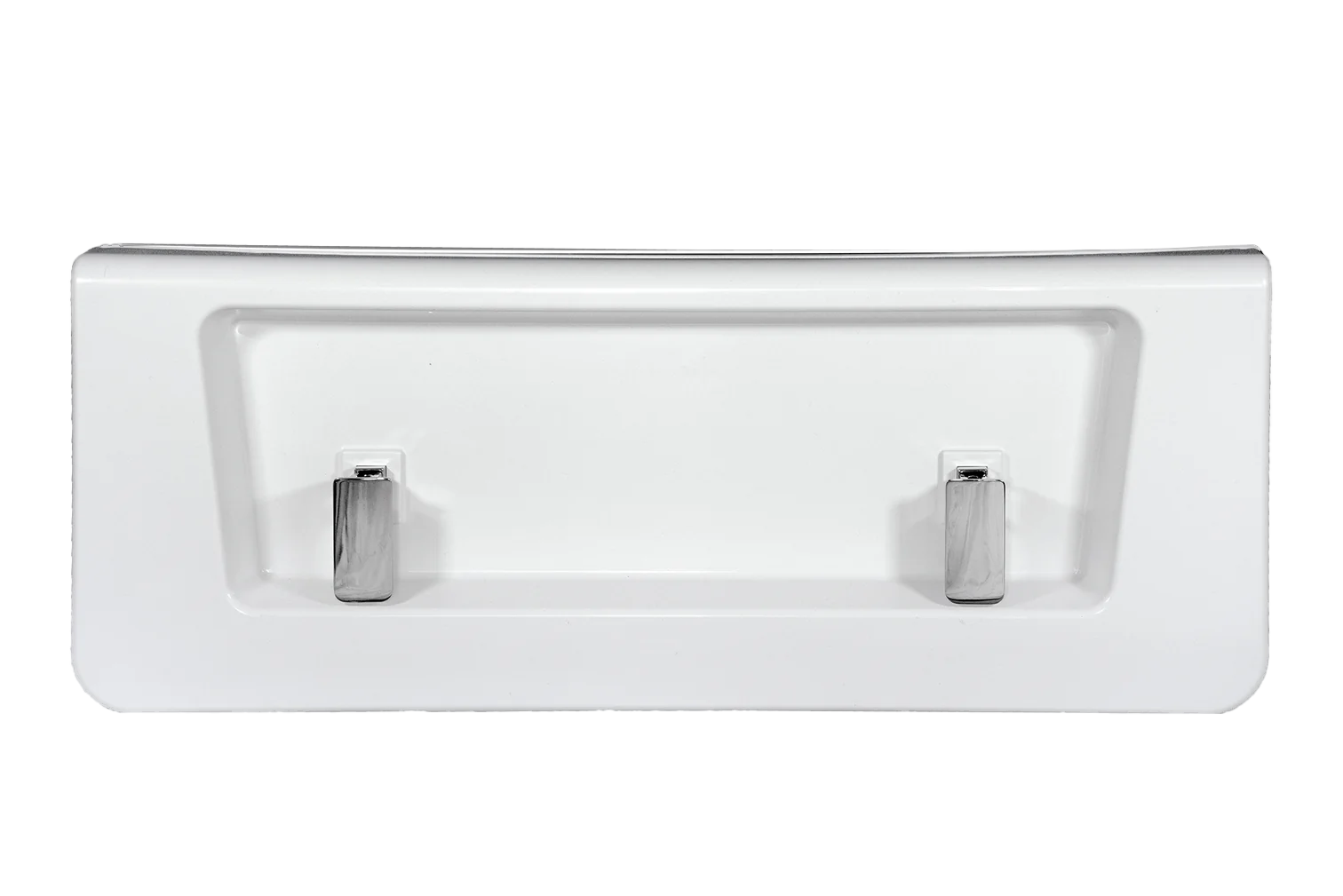
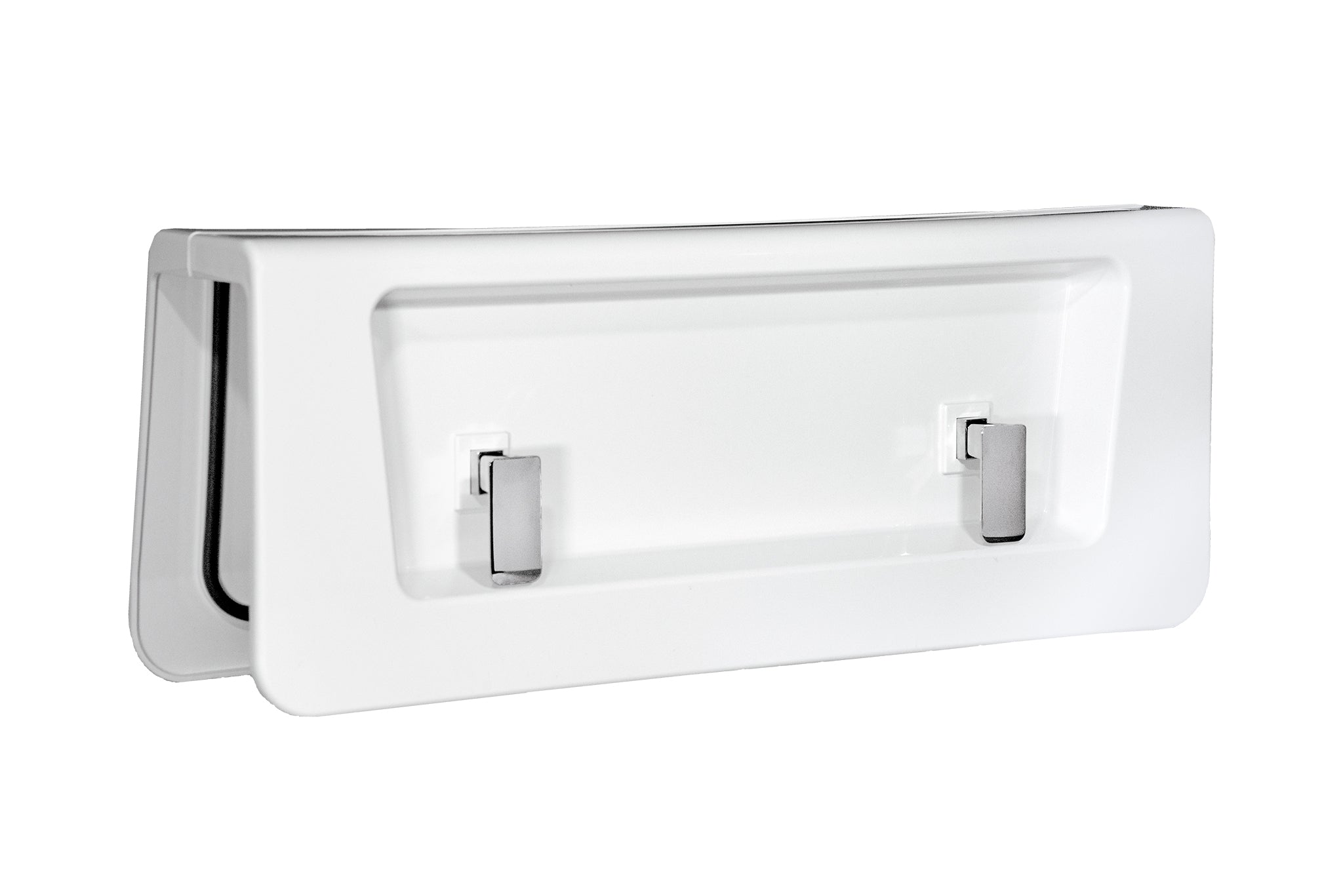
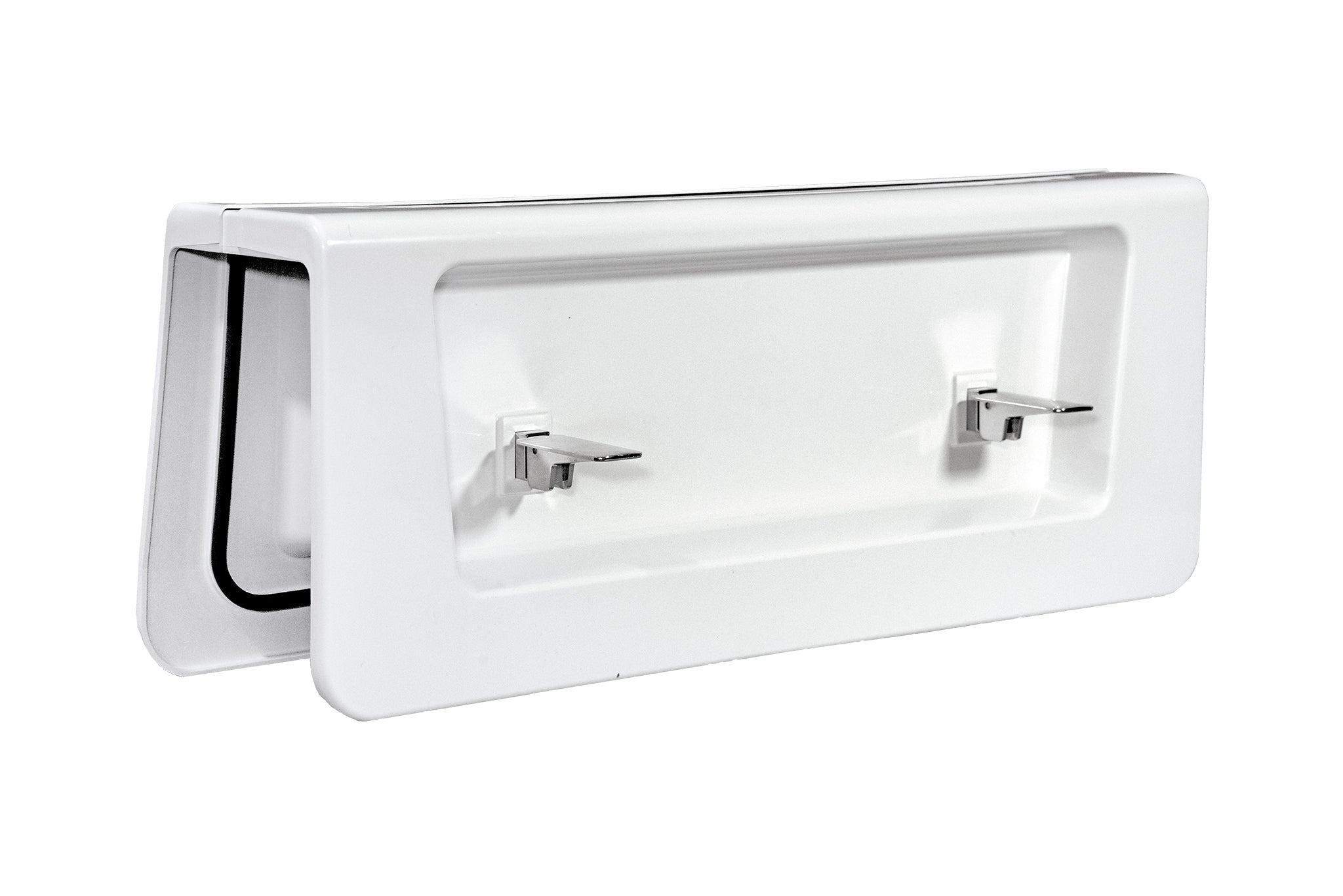
Our Quick Tub® Walk-Thru Insert uses the existing bathtub and lowers the tub wall by approximately 9–12 inches, creating easier step-in access without a full-scale renovation. Installation can be completed in a few hours, either by a professional or a capable DIY installer.
For households that want both bathing and showering flexibility, the Quick Tub® Full Convertible Kit combines the insert with a Quick Tub® Cap, which can turn the opening back into a functional bathtub. Organizations planning larger projects can also review our partner program.
How to Apply and Stack Funding
- Identify the need: Document energy problems, bathroom hazards, mobility limitations, repair priorities and any urgent health or safety concerns.
- Check eligibility: Requirements may involve household income, age, disability, homeownership, rural location and whether the property is the applicant’s primary residence.
- Contact the WAP administrator: The DOE advises applicants to identify and contact their state weatherization administrator first.
- Apply to a repair program separately: Search for a local critical home repair, housing rehabilitation, CDBG or accessibility program through a county housing department, nonprofit or community action agency.
- Ask about grant stacking: Explain that the project has separate energy and accessibility components. Ask whether the programs permit coordinated applications, matching funds or sequential work.
- Use local referral services: Calling 211 can connect households with local housing, utility and community assistance resources. Seniors can also contact their local Area Agency on Aging.
Do not begin work before receiving written approval if reimbursement or grant eligibility depends on prior authorization. Keep income documents, ownership records, contractor estimates, inspection reports and photographs of existing hazards.
A well-planned project can do more than reduce utility costs. It can make daily routines safer, prevent avoidable injuries and help residents remain independent at home.
FAQs - Frequently Asked Questions
What is bathroom accessibility in weatherization and critical home repair programs?
It means modifying a bathroom to reduce hazards and improve independent use. Examples include safer bathing access, grab bars, slip-resistant flooring, improved lighting and repairs to unsafe plumbing or flooring.
How can bathroom accessibility improvements be included in weatherization programs?
Standard WAP funding is primarily for energy efficiency and related health and safety measures. Bathroom accessibility may require a separate repair or housing rehabilitation program, although ventilation, moisture control or certain plumbing-related measures may be considered under local rules.
Why should bathroom accessibility be considered in critical home repair programs?
An unsafe bathroom can prevent someone from living independently and may increase fall risk. Addressing the bathroom alongside urgent structural, plumbing or electrical repairs can protect residents and reduce the likelihood of costly emergencies.
What bathroom modifications can weatherization and home repair programs support?
Depending on the program, work may include grab bars, low-threshold showers, tub-to-shower conversions, accessible toilets, slip-resistant flooring, ventilation improvements, doorway widening and repairs to water-damaged surfaces.
Who can benefit from accessible bathroom improvements?
Older adults aging in place, people with disabilities, veterans with qualifying service-connected conditions, low-income homeowners and multigenerational households may benefit. Eligibility depends on the specific weatherization assistance program for seniors or the local repair program.

Share:
Bathroom Accessibility for Short-Term Recovery After Injury or Surgery
What to Look for in a Bathroom Accessibility Product