
TLDR; Bathroom falls send an estimated 234,000 people to U.S. emergency rooms every year, and separate data shows only about 19% of homes have a grab bar installed. The safest bathroom accessibility solutions meet ADA/FHA dimensions, use corrosion-resistant, slip-rated materials, and install without a full remodel. Non-structural handicap bathroom supplies solve short-term needs. Structural tub-to-shower conversions like the Walk-Thru Insert by Quick Tub® solve long-term ones. Vet any supplier on documented compliance, warranty length and installation support before you order.
The bathroom is the most dangerous room in the average home, and the person setting the budget for fixing that is rarely the person using it every day. In a national analysis of emergency-department visits, the CDC found an estimated 234,000 nonfatal bathroom injuries a year among people 15 and older, most of them concentrated around the tub, shower and toilet.
Whether you manage a senior living community, oversee a public housing portfolio or run a home-modification nonprofit, choosing bathroom accessibility products means balancing safety, compliance and budget for someone else's daily routine. The market runs from a twelve-dollar suction rail to a fifteen-thousand-dollar remodel, and not all of it holds up under real use. Here's what actually matters.
What Counts as a Bathroom Accessibility Product
The terminology overlaps more than it should. Teams searching for handicap bathroom supplies, disabled bathroom equipment or bathroom handicap accessories are usually after one of two things:
- Non-structural add-ons (grab bars, raised toilet seats, non-slip mats, shower chairs) that install in minutes.
- Structural upgrades (tub-to-shower conversions, widened doorways, roll-in showers) that change the room itself
Knowing which category a project needs before requesting quotes saves weeks of back-and-forth with contractors or purchasing.
Compliance and Safety Specs to Verify
Not every product marketed as an accessibility solution meets a recognized standard, so check the specifics before you buy:
- Grab bar diameter: 1.25 to 1.5 inches for a grip that works across hand sizes.
- Mounting height: 33 to 36 inches above the floor.
- Wall clearance: 1.5 inches, so a hand can wrap fully around the bar.
- Load rating: anchored into studs or blocking rated to hold at least 250 pounds of force, not drywall anchors alone.
- Floor and tub surfaces: a wet dynamic coefficient of friction of 0.42 or higher under ANSI A326.3, so the surface stays grippable when soaked.
Quick Tub's own grab bars and mounting hardware are built to that 250-pound standard, including dedicated fasteners for hollow-wall installs where stud blocking isn't an option. For multifamily and public housing, accessible bathrooms also have to satisfy Fair Housing Act and ADA clearance requirements.
A compliant grab bar in the wrong spot still fails inspection. Ask suppliers for load-test documentation and installation drawings. The ADA National Network's design standards and AARP's HomeFit Guide lay out the full figures.
Shower and Bathing Area Considerations
The tub and shower area causes the most falls, so it deserves the closest look. In this zone, disabled bath accessories and handicap shower accessories typically fall into a few buckets:
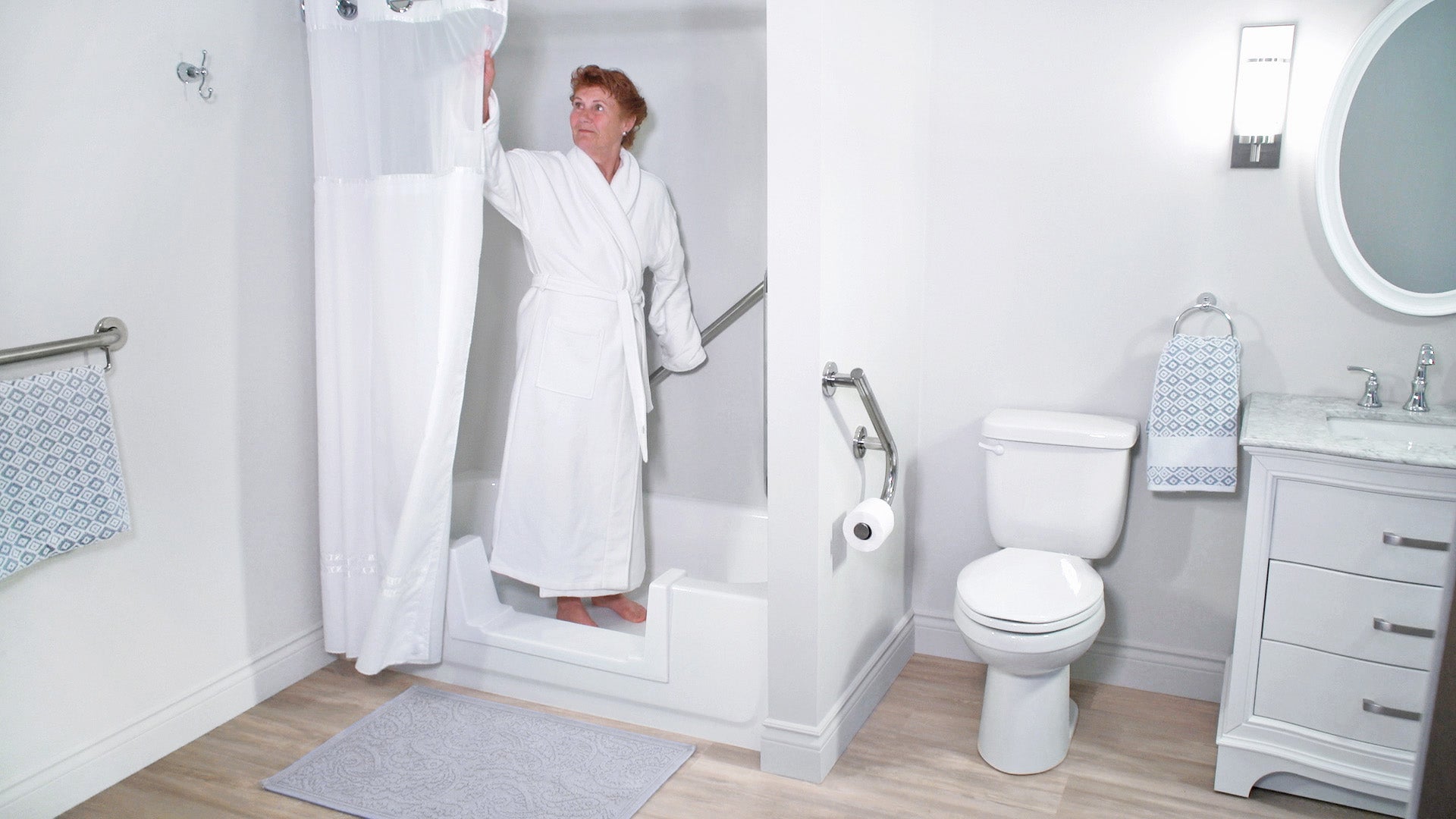
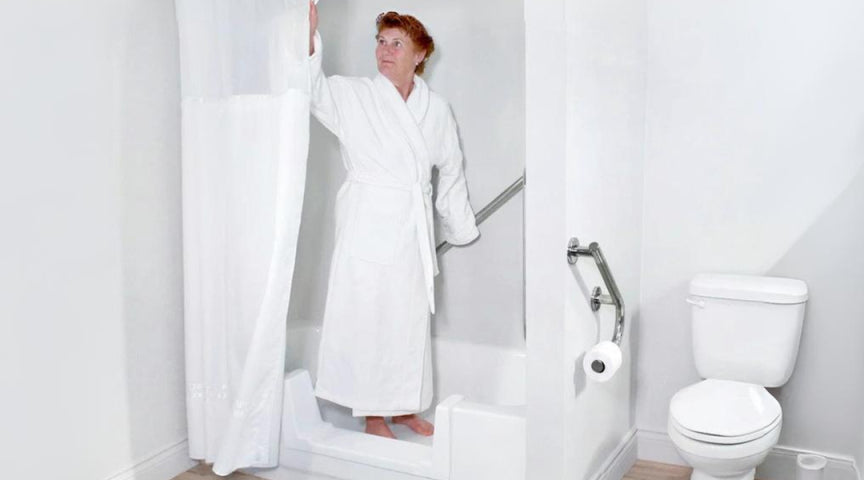
Choose ADA-height grab bars, tub transfer benches, fold-down or wall-mounted shower seats or handheld showerheads on a slide bar. For the step-over itself, consider either a full walk-in tub replacement or a tub-to-shower conversion insert that lowers the entry height without removing the existing tub.
The right pick of disabled bathroom accessories depends on the resident. Someone who still wants to soak needs a different solution than someone who only showers.
DIY Supplies vs. Professional Bathroom Accessibility Solutions
Not every fix needs a contractor. A raised toilet seat or a suction-mounted rail is a genuine same-day, no-tools job, useful for a short recovery or a low-budget interim fix. Anything load-bearing is a different story.
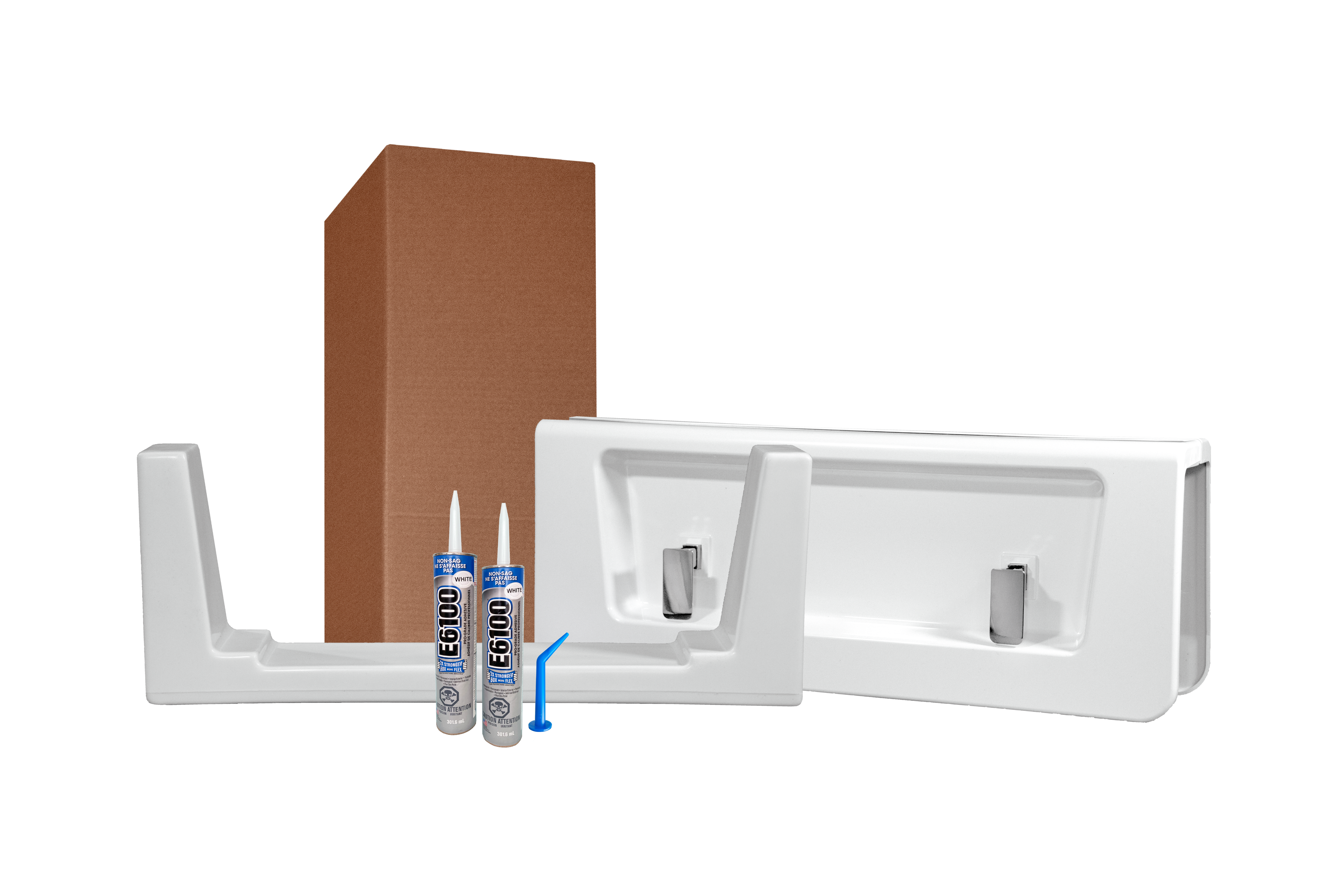
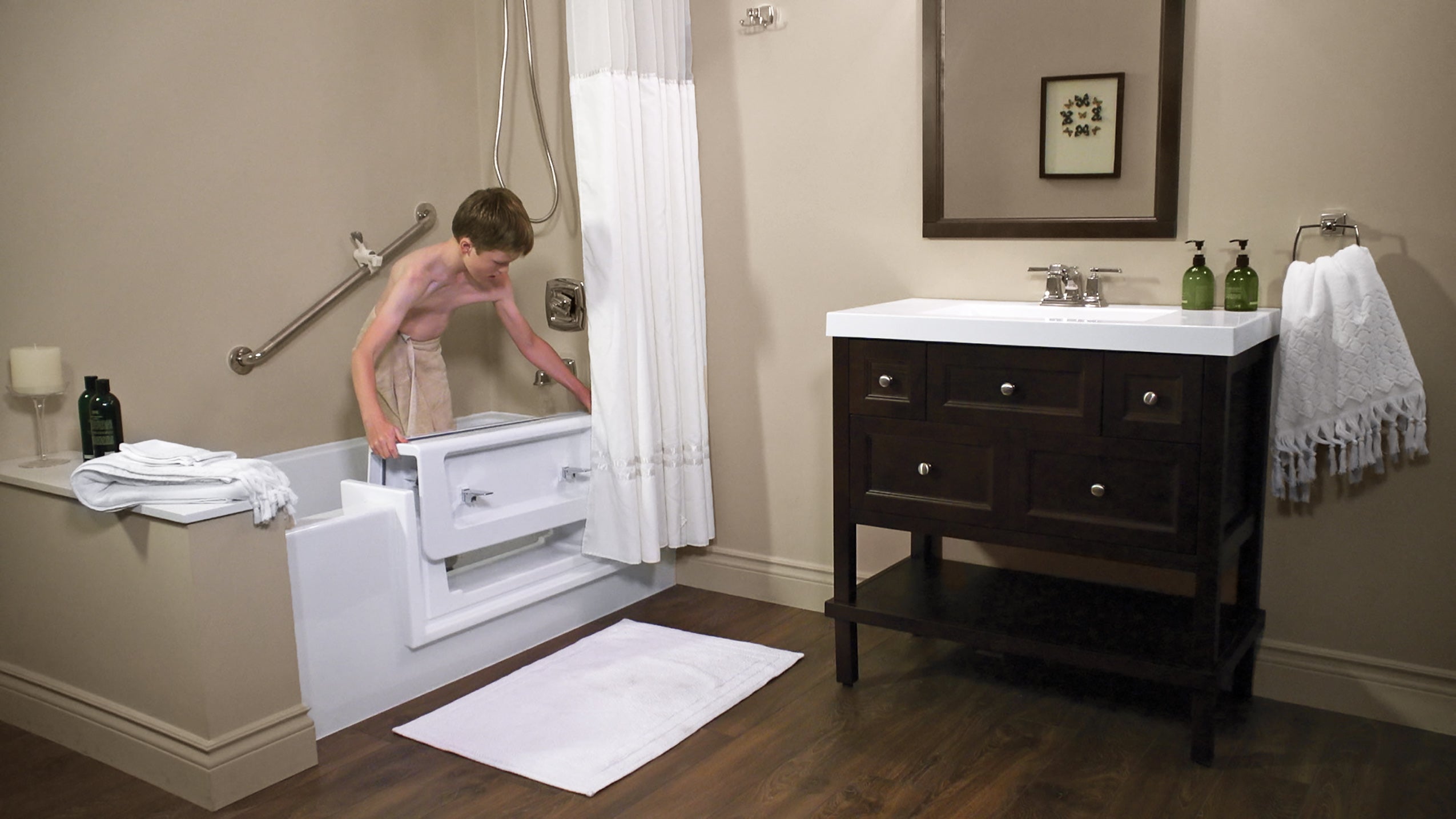
A grab bar screwed into drywall alone will eventually pull free under real weight, and a full remodel done wrong creates liability instead of safety. That's where professional bathroom accessibility solutions earn their cost. Between those two extremes sits an option a lot of procurement teams overlook. Retrofit kits that convert an existing tub into a step-in shower in a few hours, without demolition or replumbing.
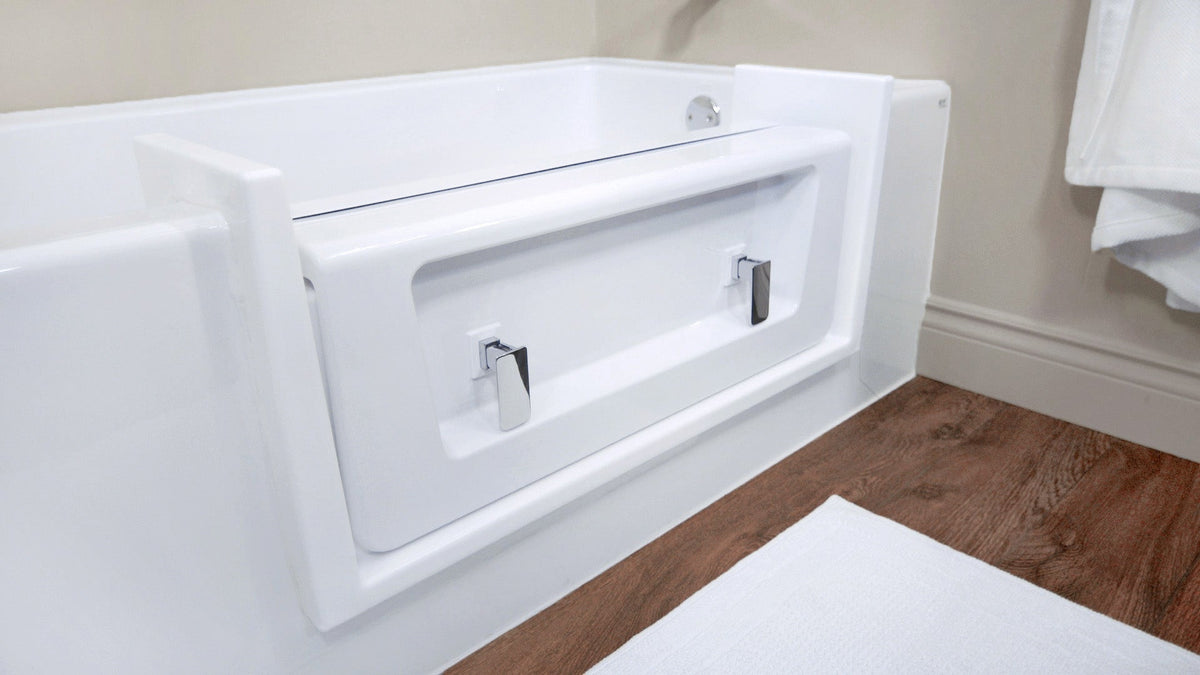
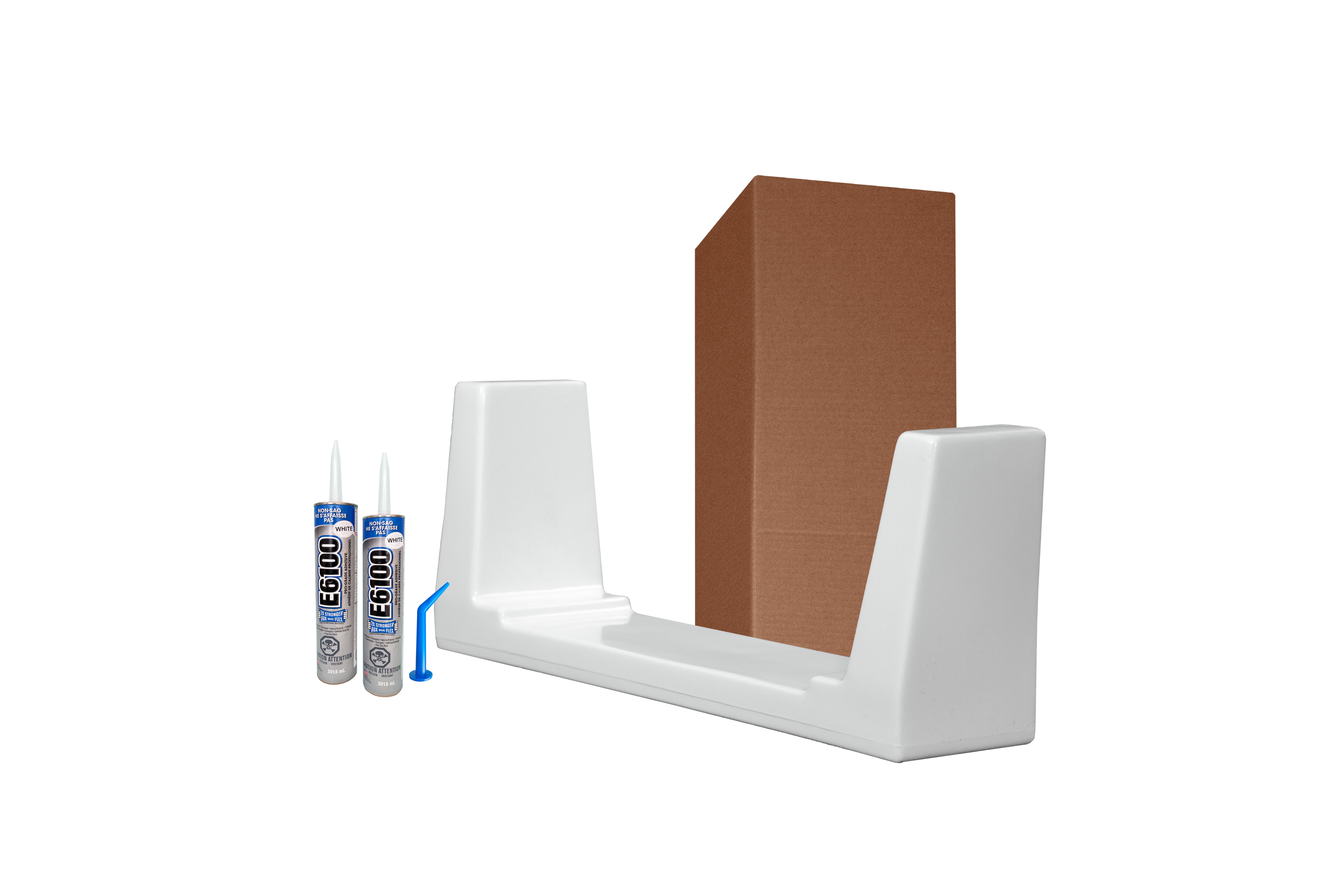
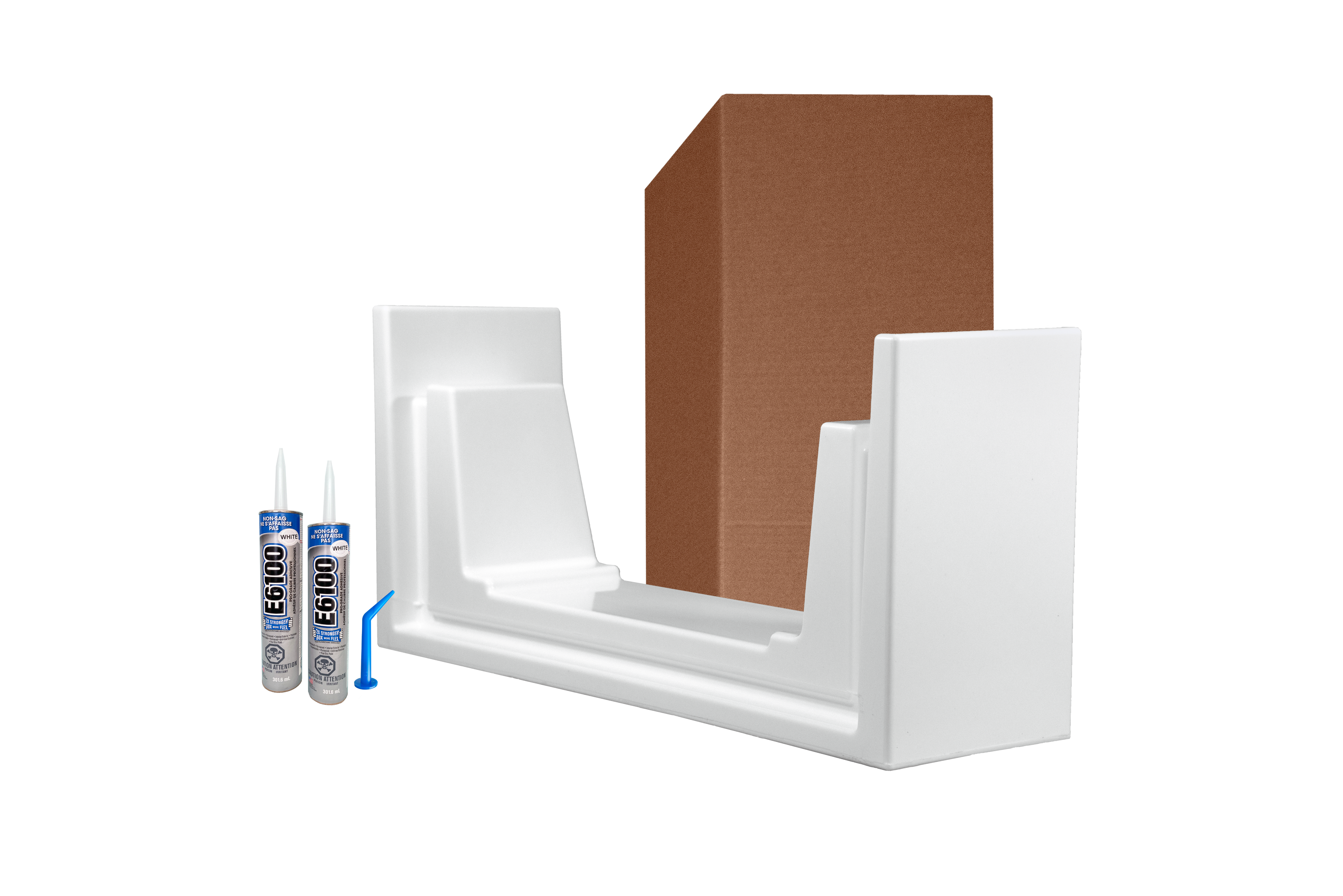
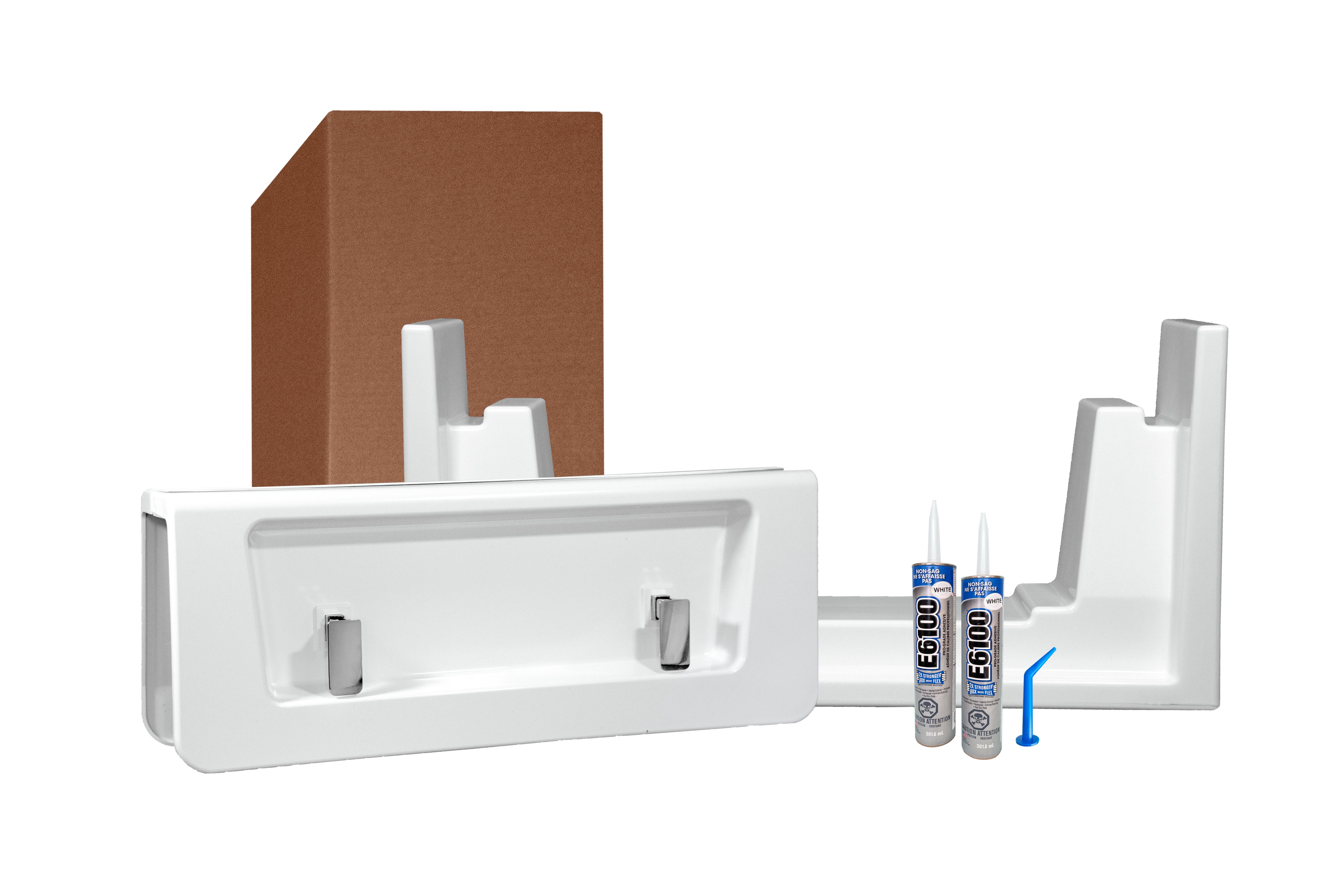
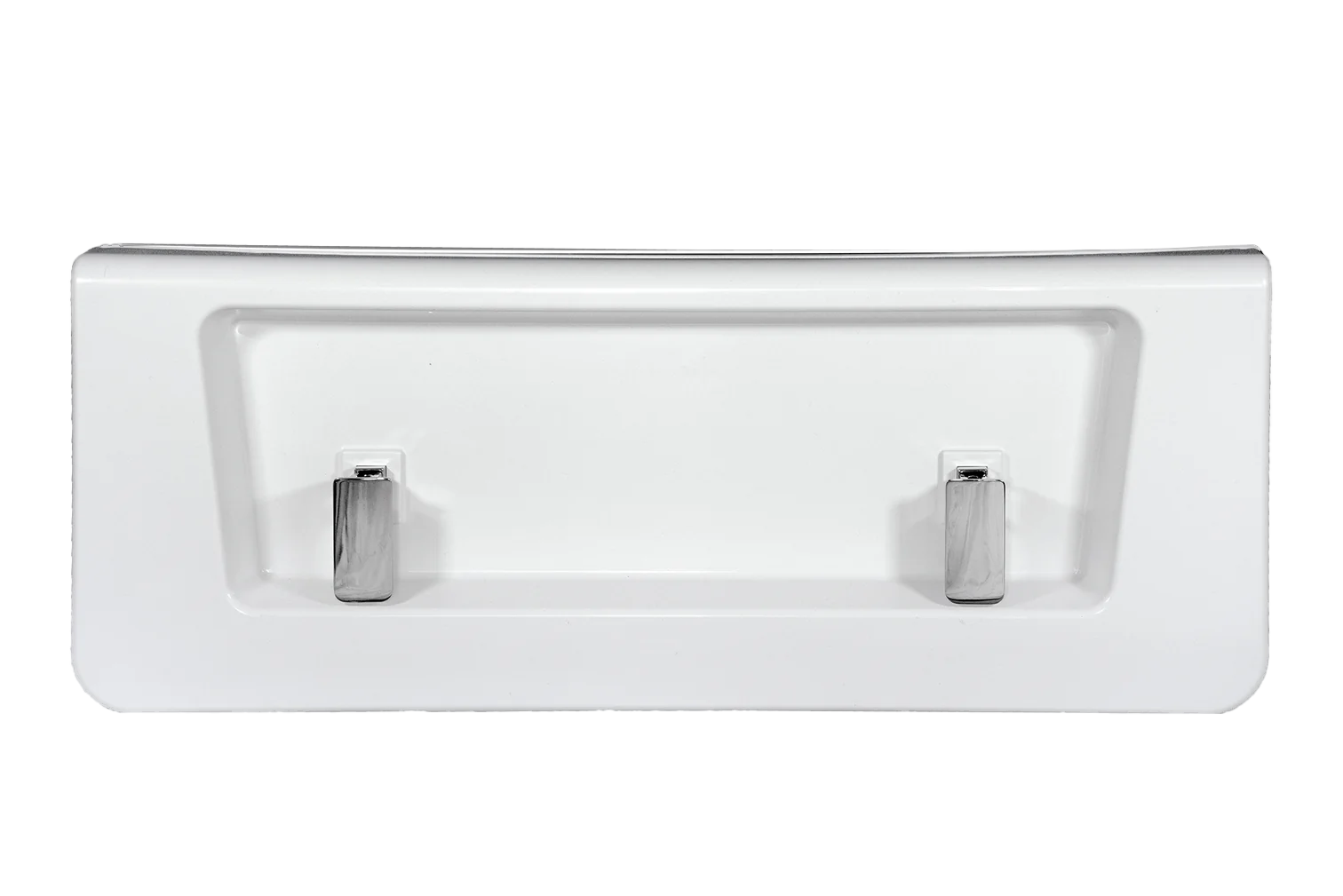
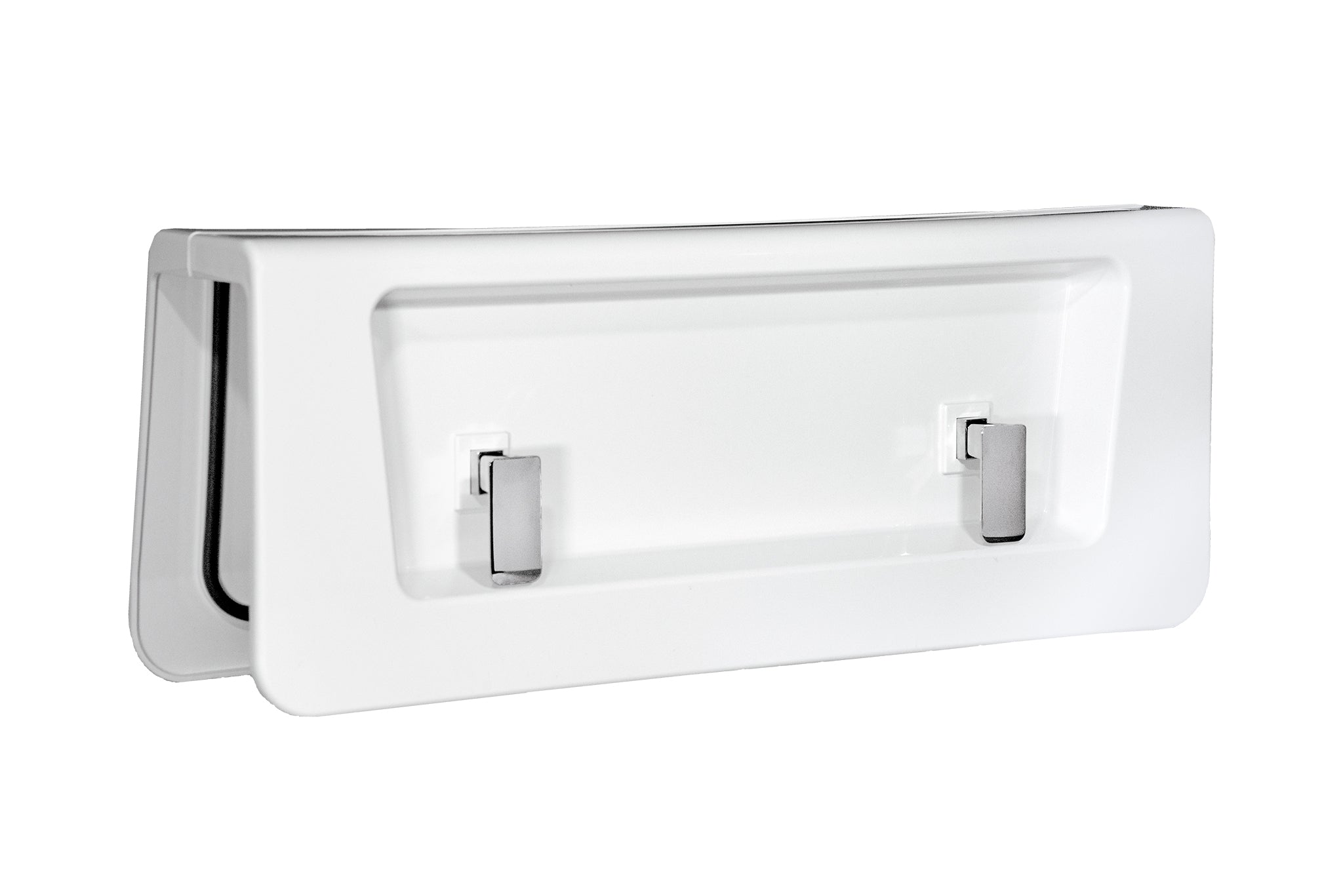
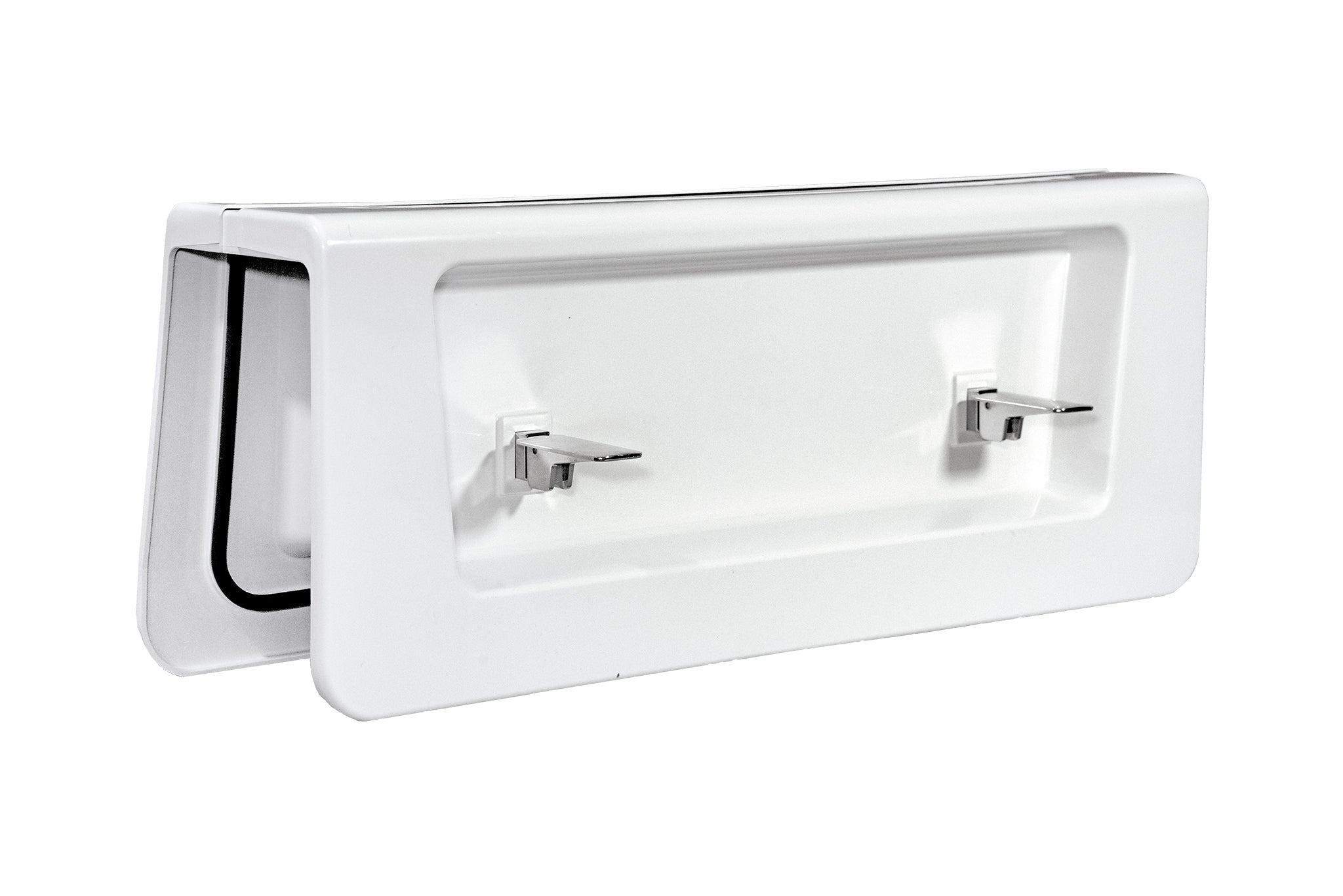
The Quick Tub® Walk-Thru Insert lowers the tub's step-over height by up to 12 inches, and the Full Convertible Kit pairs it with a cap so residents can switch back to a full bath in seconds. Either option installs in a day, at a fraction of the cost of a full remodel, which matters when a HISA grant or a capital budget has a hard ceiling.
Vetting a Manufacturer or Installation Partner
Before you commit to a budget, a few questions separate a real supplier from a reseller with good photos.
- Does it publish compliance and load data, not just marketing copy?
- Is the warranty long enough to matter?
- Five years is a reasonable time for tub inserts and grab bars?
- Is there real installation support for teams without in-house trades, through a documented process or a dealer network?
For housing authorities and nonprofits managing multiple units, it's also worth reading how other buyers of handicap bathroom equipment approached public and assisted housing projects and ADA and Fair Housing compliance before locking in a vendor.
None of this has to be complicated, and it shouldn't take a near-miss to make it a priority. A resident who feels steady in their own bathroom keeps more of their independence. A product that's specified correctly the first time keeps your team out of a second, more expensive project a year later. That's the standard worth holding every purchase to, whether you're outfitting one unit or a hundred.
FAQs - Frequently Asked Questions
What should you look for in a bathroom accessibility product?
A recognized standard behind it (ADA, FHA or ANSI, depending on the setting), installation that doesn't require excessive demolition and a manufacturer that puts load ratings and warranty terms in writing. If a listing can't answer "how much weight does this hold" and "how is it installed," keep looking.
What features make a bathroom accessibility product safe and reliable?
Structural anchoring rather than adhesive or drywall anchors alone, slip-resistant surfaces rated for wet use, corrosion-resistant materials and correct placement. A grab bar mounted at the wrong height is still a liability, even when the bar itself is compliant.
How do you choose the right bathroom accessibility product for your needs?
Match the product to the actual limitation instead of just looking at the budget. A quick-swap accessory solves a short-term or lower-mobility need; a structural conversion, like a tub-to-shower insert, solves a permanent one. When in doubt, size the fix to how long the resident will actually need it.
What materials should you look for in a bathroom accessibility product?
Type 304 stainless steel or a solid, non-porous polymer for grab bars and fixtures. Acrylic or gelcoat-fiberglass for tub and shower conversion inserts. Both resist corrosion, hold up under repeated cleaning and won't degrade under constant moisture the way lower-grade plastics or coated metals can.
How important is slip and fall protection in bathroom accessibility products?
It's the whole point. CDC national injury data shows bathroom injury rates climbing steeply with age, from about 59 per 100,000 among 15-to-24-year-olds to over 500 per 100,000 among adults 85 and older. The same report found only about 19% of homes had a grab bar installed. Slip resistance and a lower step-over height are the reason the product exists.

Share:
Adding Bathroom Accessibility to Weatherization and Critical Home Repair Programs