
Across the country, aging housing stock is creating a serious but often overlooked issue: unsafe bathrooms. High tub walls, slippery surfaces and outdated layouts can quickly turn daily routines into fall risks, especially in an elderly bathroom.
That’s why more homeowners and organizations are investing in tub-to-shower conversions. If you’re planning to convert a tub into a walk-in shower, this guide goes beyond design and installation. It shows you how to make the upgrade affordable, covering funding programs, nonprofits and practical solutions like Quick Tub products.
Why Consider a Bathtub to Shower Conversion?
Traditional bathtubs require stepping over a 15-19 inch wall. For older adults or those with limited mobility, that’s one of the most dangerous movements in the home. A bathtub to walk-in shower conversion eliminates that barrier entirely. Instead of climbing over a tub edge, users can step (or even roll) directly into a safer space. A well-planned tub-to-shower conversion helps:
- Reduce fall risk
- Support mobility limitations
- Make daily hygiene safer and easier
For many households, upgrading to showers for seniors is a critical step toward aging in place.
How Much Should You Expect to Pay for a Tub-to-hower Conversion?
Wet-area renovations like a tub-to-shower conversion cost about $8,000 to $15,000, including materials and labor. Basic acrylic systems can cost as little as $3,000 to $4,000, while custom tile showers with glass doors can exceed $15,000. Costs increase with plumbing changes, demolition and structural modifications.
The costs vary depending on prefabricated or custom systems, plumbing relocation and demolition complexity (especially cast iron tubs). Whether you're planning a simple tub-to-shower update or a full remodel, understanding these ranges helps you plan effectively.
Top Benefits When You Convert a Tub to a Walk-in Shower
- Improved safety and accessibility: A tub-to-shower conversion replaces a hazardous step-in tub with a low or zero-threshold entry, one of the most important bathroom upgrades for seniors.
- Enhanced independence: Walk-in designs allow users to bathe without assistance, making them ideal for bathroom remodeling for seniors focused on dignity and autonomy.
- Easier cleaning and maintenance: Modern shower systems are easier to clean and more hygienic than traditional tubs with grout-heavy tile.
- Space efficiency and modern design: Removing a bulky tub opens up the room, making the entire bath remodel for seniors feel larger and more functional.
Essential Bathroom Upgrades for Seniors: Conversion Types
When planning bathroom upgrades for seniors, choosing the right type of conversion is key.
Full Walk-In Shower Remodel
This is the most comprehensive approach. It only consists of removing the tub and installing a brand-new walk-in shower system. It’s ideal for long-term accessibility but comes at a higher cost.
Tub Cut-Out Systems
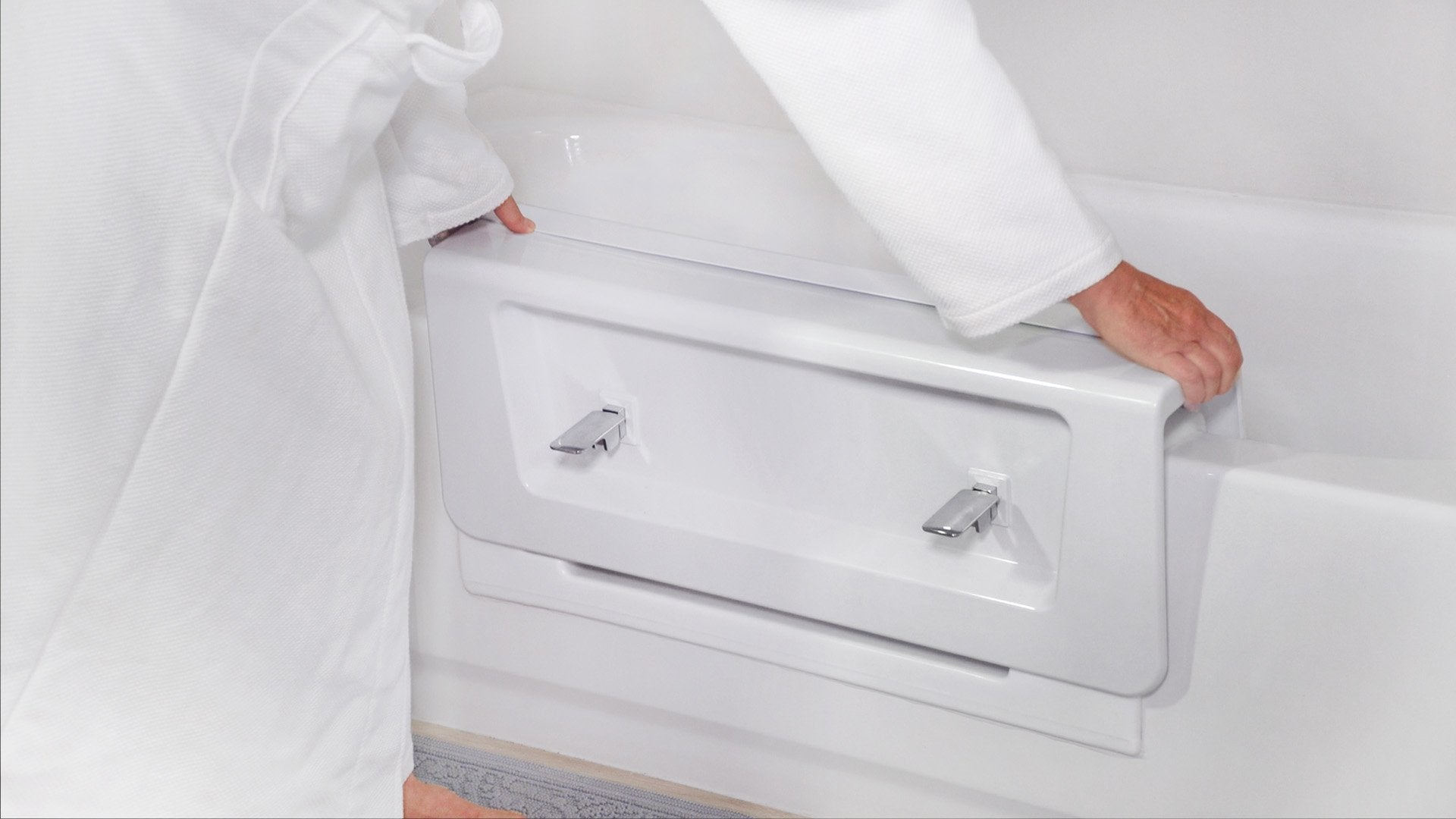
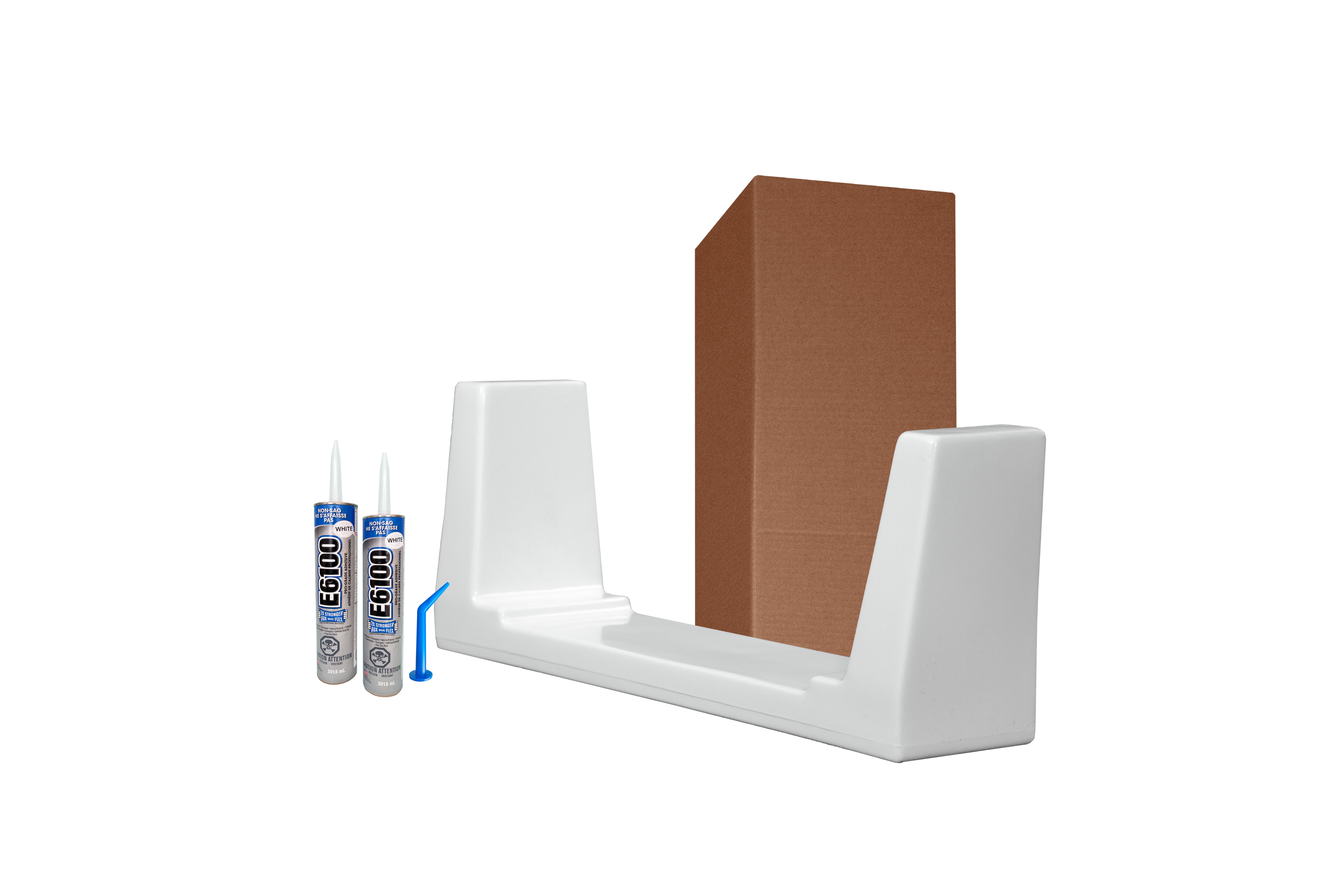
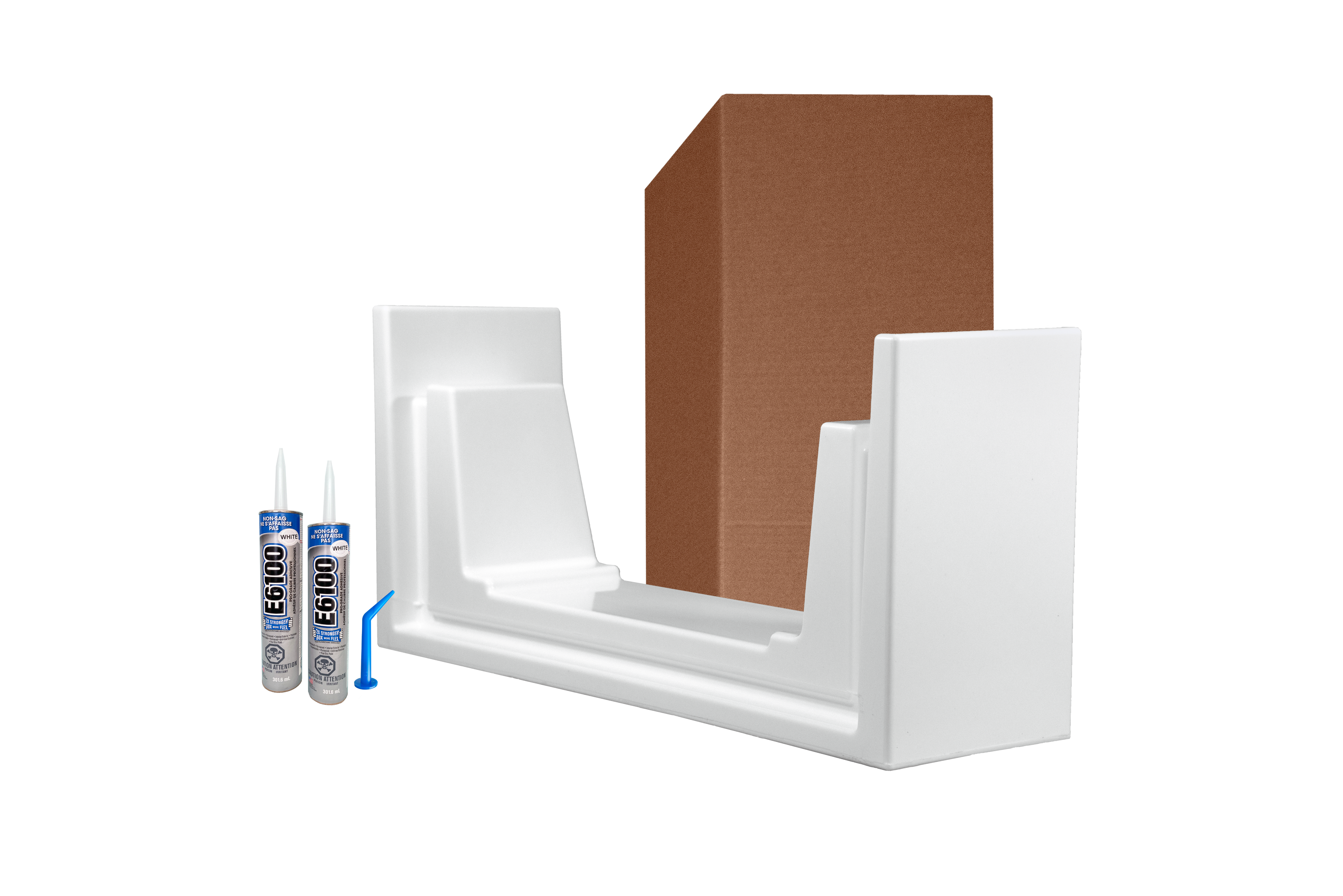
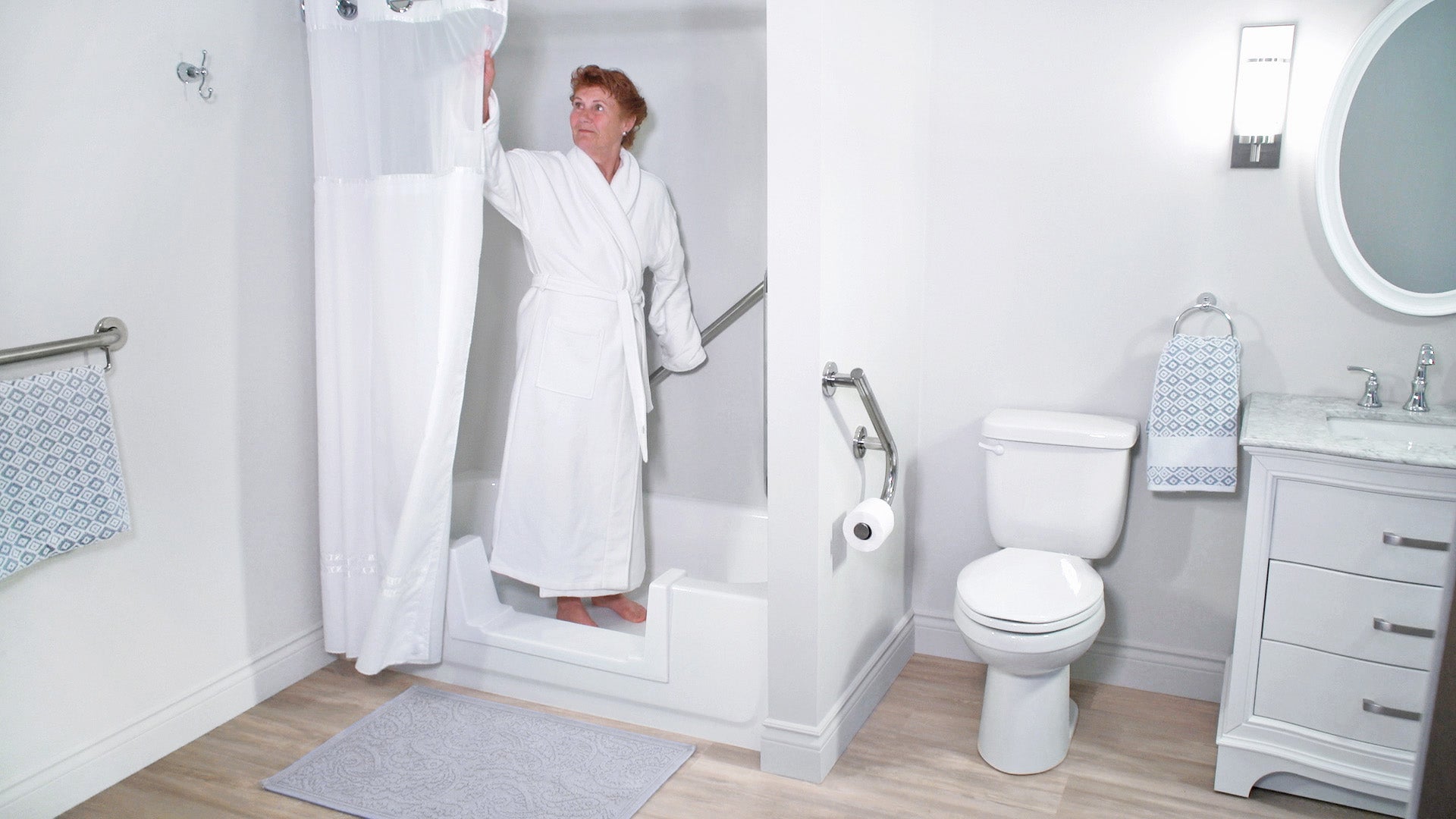
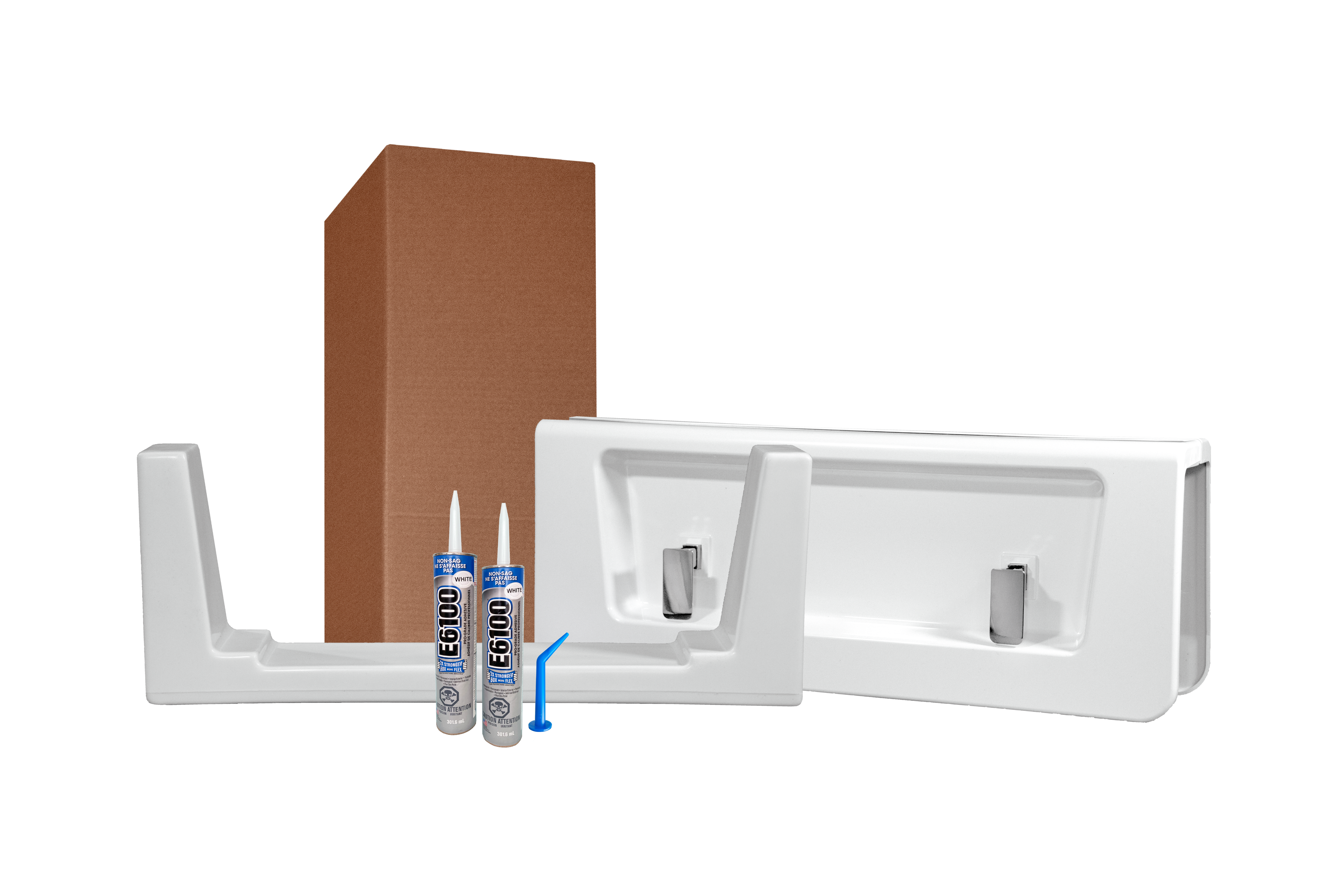
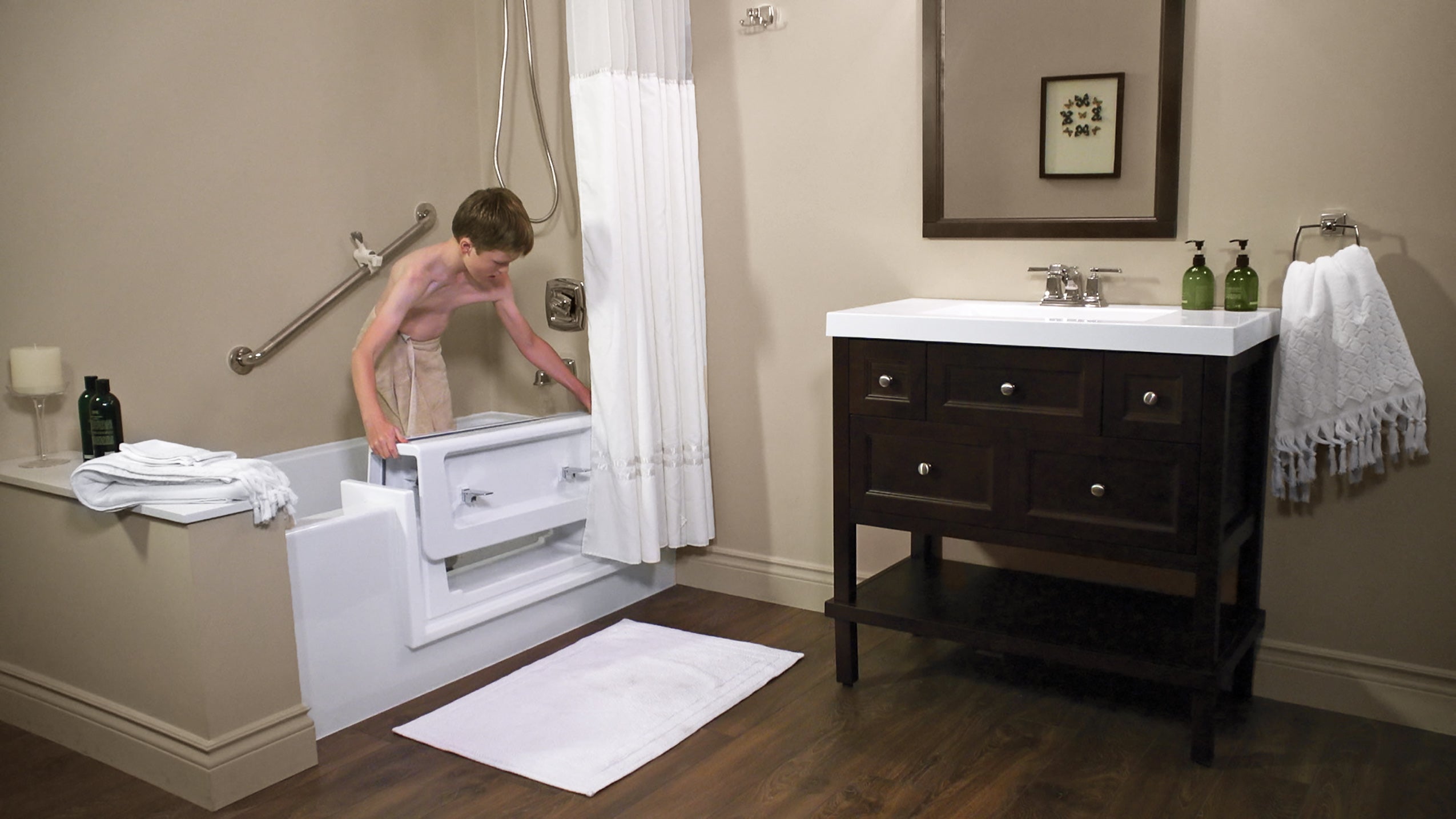
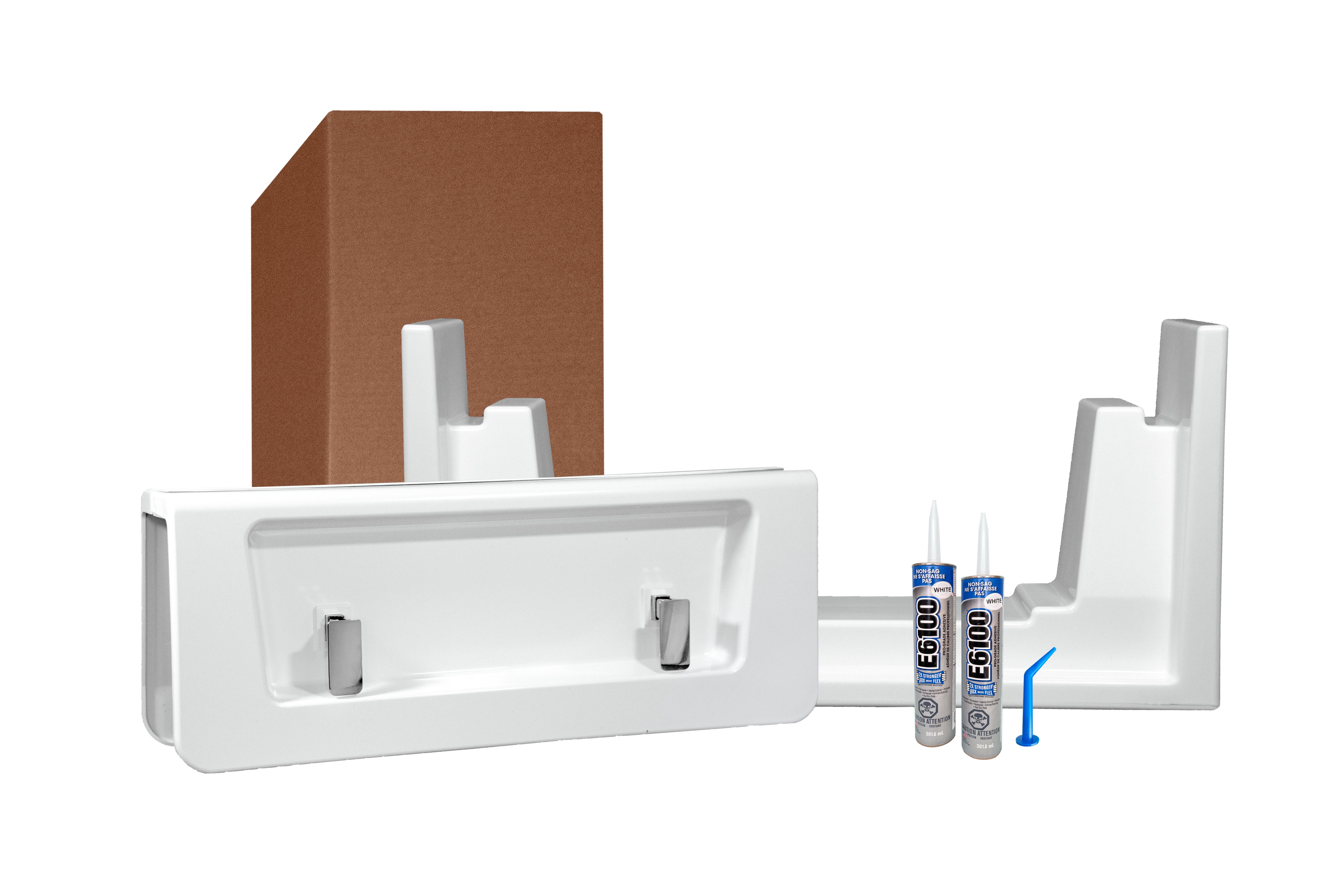
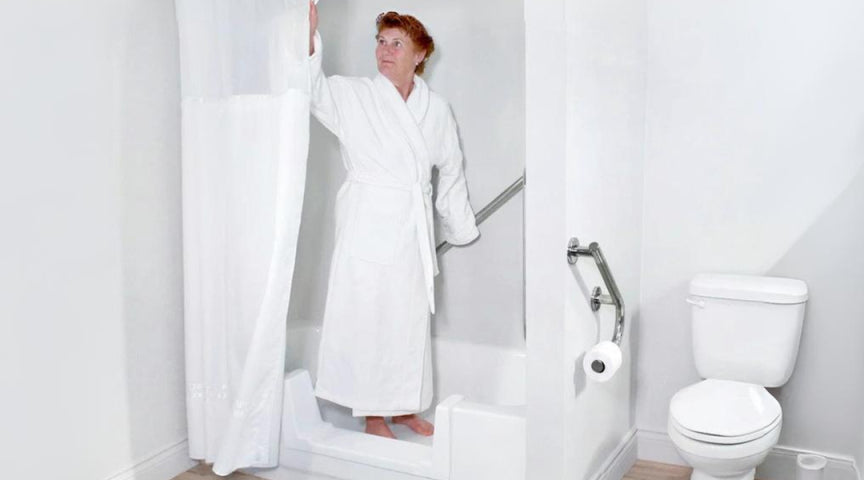
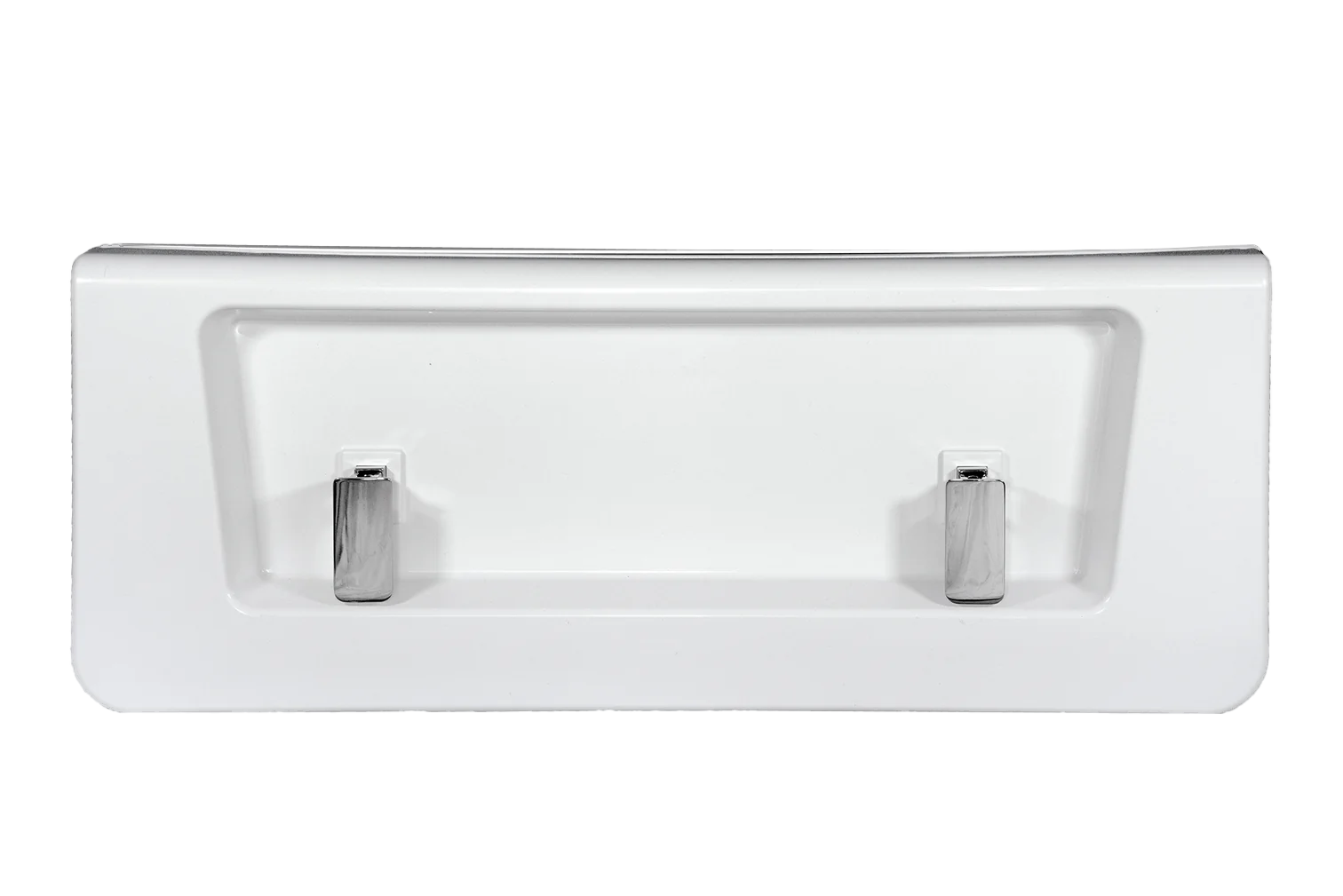
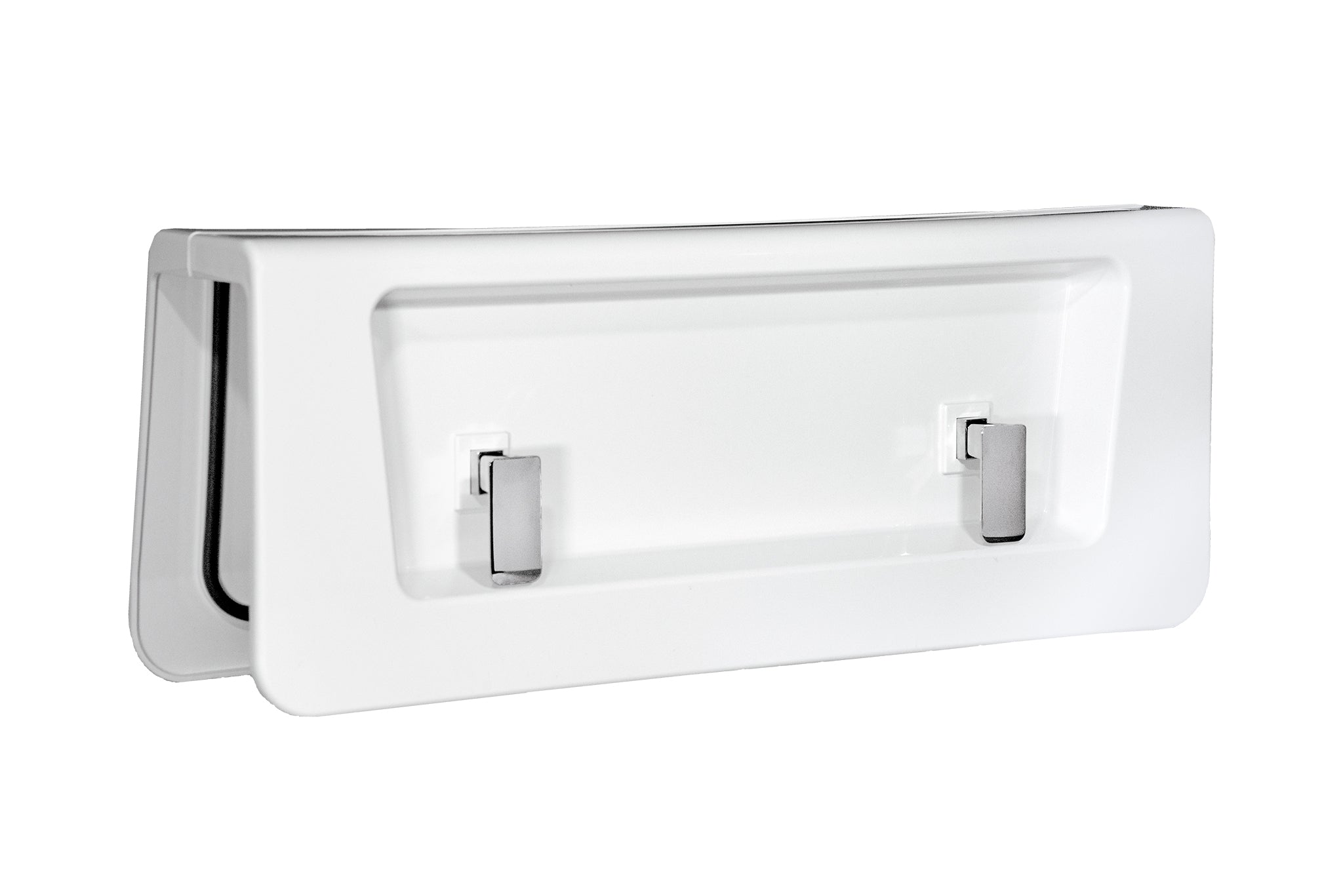
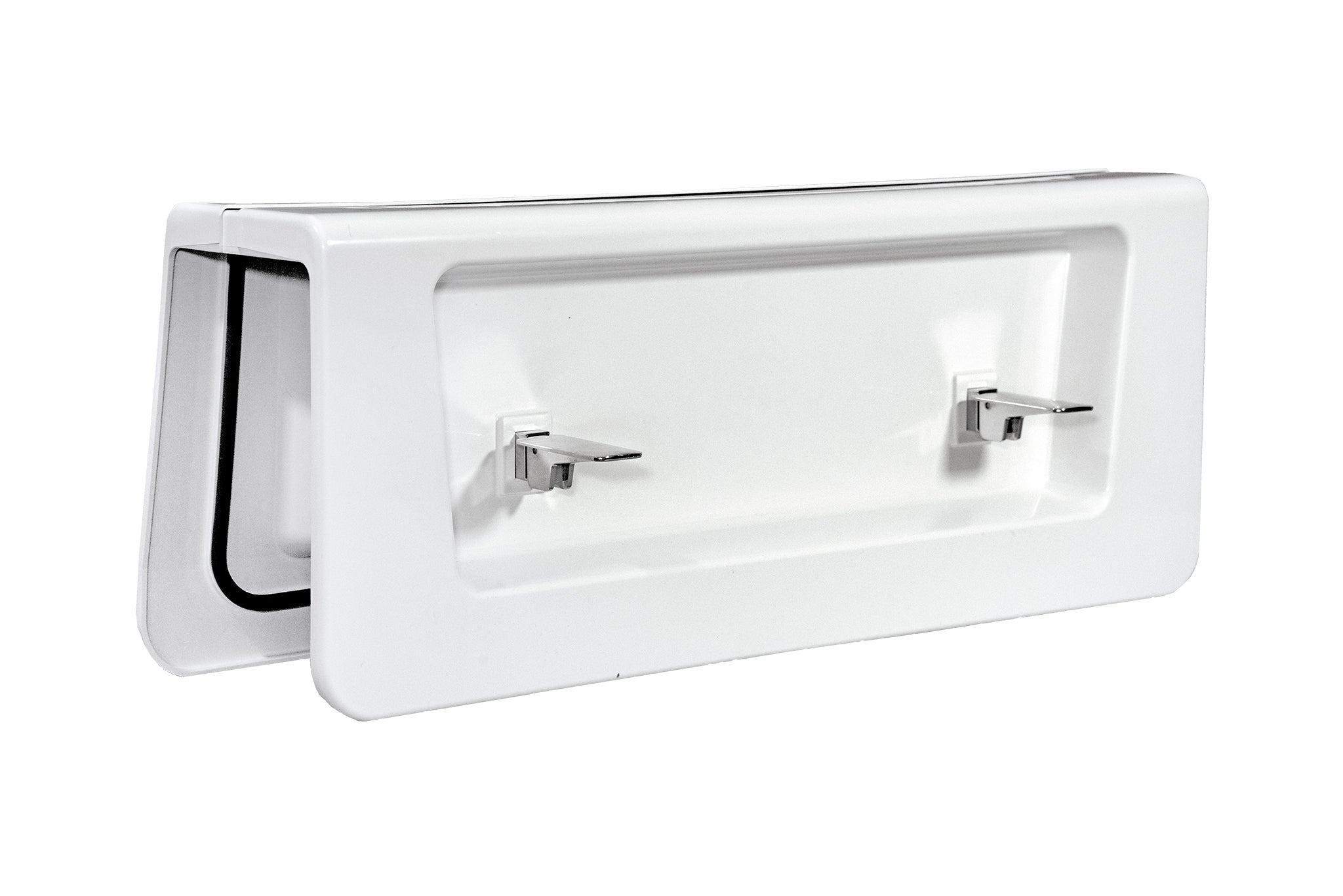
For a faster, more affordable option, tub cut-out systems, like those offered by Quick Tub®, modify your existing tub by removing a section to create a low step-in entry. This solution costs significantly less than full tub-to-shower conversions, can be installed in just about 4 hours and provides immediate safety improvements.
Quick Tub® products are especially valuable for nonprofits and grant-funded bathroom remodeling for seniors, where budgets are limited but safety is urgent.
Complementary Features for Safety
To fully optimize showers for seniors, include grab bars, built-in or fold-down seating, handheld showerheads and anti-slip flooring. These features are essential in any walk-in shower ideas for the elderly planning process.
How to Fund Your Shower Conversion: Grants, Nonprofits and Medicaid
The biggest barrier to a tub-to-shower conversion is often cost, but there are many programs designed to help.
-
Medicare and Insurance
Original Medicare typically does not cover a tub-to-shower upgrade. However, some Medicare Advantage plans may offer partial coverage if medically necessary.
-
Senior and Aging-in-Place Organizations
Organizations such as Area Agencies on Aging (AAAs), AARP affiliates or local aging-in-place nonprofits often support bath remodeling for seniors through grants or referrals.
-
Disability and Accessibility Nonprofits
Ever heard of United Cerebral Palsy, MS societies, Arthritis foundations or centers for Independent Living (CILs)? They frequently fund or recommend tub-to-shower conversions for people with mobility challenges.
-
Veterans Programs
Veterans may qualify for significant support for a bathtub to walk-in shower conversion. Look for support at VA housing grants or organizations like Wounded Warrior Project or Disabled American Veterans (DAV)
-
Housing and Community Development
Habitat for Humanity, HUD Section 504 programs and Community Action Agencies are groups that often fund bathroom remodeling for seniors, especially for low-income households.
-
Medicaid Waiver Programs
Many states cover accessibility upgrades, including shower conversions, through Medicaid waivers.
Steps to a Successful Bath to Shower Conversion
A successful project follows a clear, step-by-step process to ensure safety, code compliance and long-term durability:
- Planning and design: Choose materials and features that support long-term use, especially in an elderly bathroom.
- Demolition: Old tubs are removed. This can be simple or complex depending on the material.
- Plumbing adjustments: Drain sizes often need updating when switching from a tub to a shower.
- Installation and finishing: The new shower system is installed, sealed and equipped with safety features.
Whether you choose a full remodel or a Quick Tub® solution, proper execution ensures durability and safety.
Are There Drawbacks to Converting a Bathtub to a Shower?
While the benefits are significant, there are a few considerations to keep in mind. Some buildings or HOAs may regulate plumbing changes, which can affect your project scope. From a resale perspective, it’s generally recommended to keep at least one bathtub in the home for families with children. Additionally, since tubs often provide built-in storage space, your new shower design should include niches or shelving to maintain functionality.
Start Your Tub-to-Shower Conversion Today
A tub to shower conversion is one of the most impactful upgrades you can make for safety, independence and long-term comfort. Whether you choose a full remodel or a cost-effective Quick Tub® solution, the benefits are immediate and lasting.
With funding options available through nonprofits, Medicaid and housing programs, bathroom remodeling for seniors is more accessible than ever. Start exploring your options today and take the first step toward a safer home.
FAQs - Frequently Asked Questions
What is an aging-in-place bathroom?
An aging-in-place bathroom is designed for long-term safety and accessibility, featuring elements like walk-in showers, grab bars and non-slip flooring, which are considered key components of bathroom upgrades for seniors.
How can I make my bathroom safe for seniors?
Focus on reducing fall risks by installing grab bars, improving lighting, using anti-slip surfaces and completing a tub-to-shower conversion.
Does Medicare cover safety showers?
Original Medicare usually does not cover them. However, some Medicare Advantage plans may provide partial coverage if the upgrade is medically necessary and prescribed by a doctor.

Share:
Handicap Bathroom Ideas That Support Independent Living
Partnering With Home Modification Providers: What Nonprofits Should Look For