

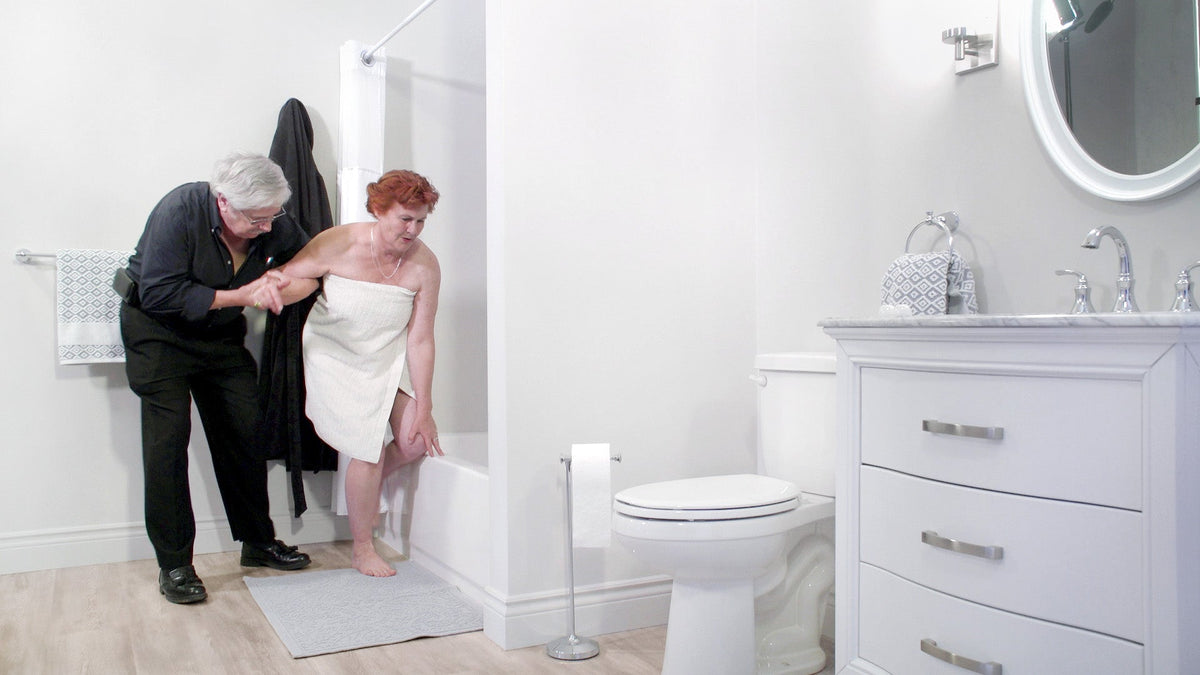
TLDR; A temporary accessible bathroom can make recovery after surgery or injury safer without requiring a costly renovation. Shower chairs, transfer benches, raised toilet seats, handheld showerheads and carefully chosen bathroom mobility aids can reduce bending, twisting and fall risk while protecting a healing body.
Returning home after surgery or an acute injury can feel overwhelming. Everyday tasks, including getting into the shower, sitting on the toilet and moving across a wet floor, may suddenly require more strength, balance and coordination than you have available.
The goal of a temporary accessible bathroom is not to redesign your home permanently. It is to create a safer setup for the recovery period using practical, damage-free equipment that can be removed, stored or returned later.
Always follow your surgeon’s instructions regarding weight-bearing, bathing, wound care and cast protection. If you are unsure whether a particular setup is safe, ask your healthcare provider, physical therapist or occupational therapist before using it.
Why Bathroom Safety Matters
Bathrooms combine several hazards:
- Hard surfaces
- Watery, slippery floors
- Tight turning spaces
- Transfers between standing and sitting
Pain, weakness, crutches and limited range of motion can make these movements more difficult. Medication may also cause dizziness or drowsiness. A well-planned handicap bathroom setup can reduce the need to stand for long periods, reach across slippery surfaces or twist while supporting an injured limb. It can also preserve privacy and independence during a vulnerable time.
MedlinePlus recommends preparing the home before discharge, keeping essential items within reach and asking healthcare professionals about appropriate equipment. Its guidance includes shower chairs, raised toilet seats, commodes, grab bars, non-slip mats and nightlights.
Temporary Bathroom Solutions
Several non-permanent products can quickly make a standard bathroom safer:
- Shower chairs
- Tub transfer benches
- Raised toilet seats
- Over-the-toilet safety frames
- Suction-cup grab bars used according to the manufacturer’s instructions
- Handheld showerheads and non-slip bath mats
These handicap aids for bathroom use are often available through medical-supply stores, pharmacies, community loan closets or rental programs. Some may qualify as Durable Medical Equipment, but coverage depends on the insurer, prescription requirements and individual policy.
Creating an Accessible Shower
An accessible shower setup should allow you to bathe while seated whenever standing is painful or unsafe. A shower chair is appropriate for many walk-in showers, while a tub transfer bench extends across the tub so you can sit down outside it and slide over the edge.
A handheld showerhead with a long hose can reduce reaching and twisting. Keep soap, shampoo and towels at waist height, and use a non-slip mat inside the bathing area and a non-skid mat outside it. The floor outside the tub or shower should remain dry.
If you are searching for handicap showers or a handicap walk-in shower, remember that online labels vary. A temporary shower chair and transfer bench may be enough for short-term recovery, while a permanent accessible handicapped shower may require structural work, professional installation and a more detailed assessment.
Making the Toilet Safer
Sitting down and standing up can place significant strain on healing knees, hips, backs and legs. A raised toilet seat reduces the distance you need to bend. Models with locking mechanisms or side arms may provide additional support, but they must match the toilet and be installed correctly.
An over-the-toilet safety frame can provide hand support without drilling into the wall. During the earliest stage of recovery, a bedside commode may be safer than walking to the bathroom, particularly if the bedroom and bathroom are on different floors.
Do not use a towel rack as a grab bar. It is recommended securing grab bars vertically or horizontally and using them for tub and toilet transfers.
How to Bathe with a Broken Leg
If you are learning how to bathe with a broken leg, protect the cast or splint and avoid placing weight on the injured limb unless your clinician has specifically approved it.
- Ask your medical team whether the cast or dressing may get wet. Use a purpose-made waterproof cast cover when possible.
- Prepare everything first; towel, clean clothes, soap, prescribed equipment and a dry place to sit. Avoid leaving the shower to retrieve forgotten items.
- Use a properly positioned tub transfer bench or shower chair. Sit down before moving the injured leg over the tub wall.
- Keep the broken leg supported and follow your prescribed elevation or weight-bearing instructions. Do not hop across a wet floor.
- Use a handheld showerhead so you can wash while seated. Keep the cast outside the water if your clinician has instructed you to do so.
- Dry the floor and yourself before standing. If possible, have another adult nearby during early showers.
A plastic bag secured with tape is sometimes suggested as a quick solution, but it may leak, loosen or restrict circulation if applied incorrectly. A manufactured cast cover is generally more reliable; never use a covering as permission to submerge a cast or ignore medical instructions.
Small and Wheelchair-Accessible Bathrooms
A home bathroom is rarely as spacious as a public wheelchair accessible bathroom. Even wheelchair accessible bathrooms may have limited turning space, so measure the route from the bedroom to the toilet and shower before buying equipment. For a small accessible home bathroom:
- Remove throw rugs, baskets, unnecessary furniture and loose cords.
- Move daily toiletries to waist height.
- Add motion-sensor nightlights for nighttime trips.
- Keep a clear path wide enough for the walker, crutches or wheelchair.
- Consider an outward-opening door, offset hinges or temporarily removing the door only if it can be done safely and permitted in the home.
- Place a firm chair near the sink if standing to groom is difficult.
Reversible Accessibility Modifications
Yes, many short-term bathroom disabled equipment options can be removed or reversed after recovery.
Shower chairs, transfer benches, commodes and toilet risers can be cleaned, folded, stored, donated or returned. Floor-to-ceiling tension poles may provide temporary balance support without permanent drilling, provided they are installed on suitable surfaces and checked regularly.
Suction-cup grab bars are convenient, but they should not automatically be treated as full body-weight support. Follow the manufacturer’s instructions, inspect the surface and test the bar before every use. For someone who needs dependable weight-bearing assistance, professionally installed wall-mounted grab bars are usually the safer choice.
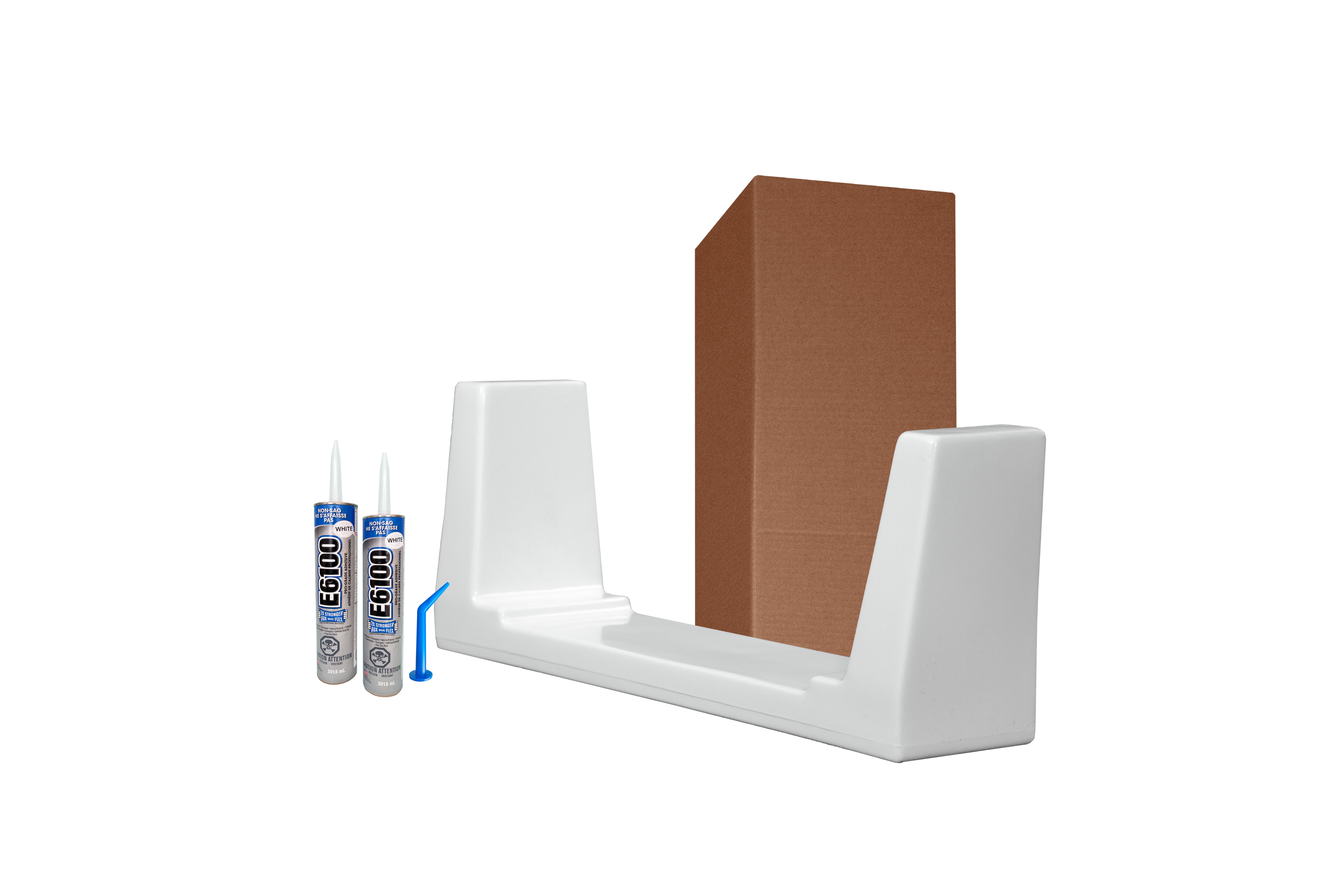
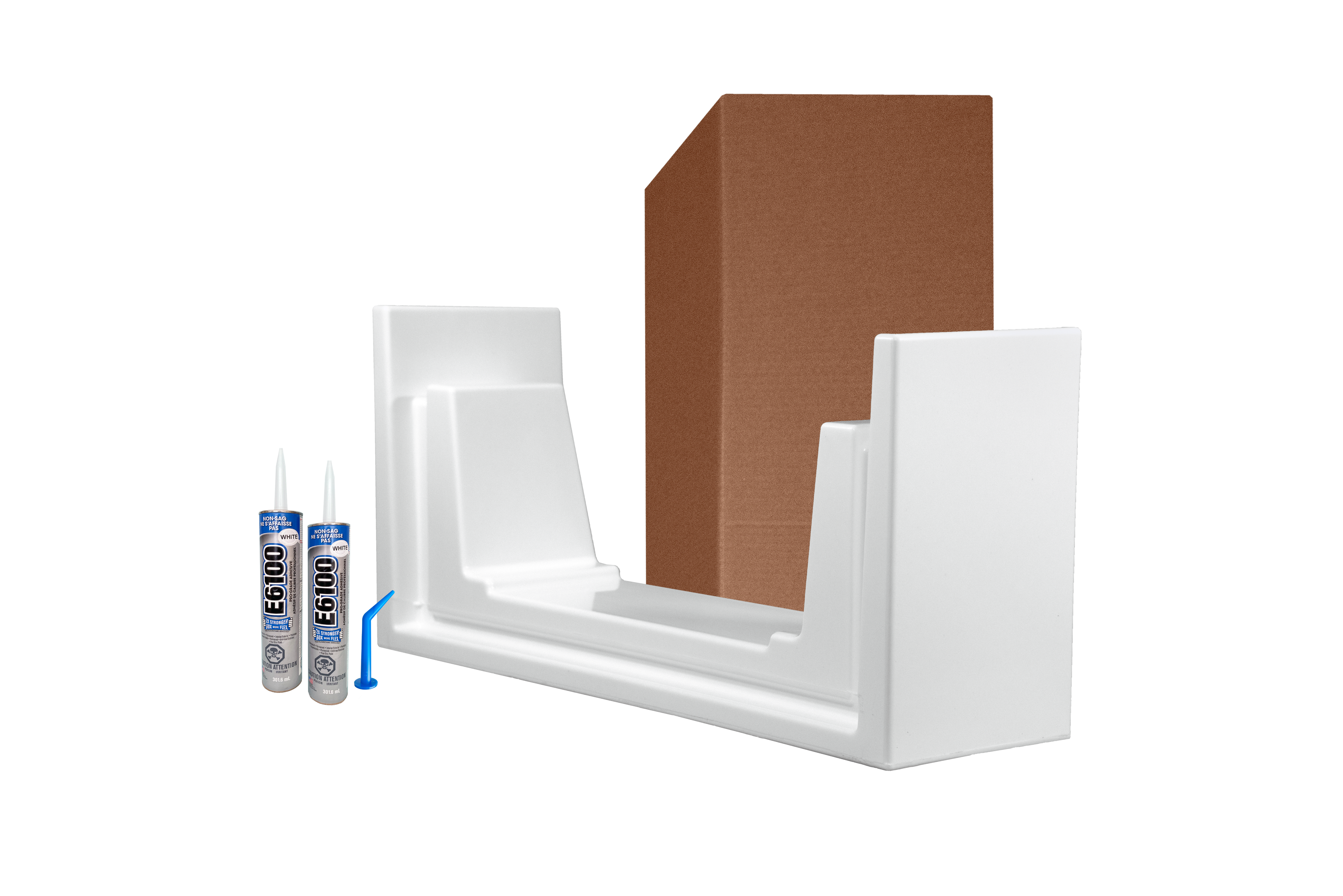
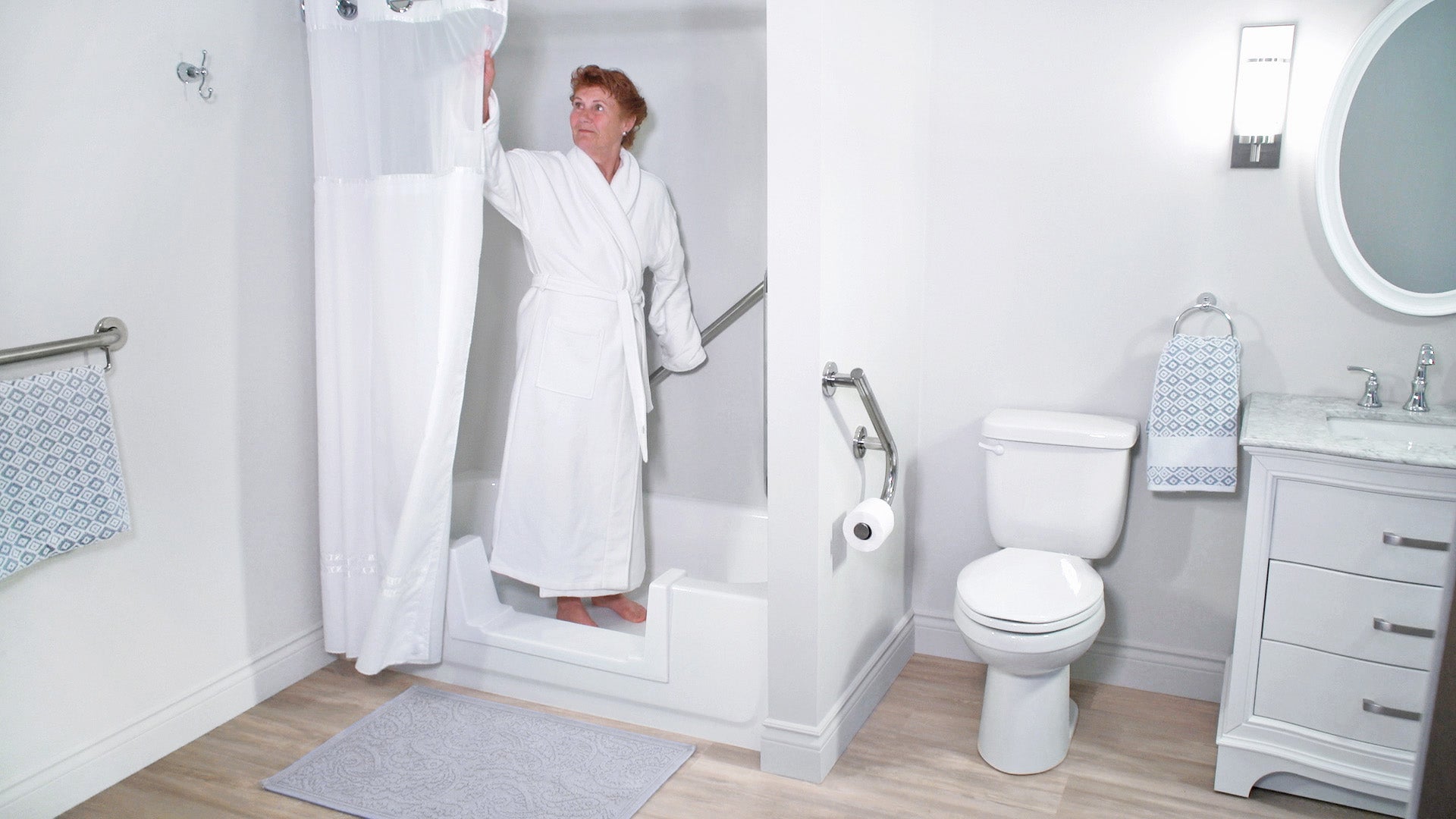
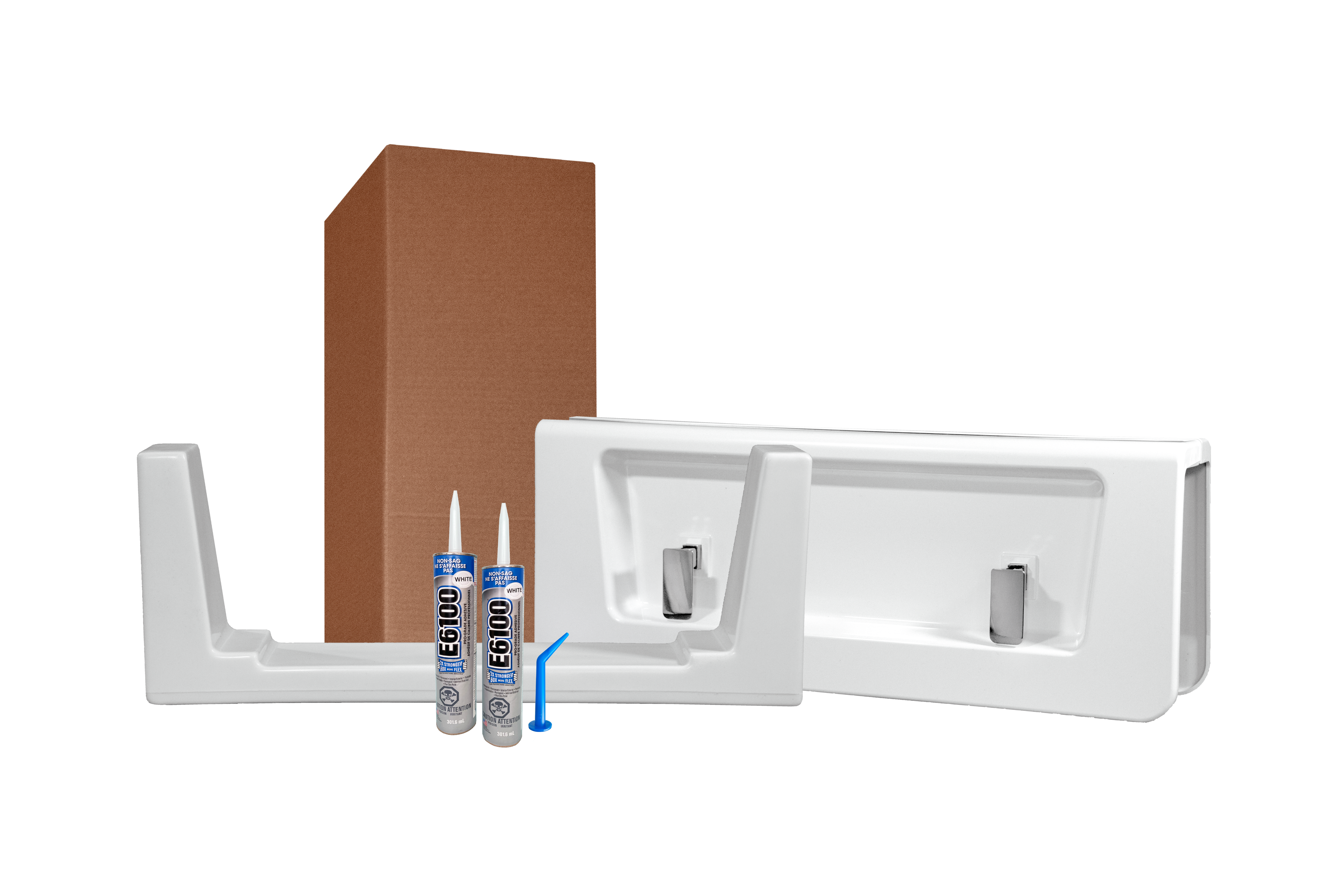
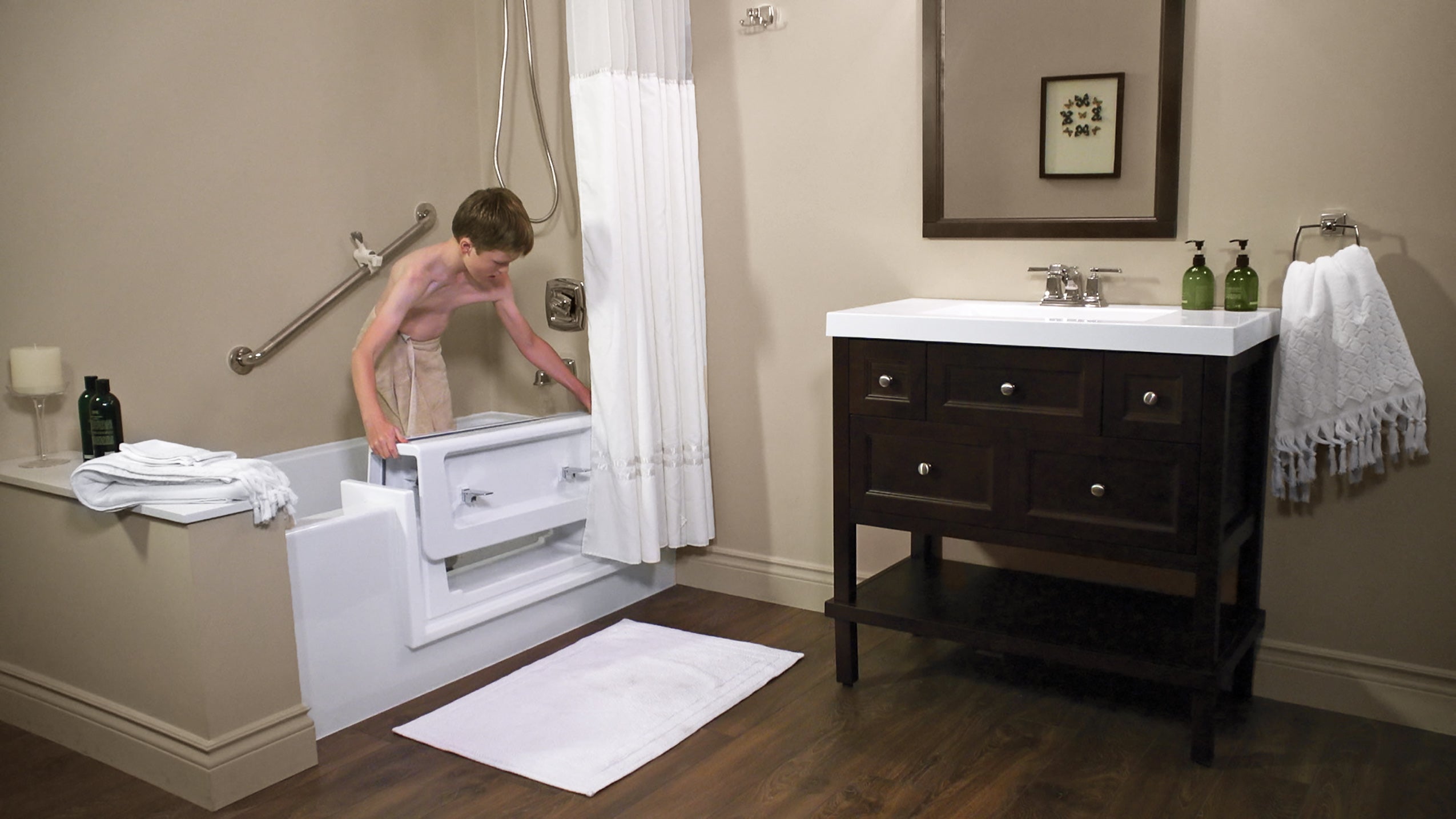
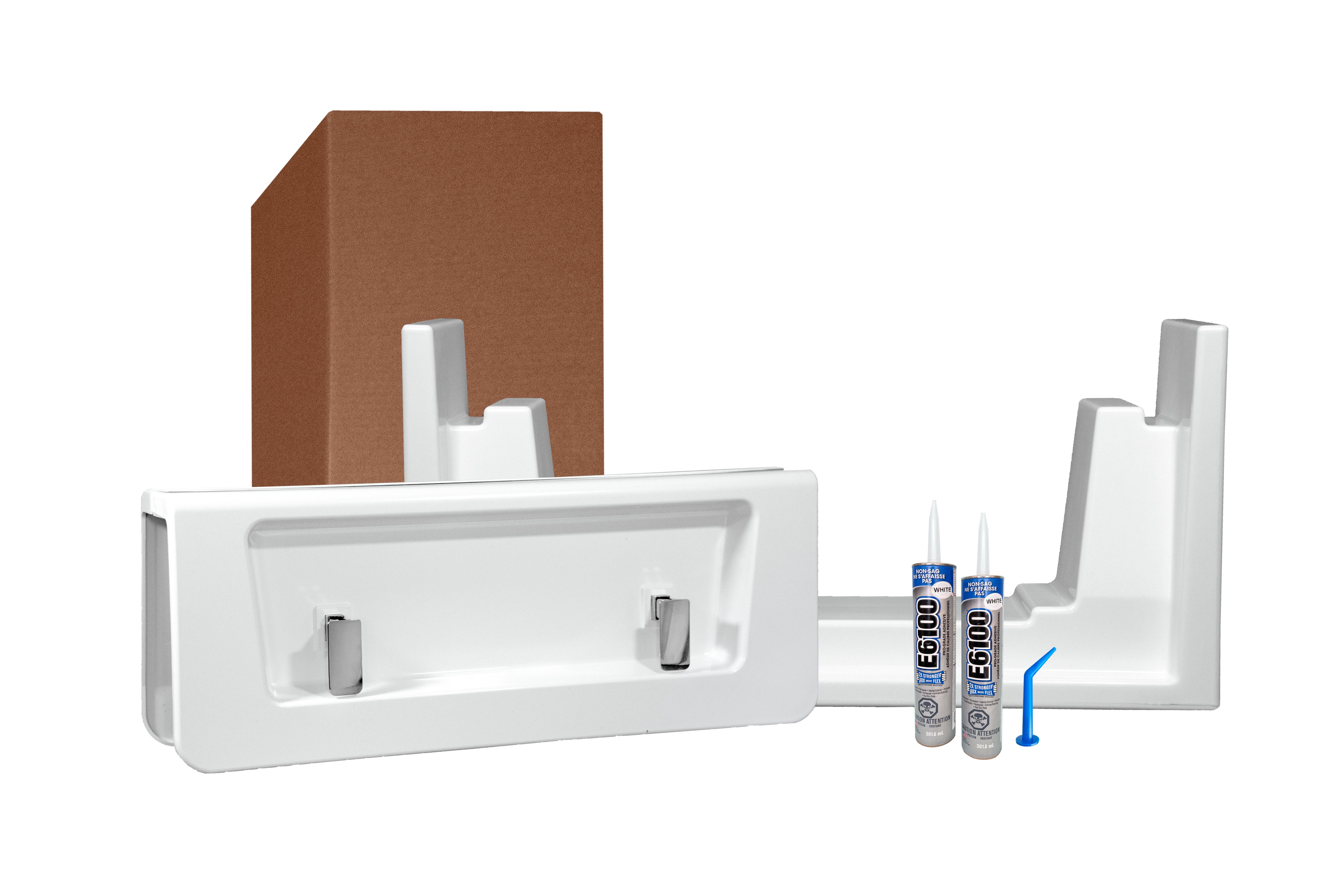
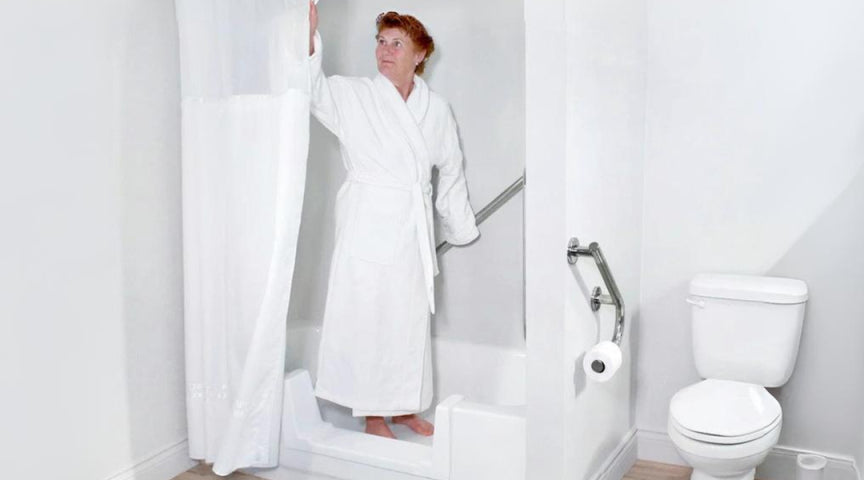
A permanent product can sometimes be useful even during temporary recovery. The Quick Tub® Walk-Thru Insert lowers the wall of an existing bathtub by approximately 9–12 inches, creating step-in access without a full-scale bathroom renovation. Installing it only takes about 2–4 hours and can be completed professionally or even by yourself.
For households that want bathing flexibility, the Quick Tub® Full Convertible Kit combines the Walk-Thru Insert with a Quick Tub® Cap, allowing the tub to convert between a step-in shower and a functional bathtub. This is not a temporary medical device, so users should still consider their clinician’s advice, transfer ability and the need for a shower seat or grab bars.
Planning Before Discharge
The safest time to prepare an ADA home bathroom setup is before returning from the hospital. Ask your care team to demonstrate transfers with your walker, crutches or wheelchair, and have a caregiver practice the routine before the first shower.
A temporary setup does not need to look institutional or damage your rental. With the right bathroom mobility aids, clear pathways and a realistic understanding of your limitations, you can reduce unnecessary strain and lower the risk of setbacks while you heal.
FAQs - Frequently Asked Questions
What bathroom accessibility modifications can help during short-term recovery after an injury or surgery?
Useful options include a shower chair, tub transfer bench, handheld showerhead, raised toilet seat, bedside commode, non-slip mats, suitable grab bars and motion-sensor nightlights.
Why is bathroom safety important during recovery from an injury or surgery?
Pain, weakness, restricted movement and medication side effects can make transfers and walking less stable. A safer bathroom reduces strain on the healing area and helps prevent falls.
How can bathroom accessibility reduce the risk of slips and falls during recovery?
Seated bathing, dry non-slip surfaces, clear walkways and support equipment reduce standing, reaching, twisting and hopping. Equipment should be correctly fitted and used as instructed.
What temporary bathroom accessibility solutions are available for short-term recovery?
Shower chairs, transfer benches, raised toilet seats, commodes, over-the-toilet frames, handheld showerheads, non-slip mats and some tension-pole supports can often be rented, borrowed or removed later.
Can bathroom accessibility modifications be removed or reversed after recovery?
Usually, yes. Most freestanding equipment and toilet accessories can be removed without construction. Suction products and tension poles are also designed for temporary use, but they must be installed and checked according to the manufacturer’s instructions.

Share:
Best Bathroom Safety Upgrades for Seniors Who Rent Their Homes