Every year, nonprofits, housing authorities and community health organizations face the same painful math. A growing list of vulnerable individuals who need safer homes, and a budget that runs out long before the list does. When the mission is to help seniors, veterans and people with disabilities live safely and independently, every dollar has to work harder than the last.
Bathroom safety sits at the center of that challenge. The bathroom is statistically one of the most dangerous rooms in any home, and for the populations these organizations serve, the risks are not theoretical. Falls are the leading cause of injury-related death among adults ages 65 and older. That is the scale of the problem these programs exist to address. The question is how to act efficiently enough to make a real dent.
What Is a Quick Tub?
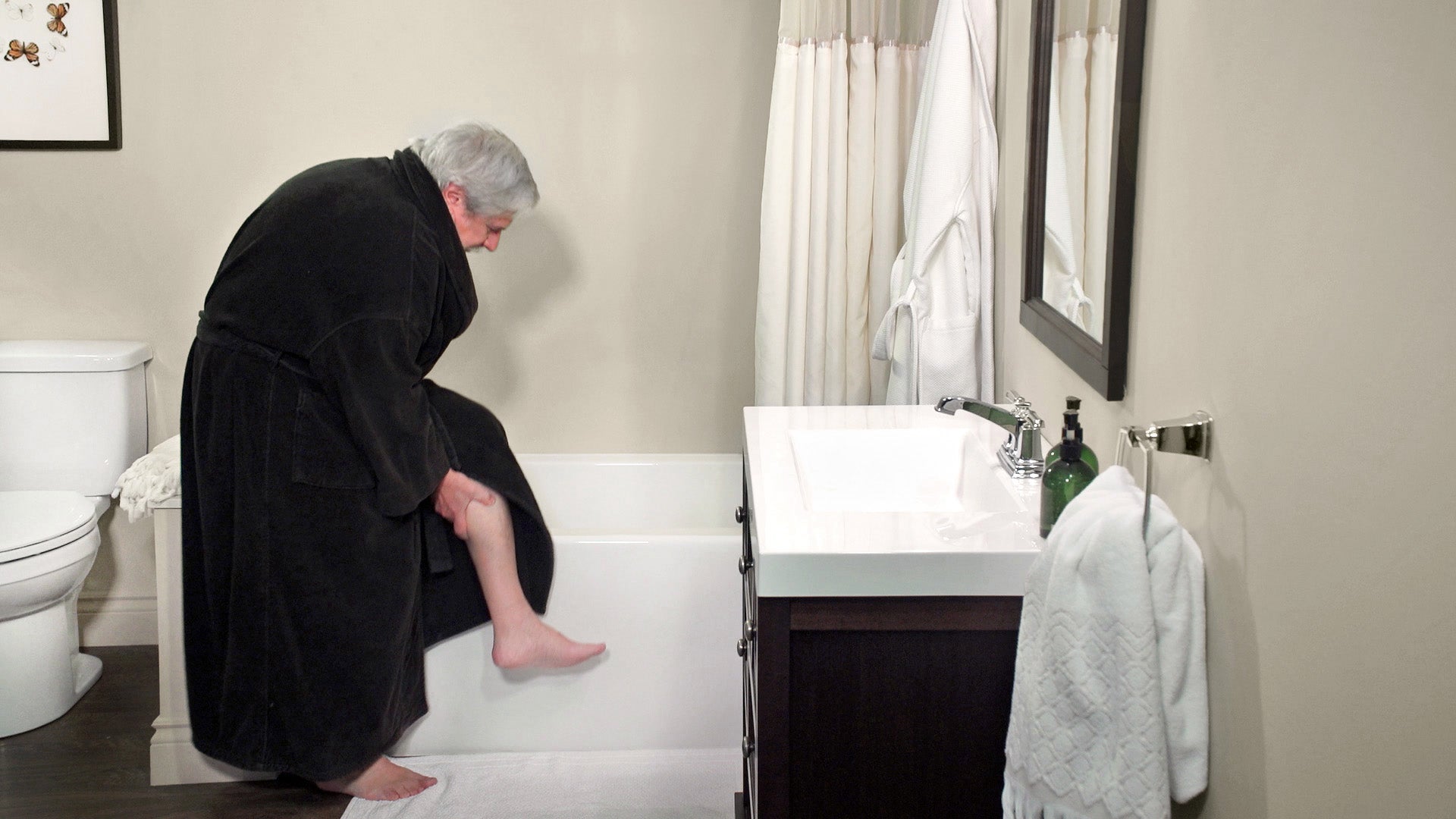
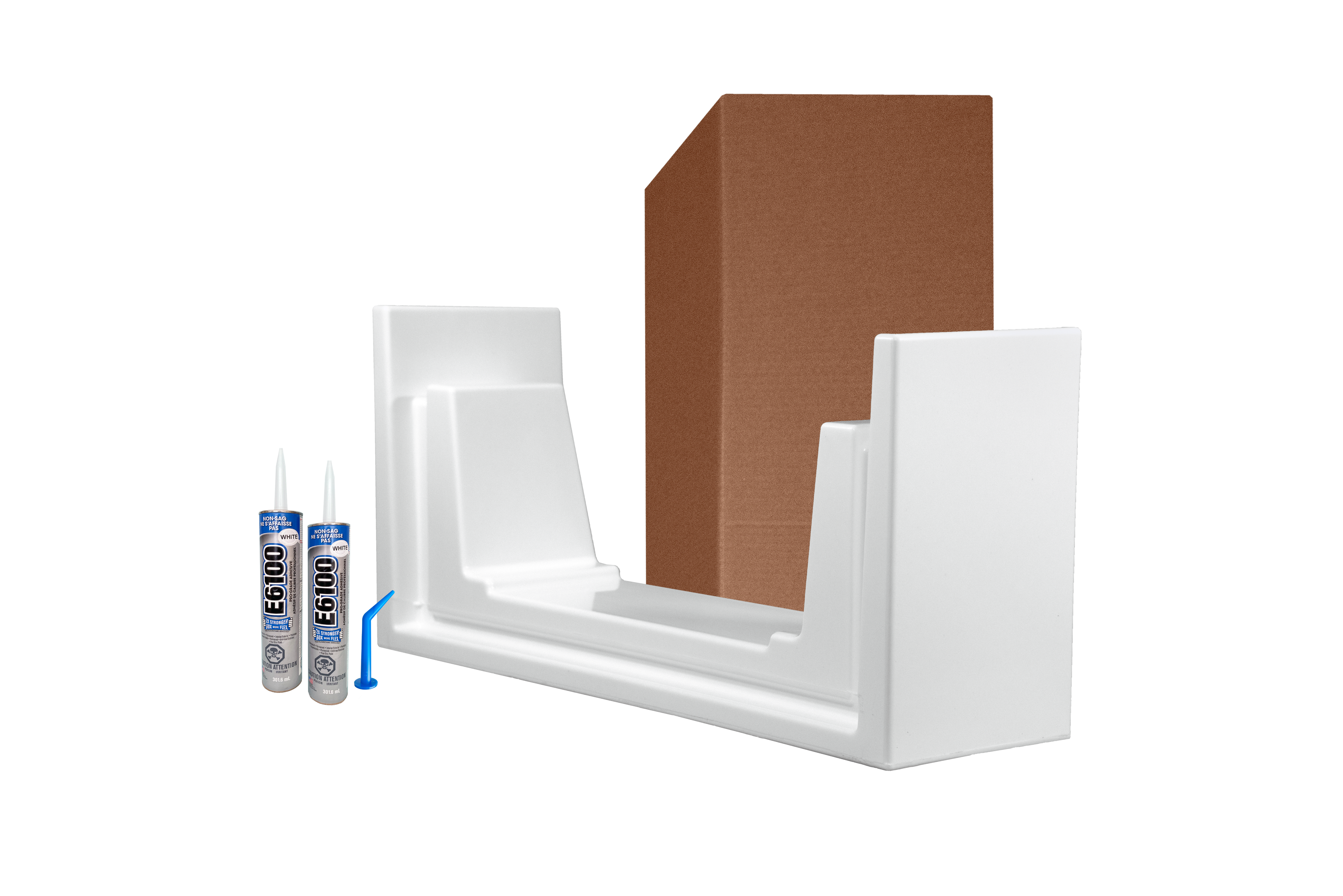
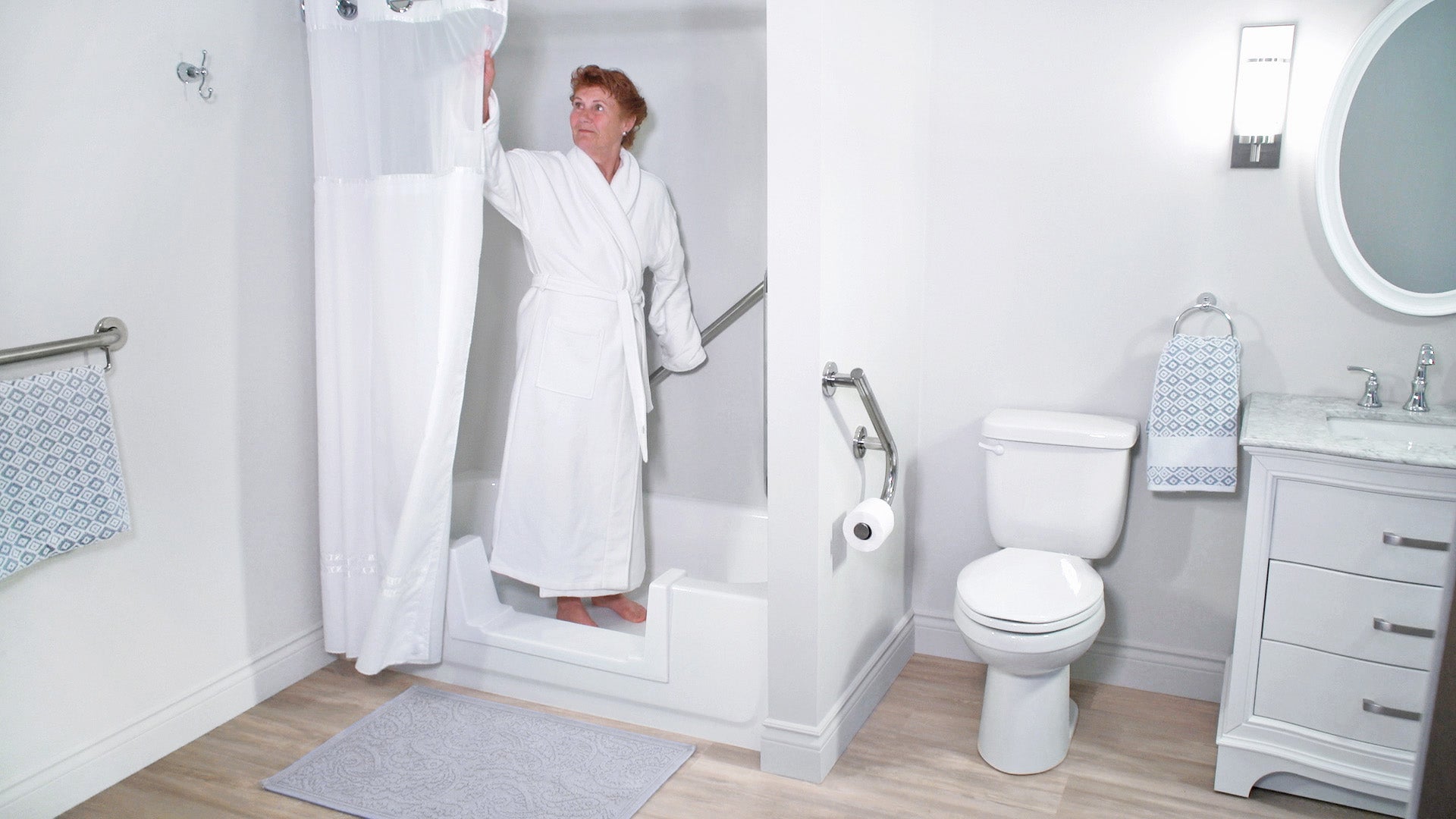
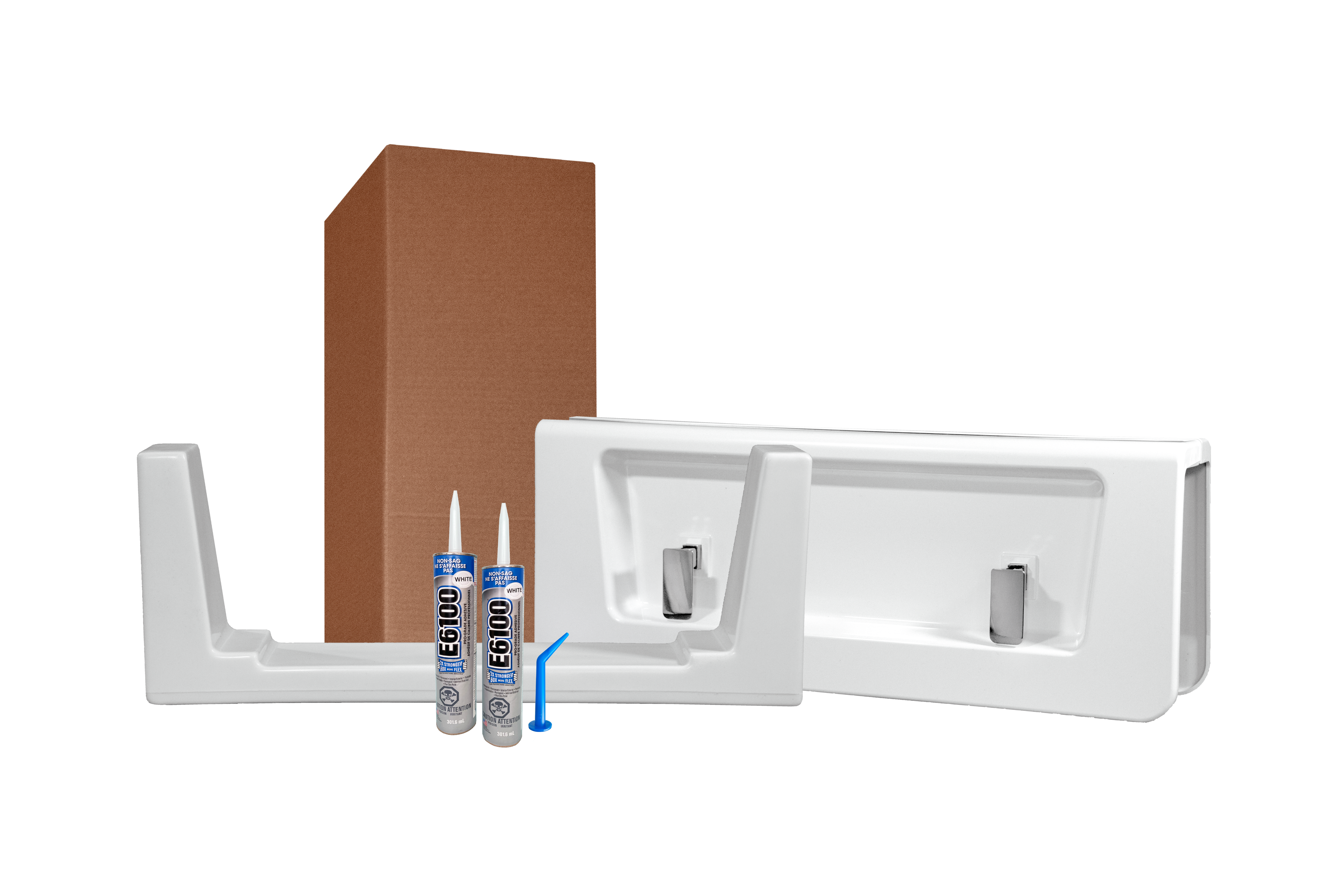
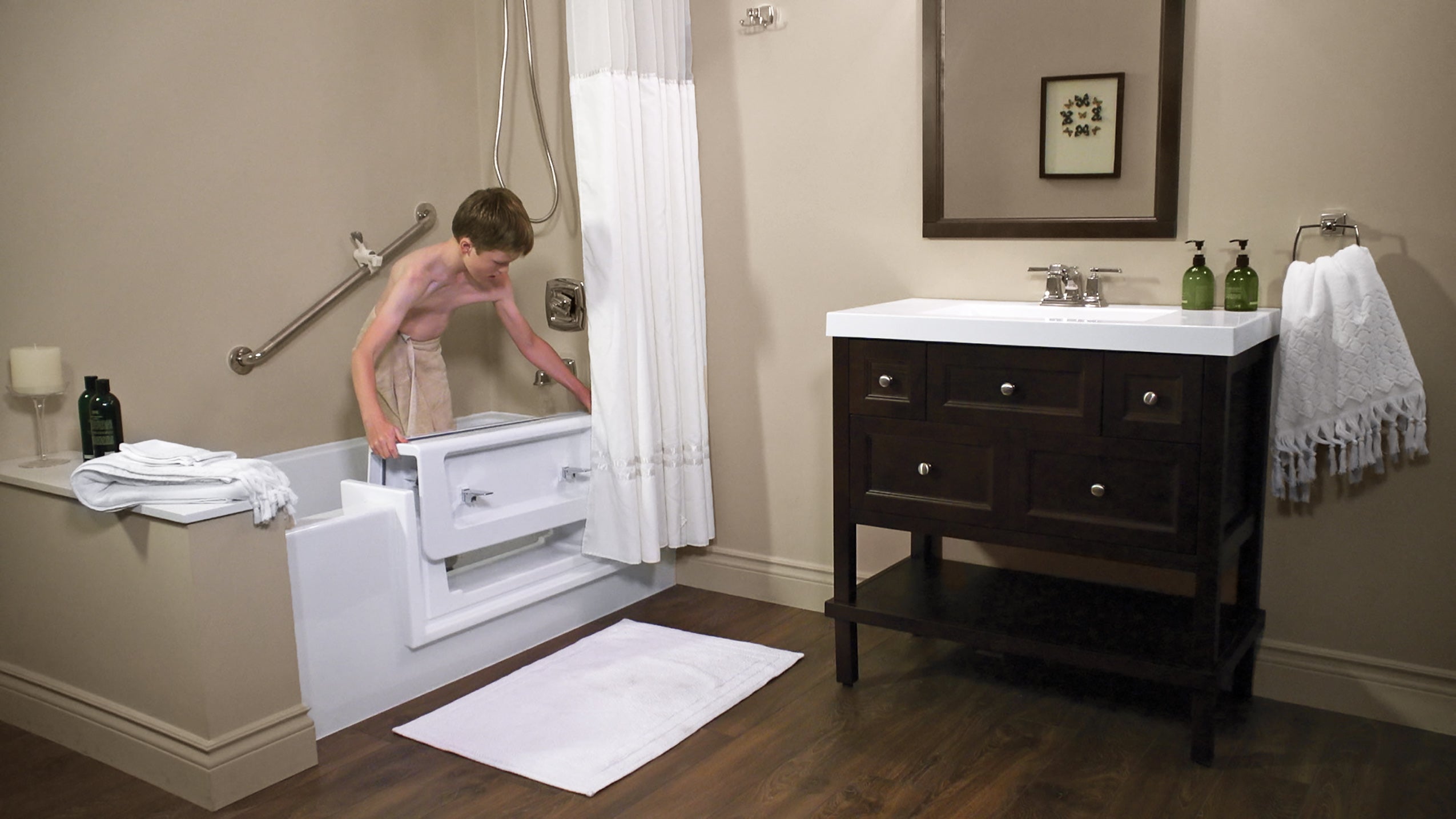
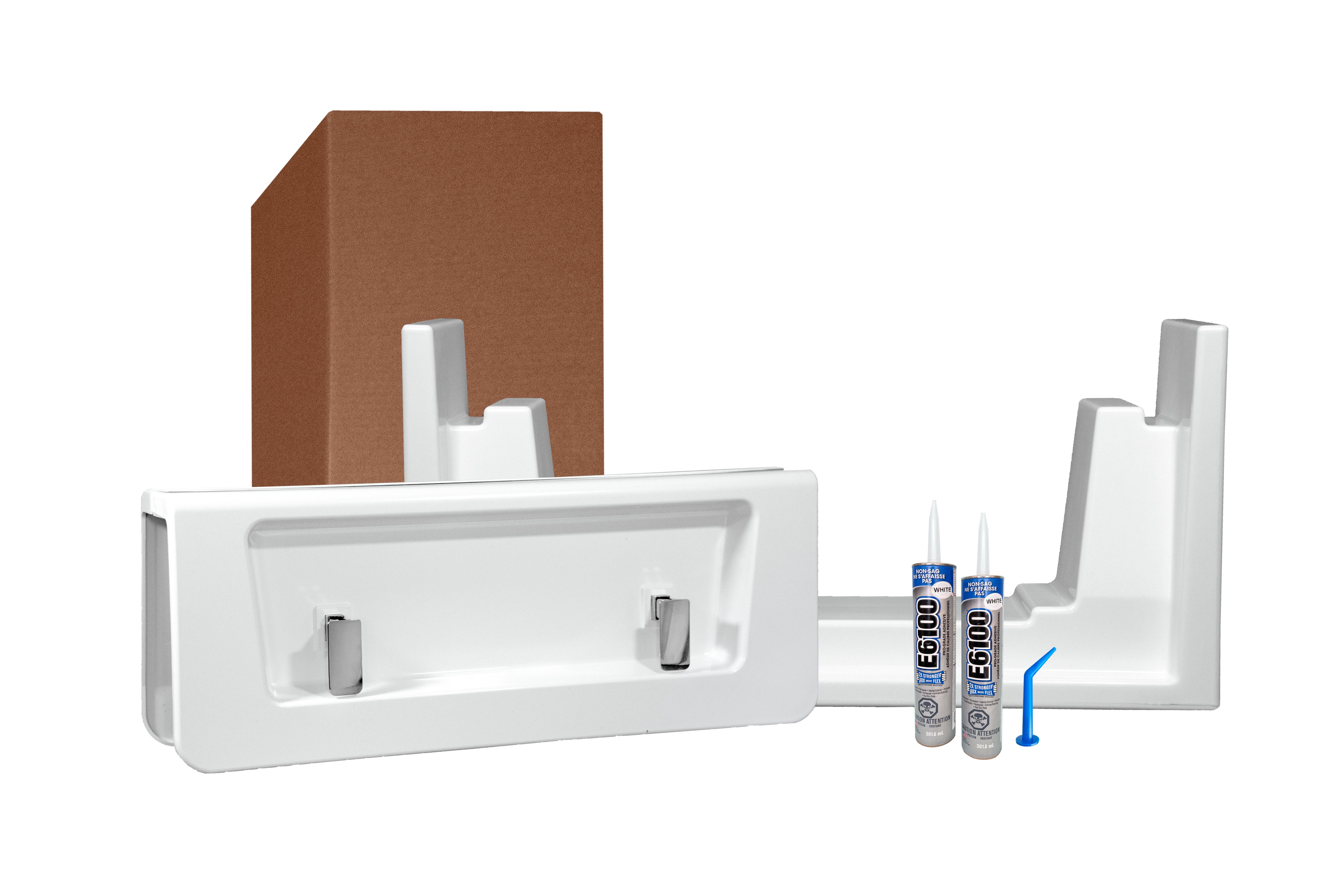
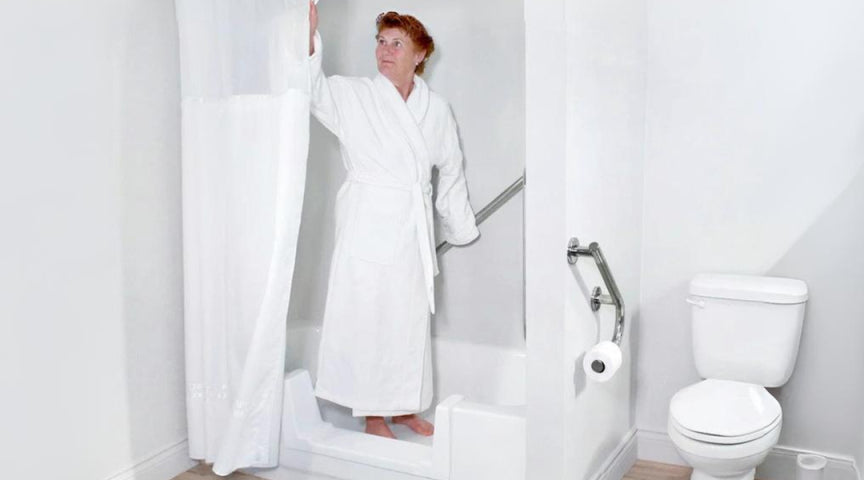
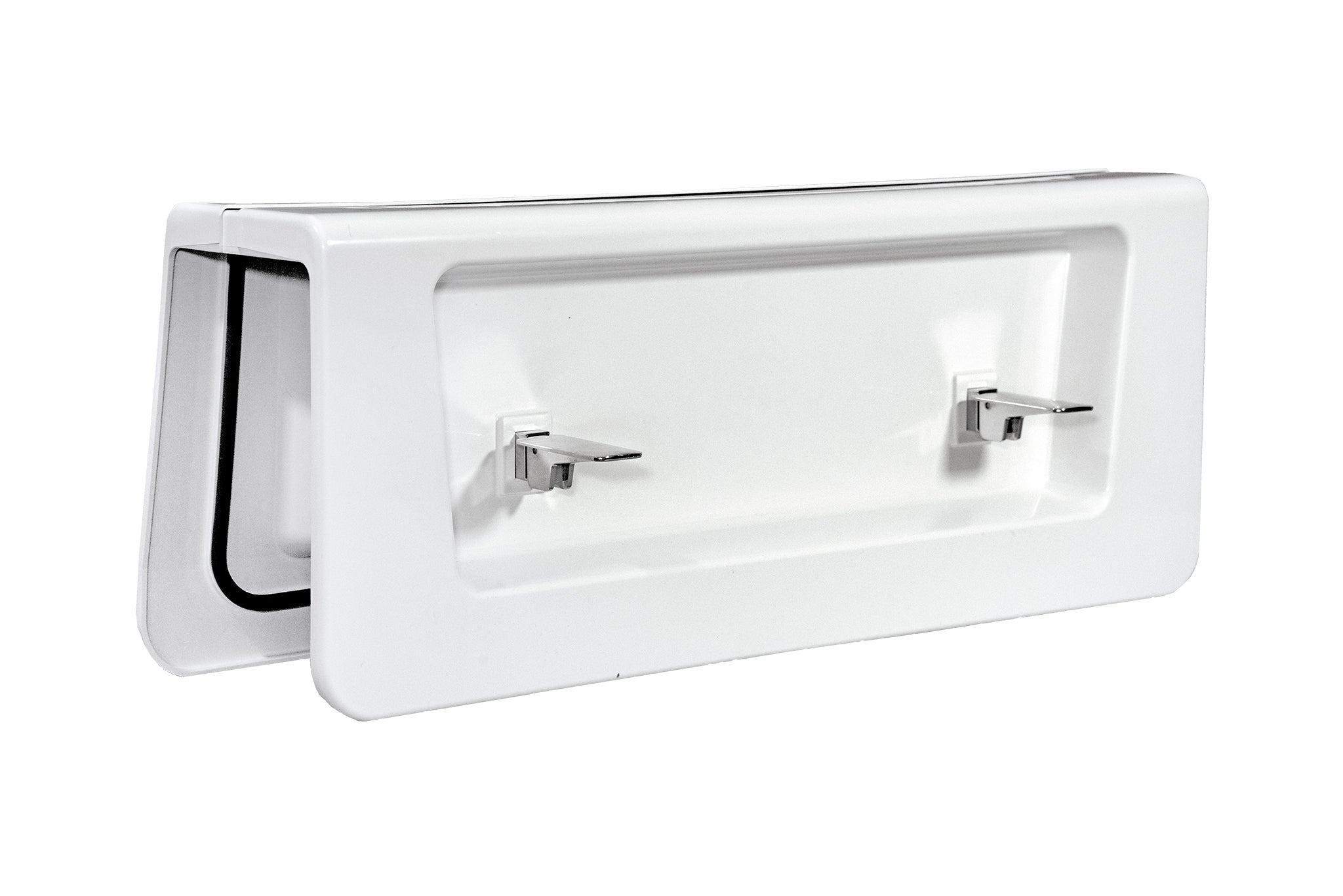
Quick Tub® is an innovative bath safety solution designed to transform a standard bathtub into a safer, low-threshold step-in shower, without full renovation. Rather than removing or replacing the existing tub, the Quick Tub® system modifies it in place by creating a safe, low-entry access point sealed with a durable, watertight insert. The options of bathroom safety products in detail are:
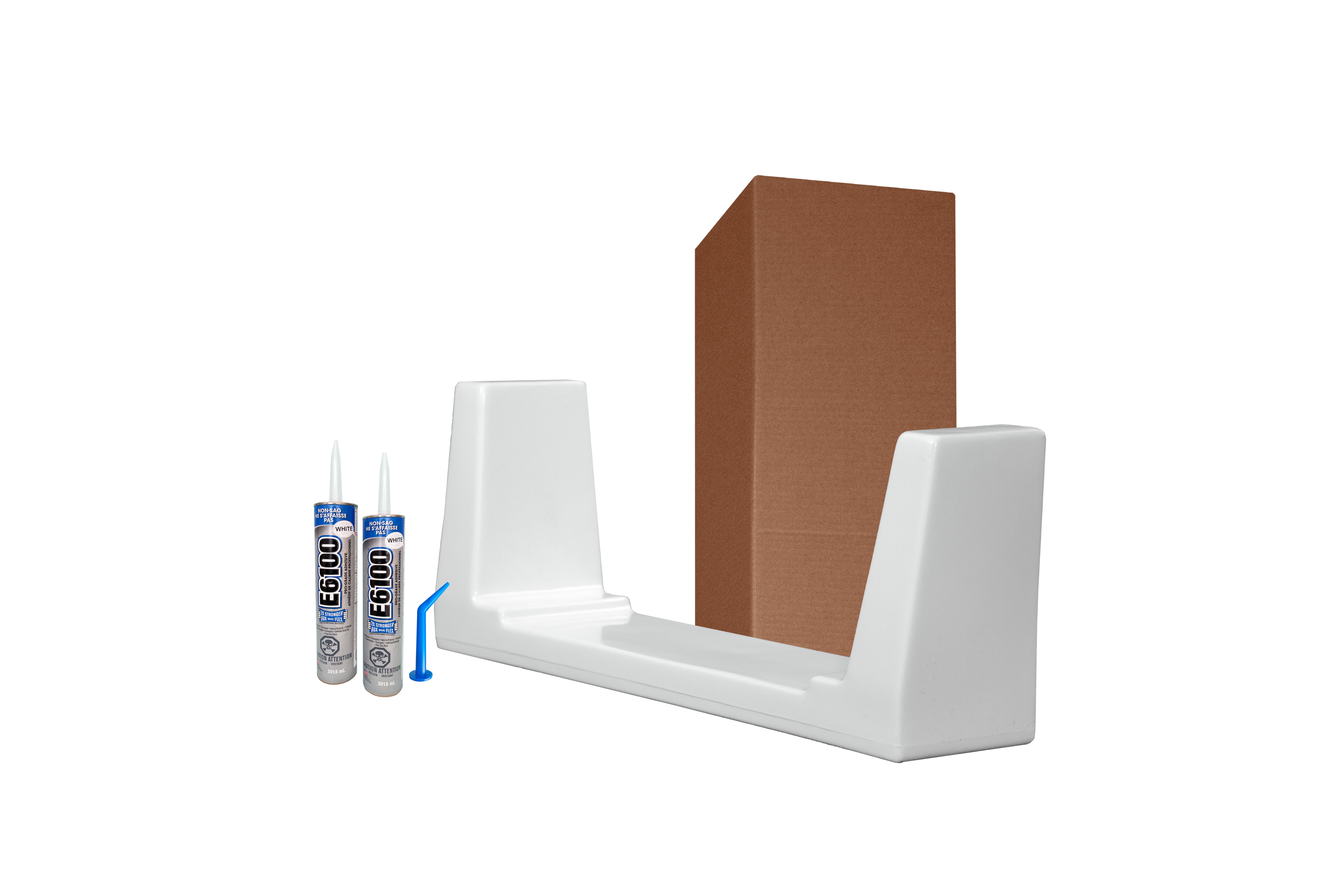
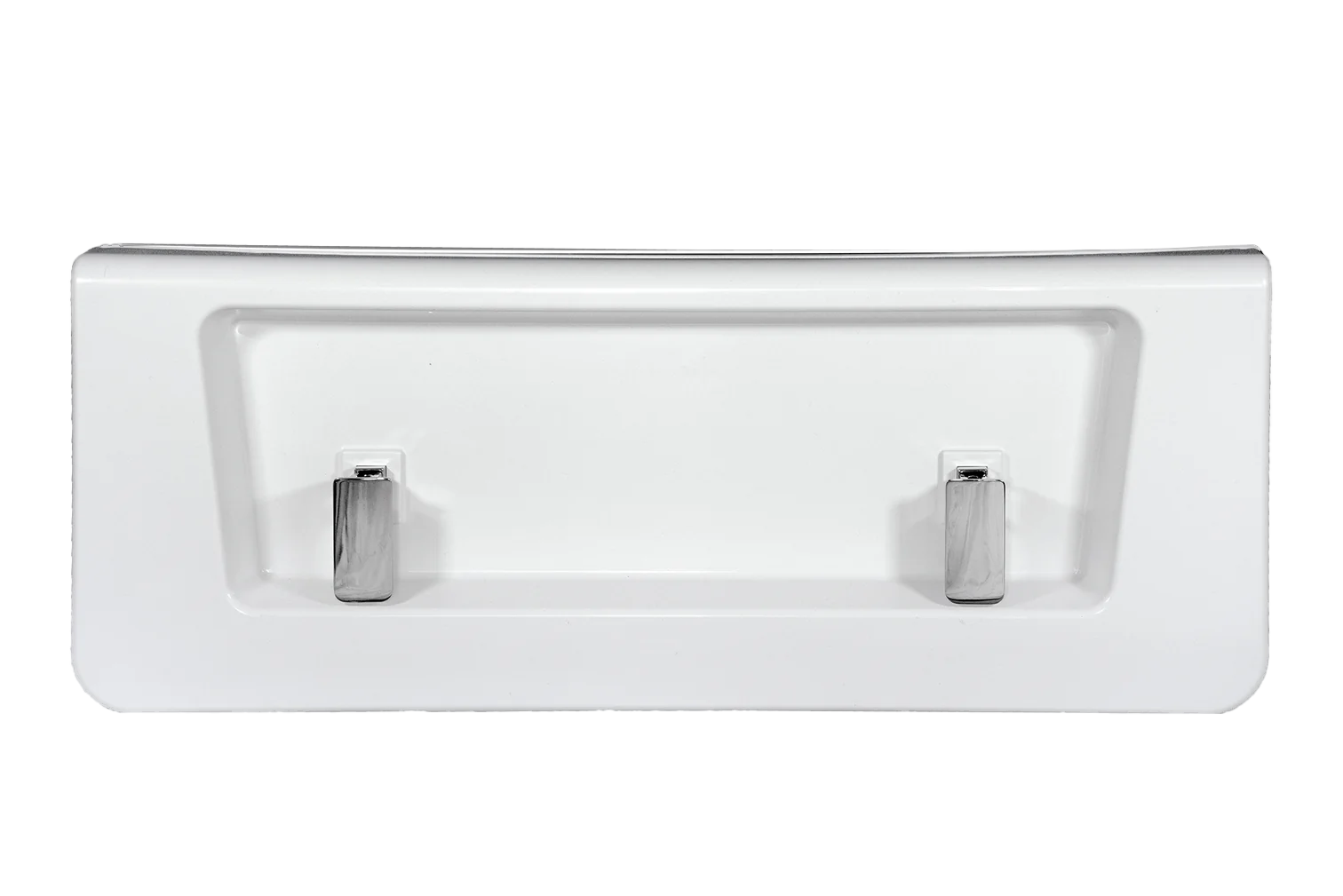
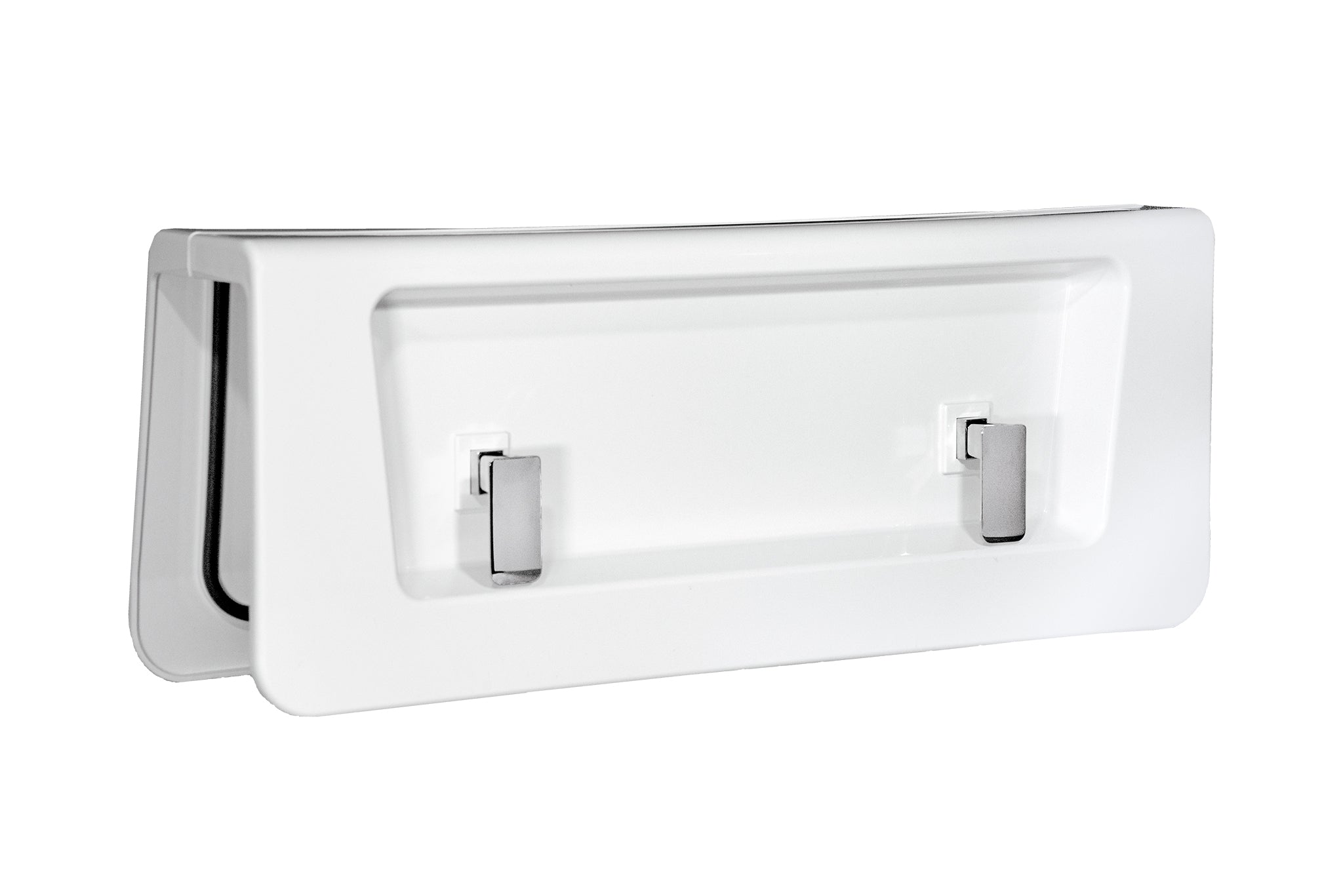
- Quick Tub® Walk-Thru Insert: Converts an existing bathtub into a step-in shower by lowering the side wall by approximately 9-12 inches. Installed in a couple of hours with no plumbing changes required. Available in narrow and wide sizes to fit most standard tubs.
- Quick Tub® Full Convertible Kit: Includes the Walk-Thru Insert plus the patented Quick Tub® Cap, allowing users to switch between a step-in shower and a fully functional bathtub in seconds. Available in three sizes, including an Xtra-Deep option for soaker-style tubs. Ideal for households where multiple users have different needs.
- Quick Tub® Accessories: Including knurled 18" grab bars with a textured surface engineered for grip in wet environments, plus dedicated WingIts grab bar fasteners designed for secure hollow-wall installation. These handicap bathroom accessories can be added to any conversion or installed independently to reinforce stability at entry points along the tub wall and near fixtures.
The result of using these products is an immediately safer bathing environment that costs a fraction of what a traditional walk-in tub or full remodel requires, making it one of the most practical bath safety products available for programs that need to scale their impact.
The Case for Better Bathroom Safety for the Elderly
Bathroom safety for the elderly has become a focal point for fall-prevention programs, discharge planners and housing agencies alike. High tub walls require significant leg lift to clear, slick surfaces reduce stability, and the confined layout of most bathrooms leaves little room to recover from a stumble.
Traditional walk-in tubs address some of these concerns, but they come with a significant cost barrier. The national average installation cost for a walk-in tub is $8,000, with most projects falling between $5,000 and $20,000 when the tub unit, labor and related costs are combined. For a nonprofit operating on HUD, CDBG or Medicaid Waiver funding, that price point is prohibitive, and it means fewer households served per grant cycle.
That gap is exactly why so many organizations have shifted toward targeted, lower-cost upgrades that deliver immediate results without the complexity or cost of full replacements.
How Different Nonprofits Use Quick Tub
Senior and Aging-in-Place Organizations
Area Agencies on Aging (AAAs), AARP affiliates and senior bath safety programs coordinate home modification funding across thousands of households each year. Their challenge is not identifying who needs help. It is stretching limited resources across an ever-growing waitlist.
A Quick Tub® conversion allows these programs to serve three to four times more individuals compared to funding a traditional walk-in tub installation, using the same grant allocation. Because installation takes hours rather than weeks, there is also minimal disruption for elderly residents, a meaningful consideration for a population for whom extended construction can be genuinely distressing.
Disability, Health and Safety Nonprofits
Centers for Independent Living (CILs), MS Society chapters, United Cerebral Palsy affiliates and fall-prevention programs funded through public health grants all share the same goal. Reducing the hospitalization rates that follow preventable bathroom falls. Bath safety products for sale through Quick Tub's network of over 150 North American dealers are well-suited for post-surgery discharge planning, where speed and affordability are both critical. They are also suitable for ongoing accessibility upgrades coordinated through local hospital foundations and rehabilitation departments.
Veterans Assistance and Housing Programs
Organizations, including the Wounded Warrior Project, Disabled American Veterans (DAV) and VA-linked housing programs, provide accessibility upgrades for veterans managing mobility challenges. Housing nonprofits such as Habitat for Humanity, Community Action Agencies and local Housing Authorities using HUD Section 504 or CDBG funding regularly need bath safety supplies solutions that satisfy ADA and Fair Housing accessibility standards without consuming the bulk of a project's renovation budget. Quick Tub® conversions are designed with accessibility in mind and are suitable for ADA-related aging-in-place projects where applicable.
Partnering with Quick Tub
For nonprofit directors, housing coordinators and bath safety dealer networks looking to expand their accessibility programs, Quick Tub® offers bulk pricing, B2B support and a dedicated partner program built for organizations managing projects at scale.
Whether you are coordinating a single-site rollout or a multi-location grant program, the Quick Tub® team works directly with procurement teams, grant administrators and installation crews to make the process straightforward from first order to final install. Organizations interested in becoming a bath safety products dealer in their region can also explore Quick Tub's dealer network.
FAQs - Frequently Asked Questions
Does Medicare pay for grab bars for seniors?
Generally, no. Original Medicare (Parts A and B) does not cover grab bars, as they are classified as convenience items rather than medical necessities. Some Medicare Advantage (Part C) plans do offer this benefit, but coverage varies by plan. Always check directly with your provider.
Does Medicare pay for a handicap bathroom remodel?
No. Original Medicare does not cover home modifications or bathroom remodels. Some Medicare Advantage plans offer limited supplemental benefits, and Medicaid HCBS waivers are often a more reliable funding path. HUD, CDBG and VA grants remain the primary options for nonprofit programs. For a full breakdown, see our blog about bathroom accessibility upgrades.

Share:
Bathroom Accessibility Solutions for Public and Assisted Housing
Why Tub-to-Shower Conversions Are Ideal for Low-Income Housing Retrofit Programs