Safe, accessible housing is one of the most important factors in supporting independence and long-term well-being. For aging populations and individuals with mobility limitations, the difference between staying at home and relocating often comes down to effective home modifications.
Nonprofits play a critical role in this ecosystem. They understand community needs, manage outreach and often coordinate funding. But delivering a successful, yet affordable home modification program requires the right partners. This guide provides a practical framework for identifying, vetting and collaborating with providers to build scalable, impactful programs.
How to Become a Home Modification Specialist?
To become a home modification specialist, professionals typically complete certifications such as the Executive Certificate in Home Modification (USC), the Certified Aging in Place Specialist (CAPS) designation through NAHB or the Certified Living in Place Professional credential. These programs provide expertise in accessibility design, safety standards and client-centered modifications, making certified providers essential partners for nonprofits.
For organizations, working with a qualified home modification specialist ensures that projects meet safety standards, comply with regulations and truly address the needs of vulnerable populations.
Understanding the Scope of Home Accessibility Modifications
Not all renovations qualify as bathroom accessibility modifications. Unlike general remodeling, these upgrades are specifically designed to improve function, mobility and safety for seniors at home. Examples of senior-focused modifications are:
- Grab bars and handrails
- Walk-in or low-threshold showers
- Non-slip flooring
- Improved lighting for visibility
These types of home modifications for seniors directly reduce fall risk and improve independence, supporting overall safety of the elderly in the home. Examples of reasonable home modifications for disabled individuals:
- Wheelchair ramps
- Widened doorways
- Lowered countertops
- Accessible bathroom layouts
These more extensive home modifications for disabled individuals often require structural changes and careful planning.
Different Needs, Different Approaches
While home modifications for elderly individuals often focus on fall prevention and ease of use, broader accessibility projects may require full layout changes. Understanding this distinction helps nonprofits design more effective programs and deliver a truly safe home for seniors and people with disabilities.
Ideal Nonprofit Partners for an Affordable Home Modification Program
Building a successful home modification program requires collaboration across sectors. Each type of organization brings unique strengths:
- Senior and aging-in-place organizations like AARP affiliates and Area Agencies on Aging (AAAs) are essential for identifying needs and funding home modifications for seniors.
- Disability and accessibility nonprofits like centers for independent living (CILs) and adaptive living nonprofits often support or fund free home modifications for disabled individuals.
- Veterans and military support organizations, such as Wounded Warrior Project or Disabled American Veterans (DAV), provide funding and advocacy for accessible housing.
- Housing and community development groups like Habitat for Humanity or community action agencies, as well as local housing authorities, frequently support home repairs for the elderly and broader accessibility upgrades.
- Health and safety organizations, more specifically, fall-prevention nonprofits or hospital foundations, focus on reducing injuries and improving elderly safety in the home, making them natural partners in any affordable home modification program.
- What to Look for in a Home Modification Partner
Choosing the right provider is one of the most critical decisions for nonprofits. A strong partner should meet the following criteria:
- Certification and expertise: Work with a certified home modification specialist who understands ADA compliance, accessibility standards and inclusive design.
- Experience with vulnerable populations: Providers should have experience delivering home modifications for elderly and disabled clients with empathy and cultural competency.
- Licensing, insurance and warranties: Ensure contractors are fully licensed, insured and offer warranties on their work, especially for long-term home safety modification projects.
- Scalable solutions: Look for partners who can deliver cost-effective solutions at scale, particularly for nonprofits building a long-term home modification program.
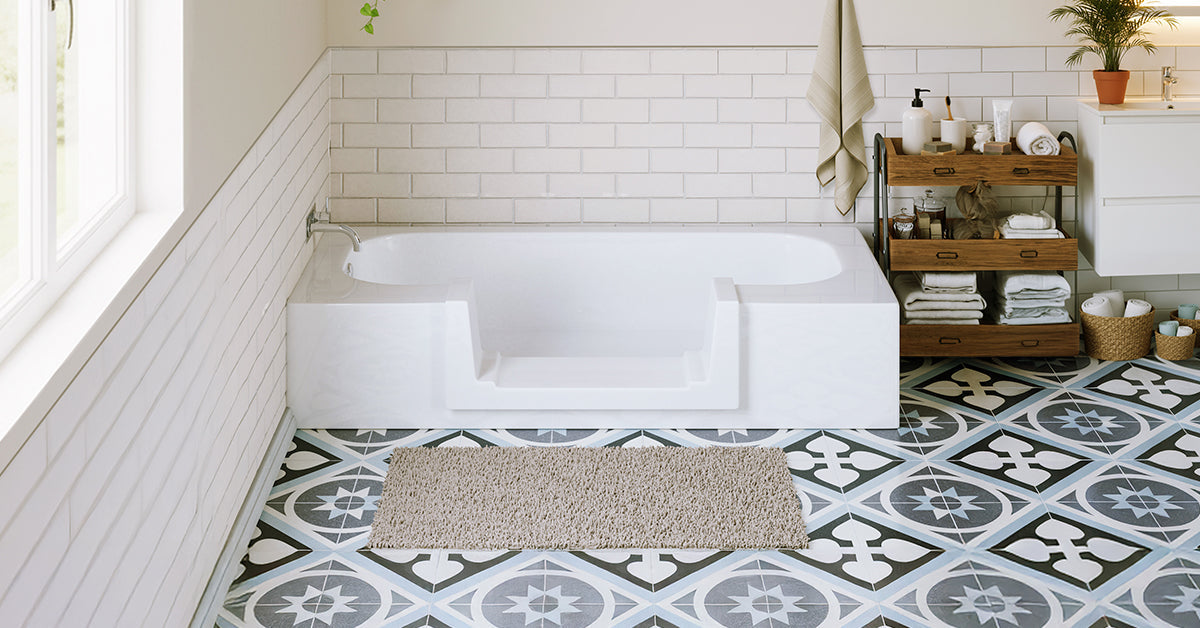
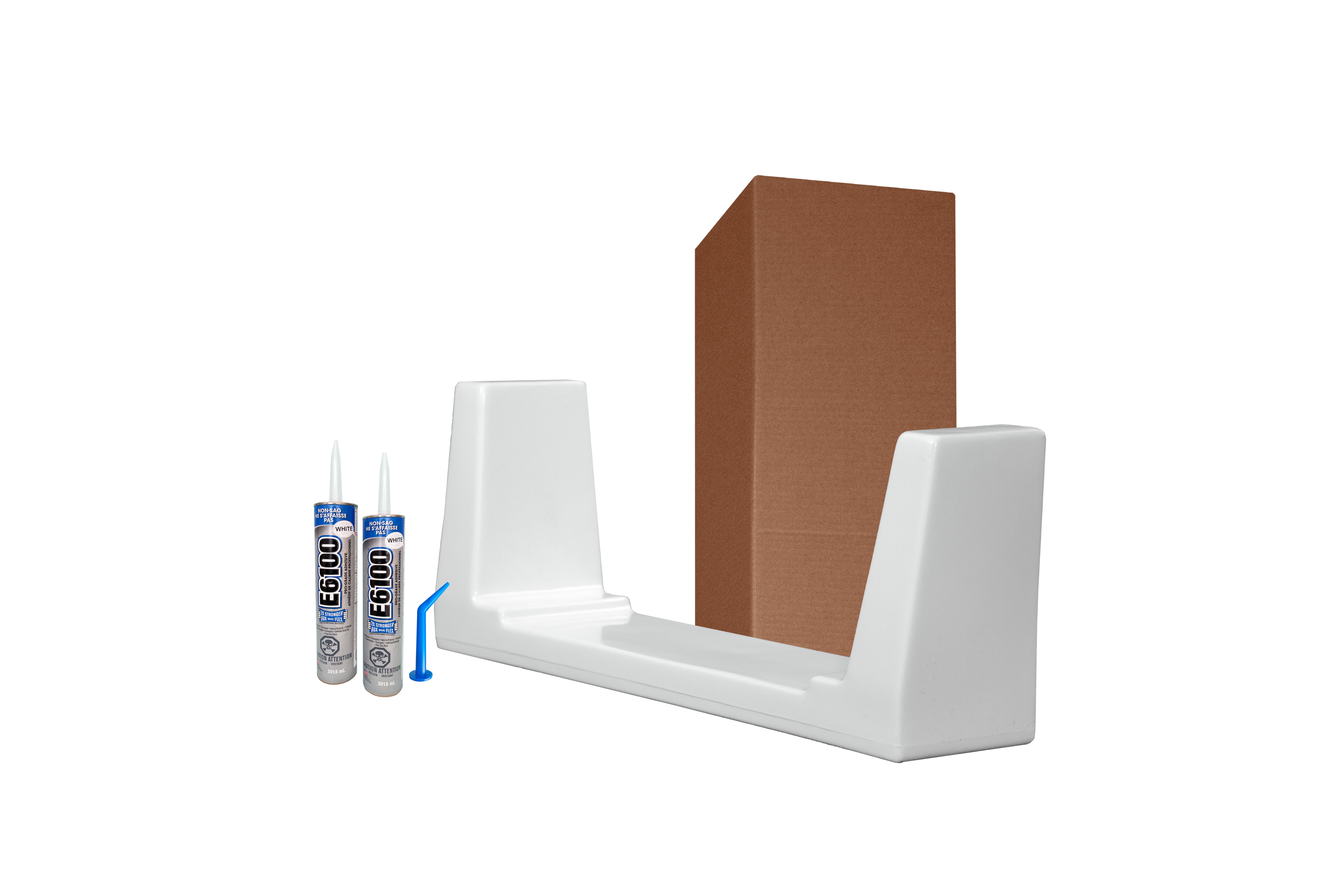
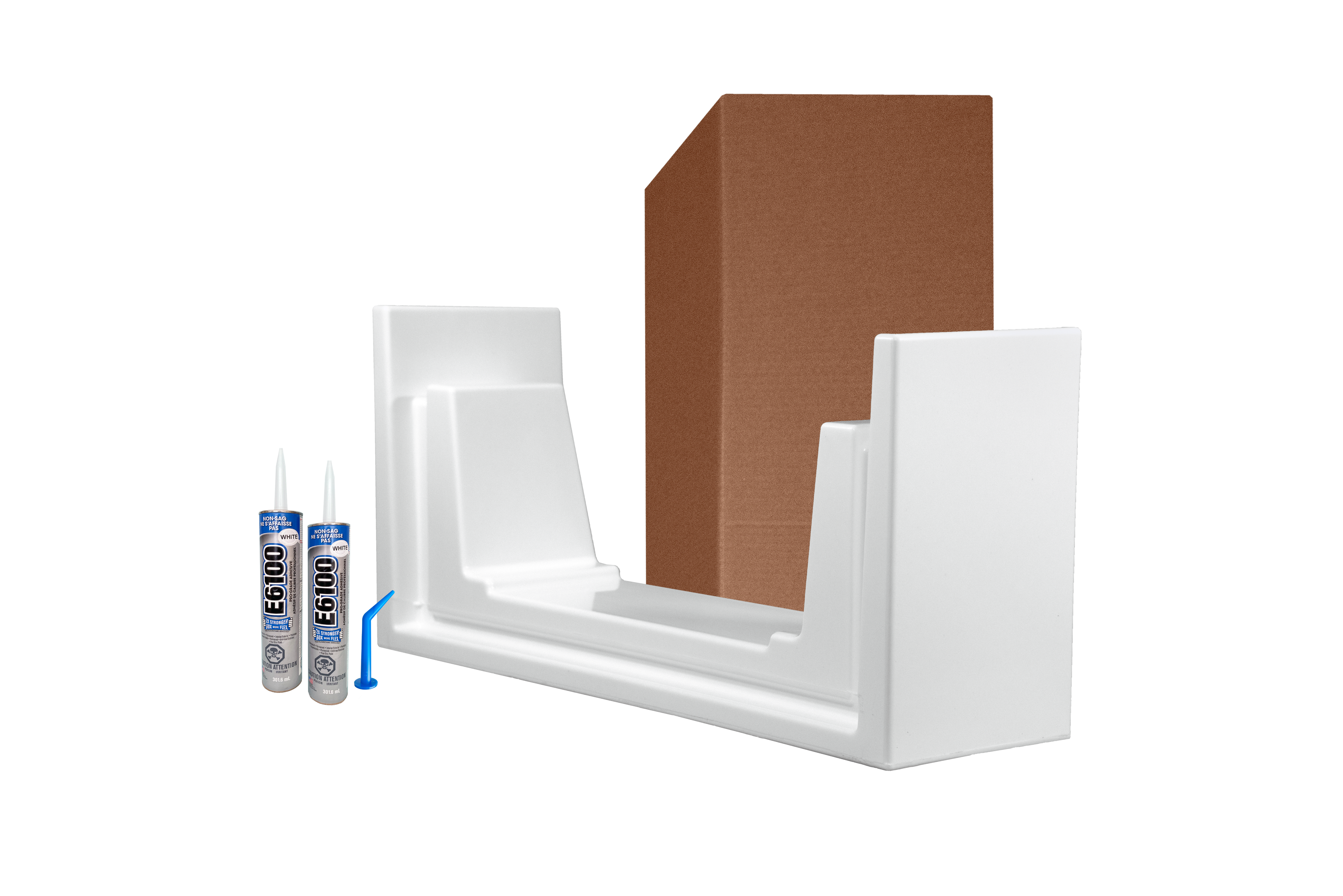
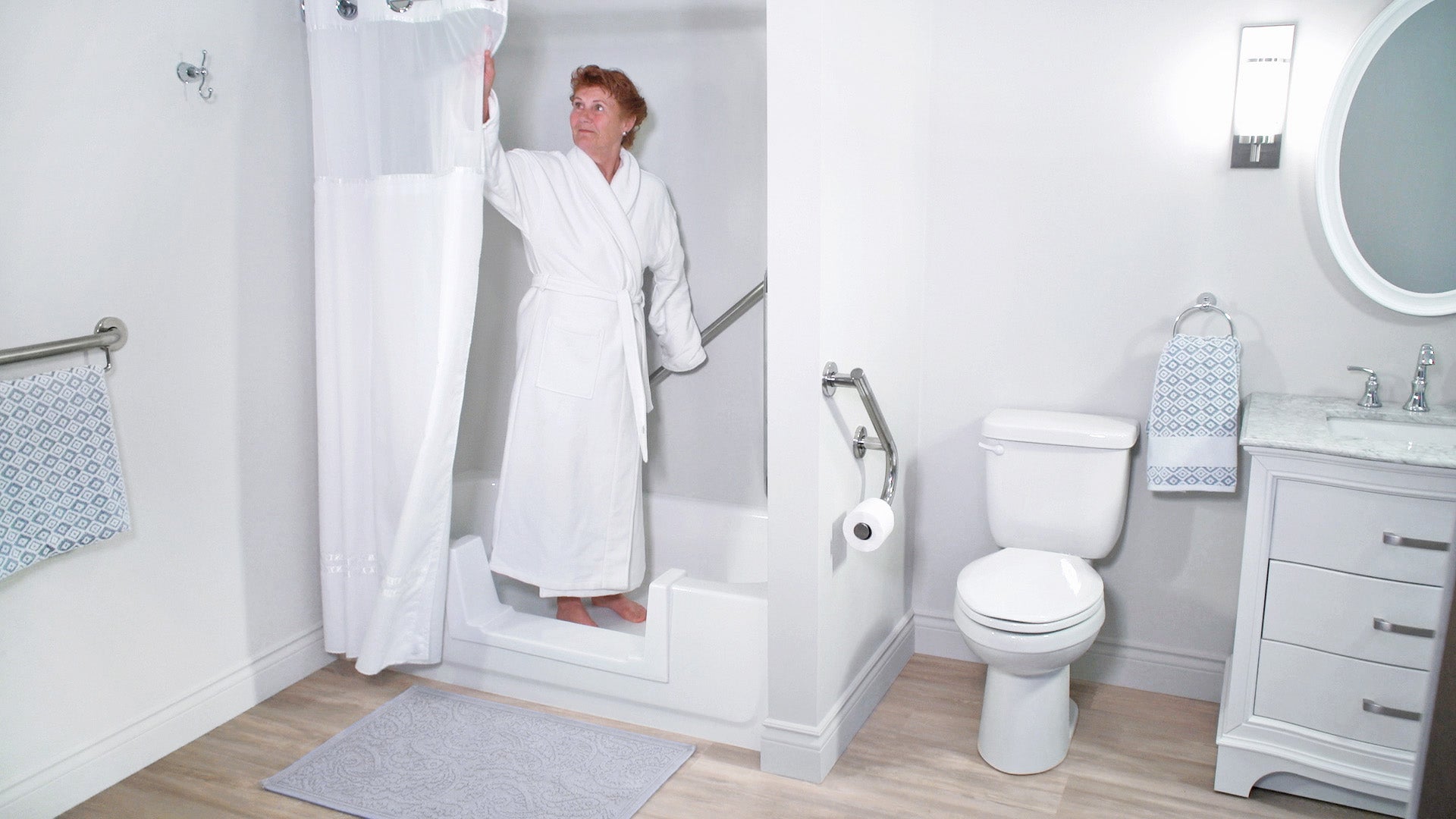
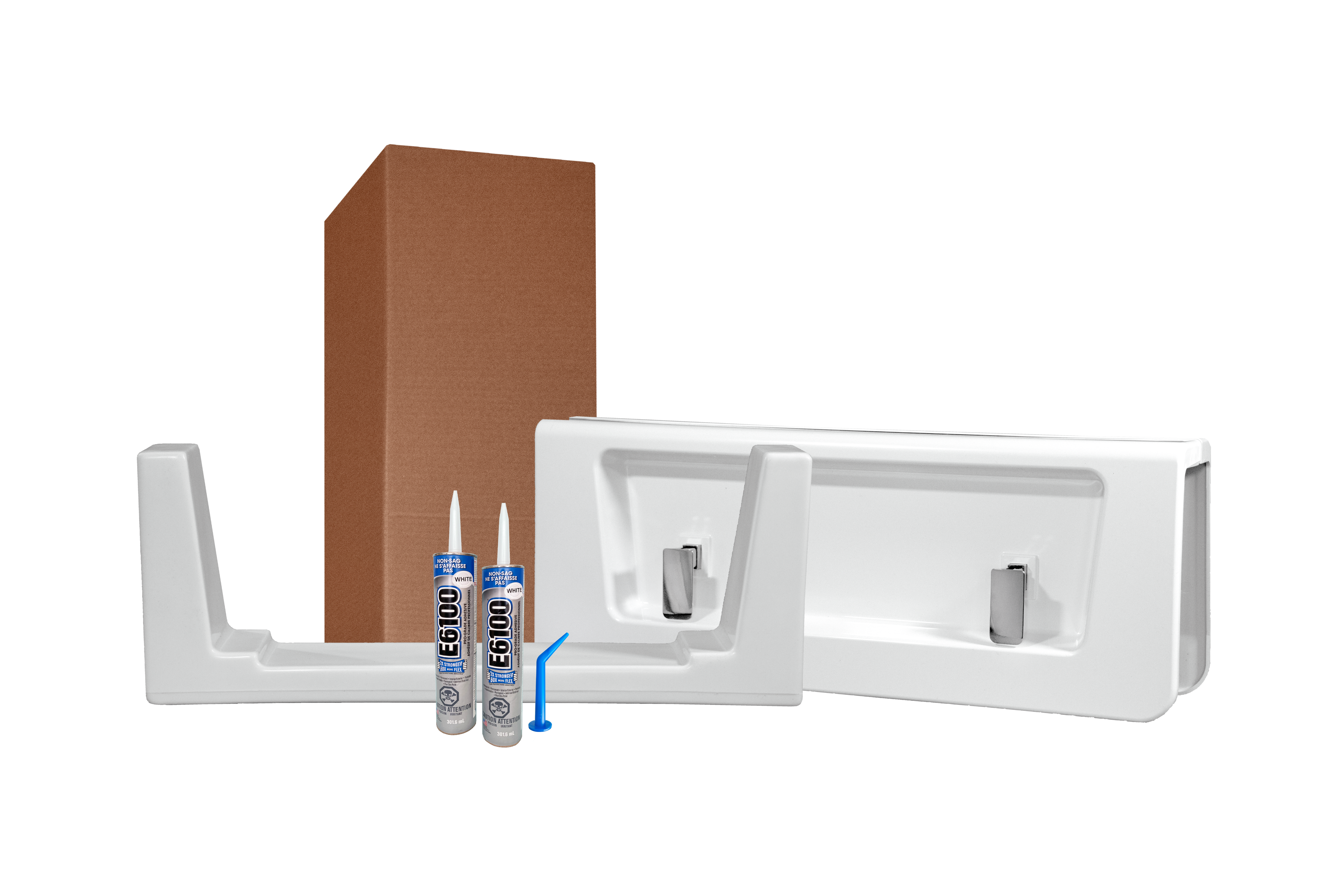
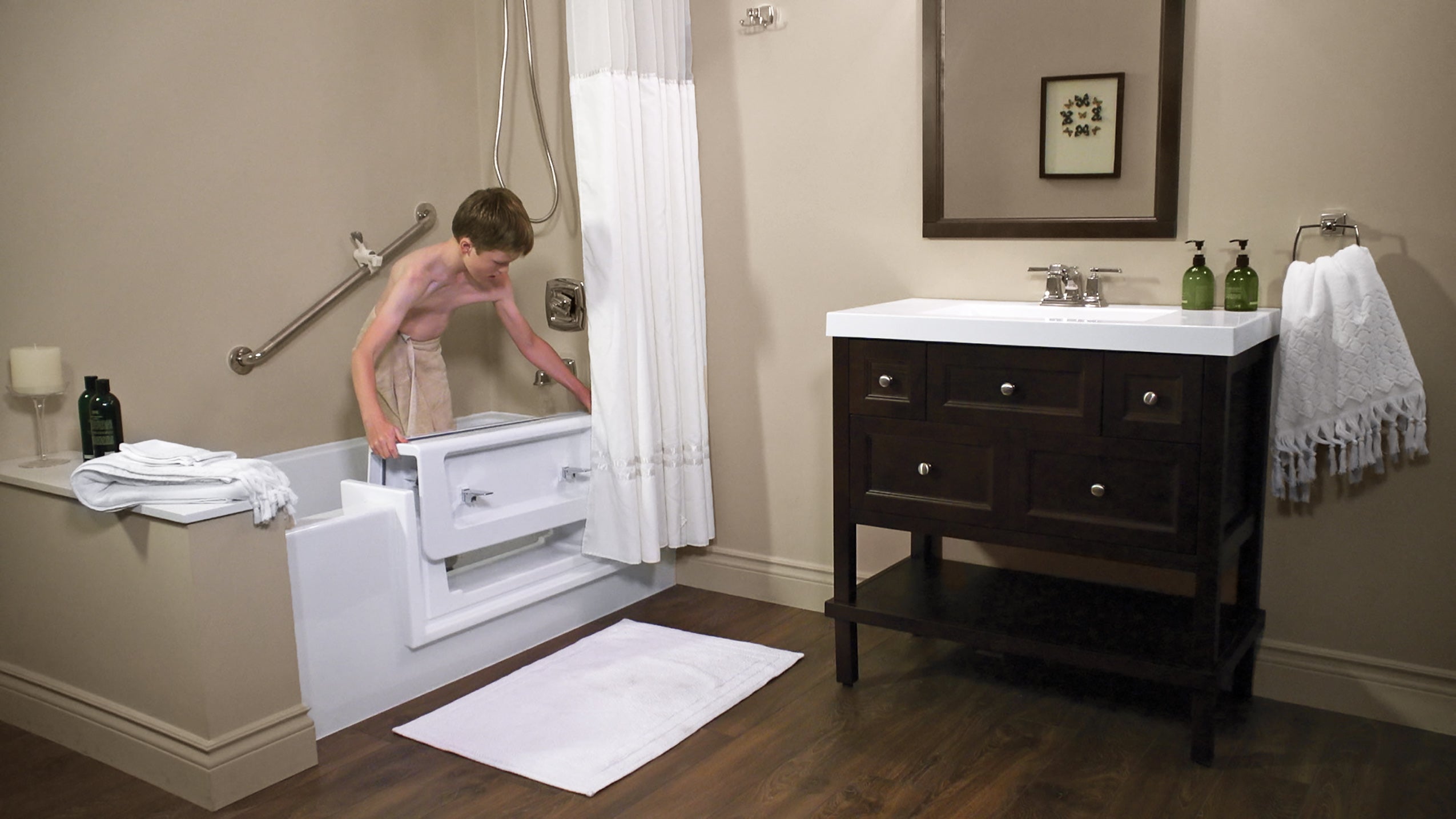
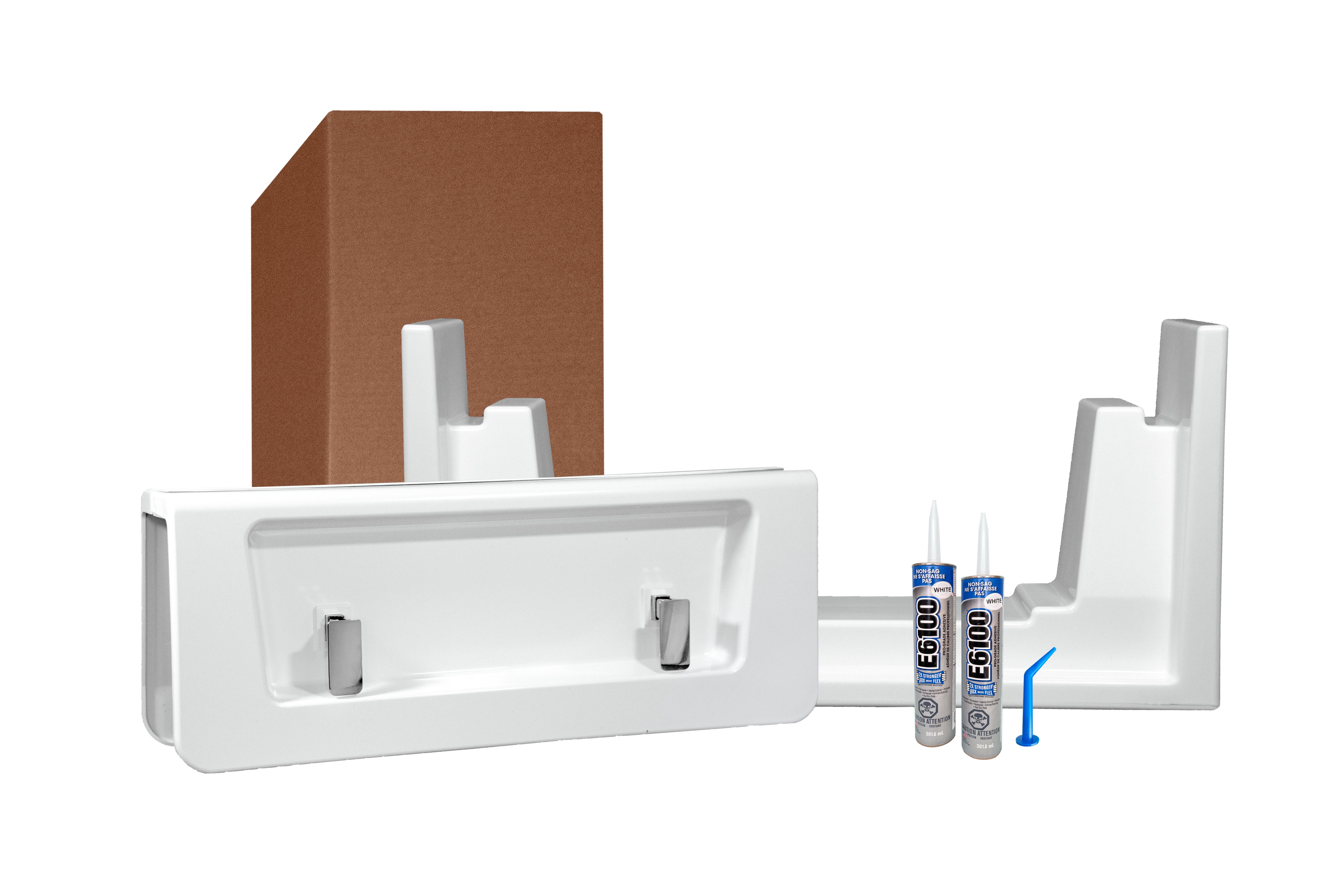
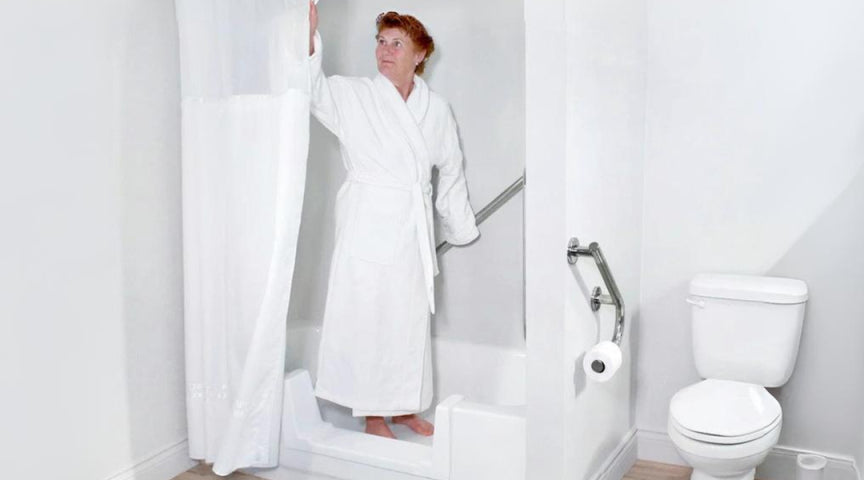
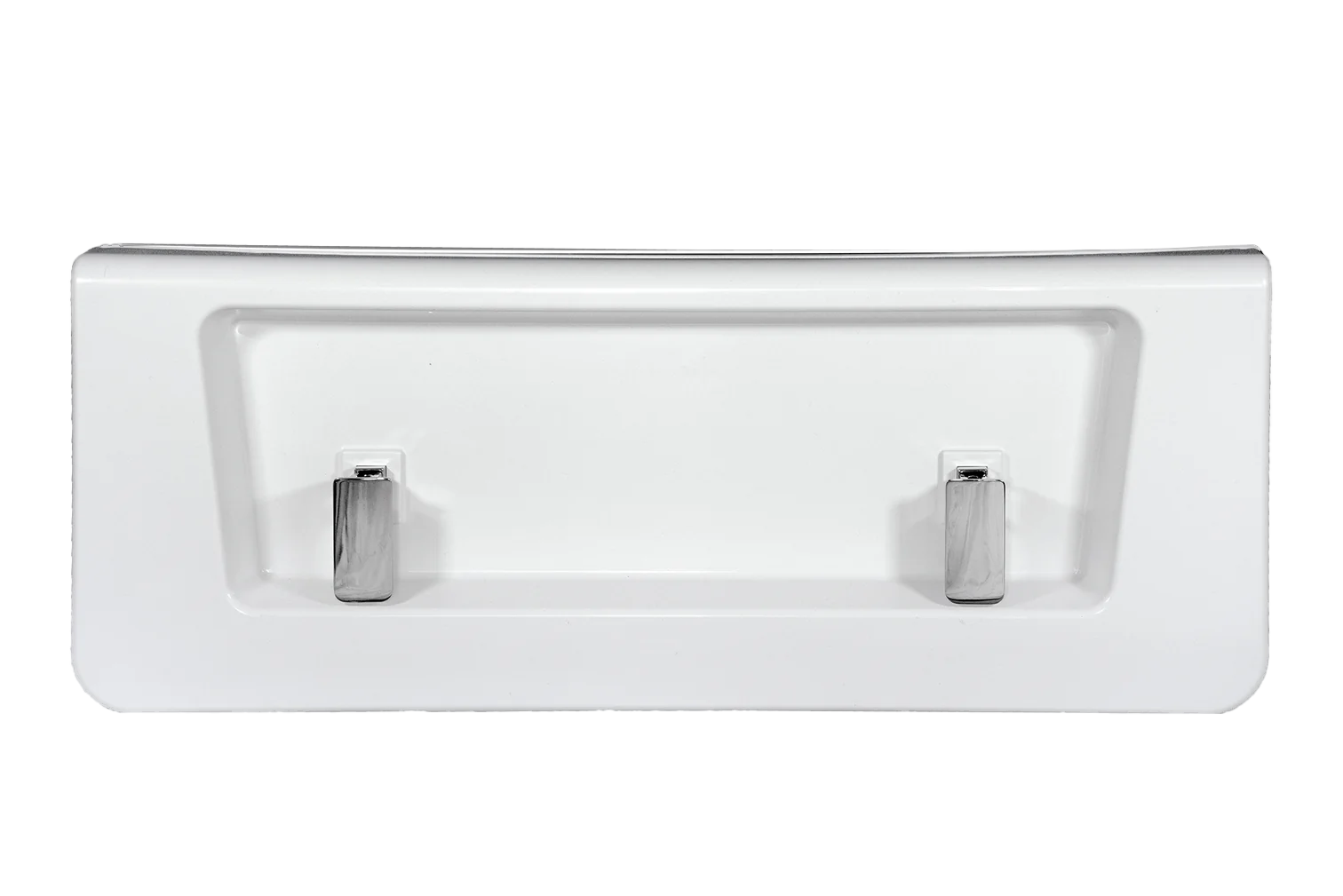
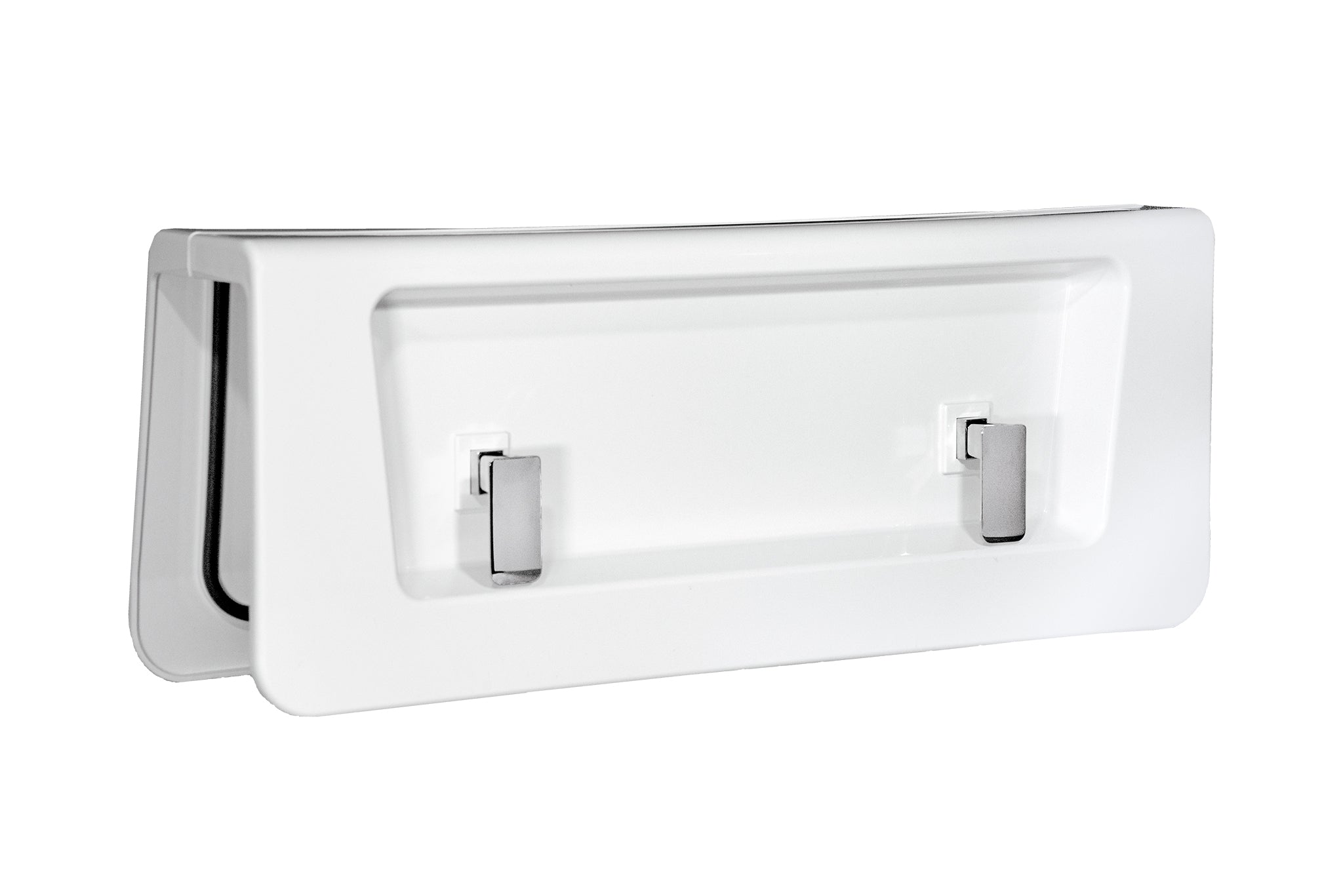
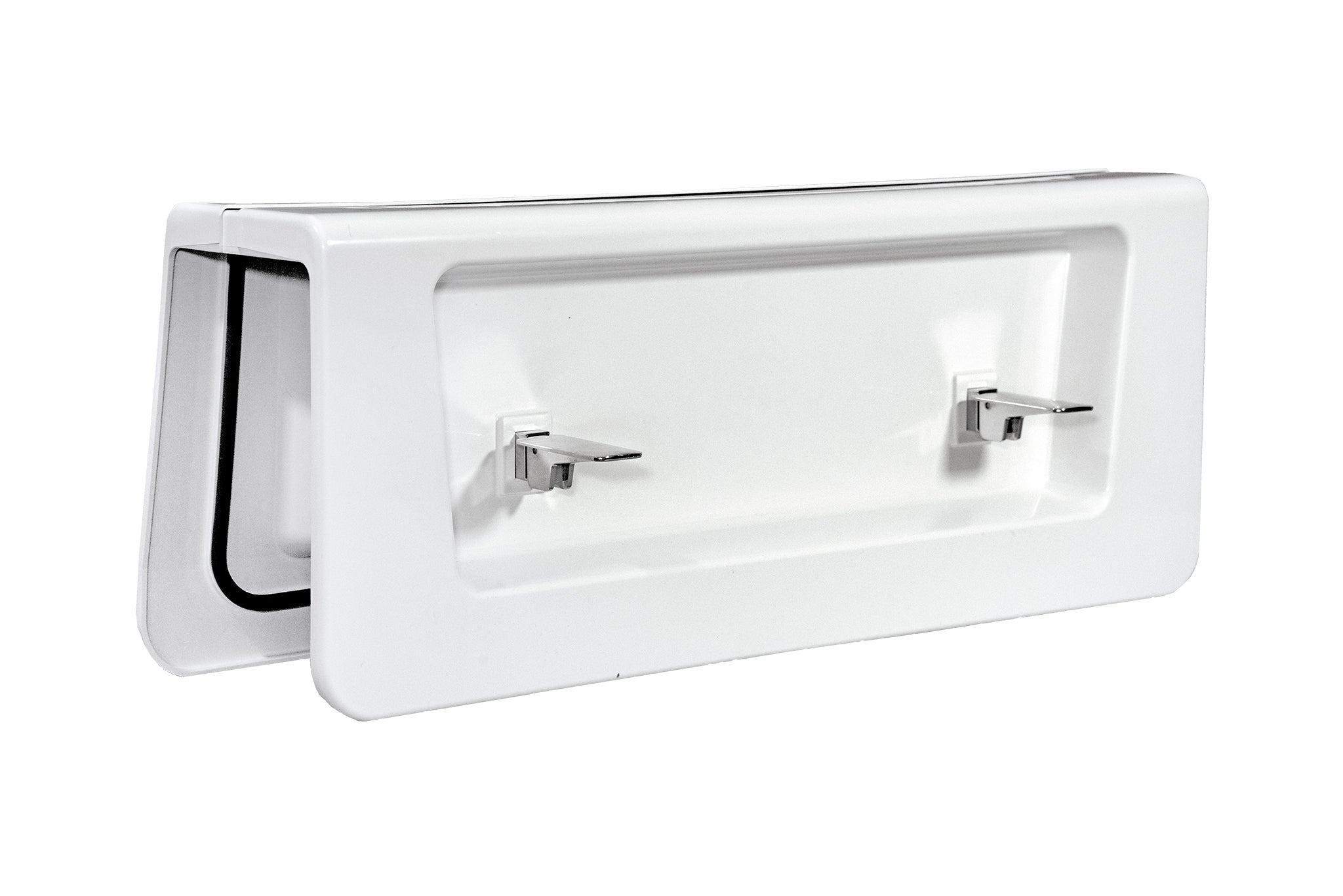
- Practical, cost-effective products: Some providers offer innovative alternatives to full renovations. For example, Quick Tub® products allow contractors to modify existing bathtubs by cutting a low-entry access point into the side.
These systems create safer step-through access without full demolition, can be installed within a few hours and cost significantly less than full bathroom remodels. For nonprofits, this type of solution makes it easier to deliver home modifications for elderly clients quickly and affordably, especially when funding is limited.
Funding the Partnership: Grants and Home Modification Loan Programs
Are there any programs to help seniors with home repairs? This is a common question and a major challenge nonprofits face. The answer is yes, but navigating them requires coordination. Government grants and programs include:
- USDA Section 504 Home Repair Program
- HUD Community Development Block Grants (CDBG)
- VA housing grants
- Medicaid Waiver Programs
These funding sources often support home repairs for the elderly and provide bathroom accessibility solutions. But there is also the option to find loan-based solutions. A home modification loan program can help bridge funding gaps for families who don’t qualify for grants. Programs like HMLP (Home Modification Loan Program) or specialized housing loans for people with disabilities provide low-interest financing options.
Nonprofits can maximize reach by combining:
- Grants
- Donations
- Loan programs
- Cost-effective home modifications like Quick Tub® systems
This approach enables organizations to scale an affordable home modification program and serve more households effectively.
Building a Sustainable Future for Aging-in-Place
The demand for accessible housing is growing rapidly. By combining community trust with technical expertise, nonprofits and providers can deliver meaningful, lasting change. A well-structured home modification program improves lives rather than just homes. It creates safer environments, supports independence and strengthens communities.
Now is the time for organizations to build partnerships, leverage funding and implement scalable solutions that ensure a safe home for seniors and individuals with disabilities.
FAQs - Frequently Asked Questions
How does home modification work?
Home modification involves assessing an individual’s needs and making targeted changes to their living space, such as installing grab bars, improving access or modifying layouts, to improve safety, accessibility and independence.
What are examples of home modifications?
Examples include walk-in showers, wheelchair ramps, widened doorways, non-slip flooring, grab bars and lighting improvements. These home modifications for seniors and disabled individuals help create safer, more functional living environments.
Does Medicare pay for home modifications?
Original Medicare typically does not cover home modifications. However, some Medicare Advantage plans or Medicaid waiver programs may provide assistance if the changes are deemed medically necessary.

Share:
Tub-to-Shower Conversions as a Long-Term Solution for Aging Housing Stock
How Quick Tub Simplifies Bathroom Safety Projects