For many people, the bathroom is one of the most dangerous rooms in the home. Slippery surfaces, high tub walls and limited mobility can quickly turn everyday routines into serious safety risks. For seniors, individuals with disabilities and recovering patients, these risks are even higher.
This is why bathroom accessibility is not just a convenience. It is a critical factor in maintaining independence, dignity and overall quality of life.
For nonprofits, housing authorities and community organizations, investing in the right bathroom accessibility solutions can make a measurable difference, not only in safety outcomes but also in long-term housing stability.
Why Accessible Bathrooms Matter More Than Ever
An accessible bathroom allows individuals to safely and comfortably perform essential daily activities without assistance. For vulnerable populations, this directly impacts both physical and mental well-being. Without proper modifications, a standard handicap bathroom can create barriers such as:
-
Difficulty stepping over high tub walls
-
Lack of support when sitting or standing
-
Increased risk of slips and falls
-
Reduced independence
Falls in bathrooms are one of the leading causes of injury-related hospitalizations among seniors. This is why many public health programs and nonprofits now prioritize accessible bathrooms as part of fall-prevention strategies.
The Role of Bathroom Accessibility in Independent Living
For aging-in-place initiatives and disability-focused organizations, the goal is clear. Help individuals remain safely in their homes for as long as possible. A properly designed wheelchair accessible bathroom supports this goal by removing physical barriers and creating a safer, more functional space. Key features often include:
-
A wheelchair accessible shower with a low or no threshold
-
A properly positioned handicapped toilet for easier transfers
-
Grab bars and other handicap bathroom accessories for stability
-
Adequate space for mobility devices
These upgrades don’t just improve safety. They reduce reliance on caregivers, lower healthcare costs and improve overall quality of life.
The Challenge with Traditional Bathroom Remodels
While the need for accessibility is clear, traditional renovations often create new barriers. A full handicap bathroom remodel can be:
-
Expensive (often thousands of dollars)
-
Time-consuming (weeks of construction)
-
Disruptive for residents
-
Difficult to scale across multiple housing units
For nonprofits and housing programs managing limited budgets, these challenges can significantly limit how many people they can help. This is where smarter, more efficient solutions become essential.
A Smarter Approach to Bathroom Accessibility
Instead of full renovations, many organizations are now turning to targeted upgrades that deliver immediate results without the complexity of a full remodel.
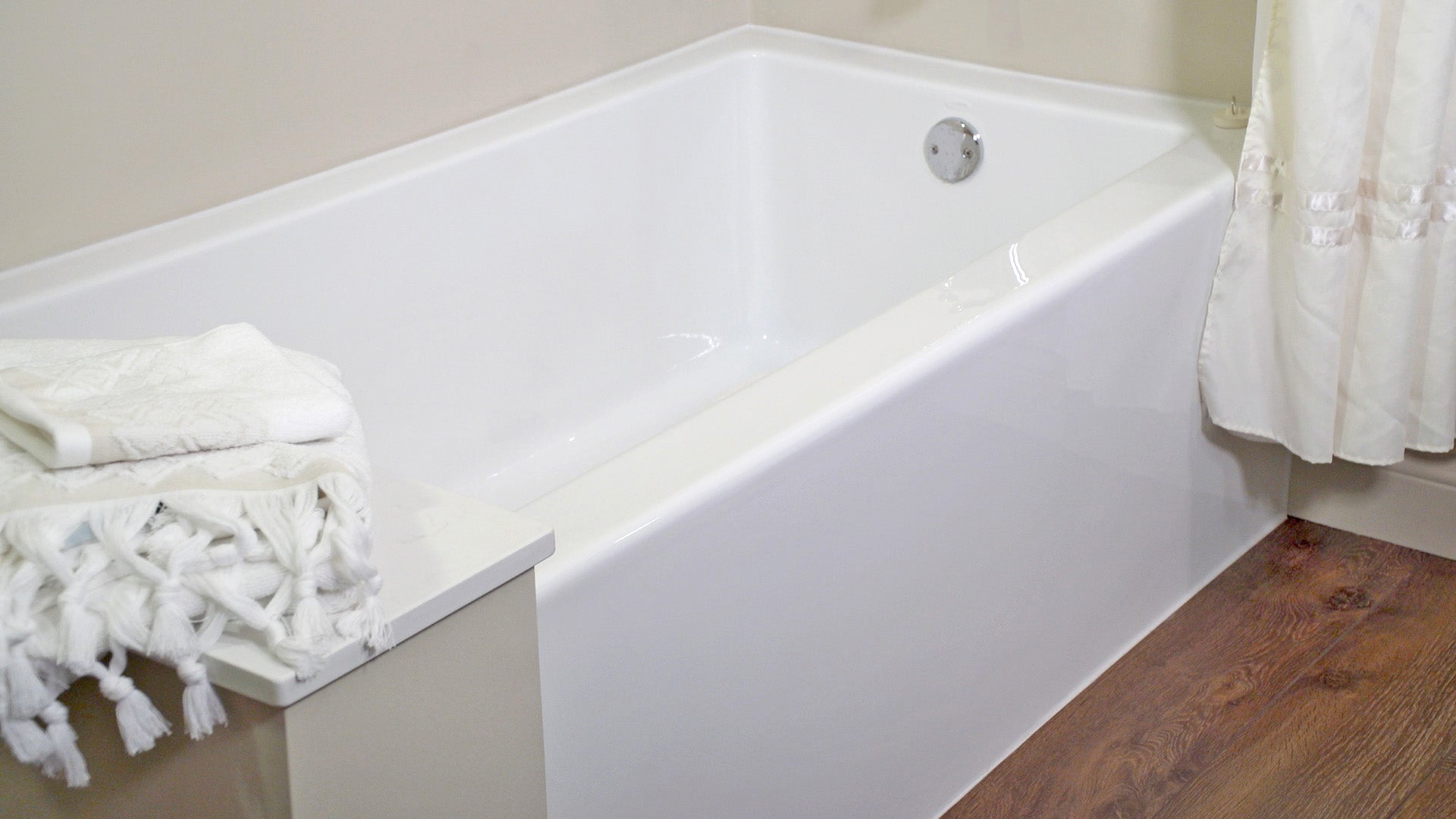
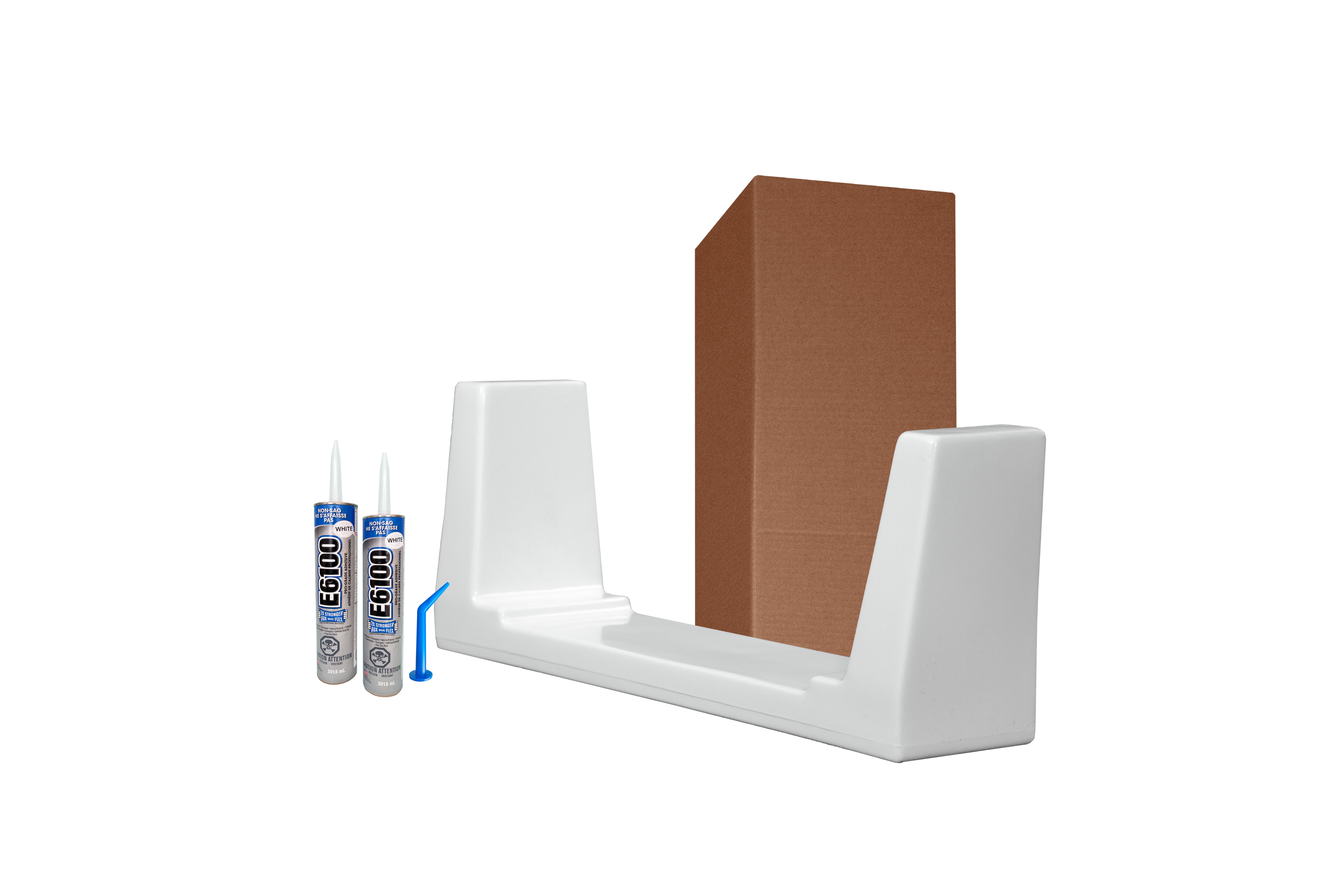
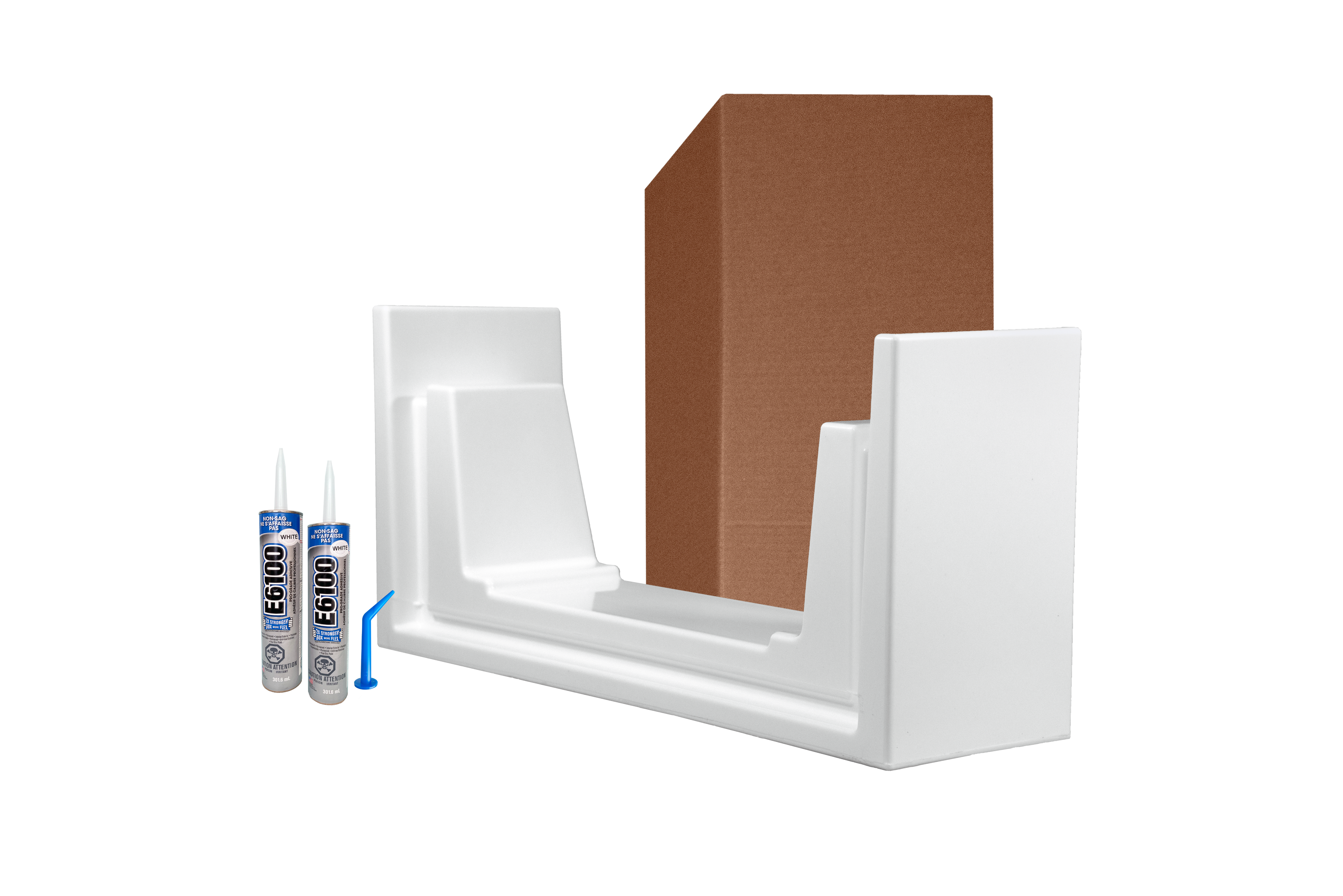
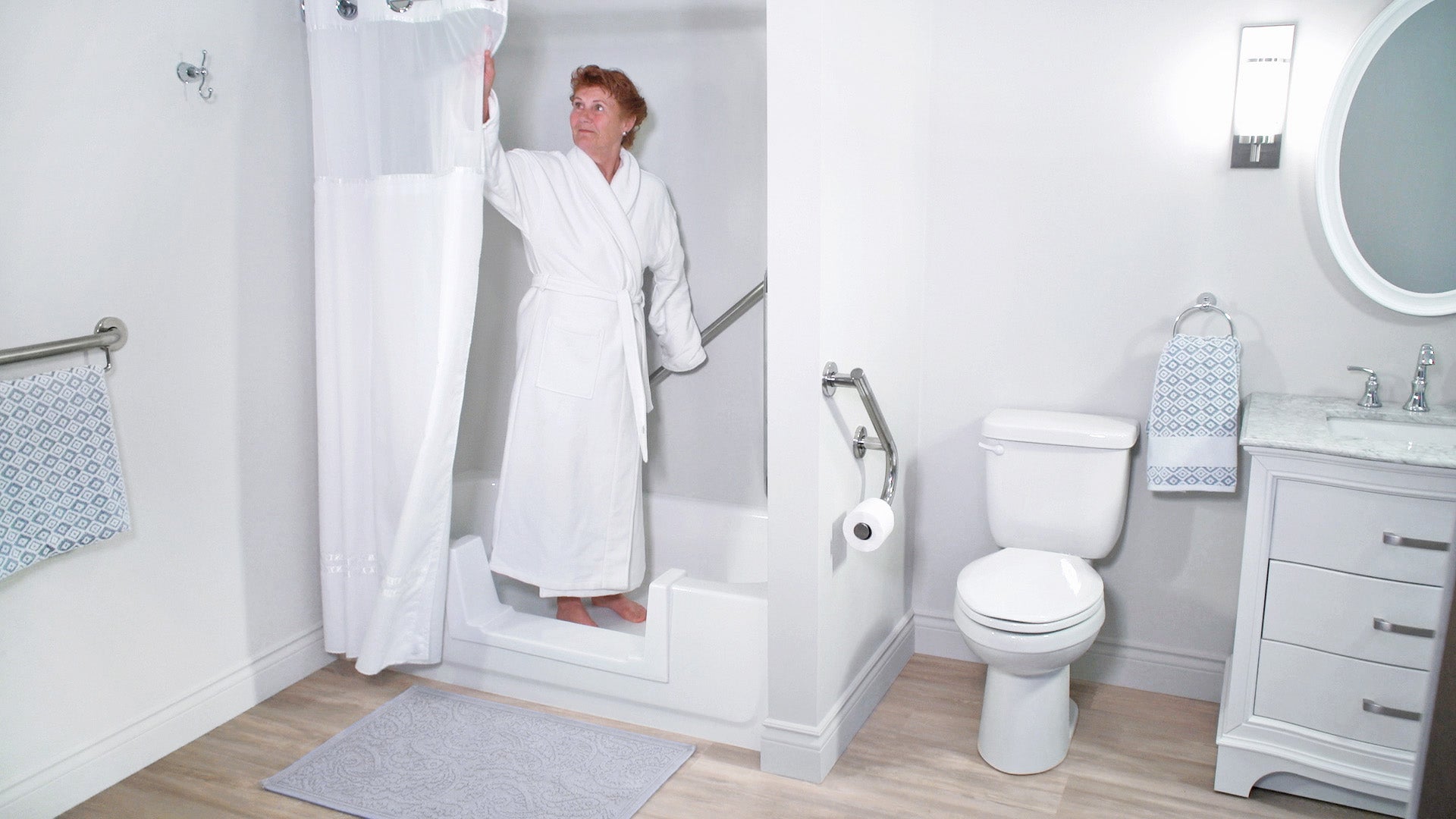
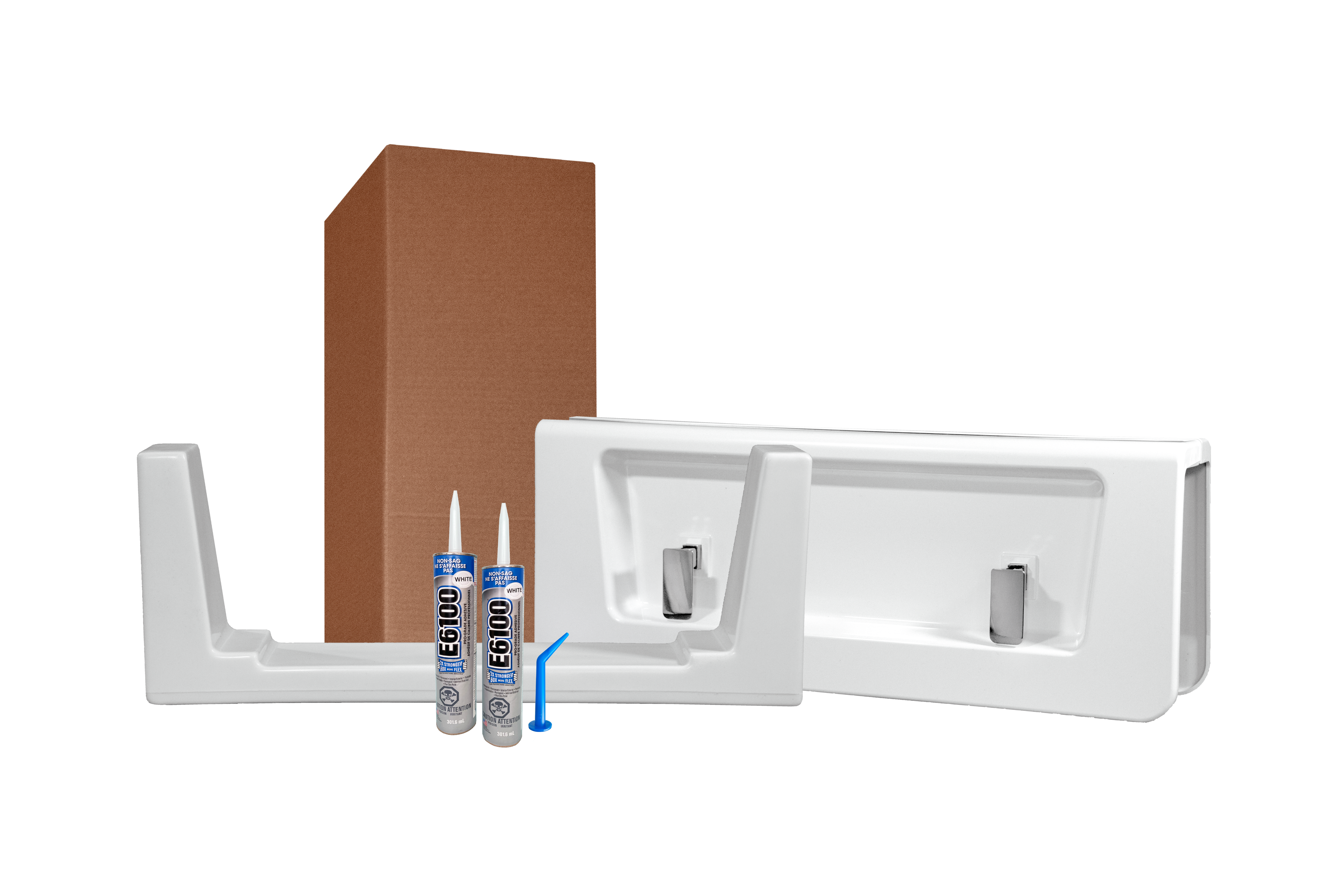
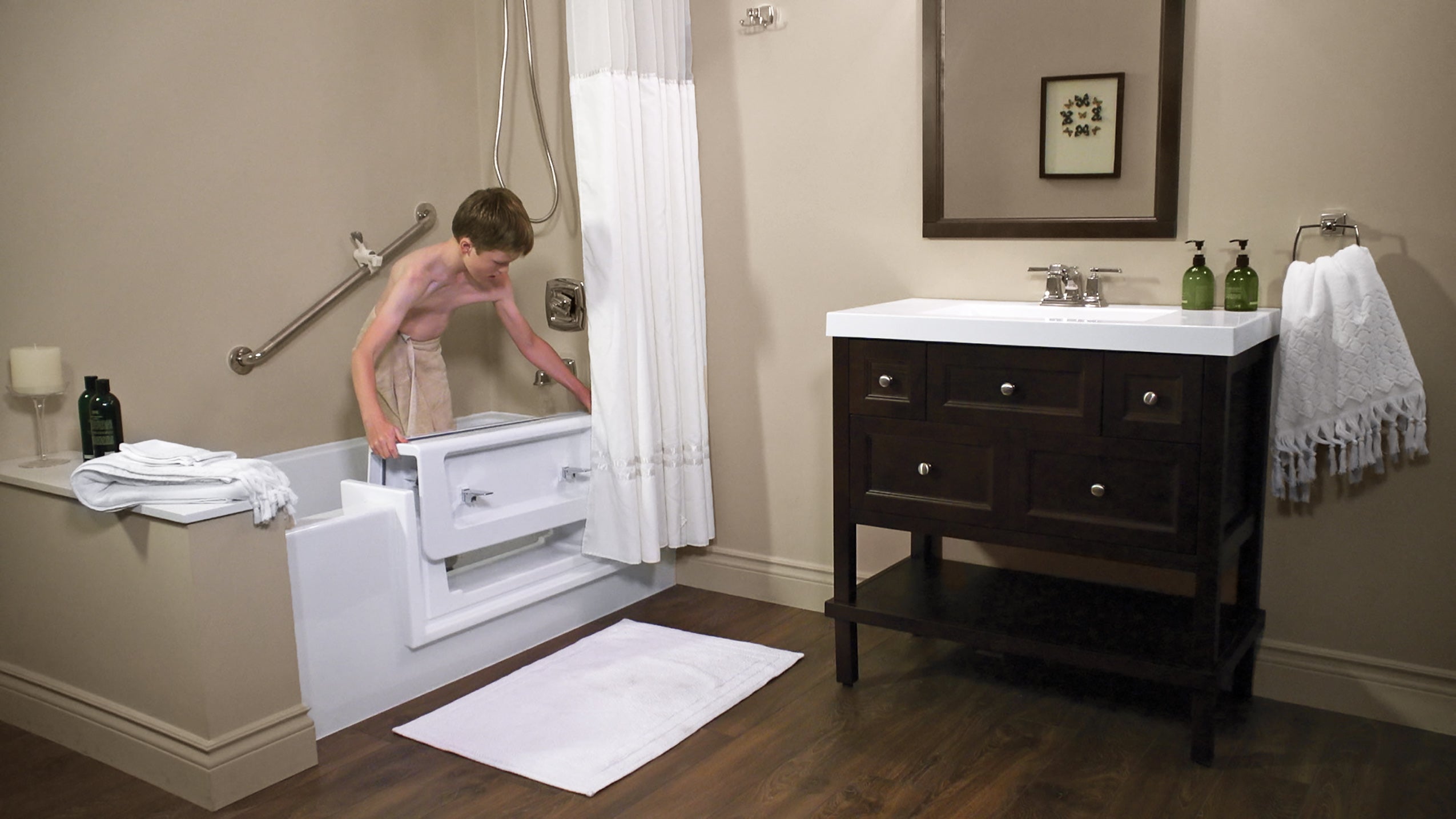
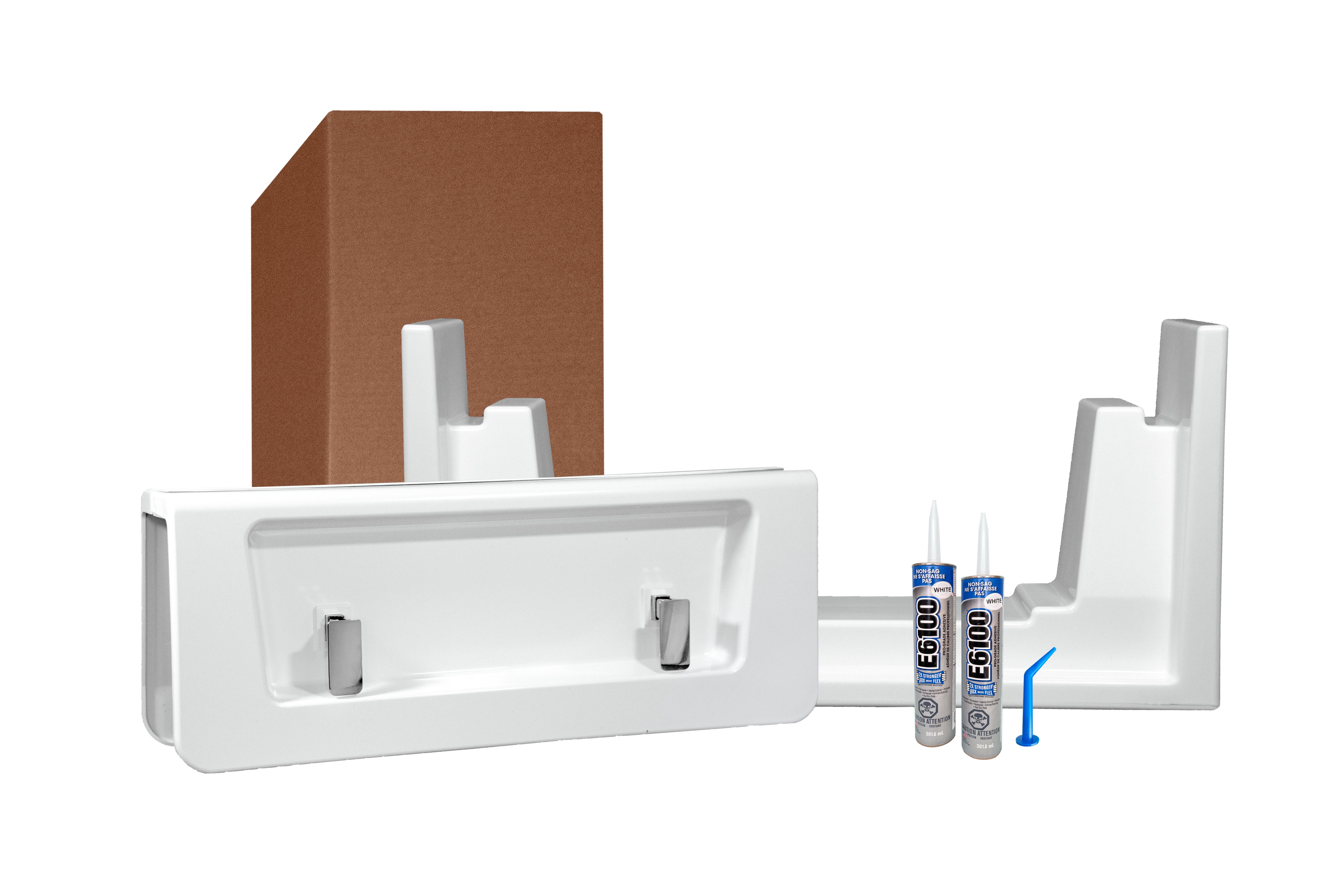
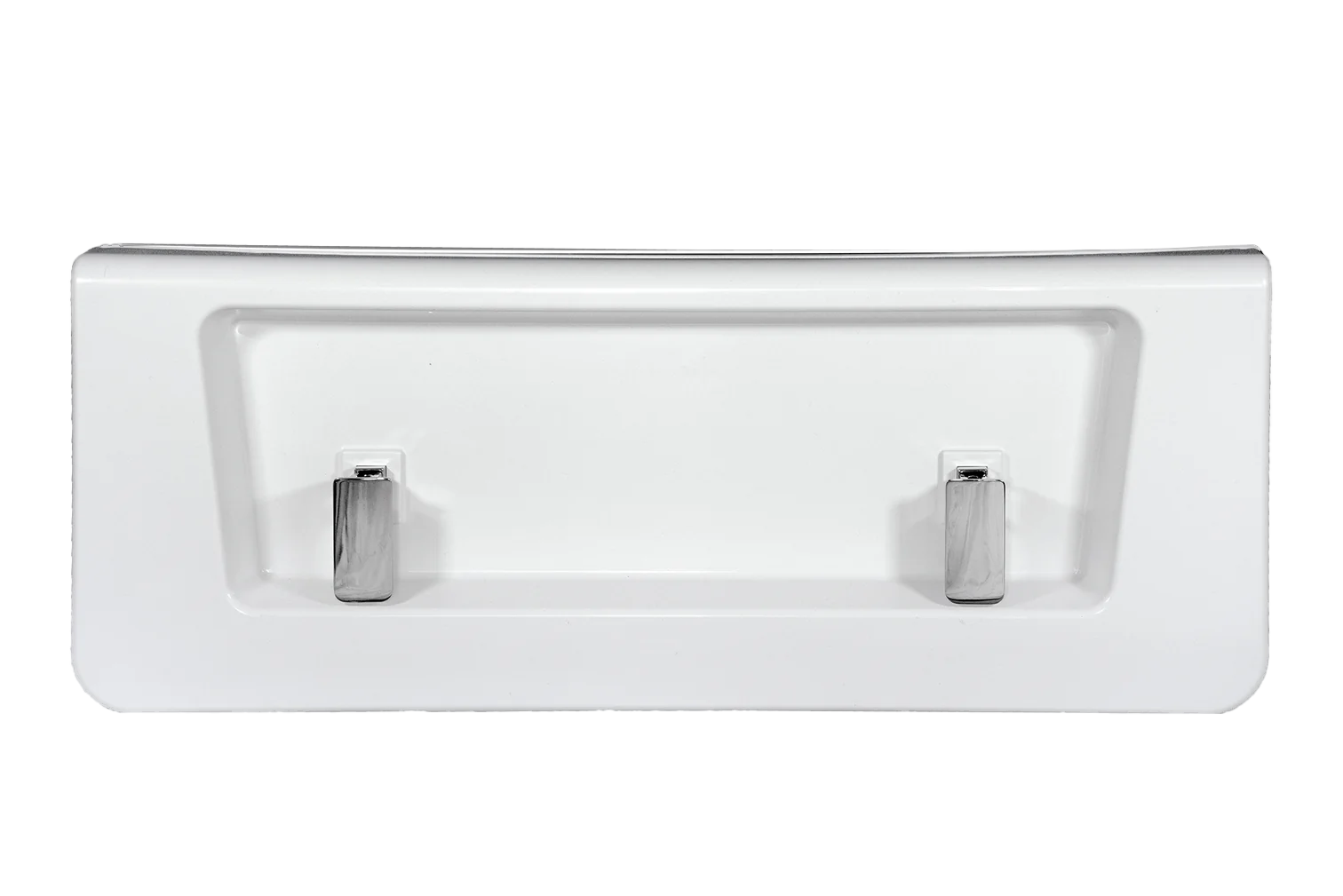
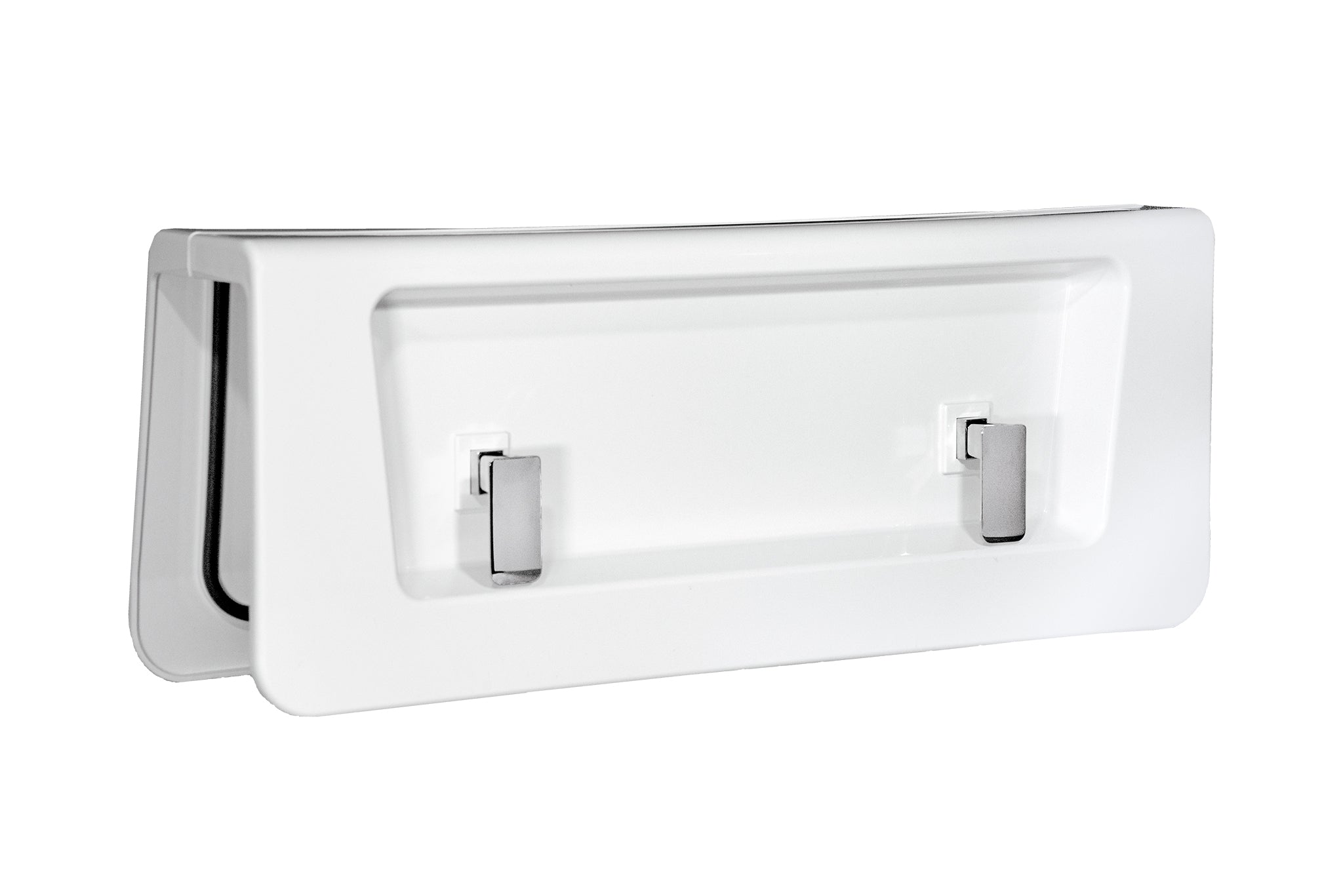
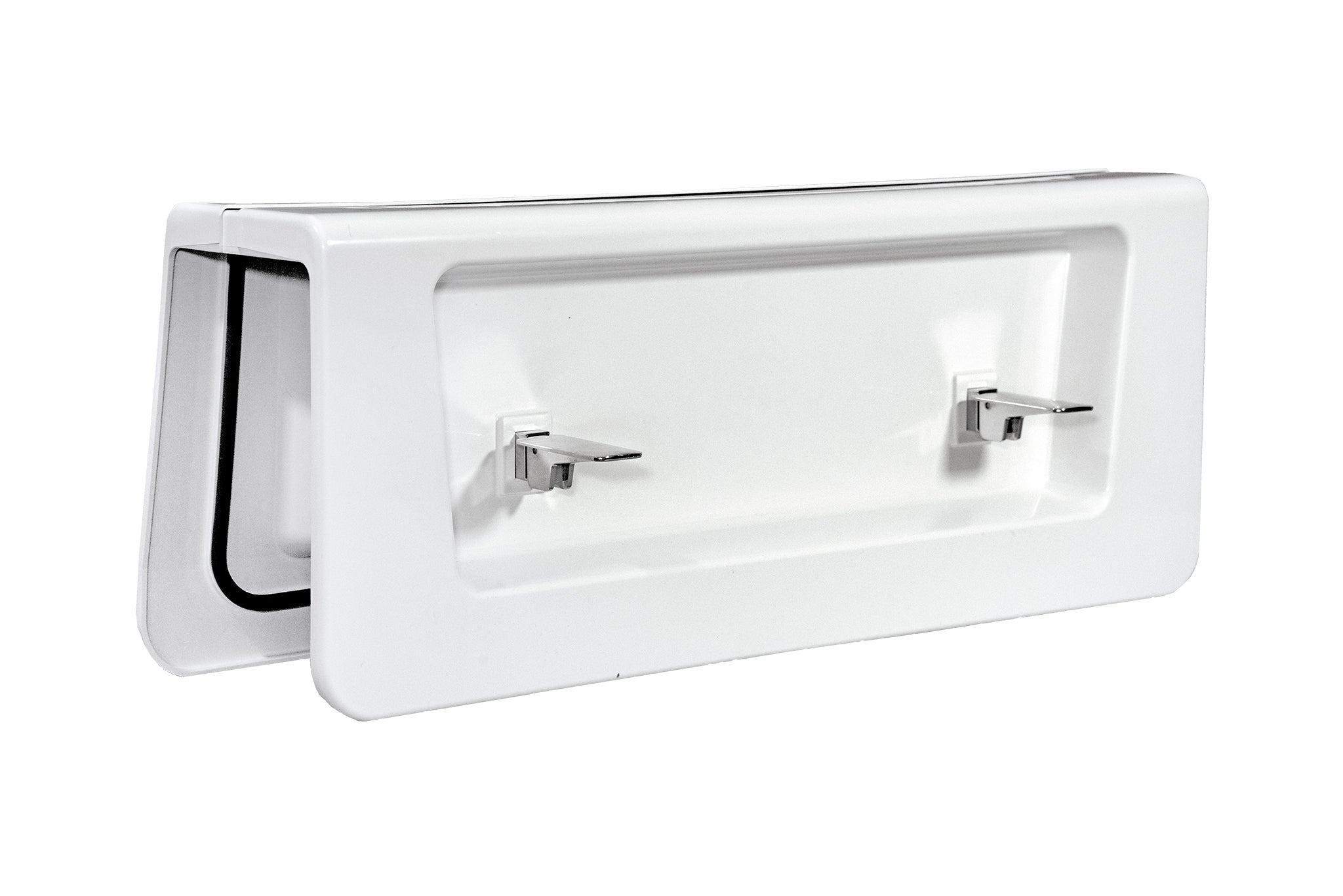
Solutions like those offered by Quick Tub® are designed specifically for this purpose. Rather than removing the entire bathtub, the Quick Tub® system modifies the existing tub by creating a safe, low-entry access point and sealing it with a durable, watertight insert. This approach transforms a standard tub into a safer, more accessible bathroom feature in just a few hours.
How Quick Tub® Supports Accessibility Goals
Products from Quick Tub® provide a practical way to implement bathroom accessibility solutions at scale.
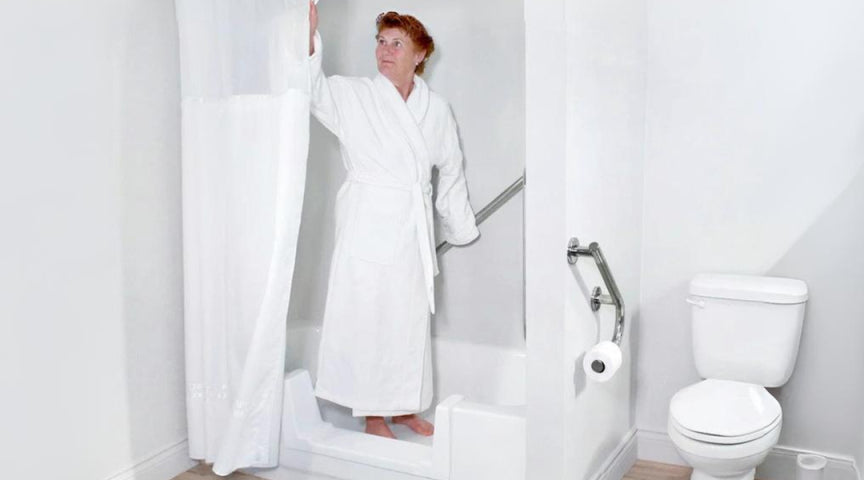
These inserts convert a traditional bathtub into a low-step entry system, making it much easier for individuals to enter and exit safely. This directly supports the creation of a wheelchair accessible bathroom or a safer bathing environment for those with limited mobility.
The tub-to-shower conversion system allows users to switch between a bathtub and a wheelchair accessible shower, offering flexibility for different needs over time. This is especially valuable for aging populations or individuals with changing mobility.
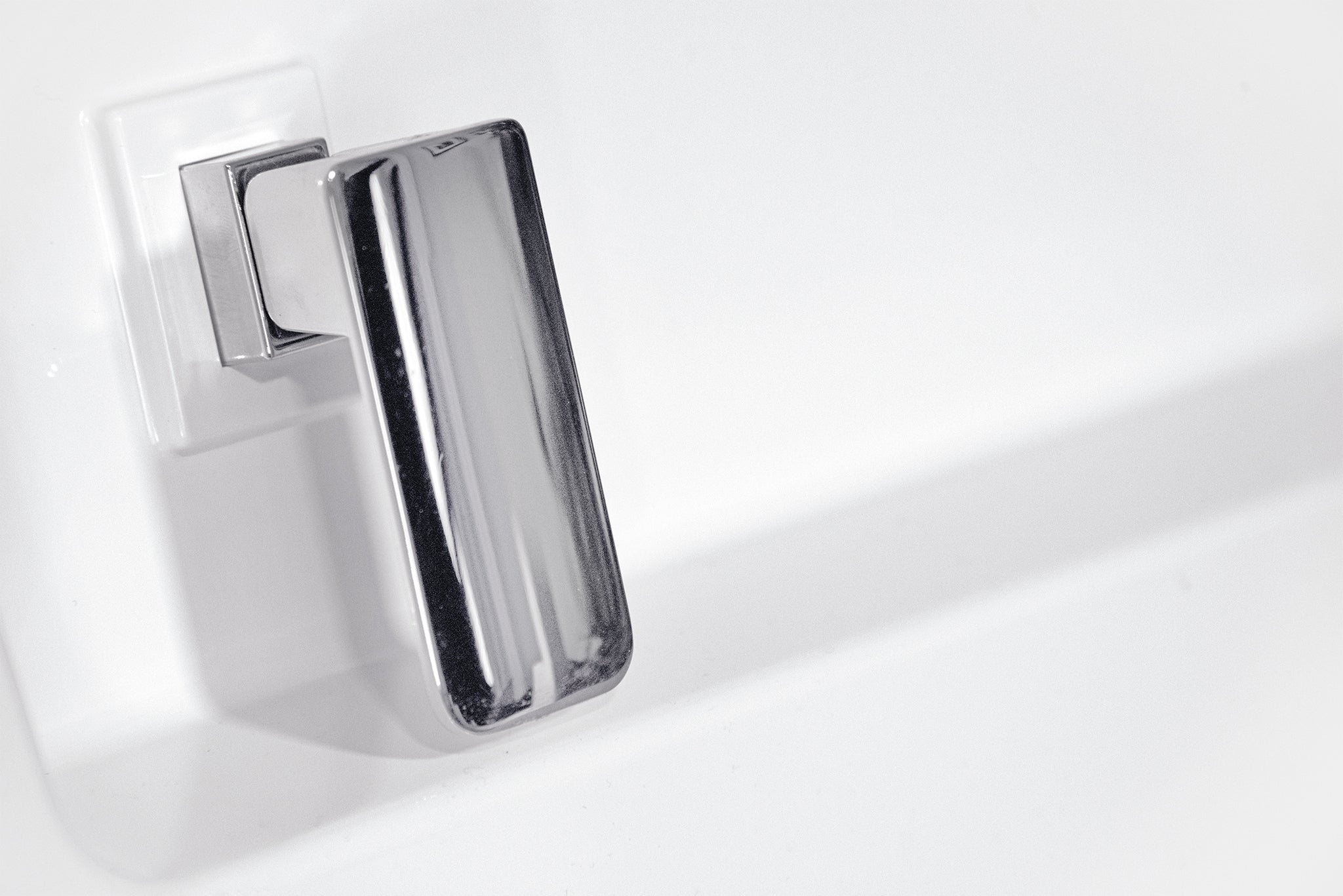
These grab bars feature a textured surface designed to improve grip, even in wet environments. Installed near a tub, a wheelchair accessible shower or a handicap toilet, they provide extra confidence and support without requiring a major renovation.
Unlike a full handicap bathroom remodel, these solutions are fast, non-invasive installations that require no major plumbing changes, avoid tile removal and can be finished in a matter of hours. This allows nonprofits and housing providers to complete more projects within the same budget.
Why This Matters for Nonprofits and Housing Programs
Organizations such as Area Agencies on Aging, Centers for Independent Living and housing authorities often face the same challenge: limited funding, but growing demand. By choosing efficient solutions, they can help more households with the same funding and reduce the installation timelines. Furthermore, this minimizes the disruption for residents and, at the same time, improves safety outcomes faster. This is especially important for programs funded through HUD, VA or Medicaid waivers, where scalability and cost-efficiency are key.
Beyond Safety: The Human Impact
While safety is the primary driver, the benefits of bathroom accessibility go far beyond fall prevention. A well-designed accessible bathroom can:
-
Restore confidence in daily routines
-
Reduce anxiety around bathing
-
Support dignity and independence
-
Improve overall quality of life
For individuals who rely on these spaces every day, these changes are not small. They are life-changing.
Turning Accessibility into Action
Improving bathroom accessibility is one of the most effective ways to support vulnerable populations. Whether through a full handicap bathroom remodel or targeted upgrades like tub-to-shower conversions, the goal remains the same: create spaces that are safe, functional and empowering.
For nonprofits and housing providers, the key is choosing solutions that balance impact, cost and scalability. Modern systems like those offered by Quick Tub® make this possible, helping organizations deliver meaningful improvements without overwhelming budgets or timelines.
FAQs - Frequently Asked Questions
Why are accessible bathrooms important?
Accessible bathrooms are important because they reduce the risk of injuries, especially falls, while enabling individuals to maintain independence. For seniors and people with disabilities, they are essential for safe daily living.
How to make a bathroom more accessible?
You can improve accessibility by installing a wheelchair accessible shower, adding grab bars, upgrading to a handicapped toilet and using solutions like tub-to-shower conversions. Targeted upgrades are often more cost-effective than a full remodel.
What are accessible bathrooms?
Accessible bathrooms are designed or modified to accommodate individuals with limited mobility. This includes features like step-free showers, support bars, wider layouts and other handicap bathroom accessories that improve safety and usability.

Share:
A Guide for Veterans Service Organizations: Bathroom Accessibility Benefits Worth Knowing About
What Makes a Reliable Home Modification Partner for Grant-Funded Programs?