

Veterans Service Organizations are often the first call a veteran makes when a bathroom becomes too dangerous to use safely. High tub walls, slippery floors and missing grab bars turn a private, everyday routine into a real fall risk, especially for veterans managing service-connected mobility limitations.
The funding to fix this exists; the challenge is knowing which VA home improvement grants apply, how to apply, and what a veterans’ bathroom remodel program will actually pay for. This guide walks VSOs and caregivers through the benefits, the grants, the application process, and what to do when VA funding isn't enough.
What Bathroom Accessibility Benefits Are Available to Veterans?
Bathroom VA benefits range from small, fast fixes to full structural overhauls. On the smaller end are grab bars, lowered sinks, lever-style faucets and non-slip flooring.
On the larger end, you will find widened doorways, roll-in showers and full veterans bathroom remodeling projects that reconfigure the room entirely.
These benefits come either as direct grants or as prescribed, medically necessary modifications. Together they make up what's often called the veteran bathroom assistance program landscape. This is a mix of VA grants, nonprofit support and state-level waivers.
Does the VA Pay for Bathroom Modifications for Veterans?
Yes, the VA pays for bathroom modifications for veterans through several grant programs — HISA, SAH and SHA — that cover medically necessary upgrades like roll-in showers, grab bars and widened doorways, provided the veteran meets service-connected or medical eligibility criteria.
It isn't a blank check though. Funding caps do apply, and the VA requires itemized bids from qualified contractors before releasing money, whether paid directly to the contractor or reimbursed to the veteran.
Understanding the VA Home Improvement Grants
There are four grant programs a VSO should know inside and out. The HISA grant (Home Improvements and Structural Alterations) is the most common path to a VA bathroom remodel, and it works less like a housing grant and more like a medical prescription. The HISA grant VA benefit covers up to $6,800 for service-connected conditions and $2,000 for non-service-connected conditions.
-
Specially Adapted Housing (SAH): For veterans with severe service-connected disabilities affecting mobility. Covers up to $126,526 (FY 2026) and can fund a full veterans’ bathroom remodel, new construction or the purchase of an already-adapted home.
-
Special Housing Adaptation (SHA): For veterans with qualifying vision loss, severe burns or loss of hand use. Covers up to $25,350 (FY 2026) for more targeted modifications.
-
Temporary Residence Adaptation (TRA): For SAH/SHA-eligible veterans living temporarily with family. Covers up to $50,961 to adapt that home.
All four are grants, not loans. This makes them especially helpful for veteran housing programs and bathroom safety, since nothing is repaid.
How the VA Bathroom Remodel Program Works
Every VA bathroom remodel program follows roughly the same path, and this is where a VSO's advocacy matters most:
-
Get a medical nexus. For HISA specifically, a VA physician must prescribe the modification; this is what separates HISA from SAH/SHA, which are evaluated primarily on disability rating.
-
Gather documentation. DD214, proof of home ownership or notarized permission from the homeowner if the veteran doesn't own the property.
-
Submit the right form. VA Form 10-0103 for HISA; SAH/SHA applications go through VA.gov's disability housing grants page or VA Form 26-4555.
-
Collect itemized bids. Contractors need to be VA-registered and provide bids on company letterhead. This is where most applications stall.
-
Track it. HISA applications route through the VA's Prosthetic & Sensory Aids Service (PSAS). Following up directly, rather than waiting, keeps a file moving.
What Can — and Can't — Be Included
A qualifying veteran bathroom renovation typically covers roll-in showers or tub-to-shower conversions, ADA-compliant toilets, lowered vanities for wheelchair access, reinforced walls for grab bars and widened doorways.
What it won't cover: cosmetic upgrades like decorative tile, spa tubs or anything not tied to a documented medical need. Contractors experienced with ADA compliance and VA billing already know this distinction, though it is worth confirming before a bid is submitted, not after.
When VA Funding Isn't Enough
VA grants don't always cover the full project, and not every veteran meets the strict service-connected criteria. VSOs can point families toward genuinely free home repairs for veterans through organizations like:
Medicare or Medicaid may also help with durable medical equipment, like shower chairs, when grant dollars fall short.
Making the Grant Go Further
Once funding is approved, the contractor and system chosen determine how many households a limited grant can actually help. A full remodel that removes the tub, relocates plumbing and retiles the room can run well past what a HISA grant covers.
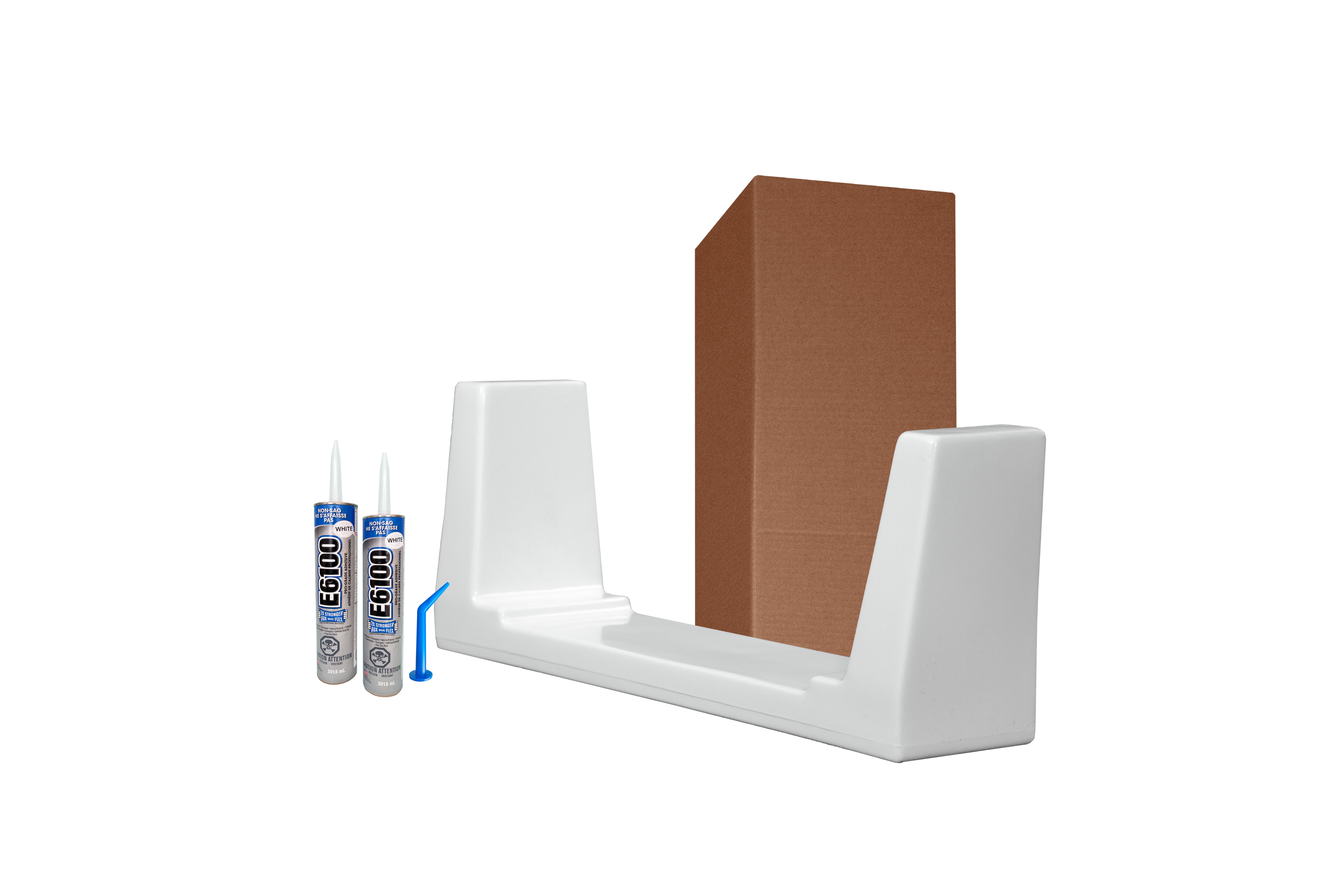
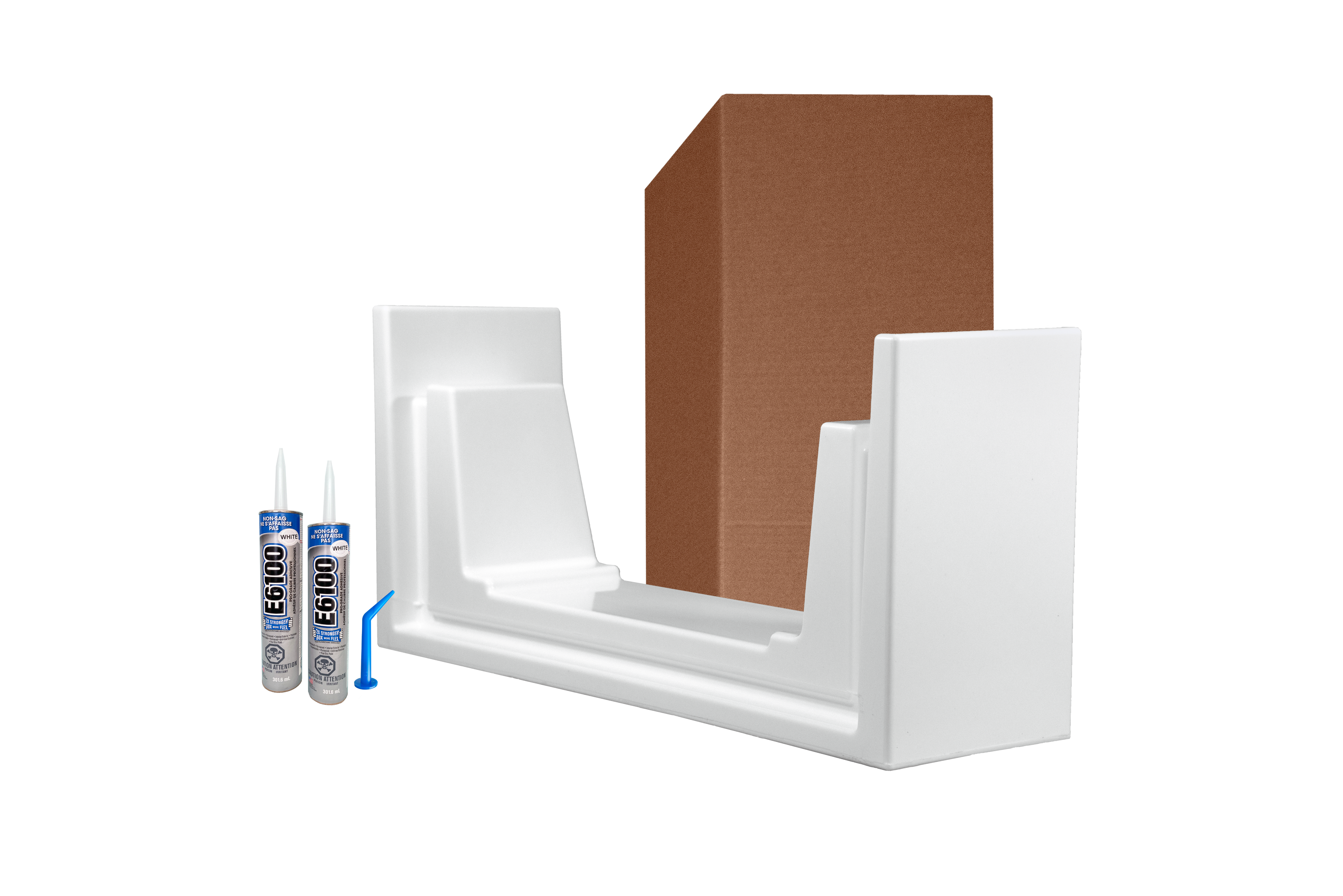
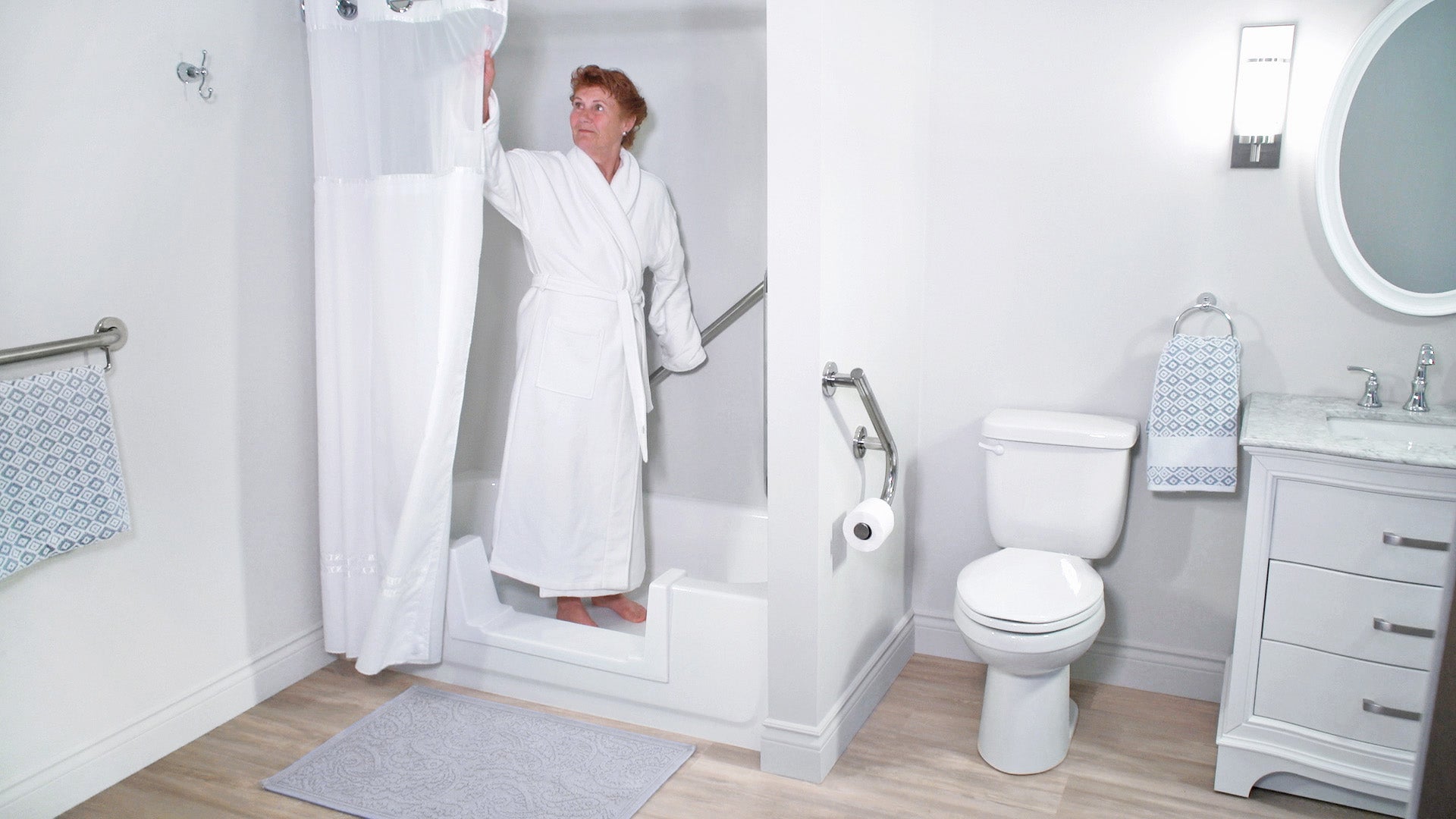
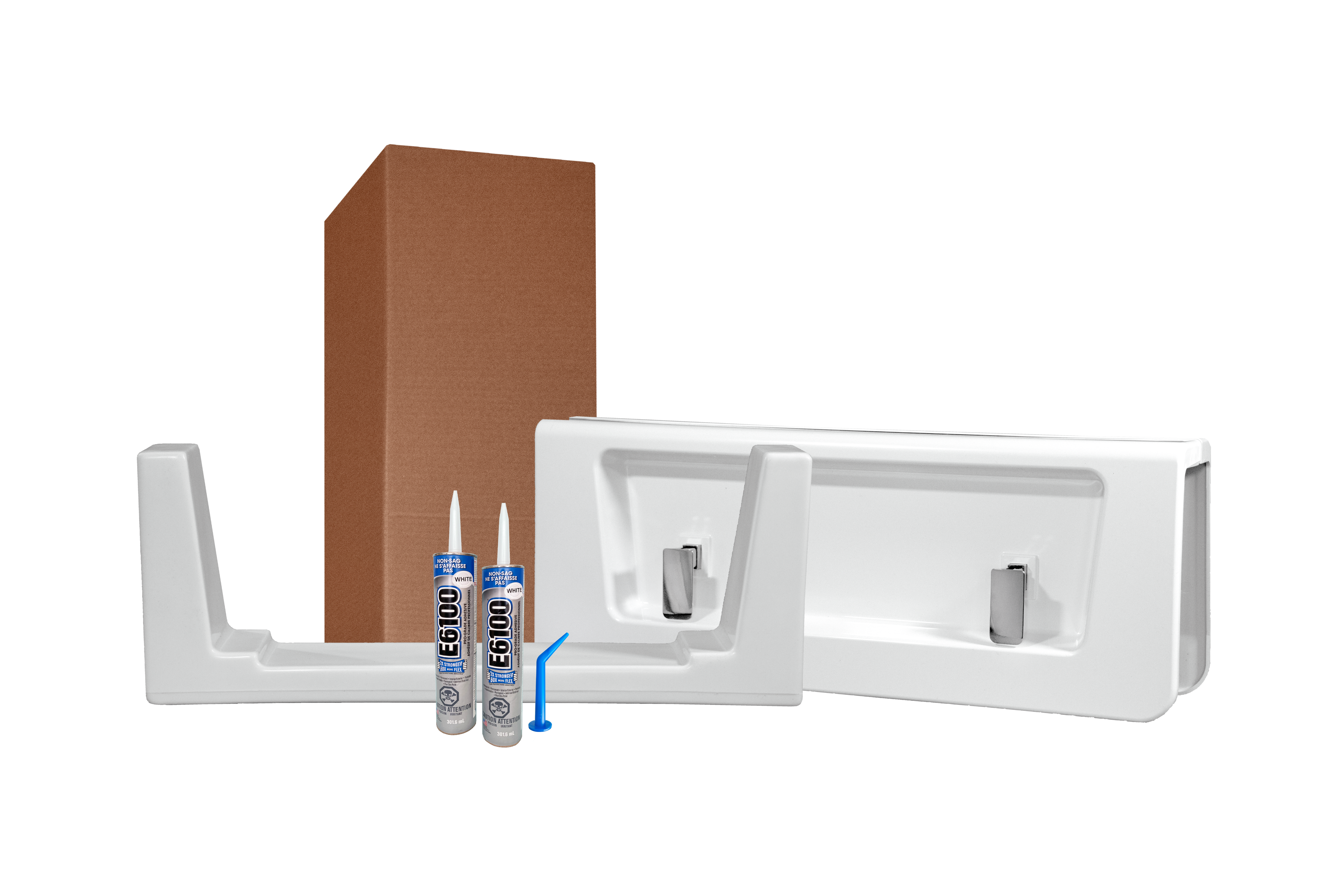
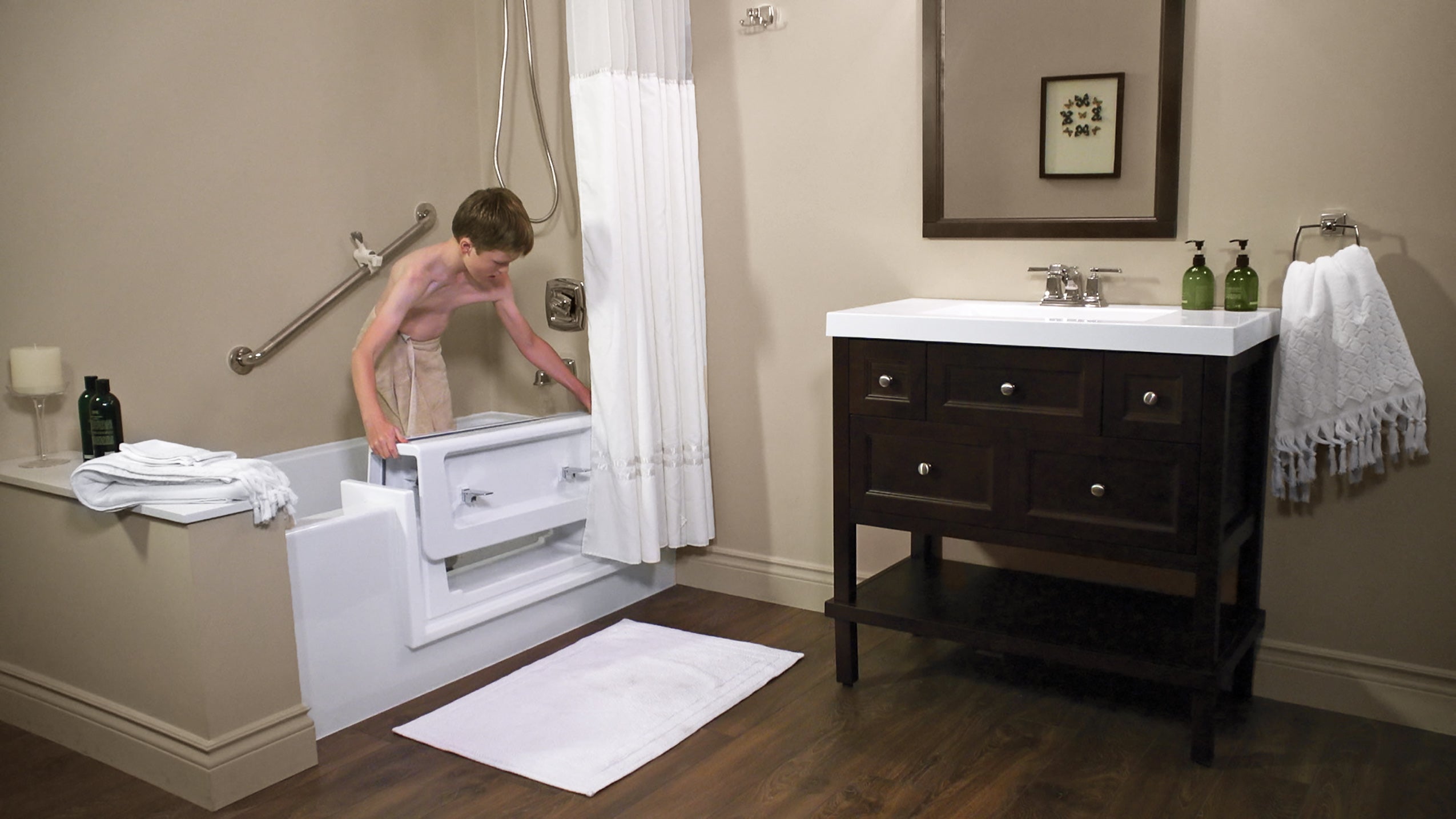
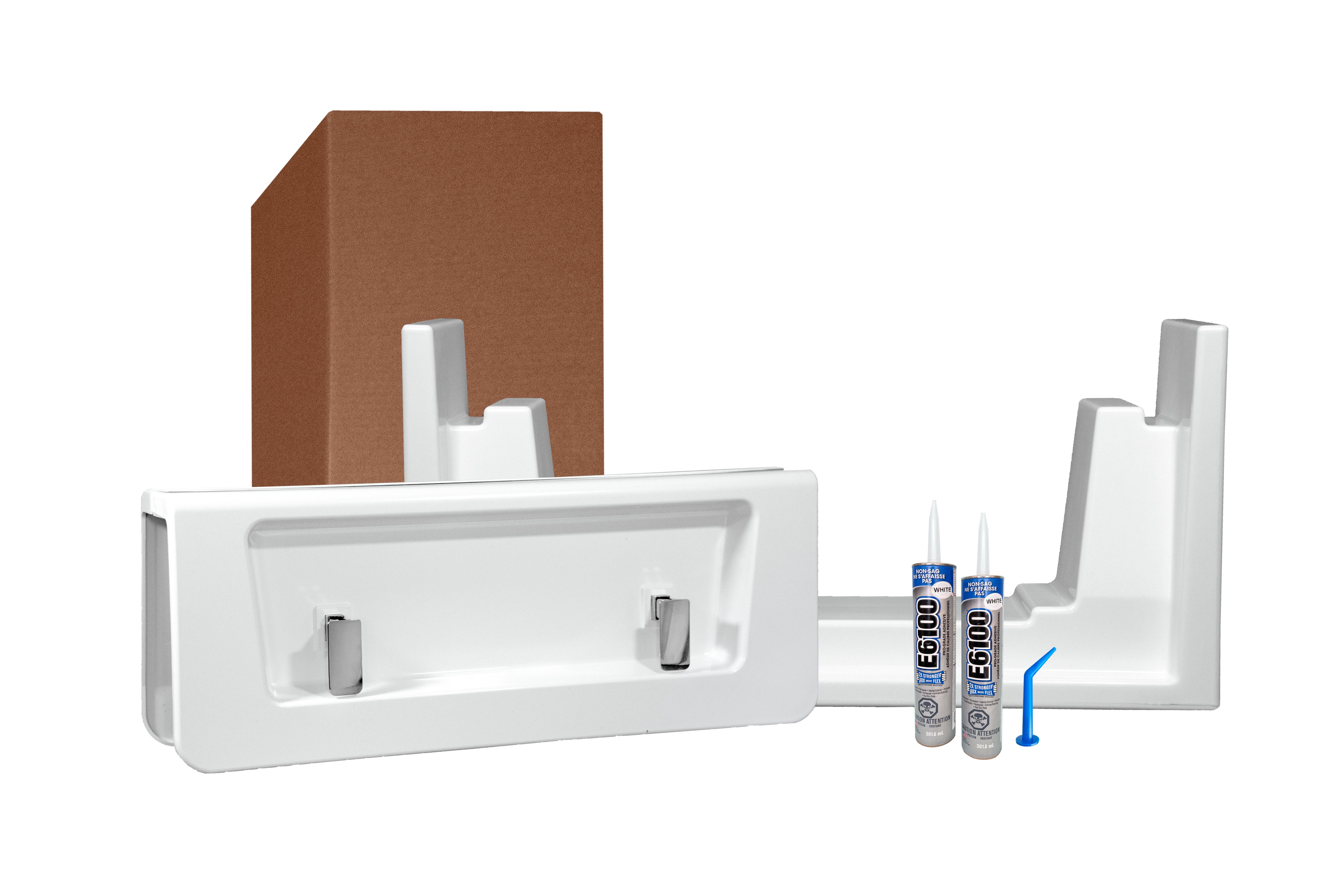
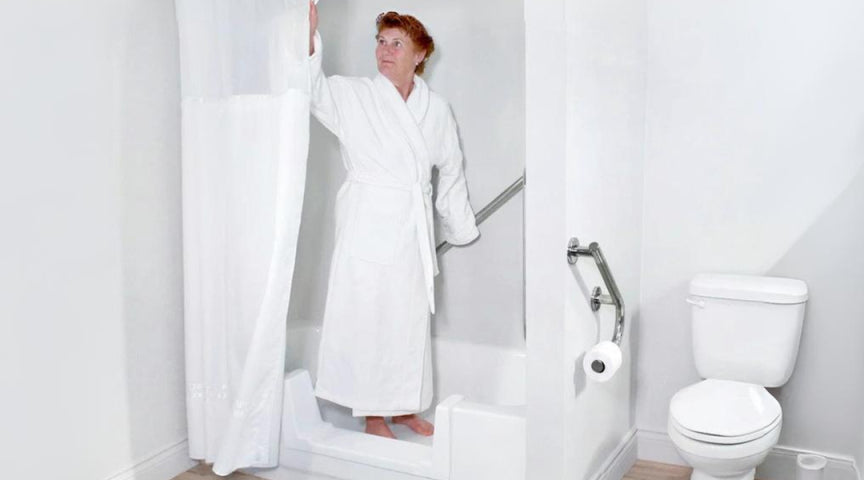
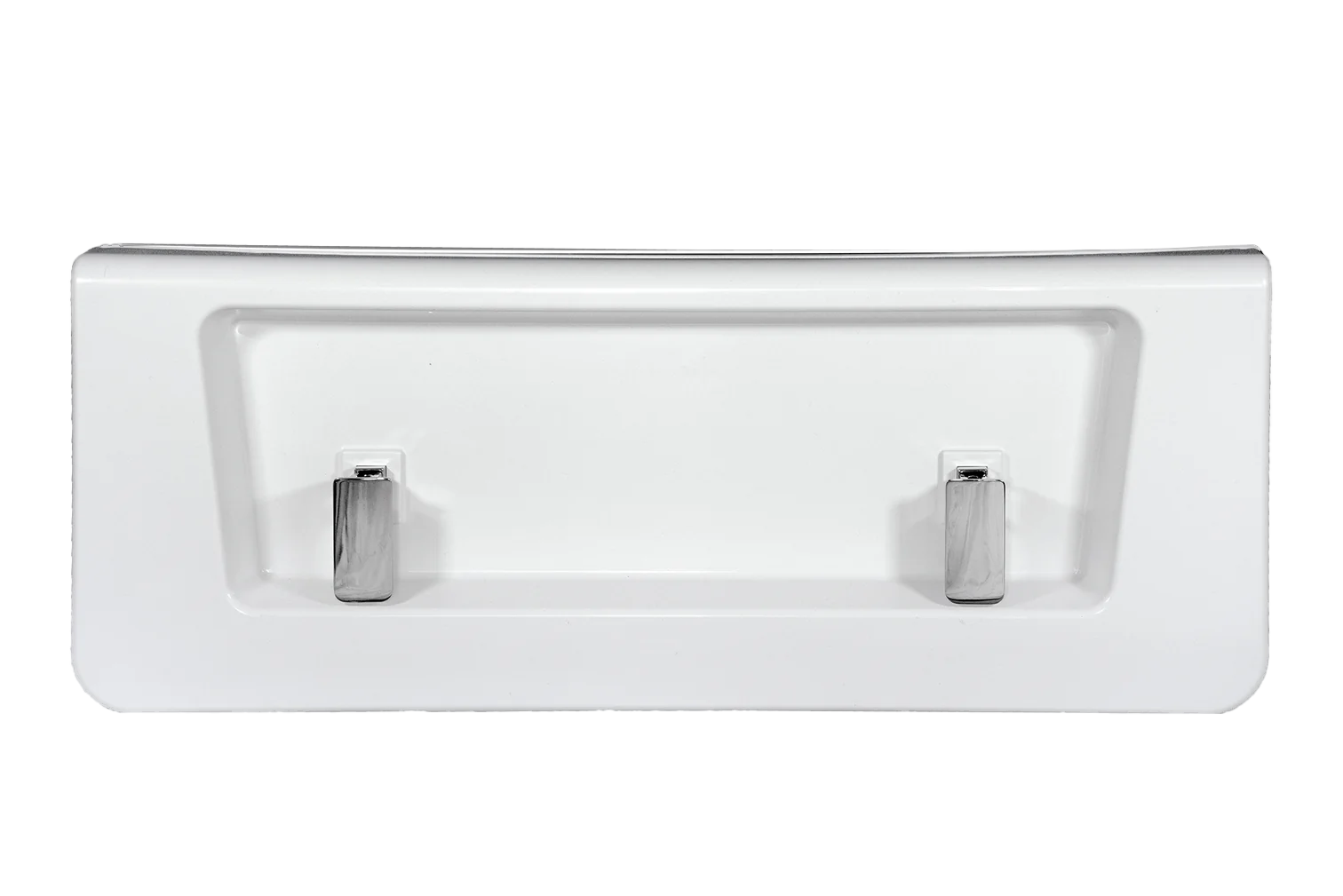
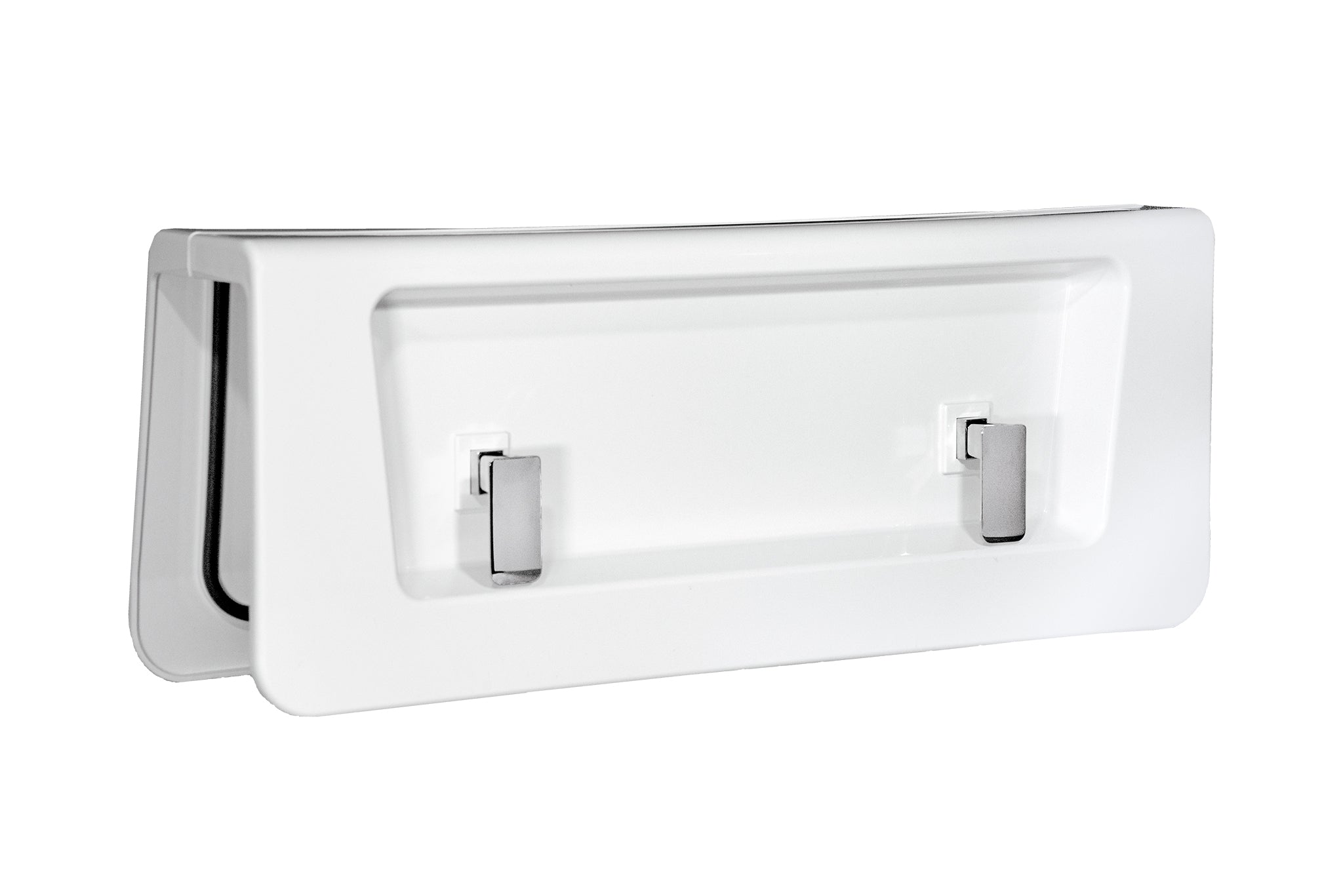
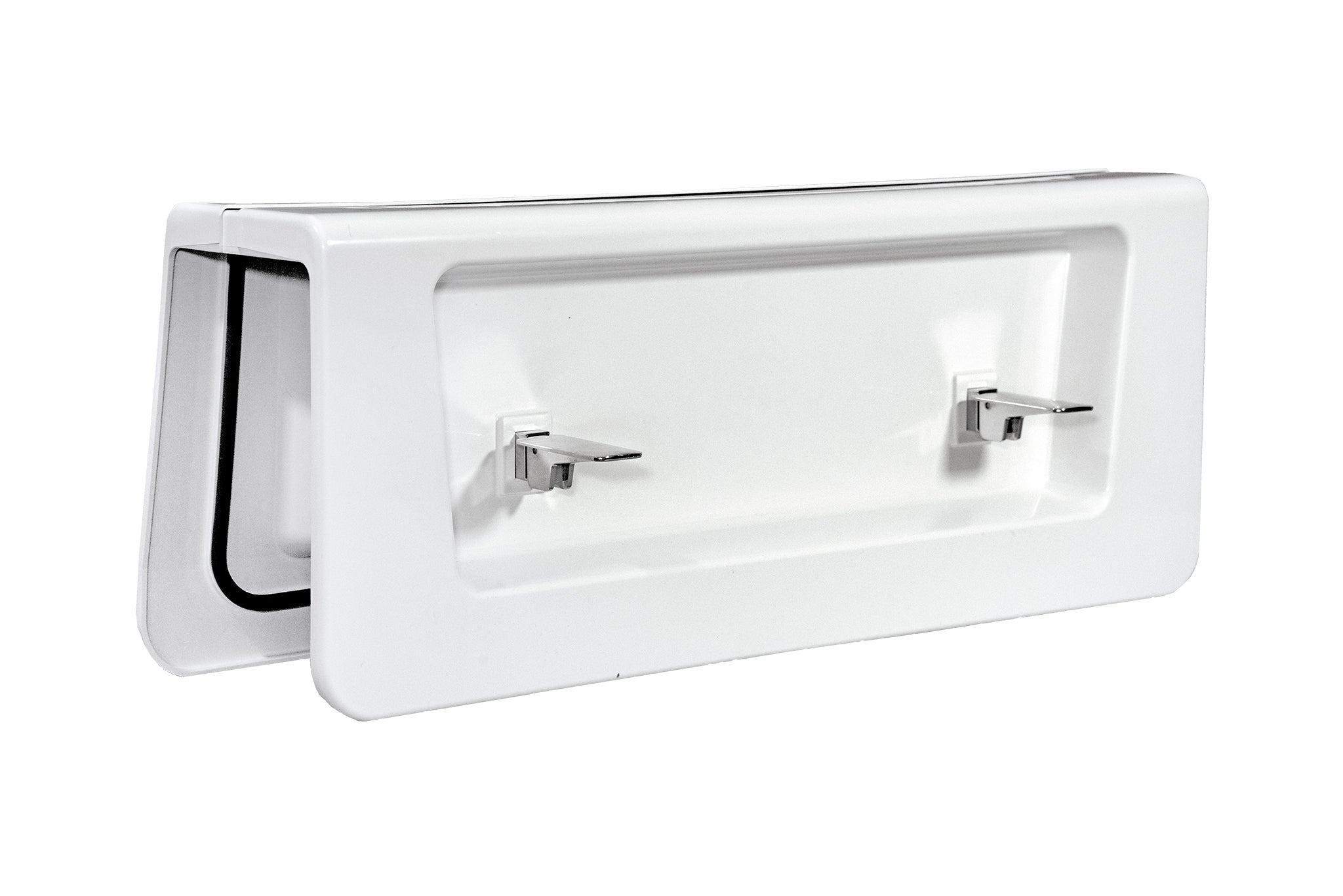
For veterans who mainly need the tub's high step-over eliminated, Quick Tub's Walk-Thru Insert creates that same low-entry access in a few hours, without touching plumbing or tile. It’s a practical fit for HISA-funded projects with a hard $6,800 or $2,000 ceiling.
Households that want the flexibility to switch back to a full bath can add the Quick Tub® Full Convertible Kit, and ADA-height knurled grab bars round out a compliant setup.
VSOs managing several cases at once can also ask about bulk ordering through the Quick Tub® partner program.
How VSOs Can Best Support Veterans
The most effective VSOs treat this as ongoing advocacy, not a one-time referral. Help veterans gather their service records early, connect them with contractors who already understand VA billing and follow up with PSAS rather than waiting for the VA to reach out.
A well-run veterans’ bathroom remodel program can be the single biggest factor in whether a veteran ages safely at home or is pushed toward a higher level of care, and that's what makes the paperwork worth pushing through.
FAQs - Frequently Asked Questions
What VA grant can help pay for bathroom modifications?
The HISA grant for veterans is the most common route for standard bathroom safety upgrades. SAH and SHA can also fund bathroom work as part of larger home adaptations for veterans with more severe disabilities.
Can VA benefits cover a walk-in shower?
Yes, roll-in and walk-in showers are among the most commonly approved HISA and SAH/SHA modifications, since they directly address fall risk and mobility.
Can veterans get help paying for bathroom accessibility equipment?
Yes. Beyond VA grants, Medicare or Medicaid may help cover durable medical equipment like shower chairs., Nonprofits, such as Habitat for Humanity's Repair Corps and Rebuilding Together, often step in when VA funding doesn't cover the full project.

Share:
How Quick Tub Supports Compliance for ADA, Fair Housing and Aging-in-Place Programs
Why Accessible Bathroom Design Improves Lives