

Every year, millions of older adults experience falls at home, and the consequences can be life-altering. Falls are the leading cause of injury-related hospitalizations among seniors, often resulting in fractures, loss of independence and long recovery periods. What many people don’t realize is that the majority of these incidents are preventable with the right home modification for fall prevention.
Bathrooms, in particular, are a major risk area. Slippery surfaces, tight spaces and frequent transitions (such as sitting, standing, stepping in and out) make them a hotspot for injuries related to falling in the shower or falling in the bath. For nonprofits, caregivers, housing authorities and families, addressing these risks is one of the most impactful ways to protect vulnerable individuals.
For organizations focused on aging populations, community health, disability services or housing stability, bathroom safety is not just a maintenance issue, it is a strategic investment in public health and long-term cost reduction.
Key Strategies to Decrease the Risk of Falls During Toileting
To decrease the risk of falls related to toileting, focus on secure grab bars beside the toilet, raised or power-assisted toilet seats to reduce strain when standing, bright and accessible lighting for day and night use, and keeping a phone or medical alert device within reach. These measures significantly improve stability and confidence during one of the most common fall-risk activities.
These types of senior home safety improvements are foundational components of broader aging in place modifications and home accessibility upgrades.
How to Prevent Seniors From Falling
As people age, several factors increase the likelihood of falls: reduced balance, muscle weakness, vision changes and medication side effects such as dizziness or low blood pressure. These risks compound in environments that were never designed with aging or mobility limitations in mind.
Bathrooms are statistically the most dangerous room in the house for seniors. Smooth surfaces become slippery when wet, spaces are often narrow and movements like stepping over a tub wall or lowering into a bathtub place the body off balance. This is why bathroom fall prevention is such a critical focus area when planning safety upgrades.
While falls in nursing homes receive significant attention, the reality is that many more injuries occur in private residences, often before individuals transition into assisted living. Proactive fall prevention modification can delay or entirely prevent that move.
Keep in mind: Effective fall prevention requires a whole-home approach. While bathrooms deserve special attention, every room plays a role in helping residents prevent falls and move confidently through their living space.
How to Make a Bathroom Fall-Proof: The Essentials of Bath Safety
When people ask how to reduce falls at home, they are often really asking how to improve bath safety. The bathroom combines slippery surfaces, tight spaces and frequent transitions between sitting, standing and stepping, making it the most common location for serious fall-related injuries.
Because bathrooms are used multiple times every day, even small safety improvements can have a significant impact. Targeted upgrades not only reduce the risk of falling in the shower or bathtub, but also restore confidence and independence for seniors, caregivers and individuals with mobility challenges.
When incorporated into structured ADA bathroom modifications, these upgrades can significantly improve long-term safety outcomes and compliance with accessibility standards.
Grab Bars: Stability Where It Matters Most
Secure grab bars are one of the most effective and affordable fall-prevention tools available. When properly anchored into wall studs or reinforced surfaces, grab bars provide critical leverage and balance support during transitions. Grab bars should be installed:
- Inside the shower or bathtub area to assist with entering, exiting and standing
- Alongside the toilet to support safe sitting and standing
- Near the bathroom entrance, if space allows, offering extra stability when navigating tight areas
Correct placement and professional installation are essential, as poorly secured bars can create a false sense of safety.
Flooring and Slip Resistance
Wet and smooth surfaces are a primary contributor to falls in bathrooms. Improving traction underfoot dramatically reduces slip-related accidents. Effective flooring strategies include:
- Non-slip bath mats inside and outside the shower or tub
- Anti-slip strips or textured coatings applied directly to the tub floor
- Removing loose rugs that can bunch, slide or curl at the edges
These changes help stabilize footing during routine activities like bathing or drying off.
Toileting Safety Aids
Falls frequently occur during toileting, particularly during sit-to-stand movements. Toileting aids reduce strain on joints and improve balance during these transitions. Helpful options include:
- Raised toilet seats or power toilet lifts to minimize bending and effort
- Toilet safety frames that provide arm support on both sides
- Nearby grab bars positioned for natural hand placement
Together, these tools significantly lower fall risk during one of the most vulnerable daily activities.
Lighting Improvements
Poor visibility is an often-overlooked contributor to bathroom falls, especially at night. Improved lighting ensures hazards are visible and pathways are easy to navigate. Effective lighting upgrades include:
- Bright overhead lighting for full-room visibility
- Motion-activated nightlights for nighttime bathroom trips
- Illuminated pathways from the bedroom to the bathroom
Good lighting reduces hesitation, missteps and disorientation that can lead to falls.
How Quick Tub® Solutions Support Fall Prevention in the Bathroom
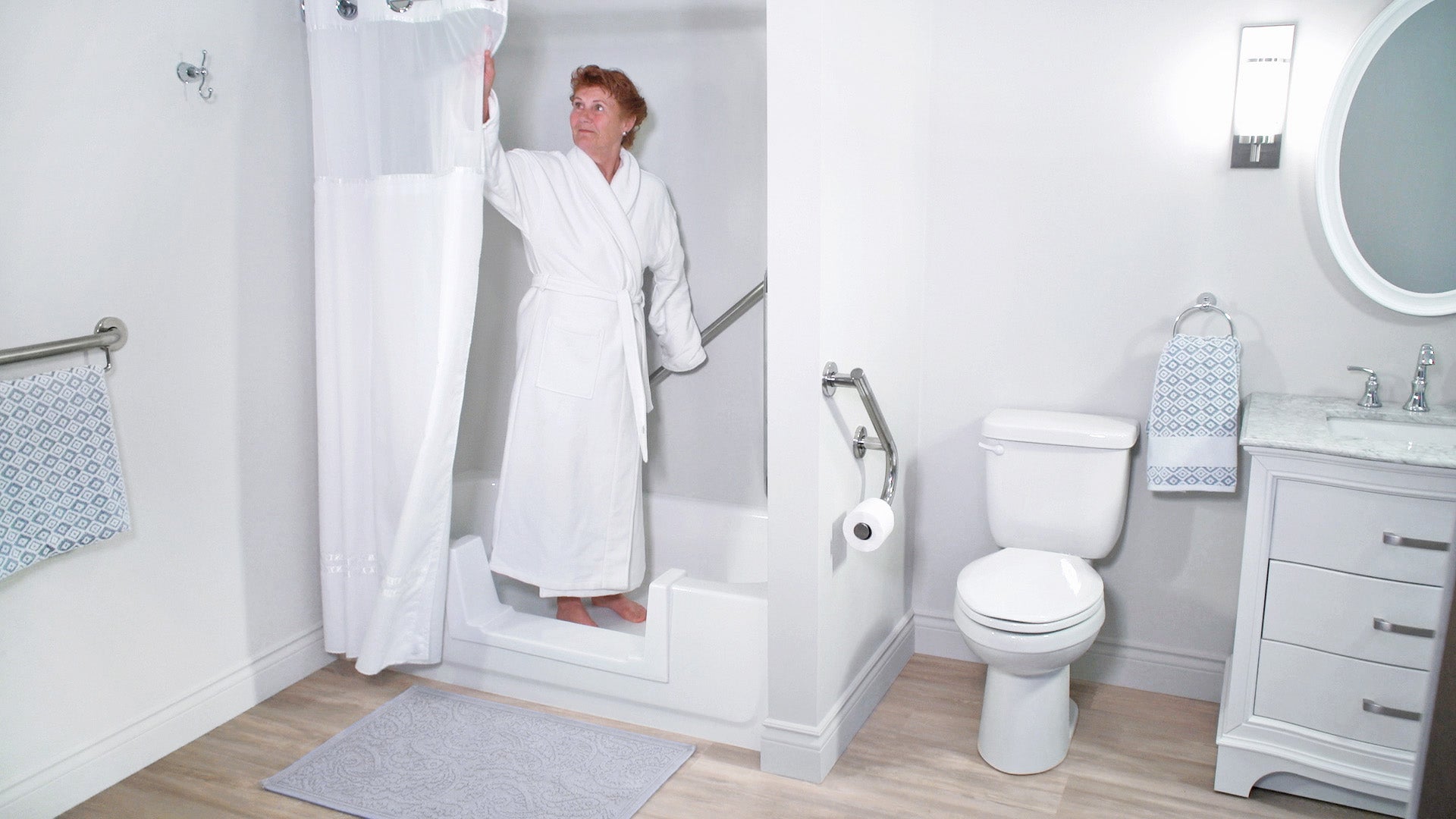
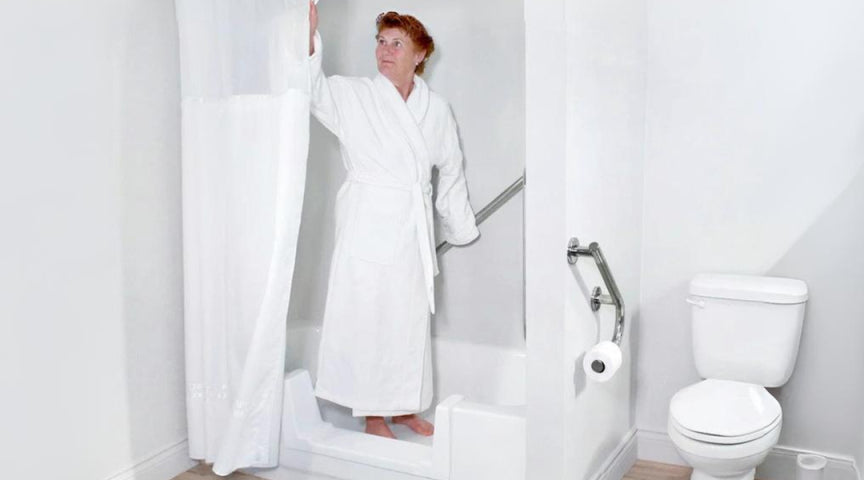
One of the most effective ways to reduce the risk of falling in the shower or bathtub is eliminating the need to step over a high tub wall altogether. This single movement (lifting one leg over a slippery edge) is one of the most dangerous actions for seniors and individuals with limited mobility.
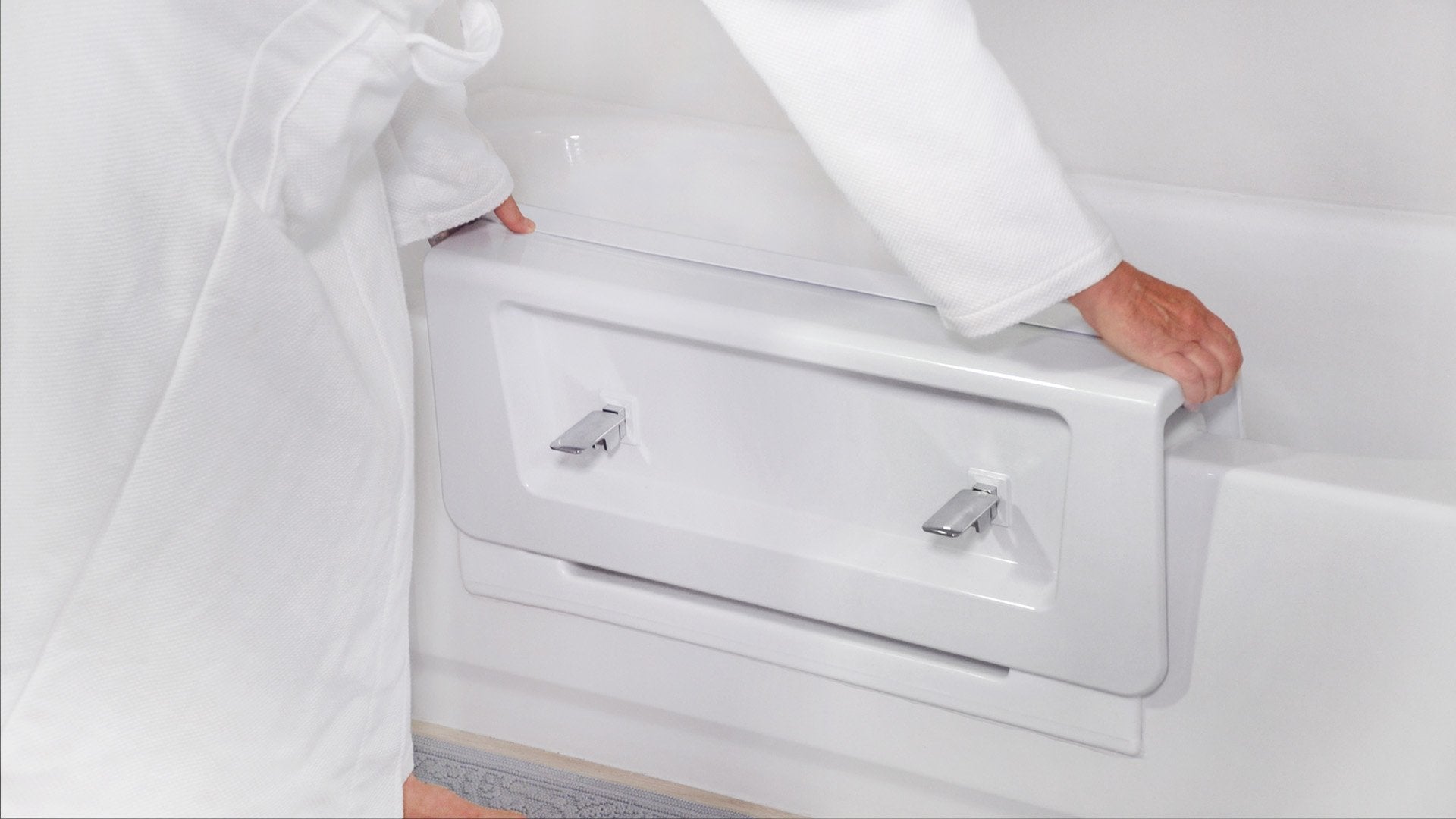
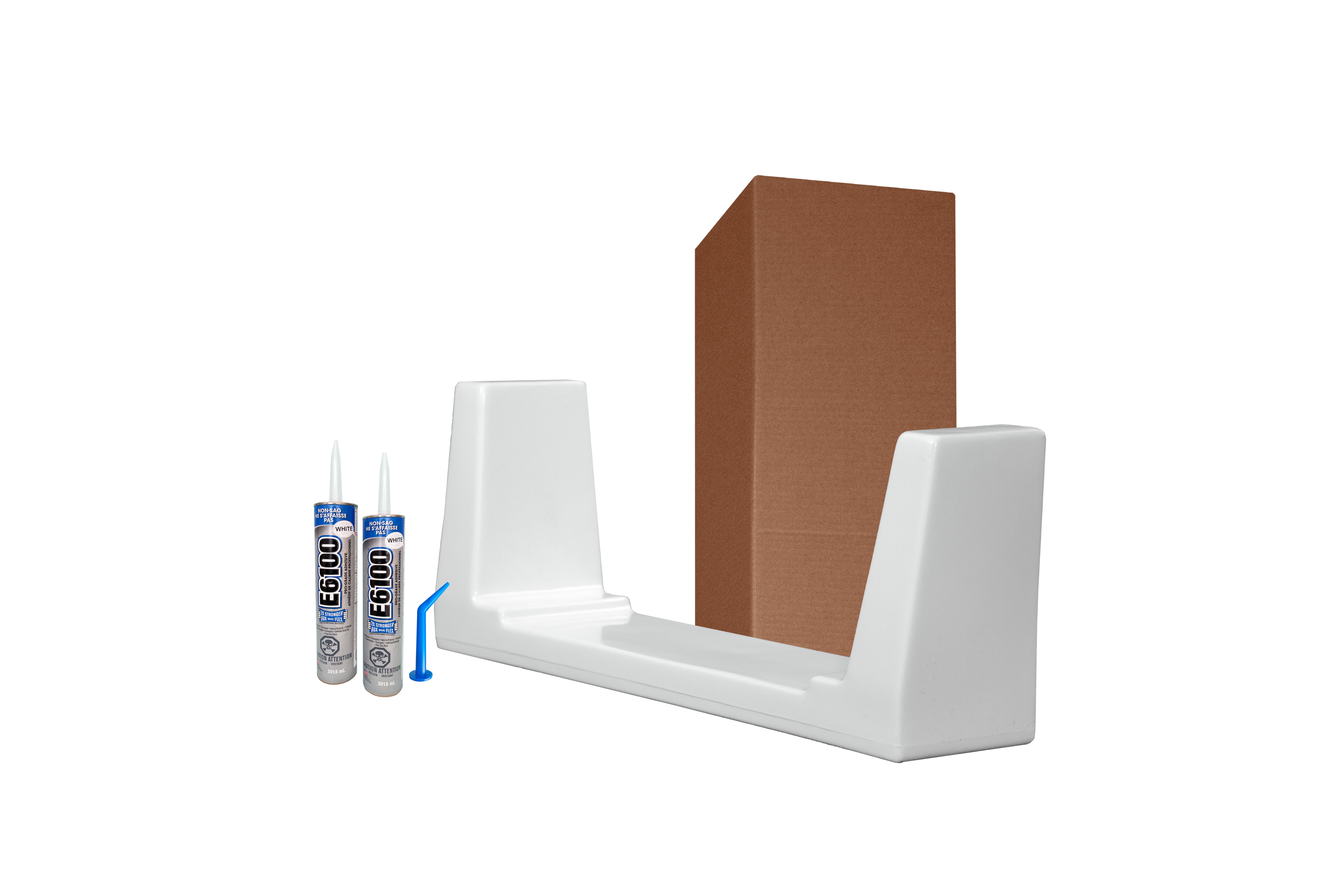
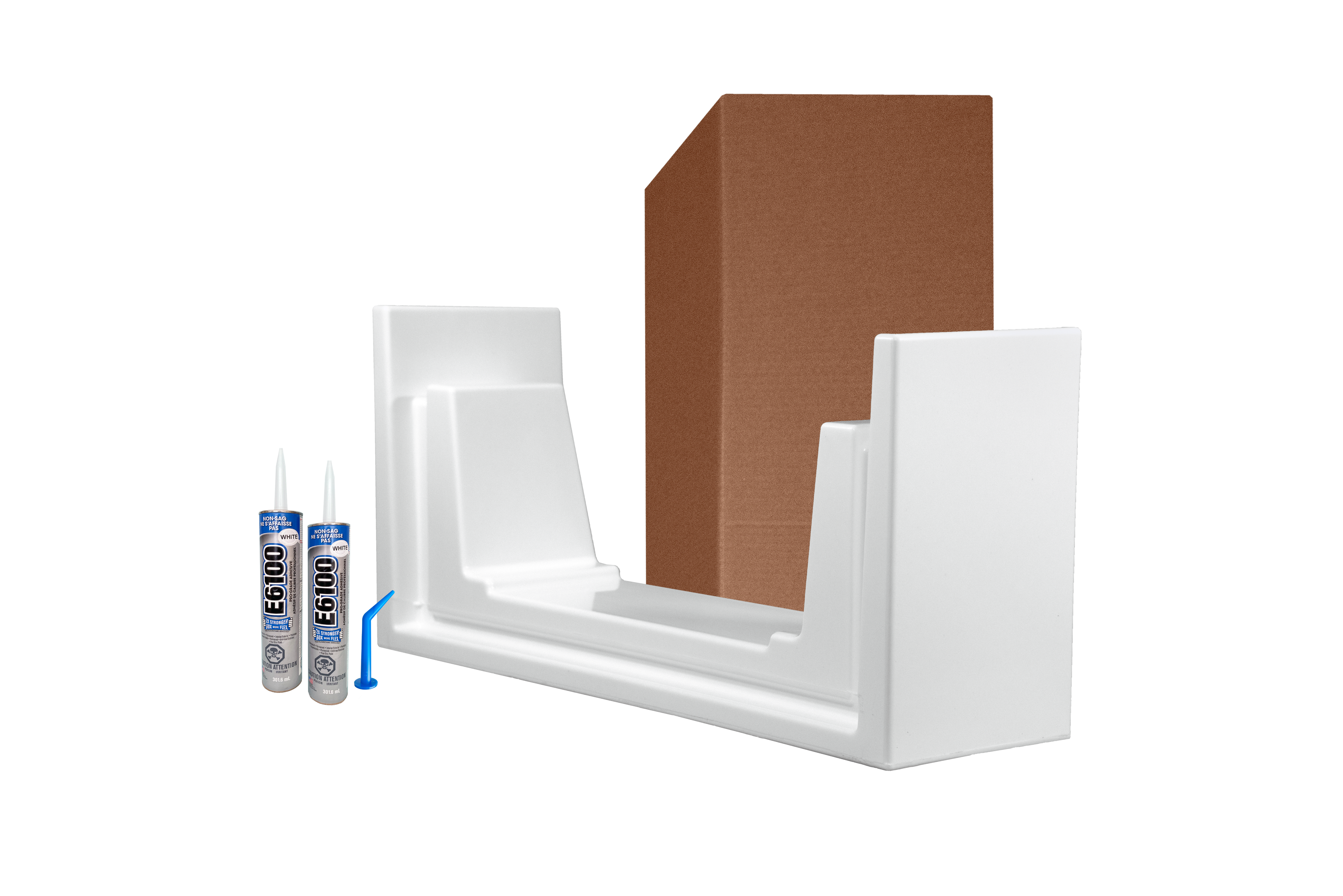
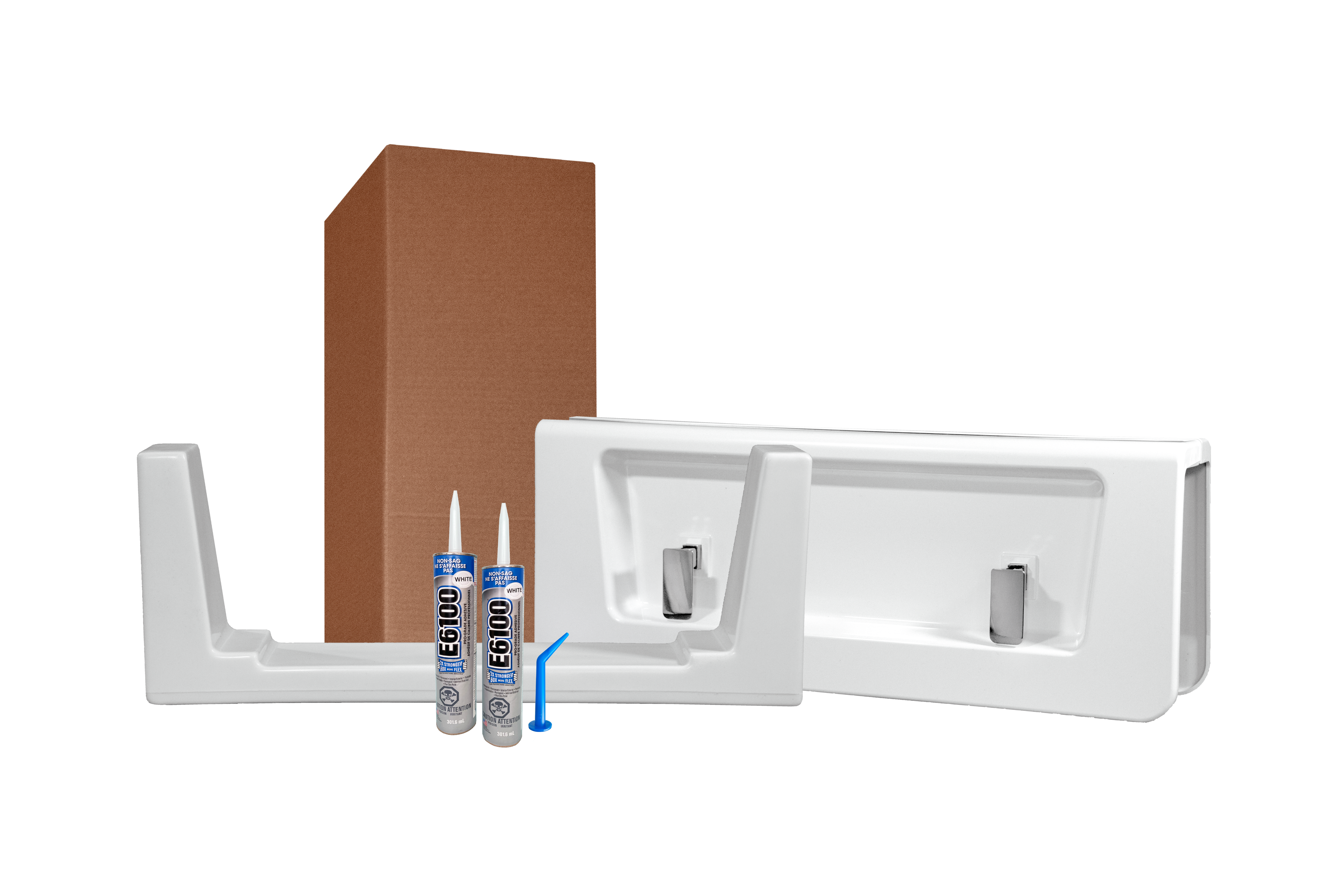
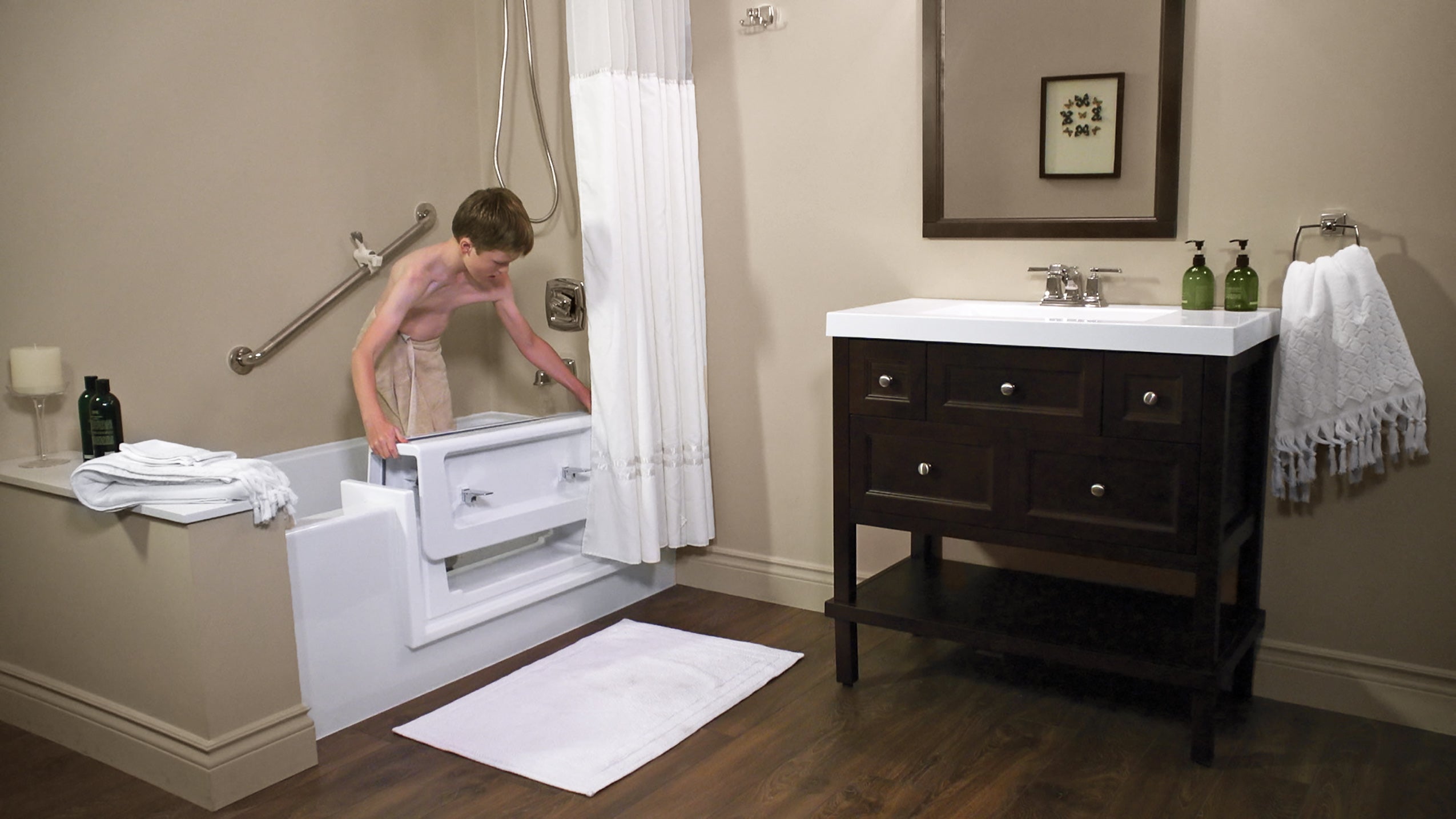
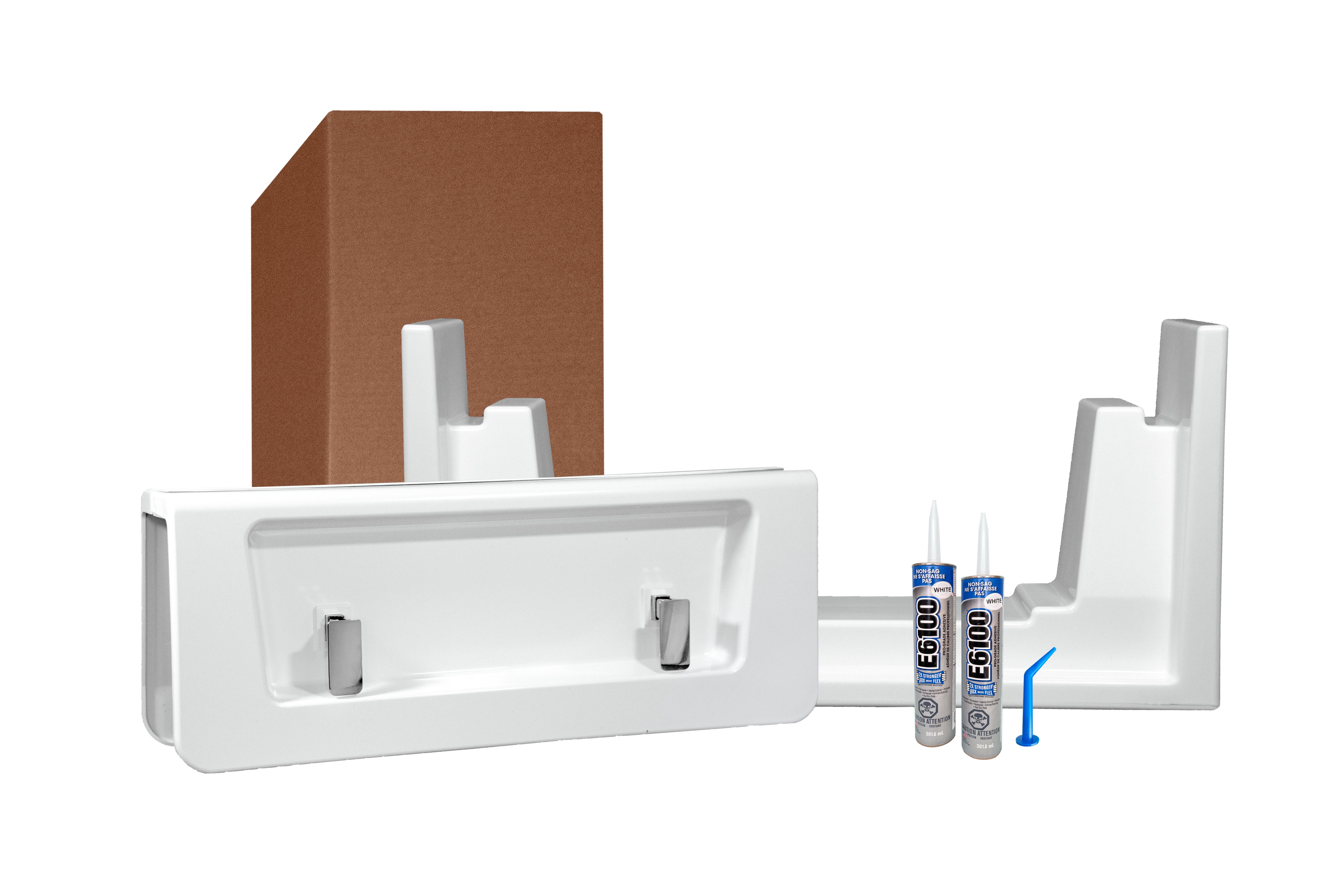
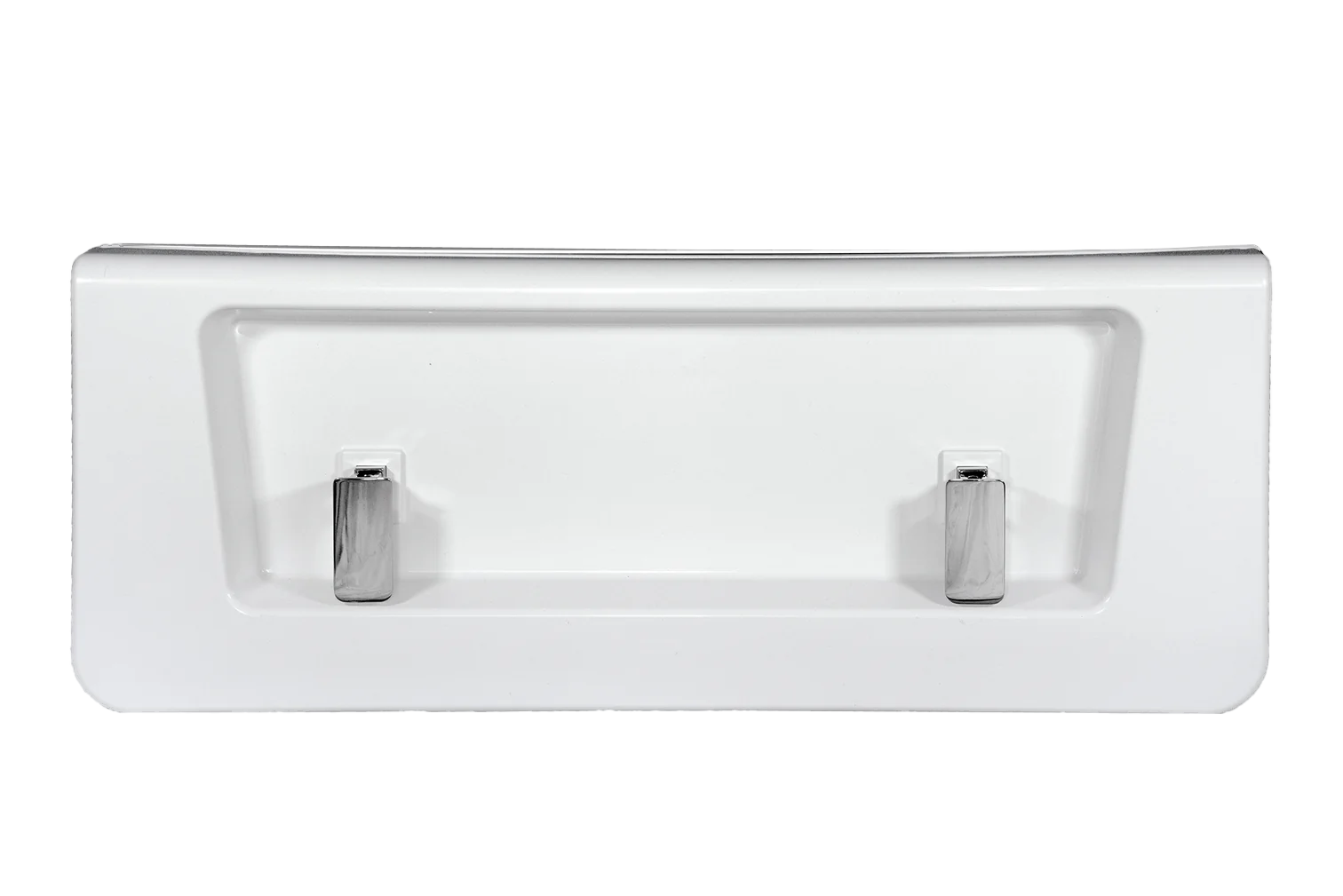
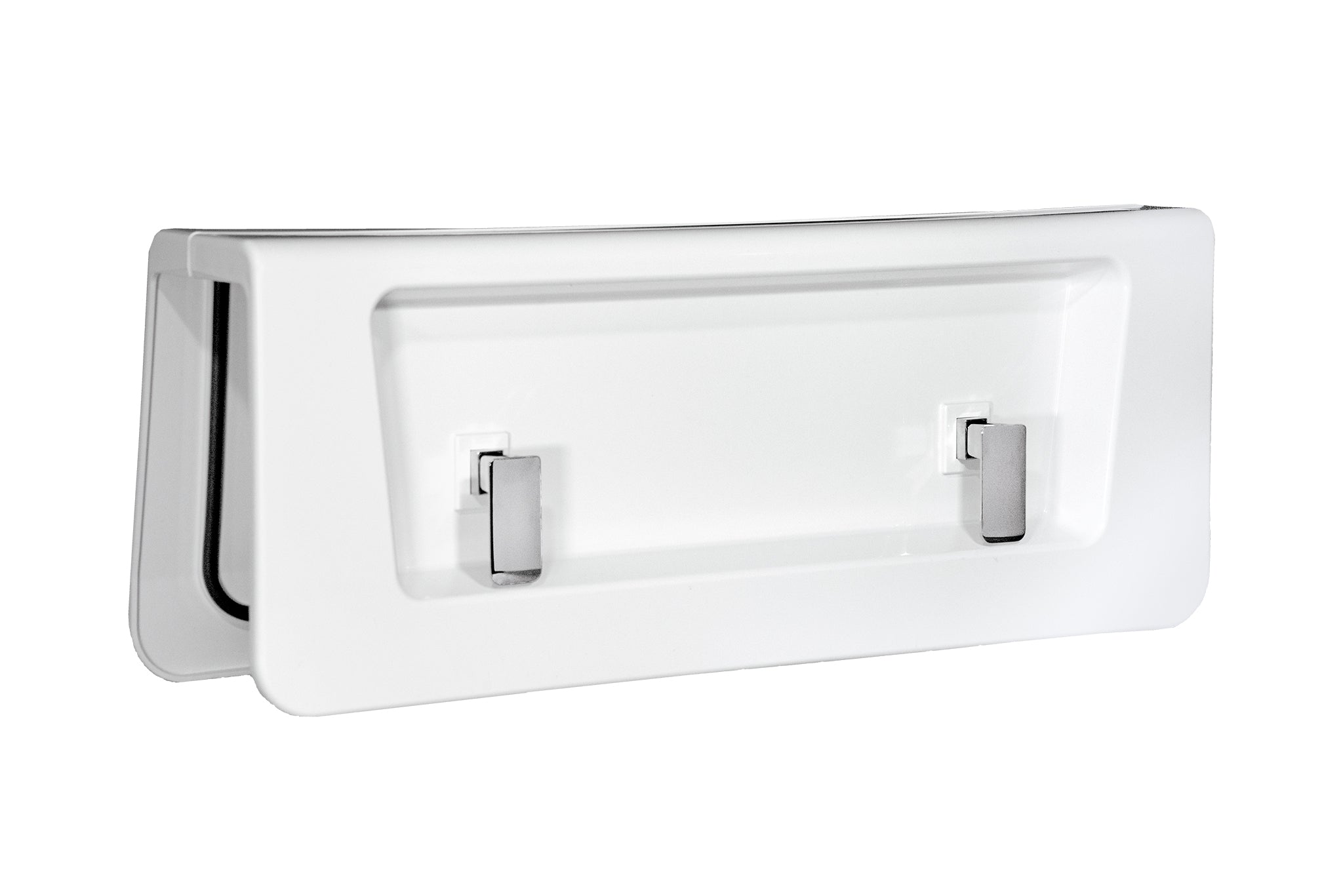
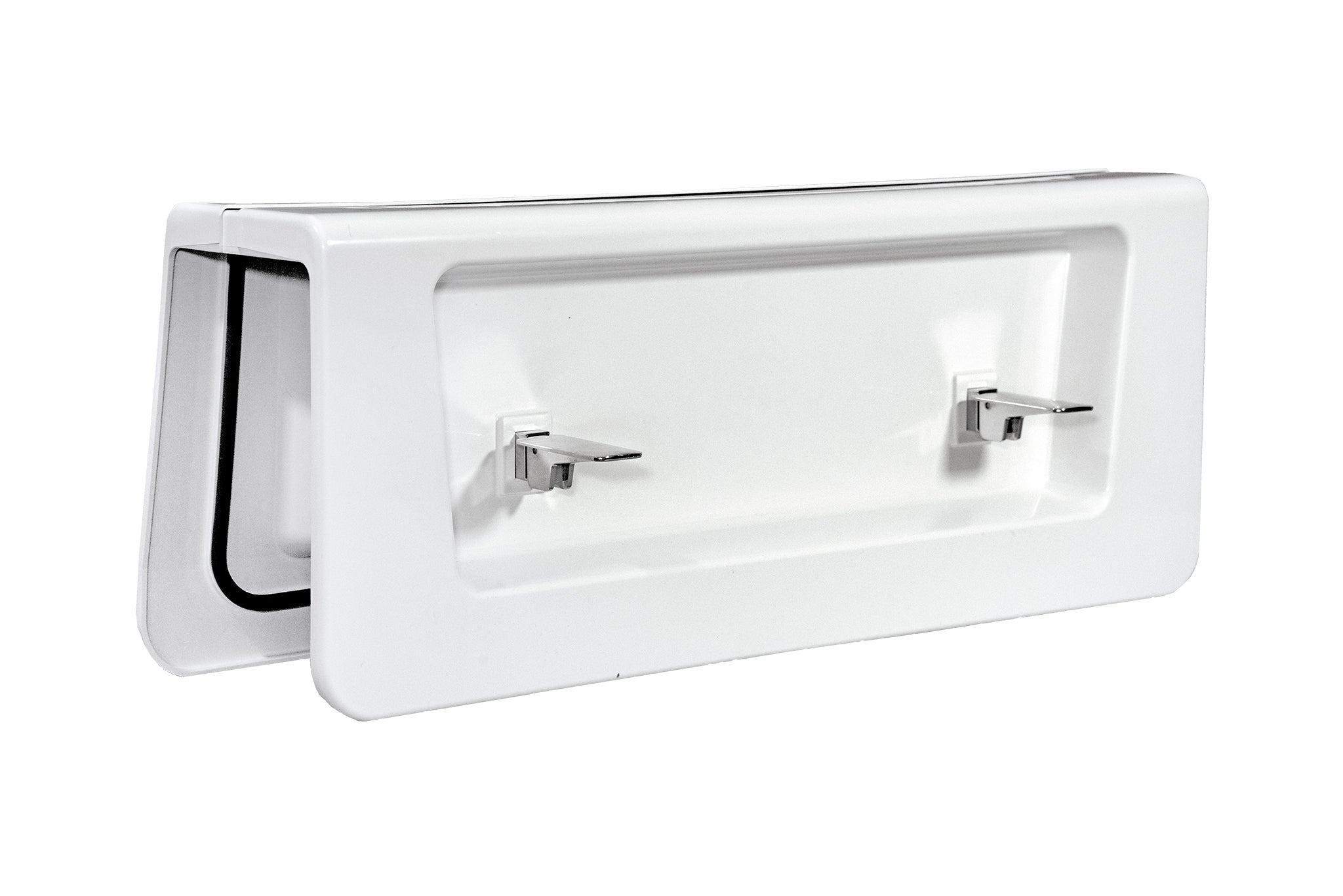
Quick Tub® specializes in bathtub to shower conversion kits designed specifically for fall prevention. The Quick Tub® Walk-Thru Insert creates a low-threshold, walk-in opening in an existing bathtub, allowing users to step in safely rather than climb over the tub wall. For those who still want the option to bathe, the Quick Tub® Cap securely seals the opening, making the system fully reversible. Unlike full bathroom remodels, Quick Tub® solutions:
- Install directly into the existing tub
- Require no plumbing changes
- Require no new waterproofing systems
- Typically install in 2 - 4 hours, minimizing disruption
By reducing step-over height while preserving the existing bathtub structure, Quick Tub® offers a practical, cost-effective approach to bathroom fall prevention. Particularly for nonprofit housing programs, public housing authorities, veteran housing initiatives and community health organizations implementing large-scale home accessibility upgrades.
Together with grab bars, proper flooring and adequate lighting, Quick Tub® systems form a powerful foundation for long-term bath safety and independence.
Bringing It All Together: A Smarter, Safer Approach to Fall Prevention
Preventing falls is not about a single product or one-time fix. It requires a thoughtful combination of modifications, daily safety habits and proven accessibility solutions. As this guide has shown, bathrooms deserve special attention because they account for a disproportionate number of injuries related to falling in the shower and falling in the bath. However, the most effective fall prevention strategies address both environmental risks and physical limitations.
For nonprofits focused on aging populations, housing programs or community health, bathroom fall prevention is a high-impact investment. Falls are not only a leading cause of injury among seniors, they also carry significant financial and social costs, including hospitalizations, rehabilitation and loss of independence.
Implementing targeted bathroom modifications, such as grab bars, improved lighting, non-slip flooring and low-threshold tub conversions can dramatically reduce these risks. For nonprofits, these interventions:
- Protect vulnerable populations by reducing preventable injuries
- Lower healthcare and emergency response costs by decreasing fall related hospitalizations
- Support aging in place initiatives, helping seniors remain safely in their homes longer
- Align with grant and funding opportunities focused on senior safety, disability access, and community health
By prioritizing bathroom safety, nonprofits can maximize program outcomes, improve quality of life for participants and demonstrate measurable impact to funders and stakeholders.
Quick Tub® bathtub cut outs play a critical role in this process by offering a practical alternative to full bathroom remodels. By creating a low-threshold, walk-in bathtub entry without plumbing changes or demolition, Quick Tub® helps eliminate a major fall risk while keeping projects affordable, fast and minimally disruptive. When combined with other bath safety improvements, Quick Tub® systems form a reliable foundation for long-term independence and safer living.
FAQs - Frequently Asked Questions
How would you prevent a fall or slip in the bathroom?
Preventing a fall or slip in the bathroom starts with improving stability and visibility. Install securely anchored grab bars near the toilet and bathing area, use non-slip mats or anti-slip coatings on wet surfaces, improve lighting for day and night use, and reduce step-over hazards. For higher-risk individuals, tub conversion solutions like Quick Tub® further reduce fall risk by allowing safer, low-threshold entry.
How to make a bathroom slip-proof?
To make a bathroom slip-proof, focus on traction and moisture control. Add non-slip mats inside and outside the shower or tub, apply textured anti-slip strips or coatings to the tub floor, remove loose rugs and ensure water drains properly. Adequate lighting also helps users see wet areas before stepping, reducing unexpected slips.
How to make a bathroom fall-proof?
Making a bathroom fall-proof involves more than preventing slips. Install grab bars for balance support, improve lighting, add toileting aids like raised seats and eliminate the need to step over high tub walls. Tub-retaining systems like Quick Tub® reduce one of the most common causes of bathroom falls by creating a safer, walk-in entry without a full remodel.
How do you prevent patient falls in nursing homes?
Fall prevention in nursing homes requires a structured approach that combines environmental safety and clinical protocols. This includes regular fall-risk assessments, staff training, proper footwear, scheduled toileting assistance, bed alarms and safe bathroom design. While these strategies apply in care facilities, similar principles, especially bathroom accessibility and fall prevention modifications, are equally important in private homes to reduce injuries before institutional care is needed.

Share:
Aging in Place: Cost-Effective Home Modifications That Make the Biggest Impact
Tub-to-Shower Conversions vs. Full Bathroom Remodels: A Smarter Choice for Grant-Funded Projects