Home repairs are expensive, and for seniors, veterans and people with disabilities, the right modification can be the difference between staying safely at home and moving into assisted care. That's exactly why grant funding exists.
But securing the money is genuinely only half the job. The harder, less-discussed half is finding a partner who can execute the work the way a real home modification program requires. On budget, up to code and built to last. Below is where the funding actually comes from, who's quietly funding it that most articles skip and how to vet the contractor who does the install.
What Counts as a Reasonable Modification?
Under the Fair Housing Act, a reasonable modification is a physical change to a home that gives a person with a disability full use and enjoyment of the space. In practice, that's usually grab bars, widened doorways, lowered counters, ramps or a step-free shower. Programs serving low-income households, seniors aging in place, veterans and people with physical limitations all rely on this same basic definition when deciding what they'll fund.
Federally funded projects almost always need to meet strict ADA home modifications standards, not just general accessibility. A contractor who understands proper grab bar anchoring, clear floor space and watertight seals will save an agency from a failed inspection later, which matters more for home modifications for disabled residents than almost anything else in the project.
Does Medicare Pay for Home Modifications?
Original Medicare doesn't pay for home modifications, including ramps or wider doorways meant to improve wheelchair access. A doctor can recommend the changes for a medical condition, but Medicare's durable medical equipment benefit covers items used inside the home, not changes made to the home itself. A small number of Medicare Advantage plans now offer limited supplemental coverage for accessibility work, though it varies by plan and isn't guaranteed.
Where the Grant Money Actually Comes From
-
USDA Section 504 Home Repair Program: one of the most useful disabled grants for rural homeowners 62 and older, offering up to $10,000 in grant money plus a $40,000 loan at 1% interest, combinable up to $50,000.
-
HUD's HOME Investment Partnerships Program and Community Development Block Grants: these often function as home improvement grants for disabled people when a local housing authority earmarks funds for accessibility upgrades.
-
VA Programs: the Specially Adapted Housing and HISA grants are among the strongest home improvement grants for disabled veterans with service-connected conditions.
-
Medicaid Waivers: Home and Community-Based Services waivers vary by state but frequently provide grants to make home handicap accessible, especially for bathroom and mobility upgrades that fall short of a full remodel.
Most applicants end up combining sources rather than relying on one. Home improvement grants for disabled homeowners almost always involve stacking two or three of the above together, sometimes alongside a low-interest loan like an FHA 203(k).
The Hidden Network of Nonprofits
Beyond government programs, a layer of nonprofits fills gaps that federal money doesn't reach. Area Agencies on Aging and AARP affiliates often know about hyper-local funds a state housing office never mentions. Centers for Independent Living, disease-specific groups like MS Societies and United Cerebral Palsy chapters, and Habitat for Humanity ReStores frequently provide materials or labor at no cost. Veterans' groups, including the Wounded Warrior Project, Disabled American Veterans and Paralyzed Veterans of America, sometimes cover what VA programs leave out.
For families willing to make a few calls, free home modifications for disabled loved ones are more available than most people realize; they're just rarely advertised the way government grants are. Local hospital foundations and fall-prevention programs round out this list, particularly for bathroom modifications for disabled seniors recovering from a fall or surgery.
Choosing a Contractor Who Actually Understands Grant Work
This is the part most articles skip. Funding agencies don't just want a remodel; they want a partner who delivers cost-effective, durable and fast solutions, with the paperwork to prove it. Look for contractors with direct experience working alongside state housing authorities or Medicaid waiver administrators, since they already know what documentation gets a project approved instead of stuck in review for months.
Be cautious of any contractor who asks for an upfront fee to "guarantee" a grant. No legitimate program works that way, and that request is one of the clearest scam signals in this space.
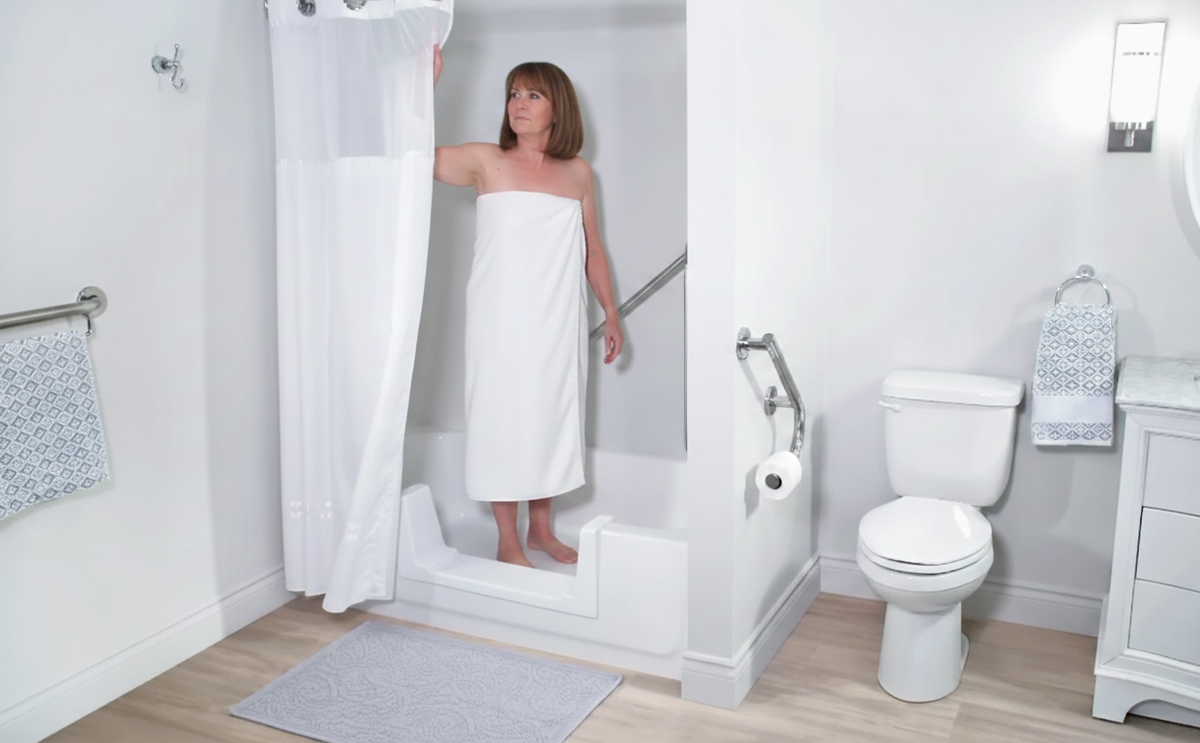
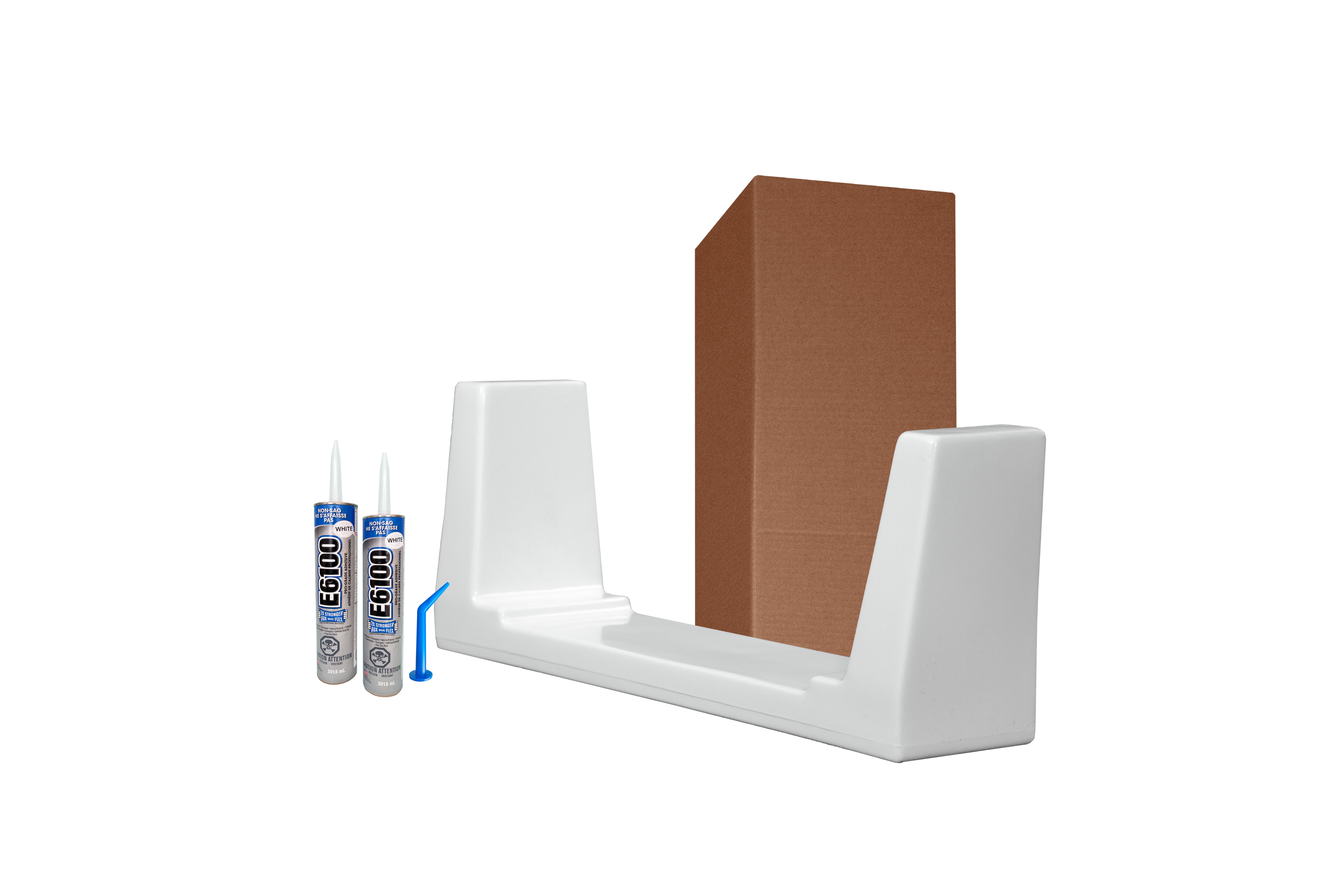
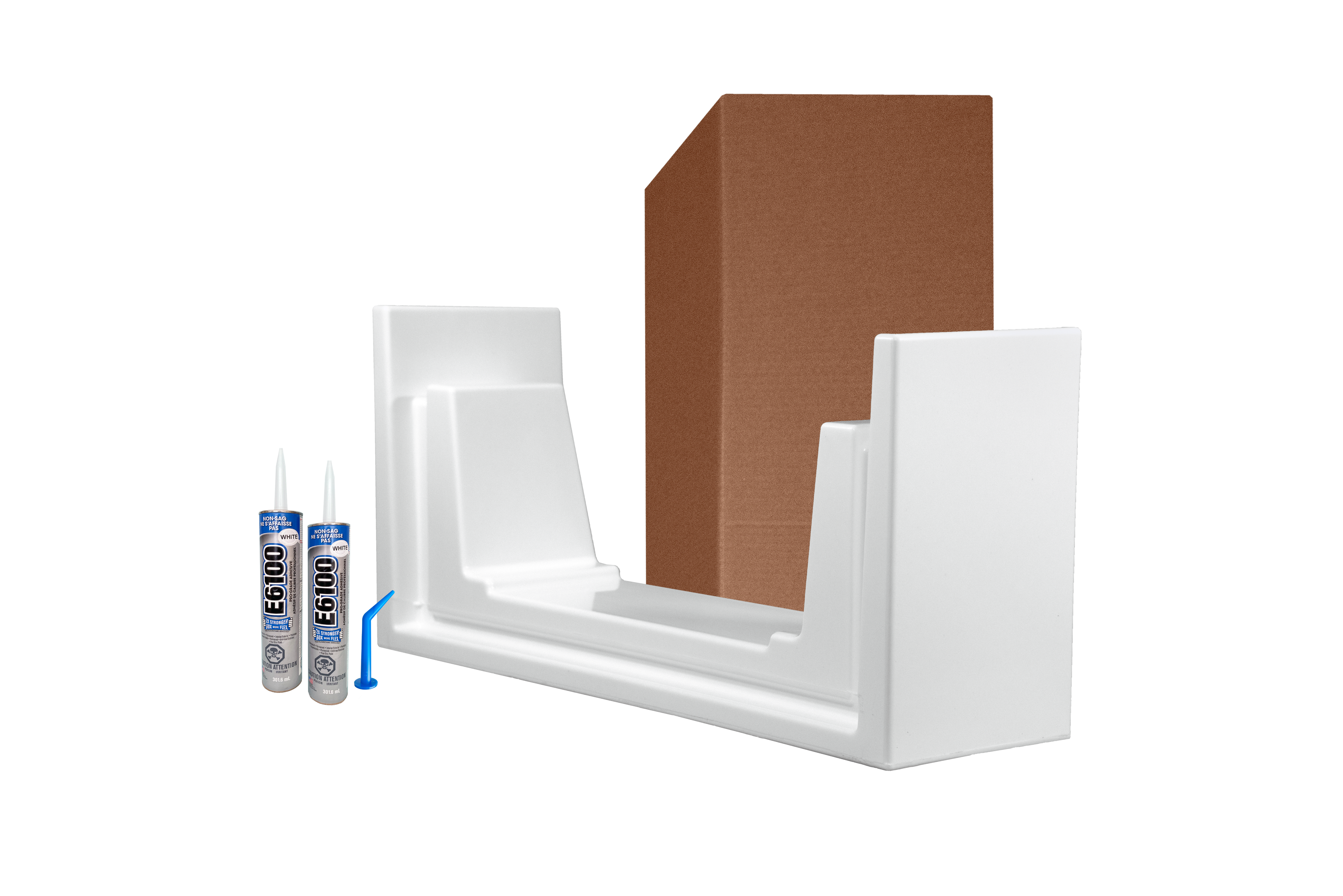
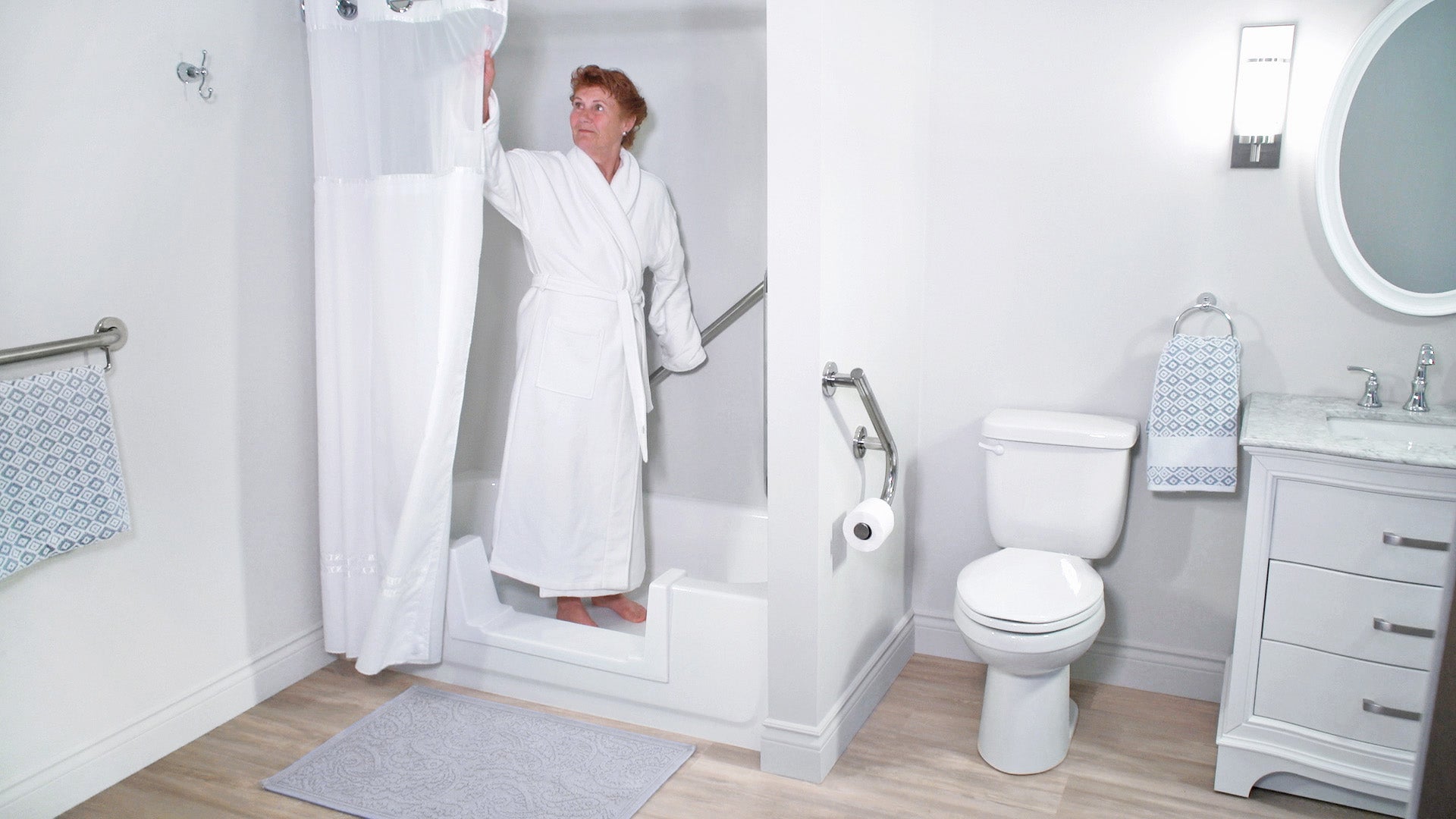
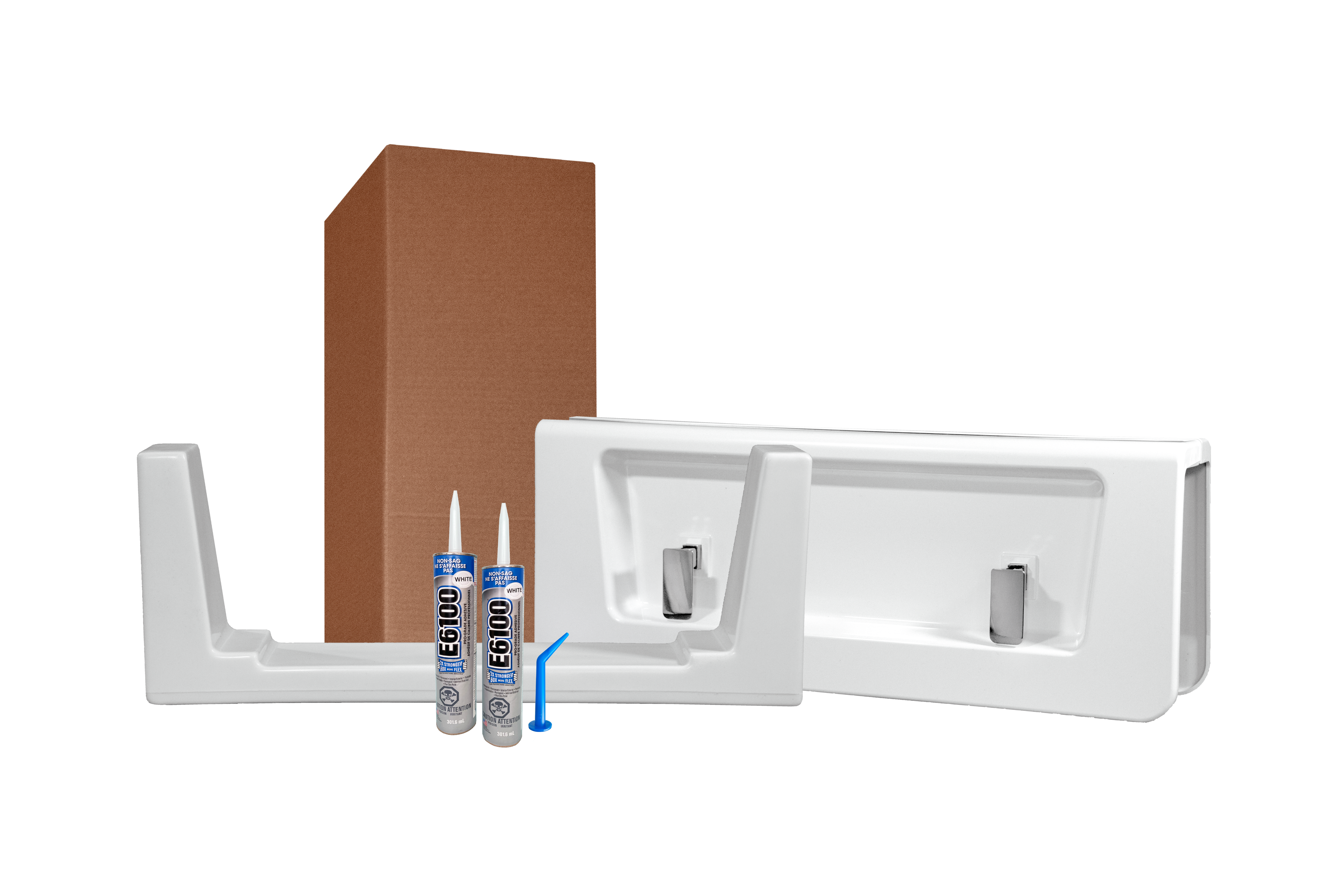
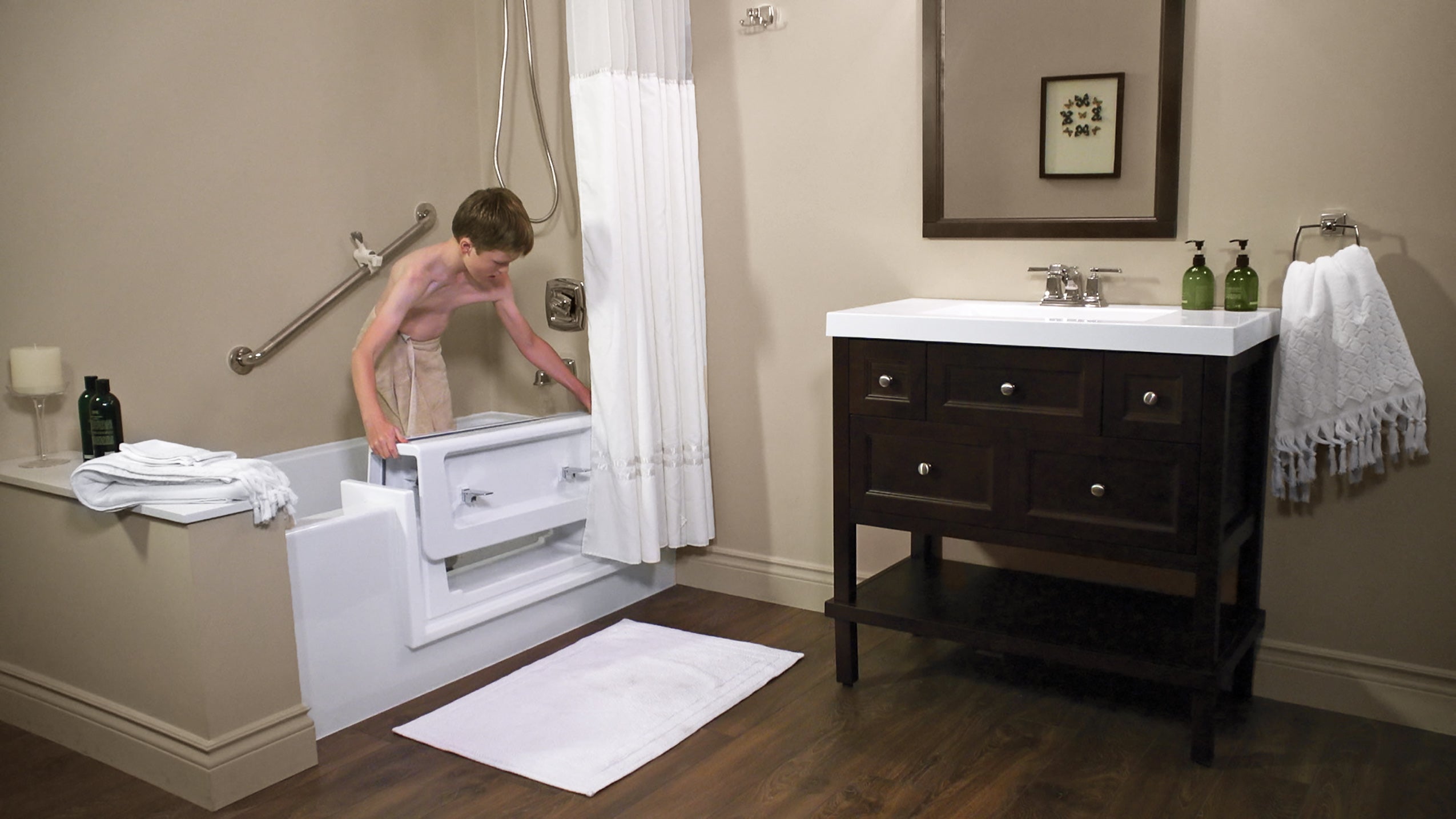
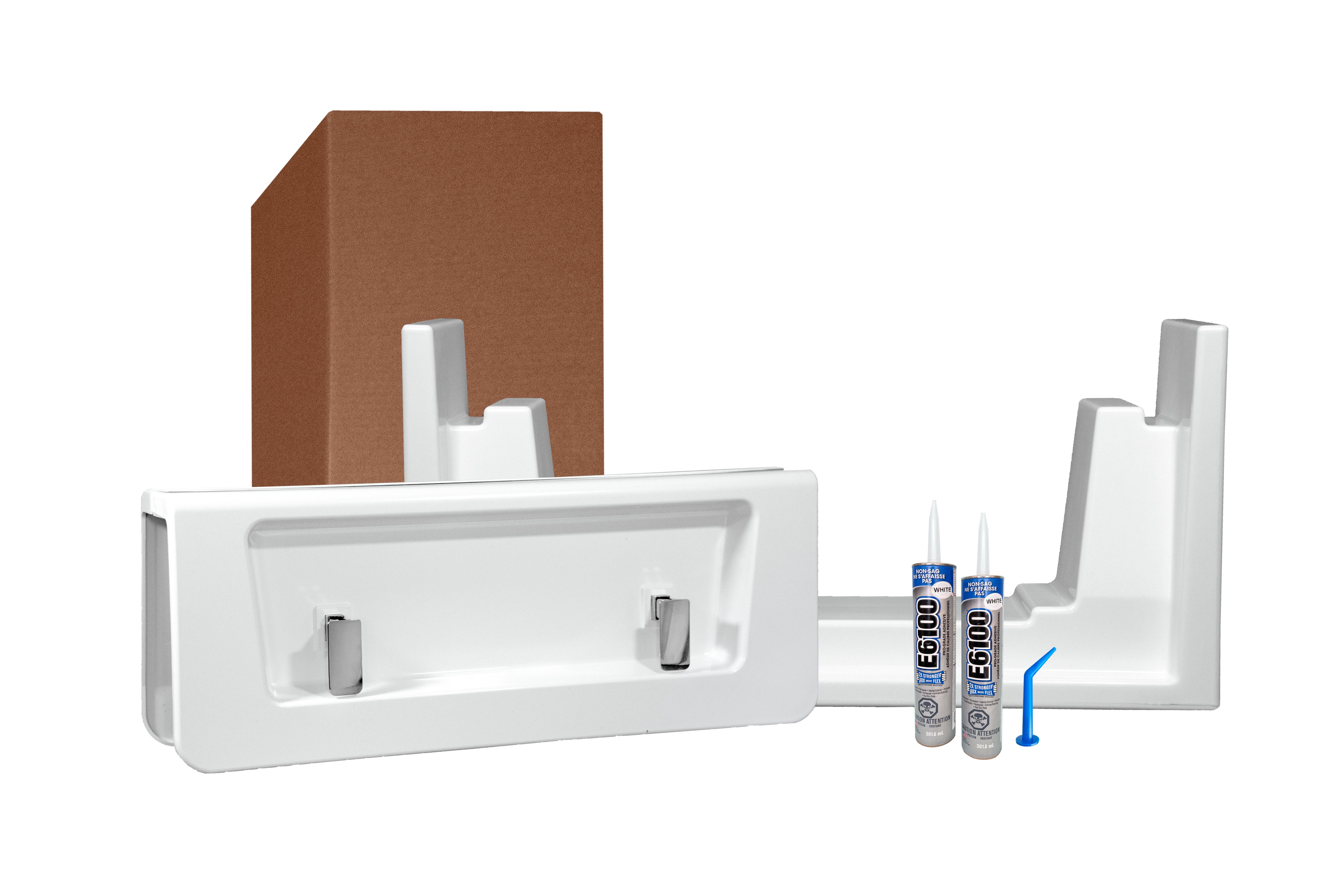
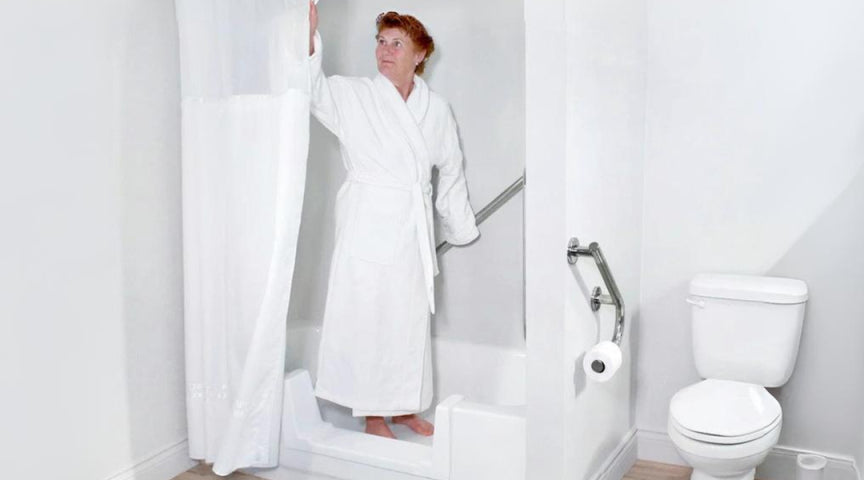
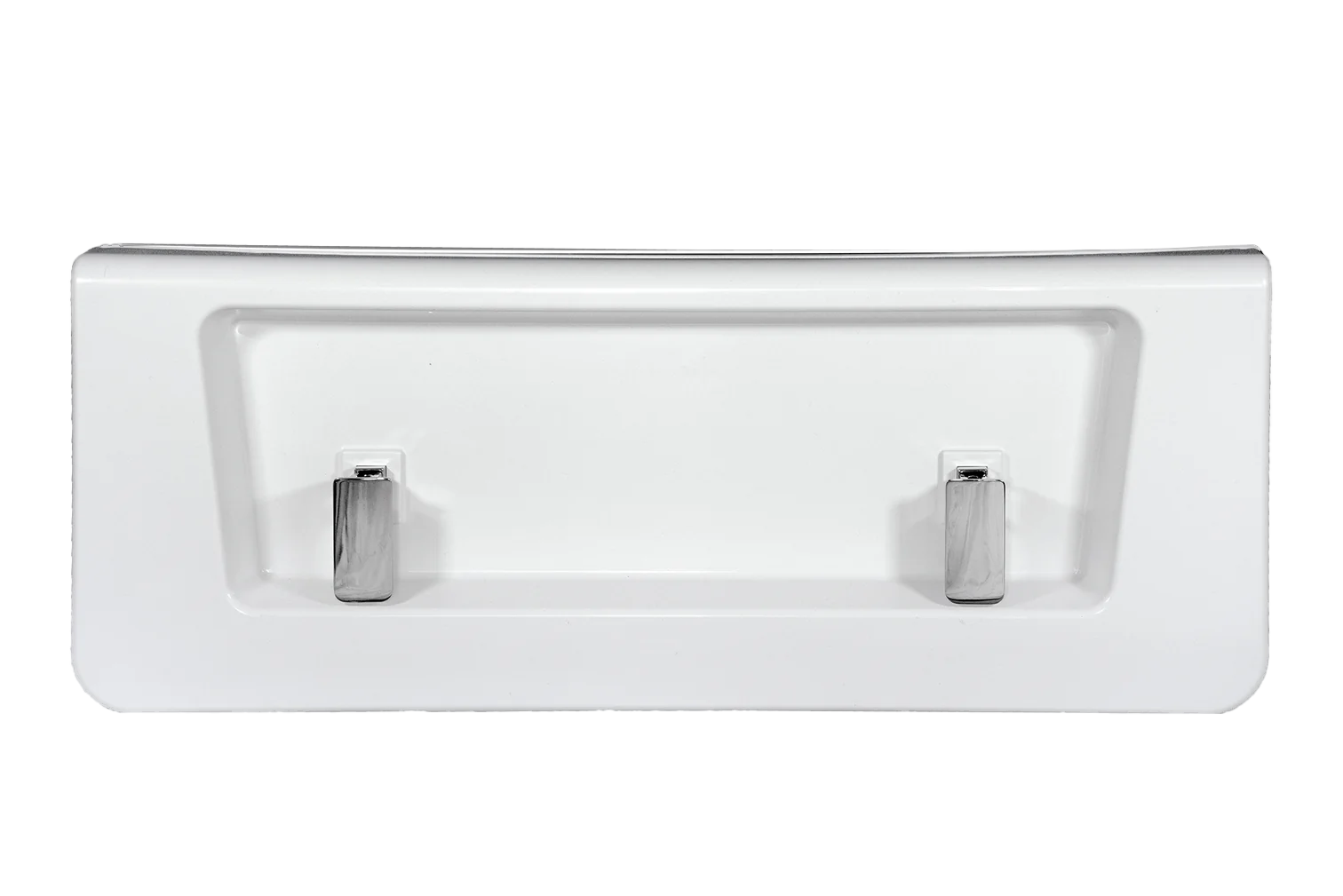
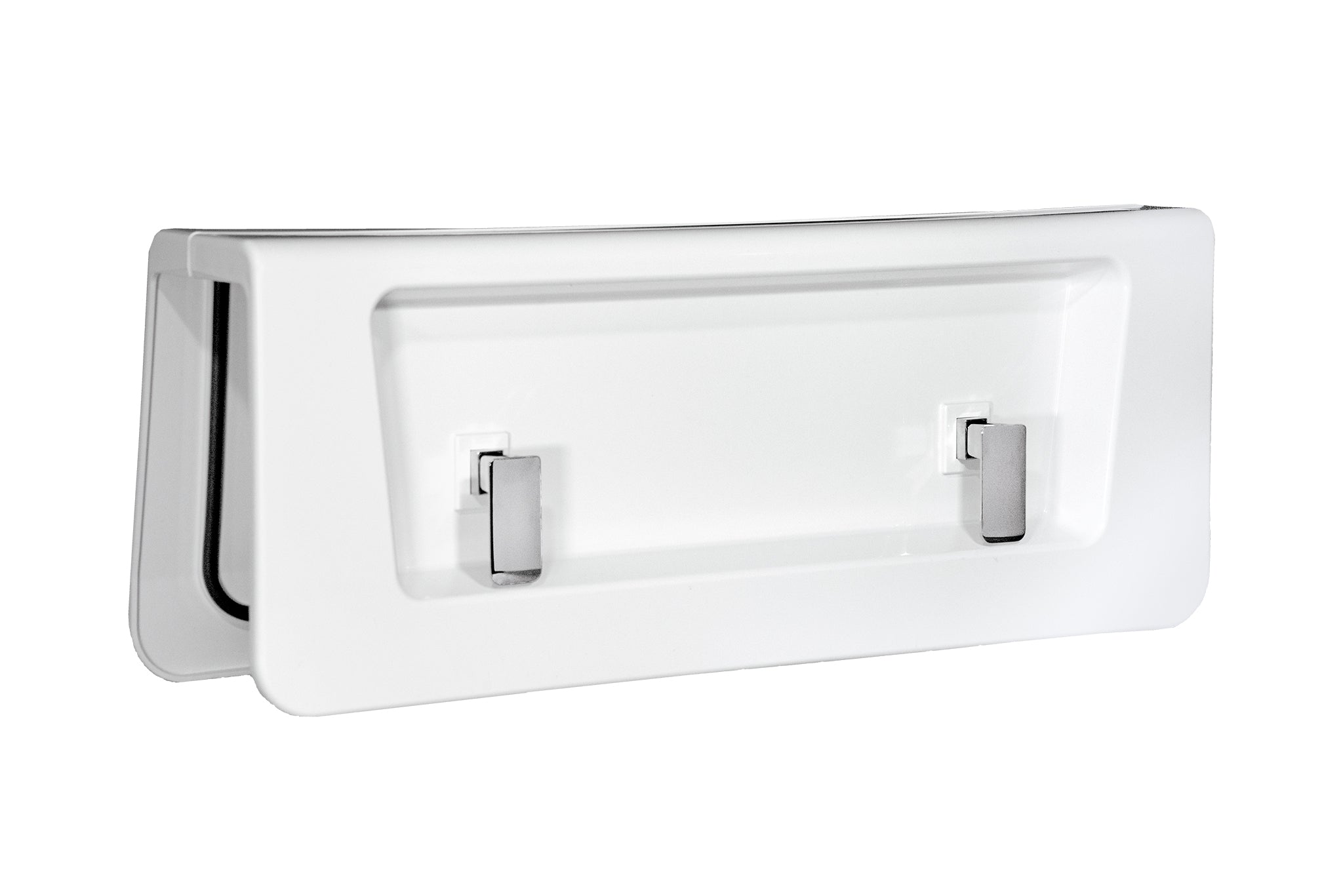
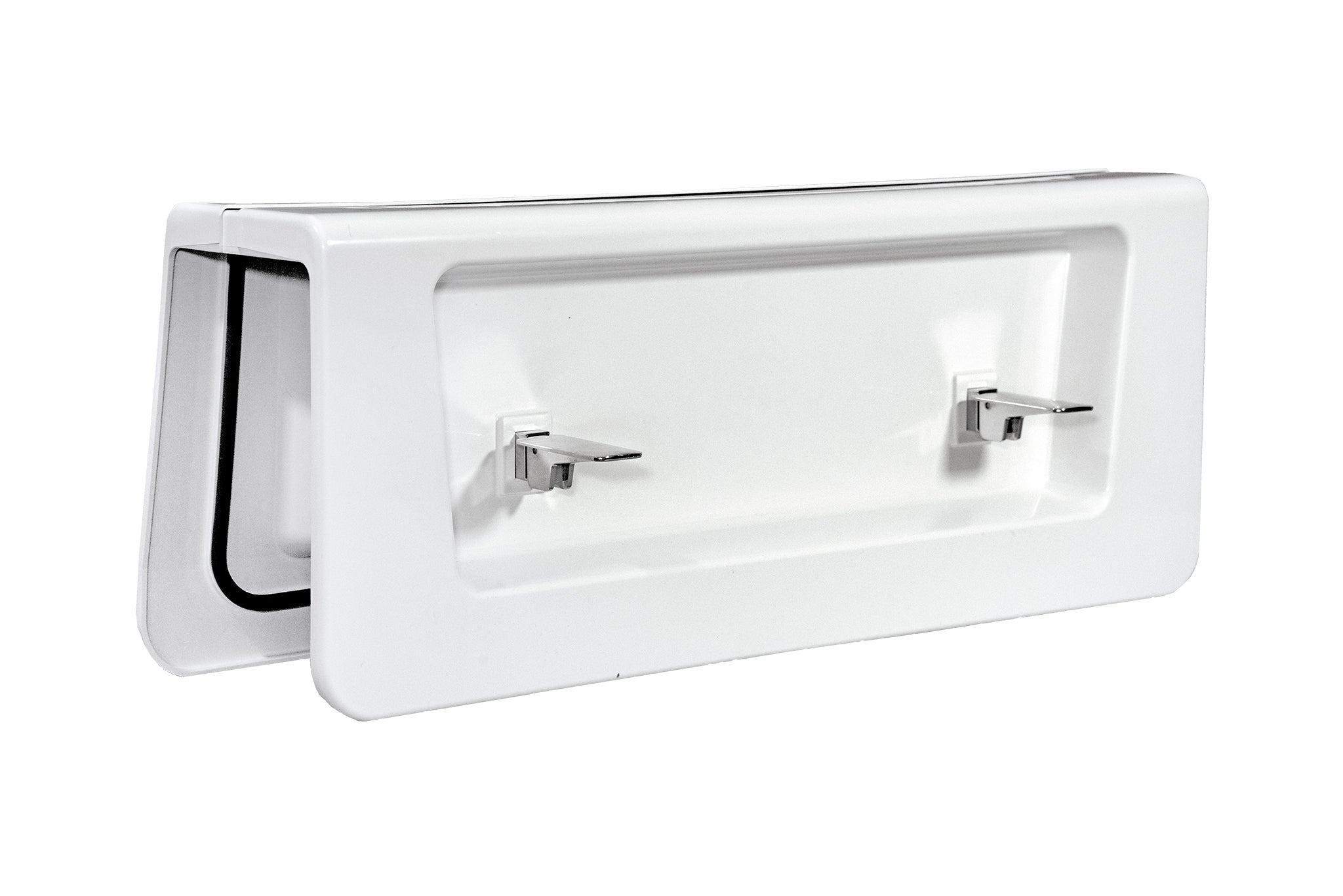
Strong partners also favor targeted, fast solutions over disruptive full remodels. A tub-to-shower conversion like Quick Tub's Walk-Thru Insert or Full Convertible Kit installs in a few hours using the existing tub, instead of weeks of construction, which is exactly the kind of customized home assistance that lets an agency stretch a limited budget across more households. Quick Tub® also offers bulk ordering for nonprofits and housing programs, which is worth asking about if you're managing more than a handful of units.
Stacking a grant with nonprofit support and a contractor who already knows the compliance rules is consistently the fastest path from approval to a finished, safe bathroom.
FAQs - Frequently Asked Questions
Can seniors really get a free bathroom remodel?
Full free remodels are rare, but partial coverage is common. USDA grants, Medicaid waivers and nonprofits like Habitat for Humanity ReStores or local Area Agencies on Aging frequently cover some or all of the cost for income-qualified seniors, especially for targeted upgrades like grab bars or a tub conversion rather than a full renovation.
What are examples of home modifications?
Grab bars, widened doorways, lowered countertops and light switches, ramps, stairlifts and step-free or walk-in showers are among the most common. Most grant programs prioritize changes tied to safety and accessibility over cosmetic updates.
What grants can I get on an adult disability payment?
Adult Disability Payment is a Scottish benefit, not a US program, so it doesn't connect to the grants above. If you're a US homeowner receiving SSI or SSDI, that income status can still help you qualify for the USDA, HUD, VA and Medicaid programs described here, since most are based on income level rather than the specific benefit you receive.

Share:
How Bathroom Accessibility Improves Quality of Life for Vulnerable Populations
The Benefits of Working With a Specialized Tub-to-Shower Conversion Provider