
Home repairs are expensive. There’s no way around it. Whether it’s fixing structural issues, improving accessibility or making critical safety upgrades, the costs can quickly become overwhelming. That’s why so many homeowners search for home improvement grants, hoping to find financial support that makes these upgrades possible.
The truth is, government housing grants and other funding programs do exist, but they are often misunderstood, highly specific and sometimes difficult to navigate. This guide breaks down exactly what’s real, what’s not, how to avoid scams and, most importantly, how to actually secure a grant for housing support that can help you improve your home safely and affordably.
Are Home Improvement Grants Real?
Yes, but not in the way most people think. Home repair grants and other forms of government housing grants are real, but they are typically reserved for specific groups. These programs are most commonly available to:
- Low-income households
- Seniors (often age 62+)
- Individuals with disabilities
- Veterans
That means not everyone qualifies for grants for home repairs, and funding is rarely unlimited. There’s also a major issue to be aware of: scams. Many websites promote “guaranteed” free government housing grants or ask for upfront fees to access funding databases. This is a red flag. Avoid scams by remembering:
- Legitimate grants for housing assistance never require upfront payment
- Government programs do not guarantee approval without eligibility checks
- Official applications are processed through verified agencies
Understanding this distinction is critical before you start applying for any grants concerning housing improvement opportunities.
What is an Example of a Reasonable Modification?
Under the Fair Housing Act (FHA), a reasonable modification is a structural change made to existing premises to afford a person with a disability full enjoyment of the premises. Examples include installing grab bars in bathrooms, lowering kitchen counters, widening doorways and installing visual fire alarms for hearing-impaired individuals.
Understanding this concept is essential when applying for grants for home improvements, because many funding programs are specifically designed to support these types of accessibility upgrades.
Top Government Grants for Home Repairs
There are several well-established programs that provide government grants for home repairs and other forms of federal grant money for home repairs. These programs are often the foundation of home repair grants in the U.S.
USDA Section 504 Home Repair Program
This is one of the most widely used government grants for house repair programs.
- Grants up to $10,000 for homeowners aged 62+
- Loans up to $40,000 for low-income households
- Funds can be used for safety and accessibility improvements
The Department of Housing and Urban Development (HUD) offers funding through:
- HOME Investment Partnerships Program
- Community Development Block Grants (CDBG)
These programs often support government grants on a local level, funding projects that improve safety, accessibility and living conditions. Most grants for modifying homes come with strict eligibility requirements and are distributed through local agencies rather than directly at the federal level.
Grants for Homeowners with Disabilities and Seniors
There is a strong focus on accessibility when it comes to home improvement grants for homeowners, particularly for seniors and individuals with disabilities. Programs often support bathroom safety upgrades, general accessibility modifications and mobility improvements.
Does Medicare Pay for Home Modifications?
In most cases, no. Medicare typically does not cover structural changes like renovations. However, Medicaid waivers often fund accessibility upgrades, and VA programs provide grants for eligible veterans. This is where combining grants for home improvement with other funding sources becomes critical.
A Smarter, Faster Way to Complete Accessibility Modifications
Many traditional renovations are expensive, time-consuming and disruptive. This is why modern solutions are becoming increasingly important for housing grants for low-income families. Instead of full remodels, many organizations now prioritize targeted modifications.
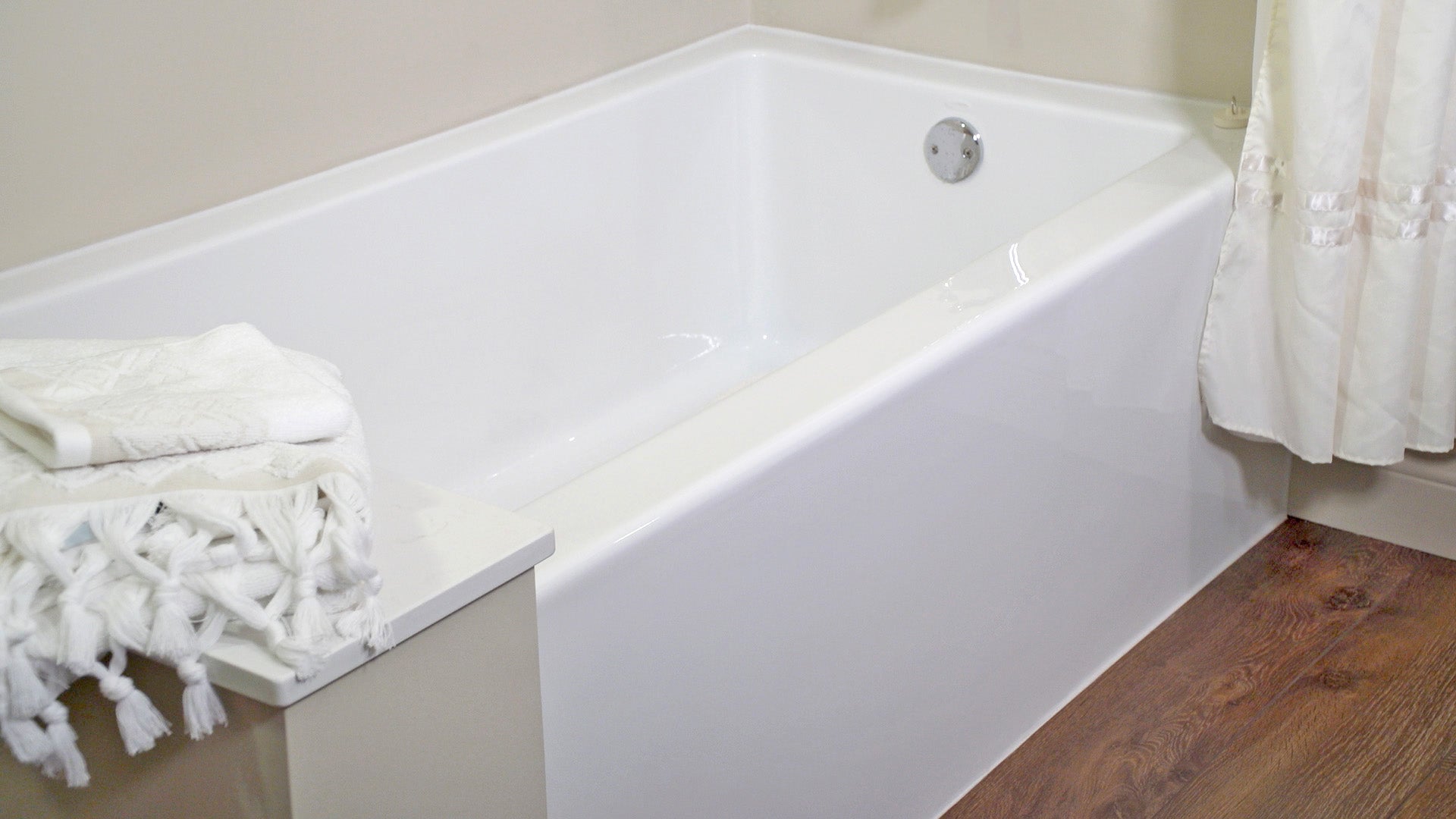
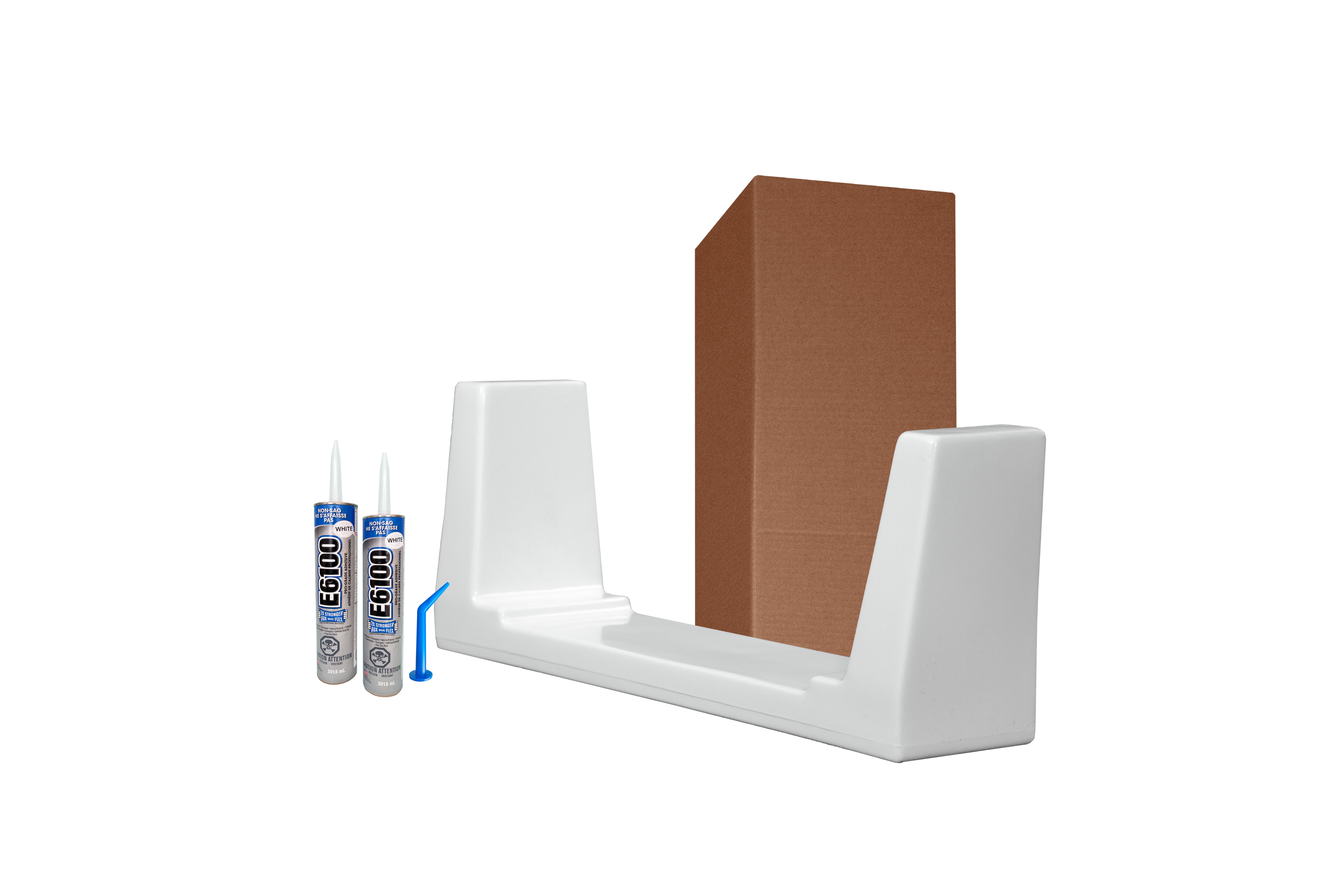
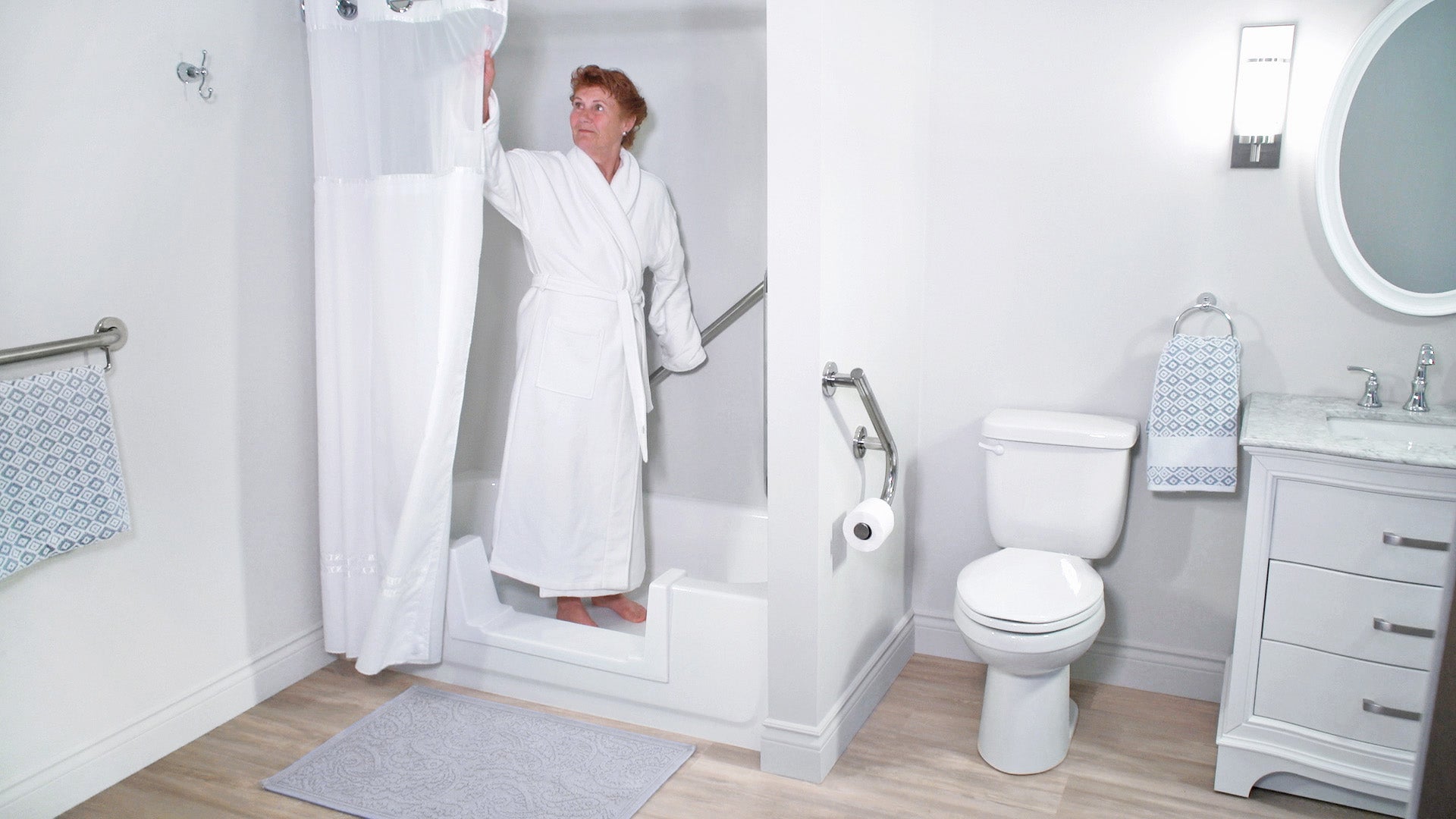
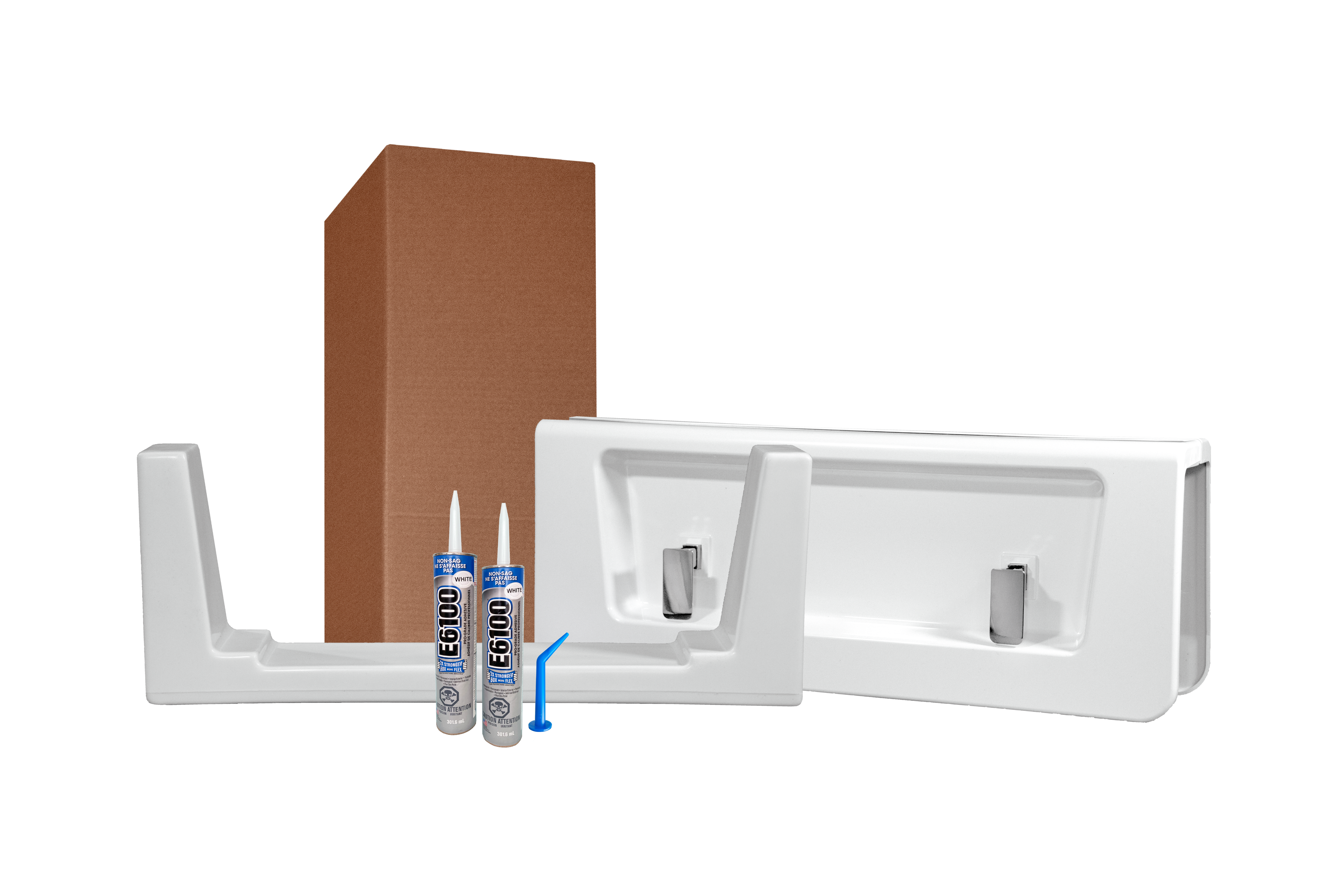
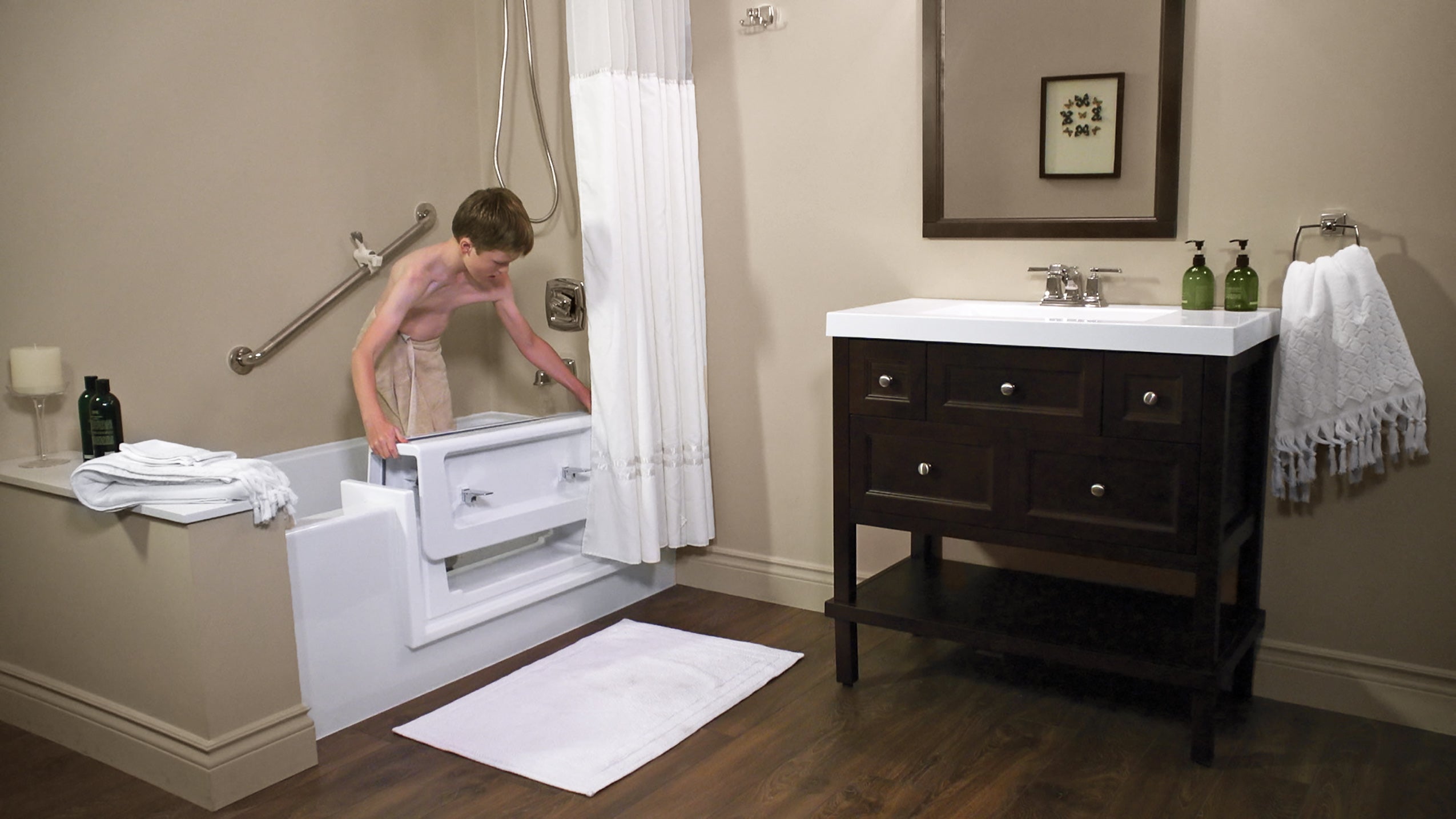
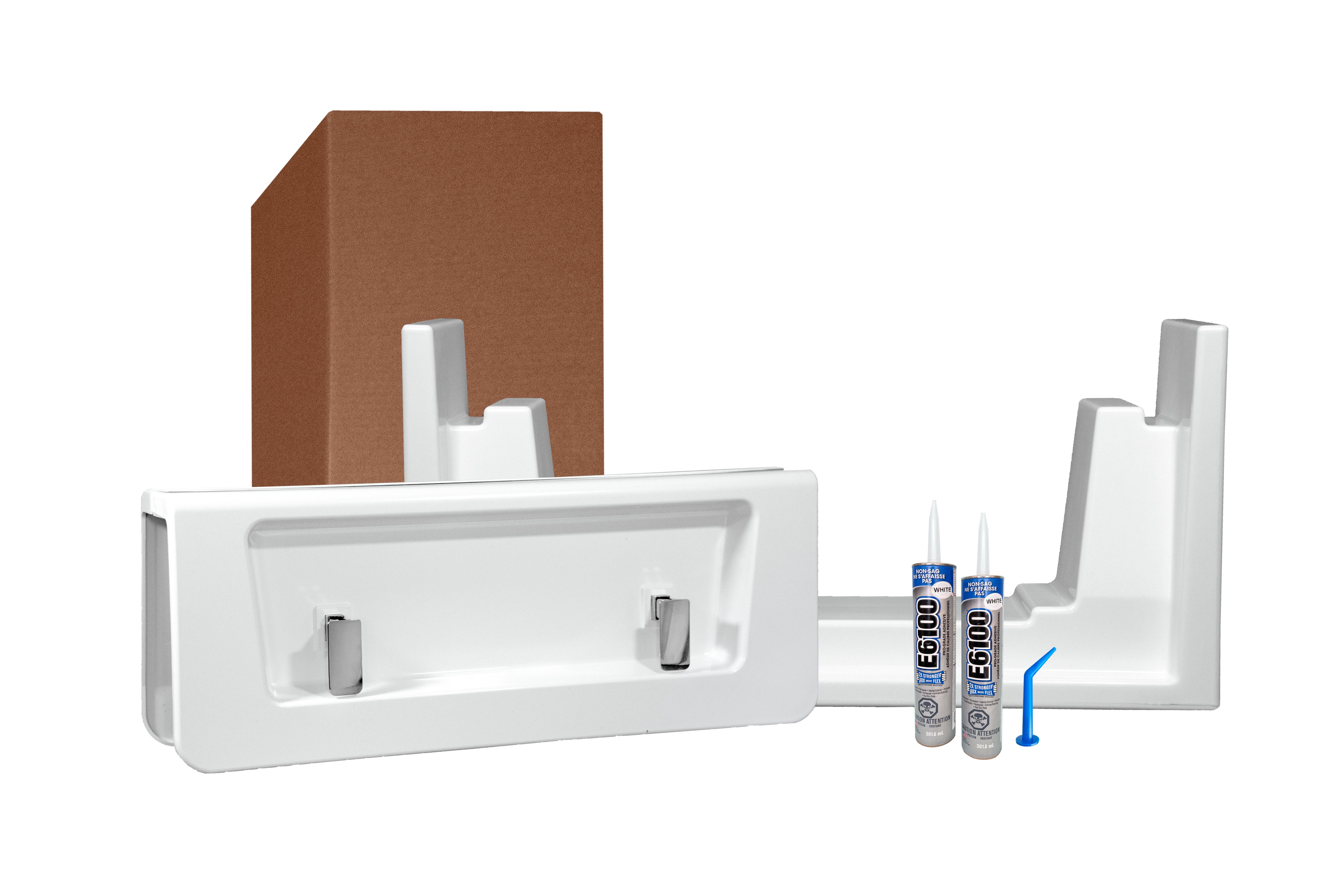
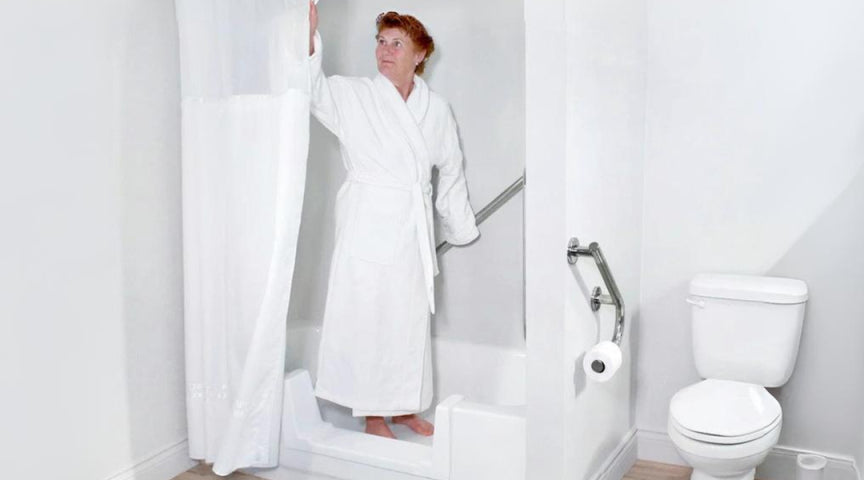
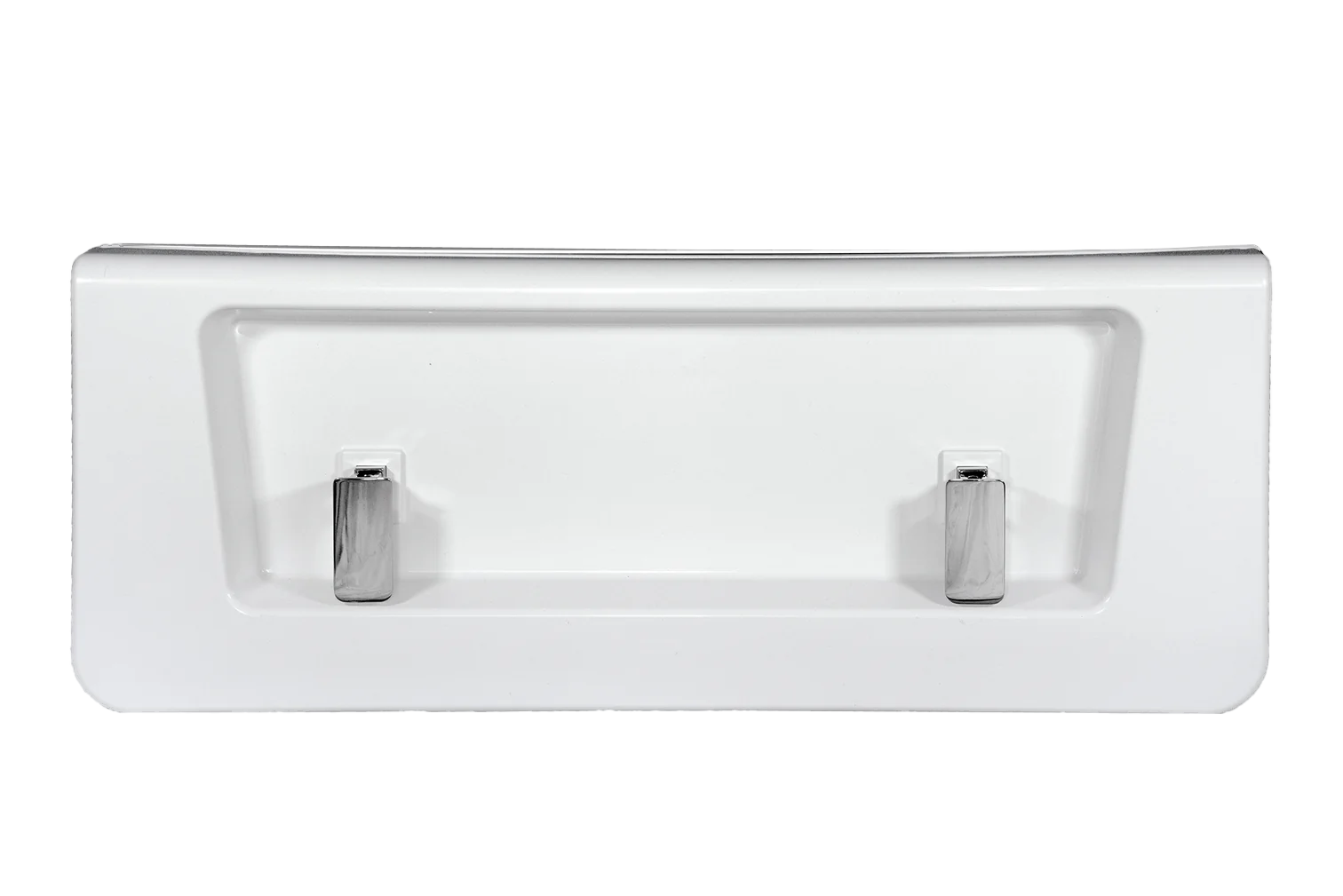
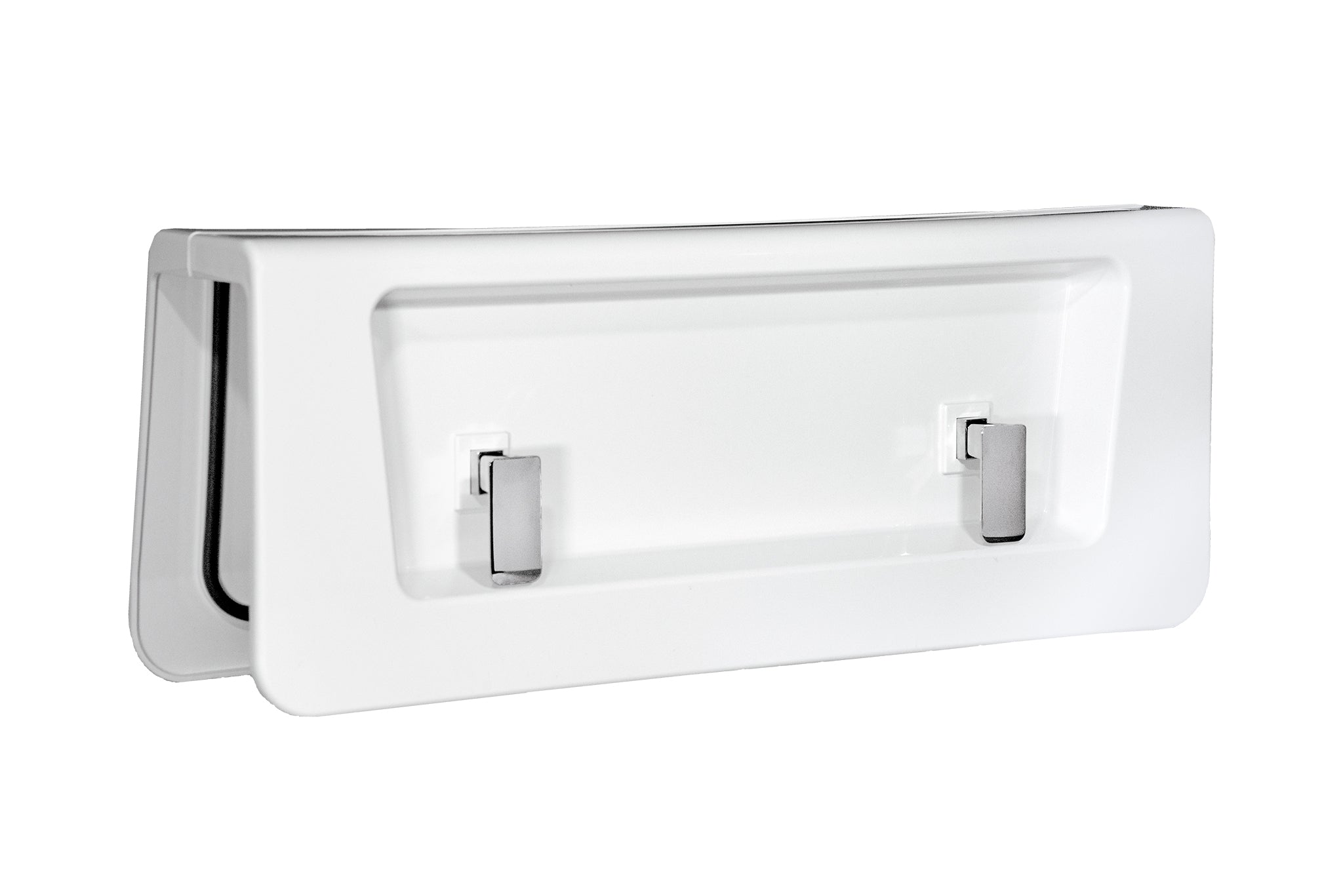
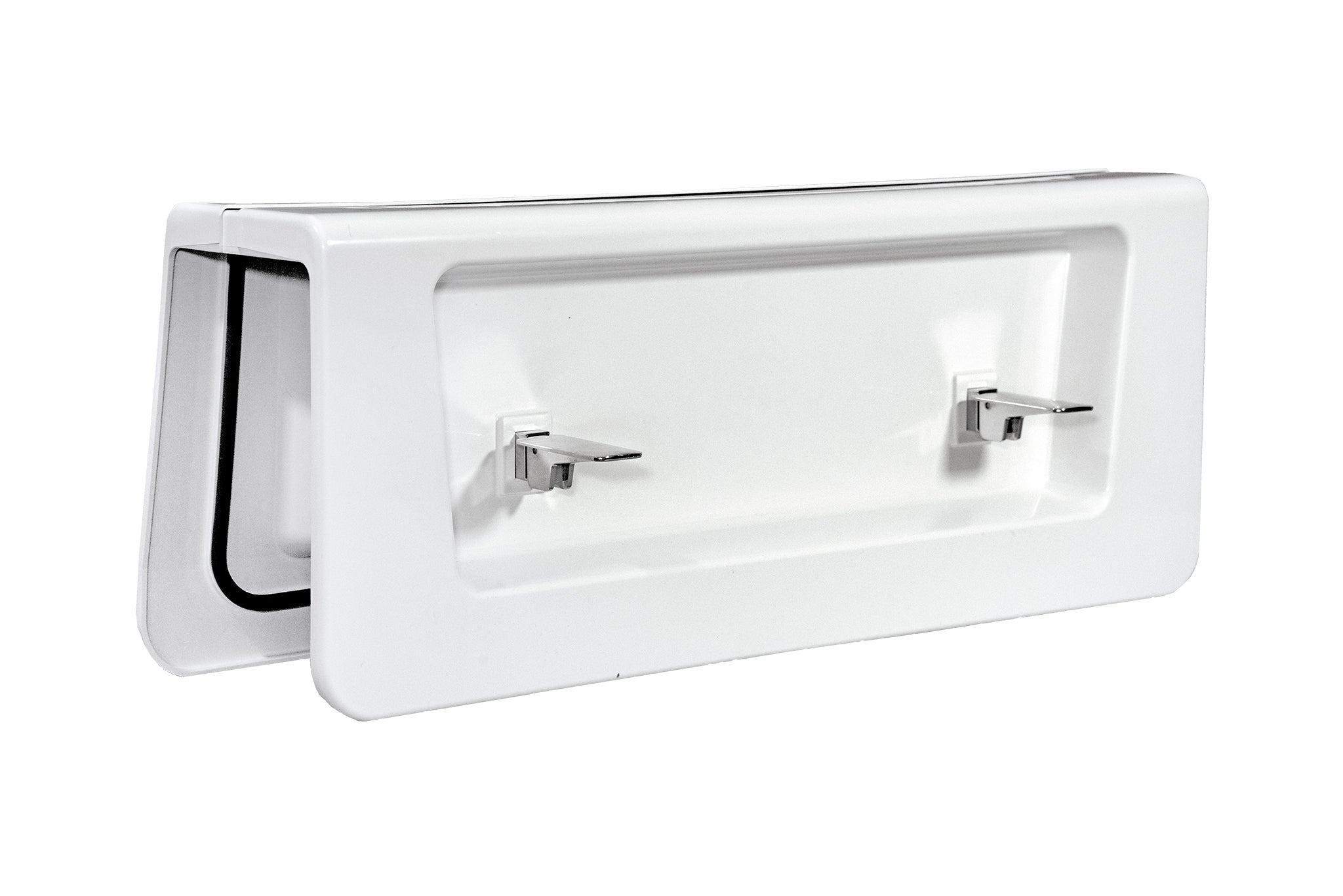
For example, systems like the Quick Tub® Walk-Thru Insert provide a more efficient approach. Rather than removing the entire bathtub and reworking the plumbing, this solution transforms an existing tub into a walk-in tub or shower by creating a precise opening in the tub wall and sealing it with a watertight insert. This type of upgrade can:
- Be completed in just a few hours
- Avoid tile removal or plumbing relocation
- Significantly reduce total project costs
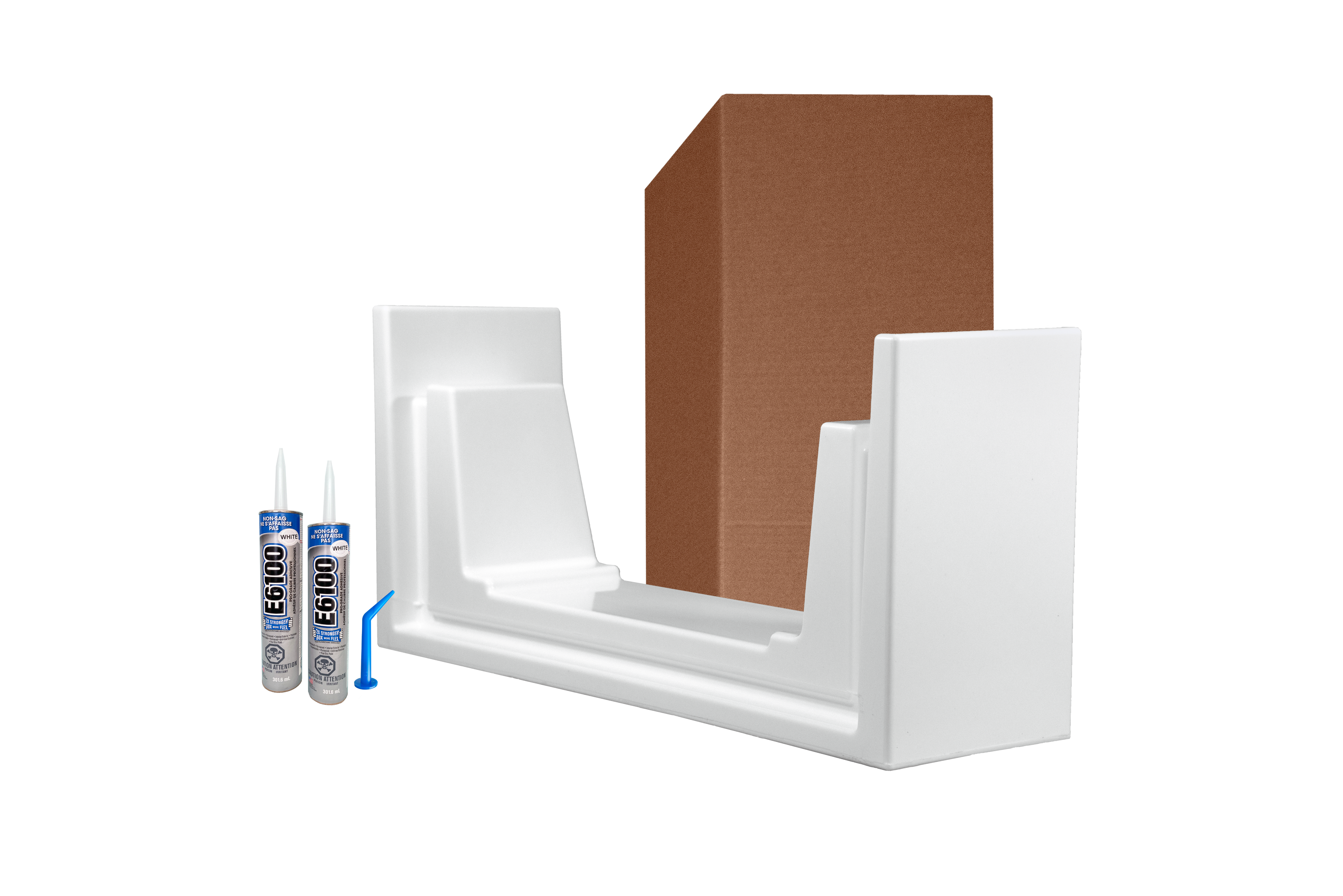
Homeowners can also choose a convertible system, such as the Quick Tub® Full Convertible Kit, which allows them to switch between a traditional bathtub and a walk-in shower. This flexibility makes it easier to meet both current and future needs. This is something many grants for housing improvements prioritize when approving projects.
Because these solutions are faster and more cost-effective, they allow funding programs to stretch budgets further and help more households using the same pool of grant money for remodeling homes.
State and Local Home Renovation Grants
While federal programs get the most attention, the best opportunities are often local. State Housing Finance Agencies and nonprofit organizations frequently offer home renovation grants or emergency repair funding. Examples include:
- Habitat for Humanity
- Rebuilding Together
- Local housing authorities
Some programs also focus on specific needs, such as government roofing grants for weather-related repairs. These localized grants for home improvement options are often easier to access and faster to approve than federal programs.
What is the Best Way to Get Money for Home Improvements?
The most effective strategy is not relying on a single source. Instead, successful homeowners combine multiple funding streams. This is known as “stacking” and may include a house renovation grant, a low-interest loan (such as FHA 203(k)) or nonprofit labor or material assistance.
This approach allows you to cover the full cost of a project, even if individual remodeling grants are limited. Alternative funding options include:
- Home Equity Line of Credit (HELOC)
- Personal loans
- State-funded assistance programs
The goal is to combine grants for home remodeling with other resources to make projects financially achievable.
How to Apply for a Home Improvement Renovation Grant
Applying for a home improvement renovation grant requires preparation and patience. These programs are structured and often competitive.
Step-by-step process:
- Assess your needs: Identify which repairs or modifications are necessary, especially those related to safety or accessibility.
- Gather documentation: Prepare income verification, property details and contractor estimates.
- Find the right programs: Search for local and federal grants for home improvement that match your situation.
- Submit your application: Follow official channels such as USDA or HUD offices.
- Wait for approval: Timelines can range from several weeks to a few months.
Turning Grants into Real Home Improvements
Navigating home improvement grants can feel overwhelming, but the opportunities are real. The key is understanding who qualifies, which programs apply to your situation and how to combine funding sources effectively.
With the right approach, government housing grants and other funding options can help transform your home into a safer, more accessible space, without taking on overwhelming financial burden.
And when paired with efficient, cost-effective solutions, like modern tub-to-shower conversion systems, these grants can go even further, helping more people stay safe, independent and comfortable in their homes.

Share:
Bathroom Safety as Preventative Healthcare: A Win for Public Health Organizations
Bathroom Accessibility Solutions for Public and Assisted Housing