


TLDR; A strong discharge plan must include a home safety check before discharge from hospital, especially for older adults at high fall risk. Discharge planners should ask targeted questions about bathroom access, mobility aids, caregiver support and home layout to reduce readmissions.
Every year, millions of elderly people are treated in emergency departments for fall-related injuries, with the bathroom consistently ranking as the highest-risk room in the home. For discharge planners, the window between the planning process and the actual home discharge is a critical opportunity to prevent the next fall before it happens.
Besides medication reconciliation and follow-up appointments, a well-structured discharge process by a hospital or respective personnel includes a practical, home-focused safety assessment that identifies environmental hazards, mobility barriers and caregiver capacity. The Agency for Healthcare Research and Quality (AHRQ) includes home environment assessment as a key component of its IDEAL Discharge Planning checklist, recognizing that unsafe home conditions contribute to readmissions.
This guide offers a concise, actionable checklist for discharge care teams to use when preparing patients for discharge home, building on established frameworks like the AHRQ IDEAL checklist to ensure comprehensive safety planning.
Why Home Safety Matters in Discharge Planning
Falls are the leading cause of injury among adults aged 65 and older. The CDC reports that more than 14 million older adults (1 in 4) fall each year, and many of these incidents occur in the bathroom.
When a patient is discharged after a fall, fracture, stroke, joint replacement surgery or cardiac event, returning to an unsafe home environment significantly increases the risk of readmission. Research shows that patients and families are less likely to remember discharge instructions when overwhelmed by environmental concerns, making pre-discharge home safety checks essential. Ideal discharge planning therefore includes not only clinical stability but also environmental readiness.
Home modifications, such as grab bars, improved lighting and lower-threshold showers, can reduce fall risk and support independence. For discharge planners, the question is how to address home safety efficiently within tight timelines and limited resources.
The Discharge Planning Checklist: Home Safety Questions
Use the following questions as part of your standard discharge planning checklist. They are designed to be asked during the phase of the discharge in the hospital, ideally with input from the patient, family caregiver, occupational therapist or social worker. These questions align with AHRQ's IDEAL Discharge Planning approach, which emphasizes engaging patients and families in safety planning before discharge.
-
Bathroom access and bathing safety
-
Can the patient safely step over the current tub wall or shower threshold?
-
Is there a grab bar installed near the toilet and in the shower or tub area?
-
Does the patient have a shower chair, tub transfer bench or handheld showerhead if needed?
-
Are bathroom floors free of loose rugs, clutter and standing water?
-
Is there adequate lighting, including a nightlight for nighttime trips?
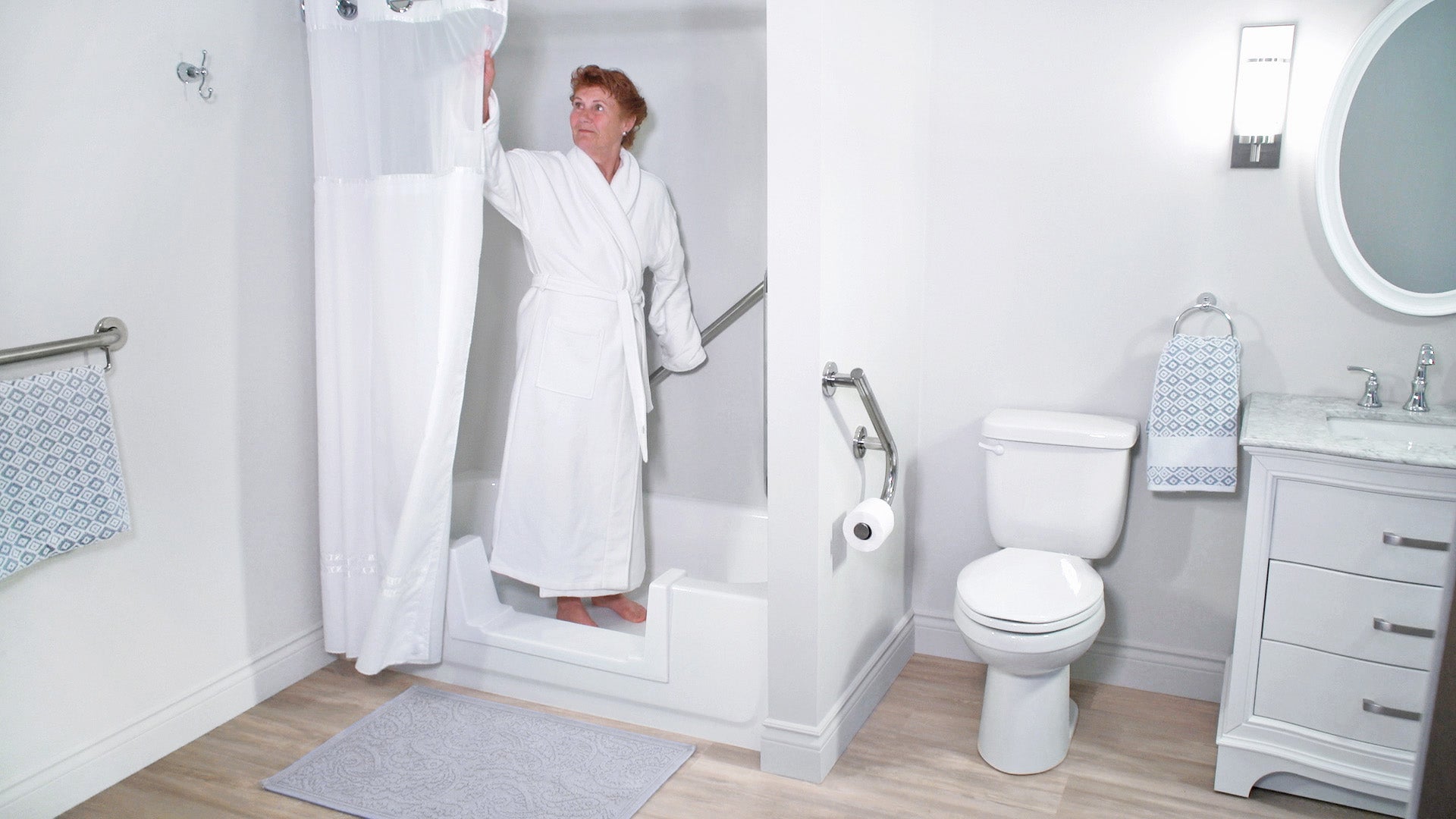
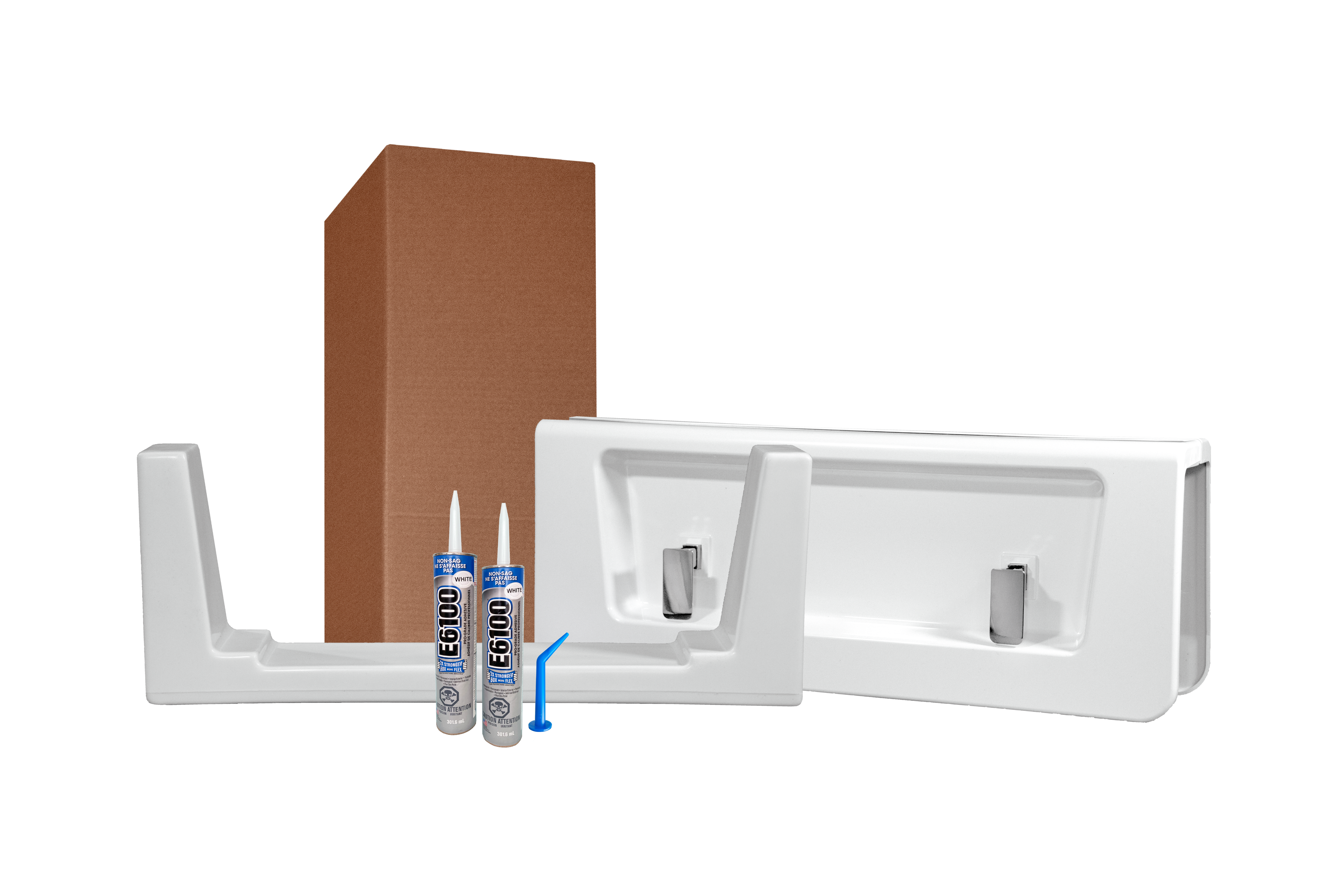
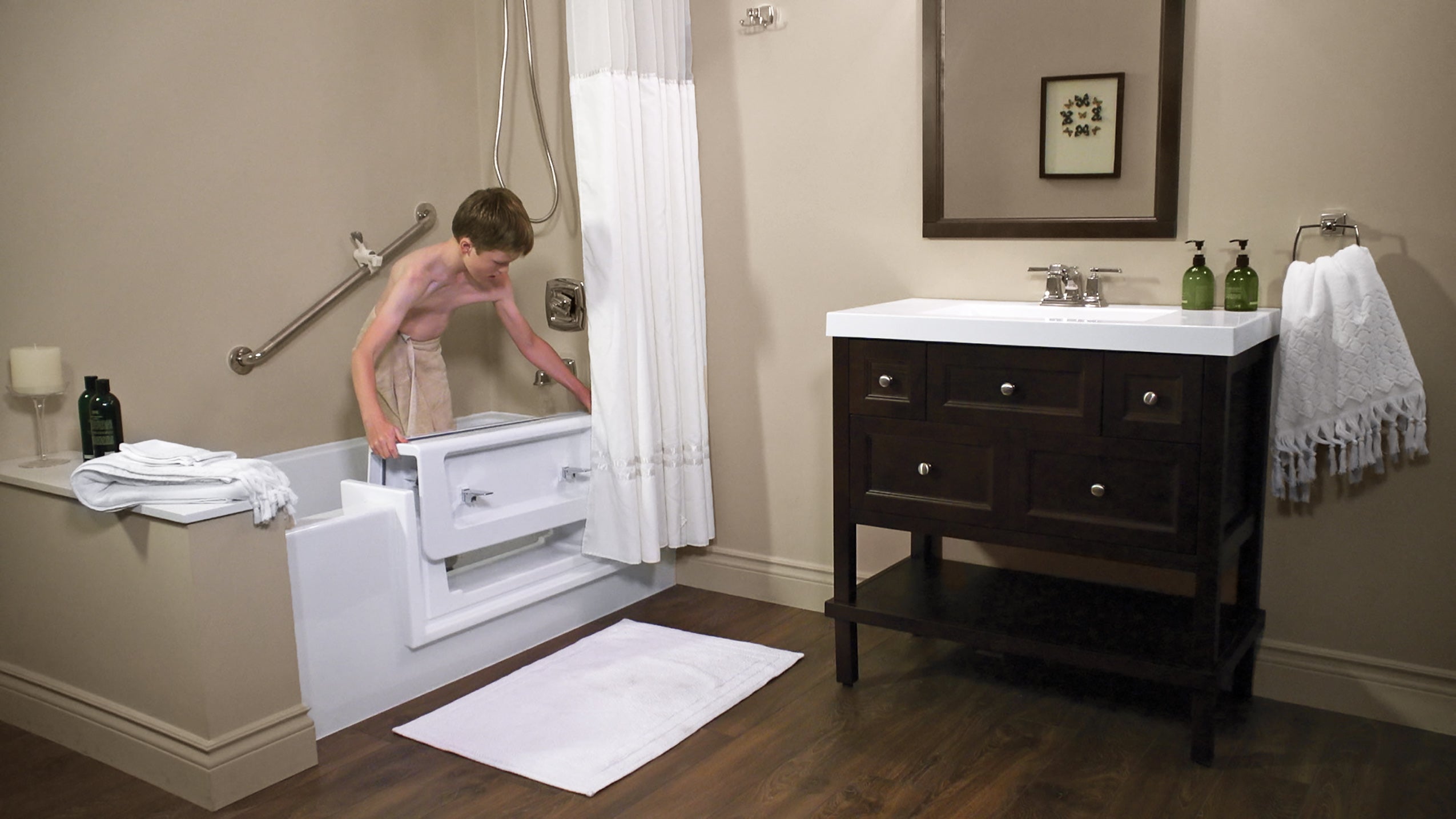
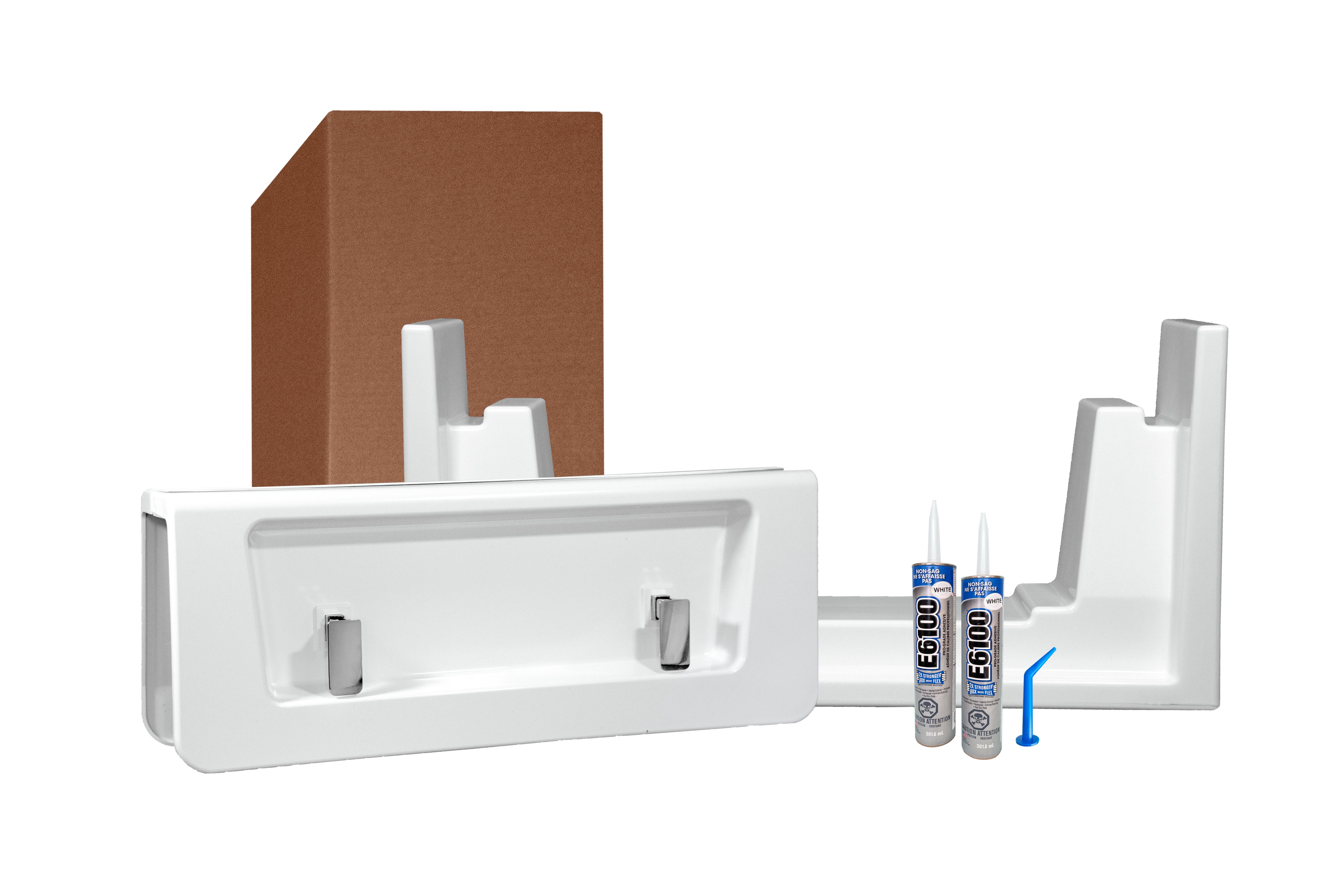
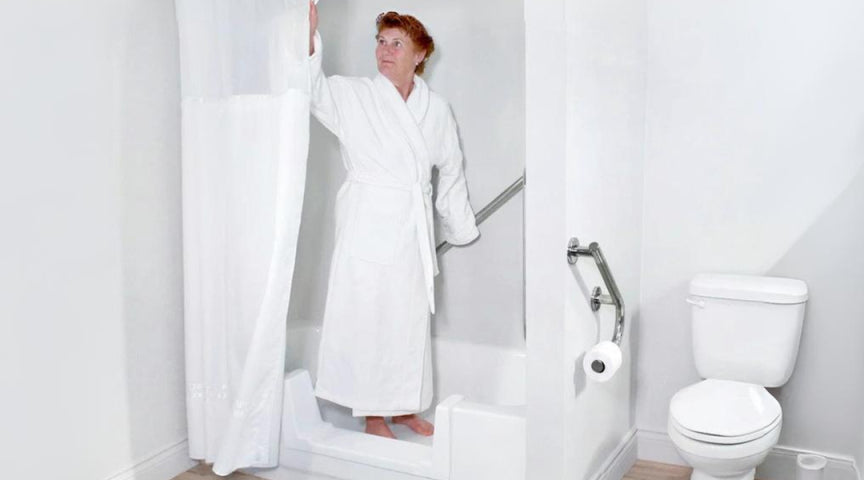
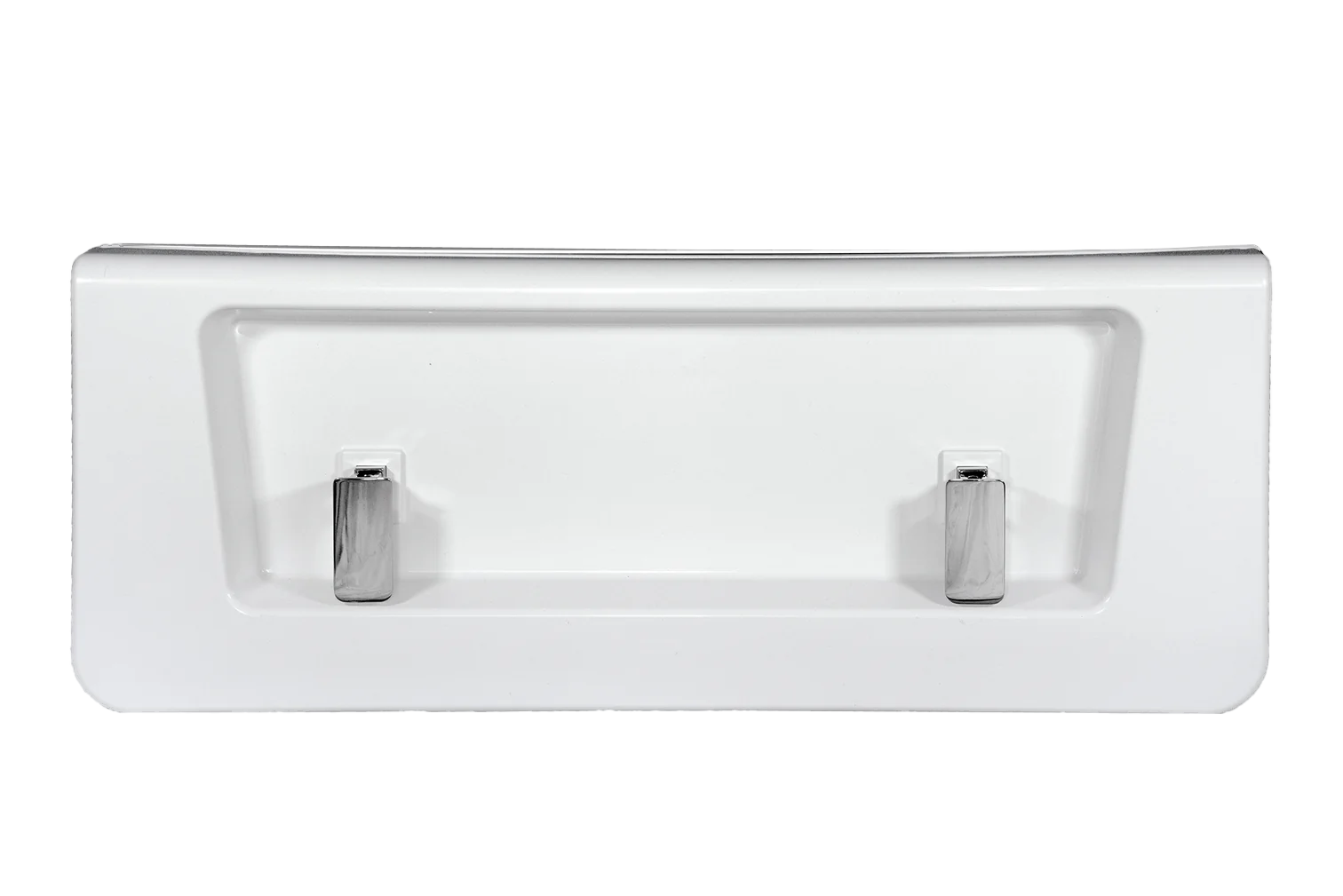
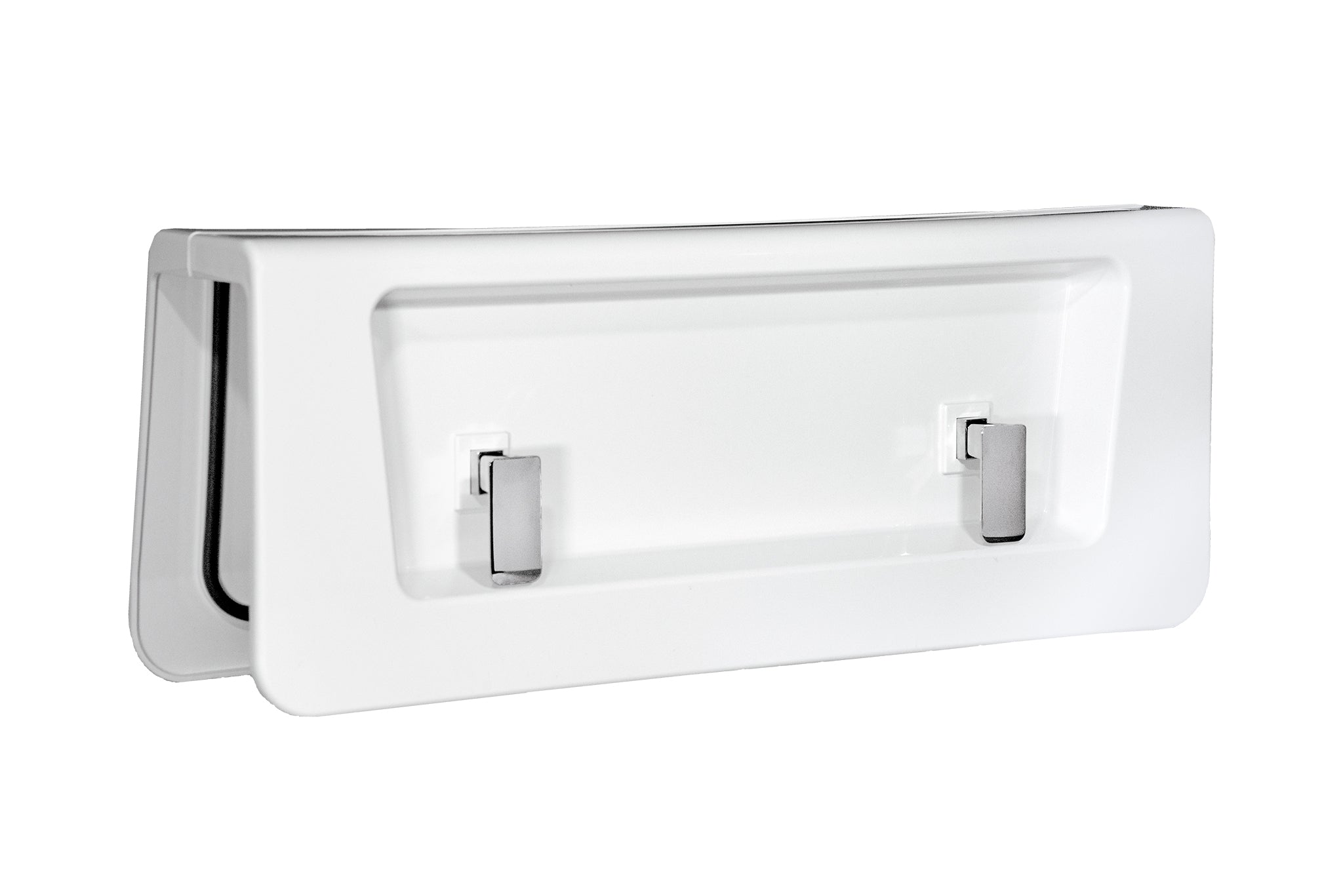
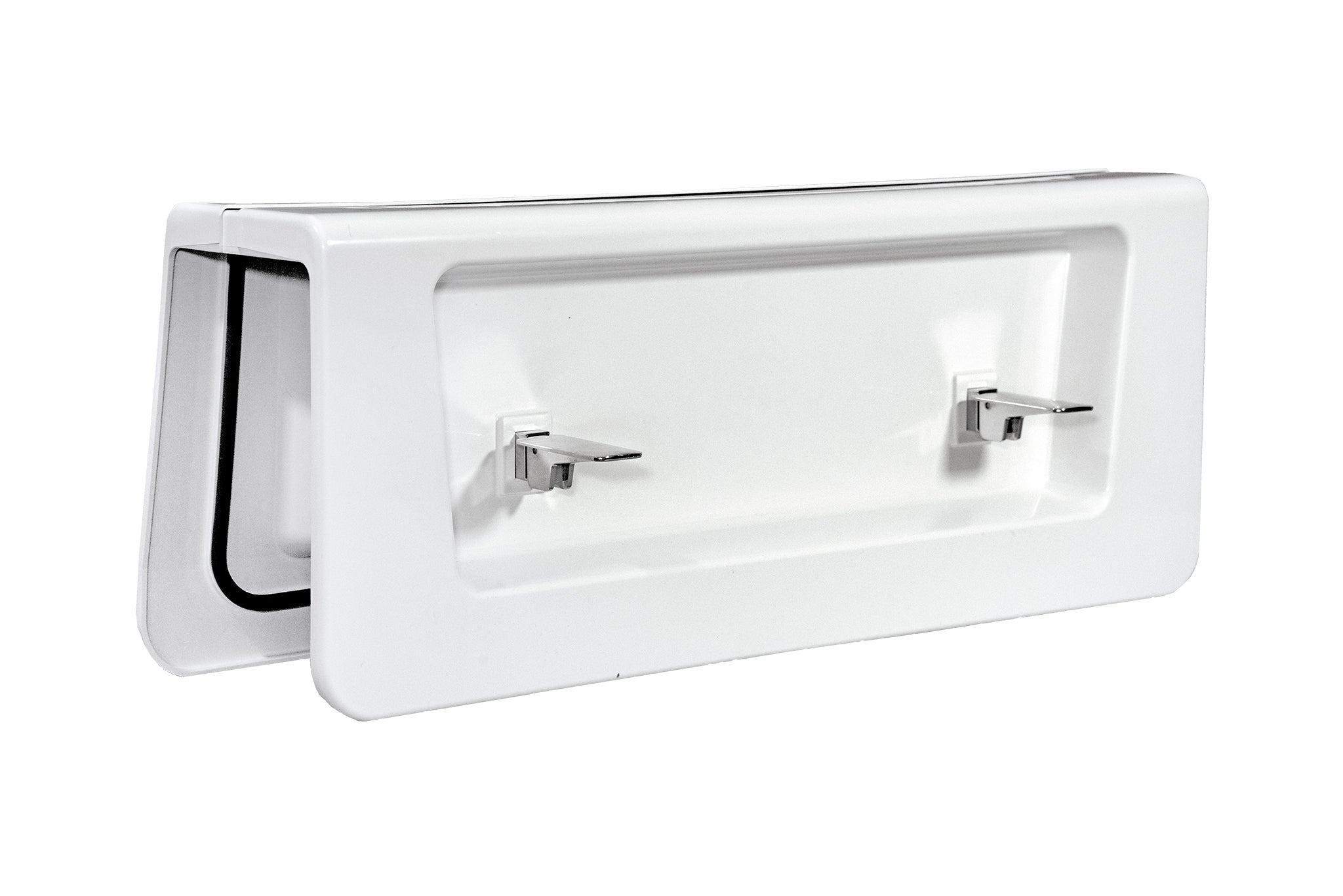
If the answer to any of these is “no” or “unsure,” the bathroom should be flagged for immediate modification. The Quick Tub® Walk-Thru Insert lowers the tub wall by 9-12 inches, creating a safer step-in shower in just a few hours.
-
Mobility and navigation
-
Can the patient navigate all essential areas (bedroom, bathroom, kitchen) with their current mobility aids (walker, cane, wheelchair)?
-
Are there stairs at the entrance or between floors that could block access?
-
Are hallways and doorways wide enough for the patient’s mobility device?
-
Are there tripping hazards such as cords, thresholds or uneven flooring?
For patients with significant mobility limitations, a home discharge may require temporary ramps, stairlifts or first-floor living arrangements.
-
Caregiver support and supervision
-
Will a family member or professional caregiver be present during the first 72 hours after discharge at home?
-
Does the caregiver understand how to assist with transfers, bathing and toileting?
-
Is there a backup plan if the primary caregiver is unavailable?
Lack of caregiver support is a major predictor of readmission. If support is limited, prioritize modifications that maximize independence, such as raised toilet seats or grab bars.
-
Medical equipment and supplies
-
Does the patient have all necessary equipment (hospital bed, commode, oxygen, walker) delivered and set up before discharge from hospital?
-
Are medications organized and accessible, with clear instructions for the patient and caregiver?
-
Is there a plan for obtaining additional supplies (wound care, incontinence products) after home discharge?
Delays in equipment delivery are a common cause of post-discharge complications. It is crucial to confirm delivery dates before finalizing hospital discharge.
-
Emergency preparedness
-
Does the patient have a working phone or medical alert device within reach at all times?
-
Are emergency numbers posted visibly near the phone or bed?
-
Does the patient or caregiver know when to call 911 vs. the primary care provider?
For high-risk patients, consider a follow-up call within 48 hours of discharge to confirm safety and address emerging issues.
How Quick Tub® Supports Discharge Planners
Quick Tub® offers a Partner Program designed for organizations that coordinate home modifications at scale, including hospitals, health systems, Area Agencies on Aging and nonprofit fall-prevention initiatives.
Through this program, discharge planners can connect patients with vetted local installers who specialize in aging-in-place modifications. Additionally, they get access to bulk pricing for DIY kits, which can be distributed through hospital-based loaner programs. And they can streamline referrals for tub-to-shower conversions that can be completed in hours.
Because Quick Tub® uses the existing bathtub, it avoids the delays and costs of a full bathroom remodel. This makes it an ideal solution for time-sensitive discharge care scenarios.
Implementing the Checklist in Your Workflow
To make this discharge planning checklist actionable, integrate the questions directly into your electronic health record system or standard discharge paperwork so they become a routine part of every assessment.
Train social workers and case managers to specifically flag high-risk bathrooms during discharge planning, ensuring that environmental hazards are identified before the patient leaves the hospital. Also build a referral list of local contractors, including Quick Tub® partners through the Partner Program, who can respond quickly to urgent modification needs. Finally, track outcomes such as 30-day readmissions and patient-reported confidence at home to measure the impact of your interventions.
By treating home safety as a core component of the ideal discharge planning, hospitals can reduce falls, improve patient satisfaction and lower the total cost of care. Hospitals already using the AHRQ IDEAL Discharge Planning Checklist can integrate these home safety questions to ensure that environmental readiness is addressed before home discharge.
FAQs - Frequently Asked Questions
What should a discharge planner check before a patient goes home?
A discharge planner should verify medication reconciliation, follow-up appointments, caregiver availability, medical equipment setup and home safety, with special attention to bathroom access, mobility barriers and tripping hazards.
What home safety questions should be asked before hospital discharge?
Key questions include:
-
Can the patient safely use the bathroom?
-
Are grab bars and non-slip surfaces in place?
-
Can they navigate the home with their mobility aids?
-
Is there adequate lighting and emergency support?
What should families prepare at home before a patient is discharged?
Families should remove tripping hazards, install grab bars, ensure clear pathways, set up medical equipment, organize medications and confirm caregiver coverage for the first 72 hours after discharge at home.
How do you assess whether a home is safe for a patient after discharge?
Use a structured checklist that covers bathroom safety, mobility access, caregiver support, equipment availability and emergency preparedness. An occupational therapy home assessment is ideal when available.
What mobility and accessibility concerns should be considered before discharge?
Consider tub or shower access, toilet height, stair navigation, doorway width, flooring conditions and the patient’s ability to use mobility aids safely.



Share:
What to Look for in a Bathroom Accessibility Product
Quick Tub® Partner Spotlight: TruBlue Ally and Aging in Place