The concept of independent living goes far beyond simply staying at home. It represents both a practical goal and a broader movement focused on autonomy, dignity and quality of life. For older adults, people with disabilities and the organizations that support them, creating a safe home environment is one of the most critical factors in making that independence sustainable.
For nonprofits, housing authorities and community programs, the challenge is not just enabling independent living for disabled adults, but doing so in a way that is scalable, cost-effective and genuinely improves daily life. One of the most overlooked yet high-impact areas is the bathroom.
Independent Living as a Daily Reality and a Broader Movement
Today, independent living also reflects a growing shift toward environments that support autonomy at every stage of life. This includes not only aging in place, but also age-restricted communities designed for active adults who want a maintenance-free lifestyle with built-in accessibility.
For many individuals supported by independent living services or programs like the Center for Elders' Independence, the goal is similar: maintain control over daily routines without relying on constant assistance.
However, independence is often determined by the smallest daily tasks. Bathing, in particular, can become a barrier. A traditional bathroom setup can quickly turn into a high-risk environment, especially for individuals with mobility challenges.
Why Bathrooms Are Central to Independence
Bathrooms are one of the most common locations for falls and injuries, making them a top priority for organizations focused on safety and accessibility. Whether working through independent living facilities, nonprofit housing programs or public funding initiatives, improving bathroom safety directly supports long-term independence.
Standard bathrooms are rarely designed with accessibility in mind. High tub walls, slippery surfaces and limited space create significant risks. That’s why accessible bathrooms for the disabled are not a luxury, but a necessity.
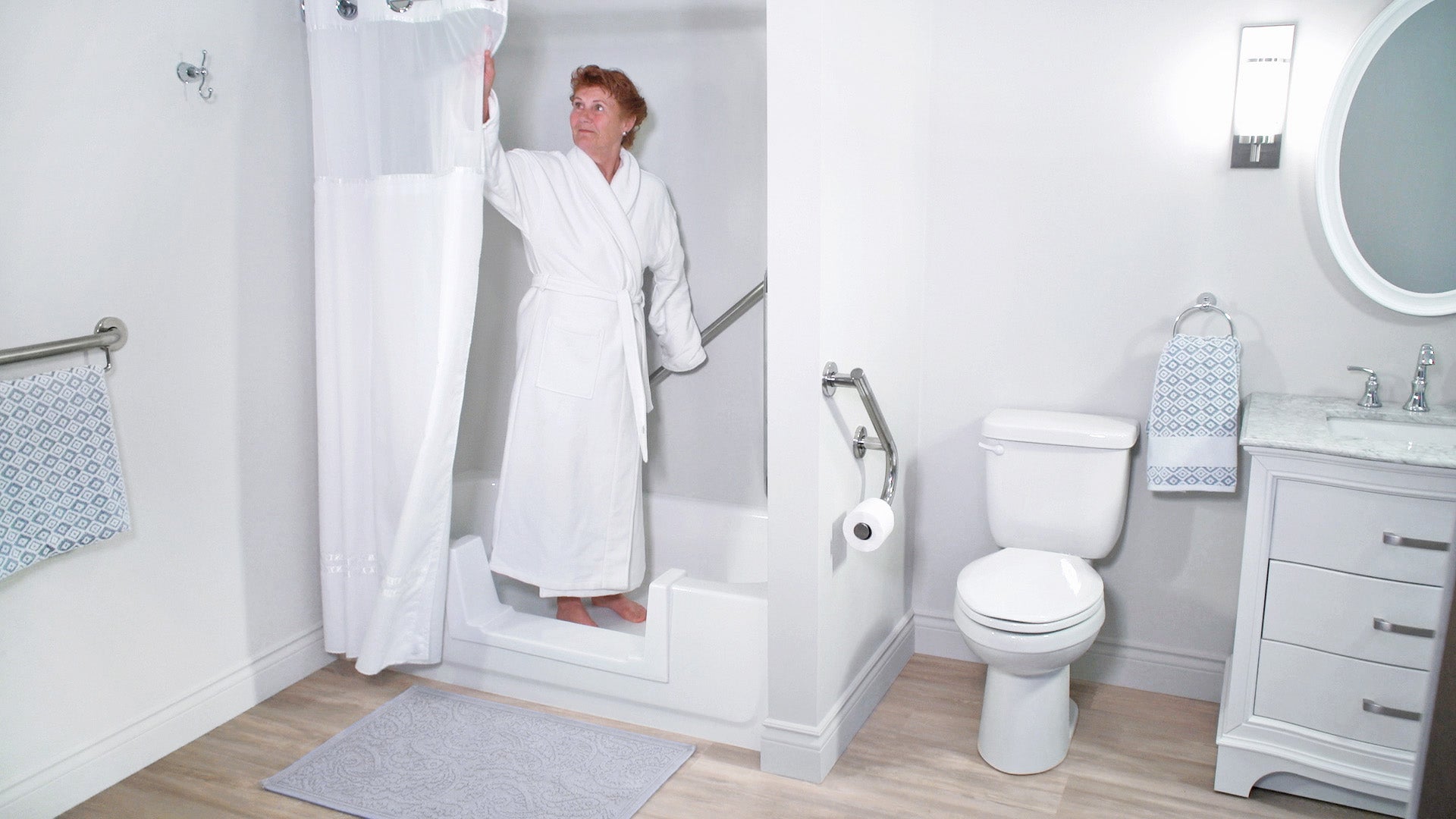
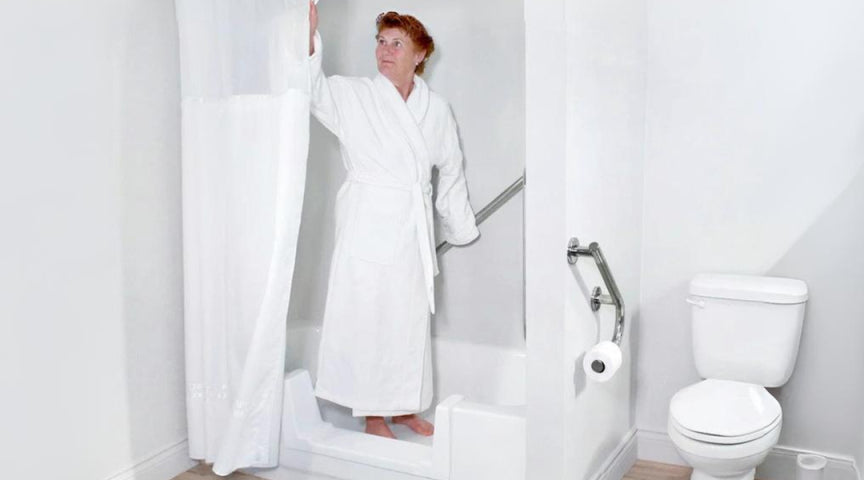
In many cases, improving safety doesn’t require a full remodel. Targeted solutions that reduce the need to step over a high tub wall, such as walk-in access created within the existing bathtub, can significantly lower risk while preserving the original space.
For organizations coordinating home modifications, including Area Agencies on Aging, Medicaid waiver programs and veteran support groups, bathroom upgrades are often one of the most impactful interventions.
Practical Approaches to Safer Bathroom Design
When planning disabled bathroom renovations or a full bathroom remodel for disabled individuals, the goal is to reduce risk while maintaining usability and comfort. The most effective solutions focus on simplifying access and minimizing hazards. Some of the most important considerations include:
- Eliminating high step-over tubs
- Creating barrier-free or low-threshold entry points
- Improving stability with built-in support features
- Ensuring layouts allow for mobility aids
For many nonprofits and housing programs, full renovations are not always feasible due to budget or time constraints. In these cases, targeted upgrades can provide significant improvements without requiring a complete rebuild.
This is where solutions like tub-to-shower conversions become particularly valuable. By replacing a traditional bathtub with a low-entry shower system, organizations can quickly transform unsafe washrooms for disabled individuals into environments that actively support independence.
Scalable Solutions for Organizations and Programs
Nonprofits, housing authorities and rehabilitation programs often need solutions that can be implemented across multiple homes or units. Flexibility and efficiency are key. Programs such as Habitat for Humanity, local housing authorities and VA-supported initiatives frequently look for modifications that are:
- Quick to install
- Cost-conscious
- Durable for long-term use
- Compliant with accessibility standards
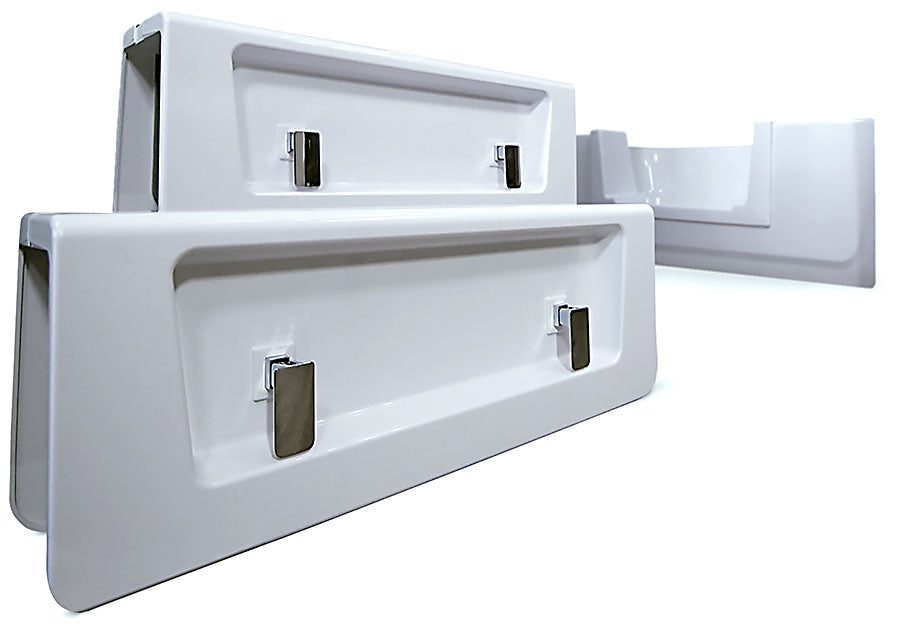
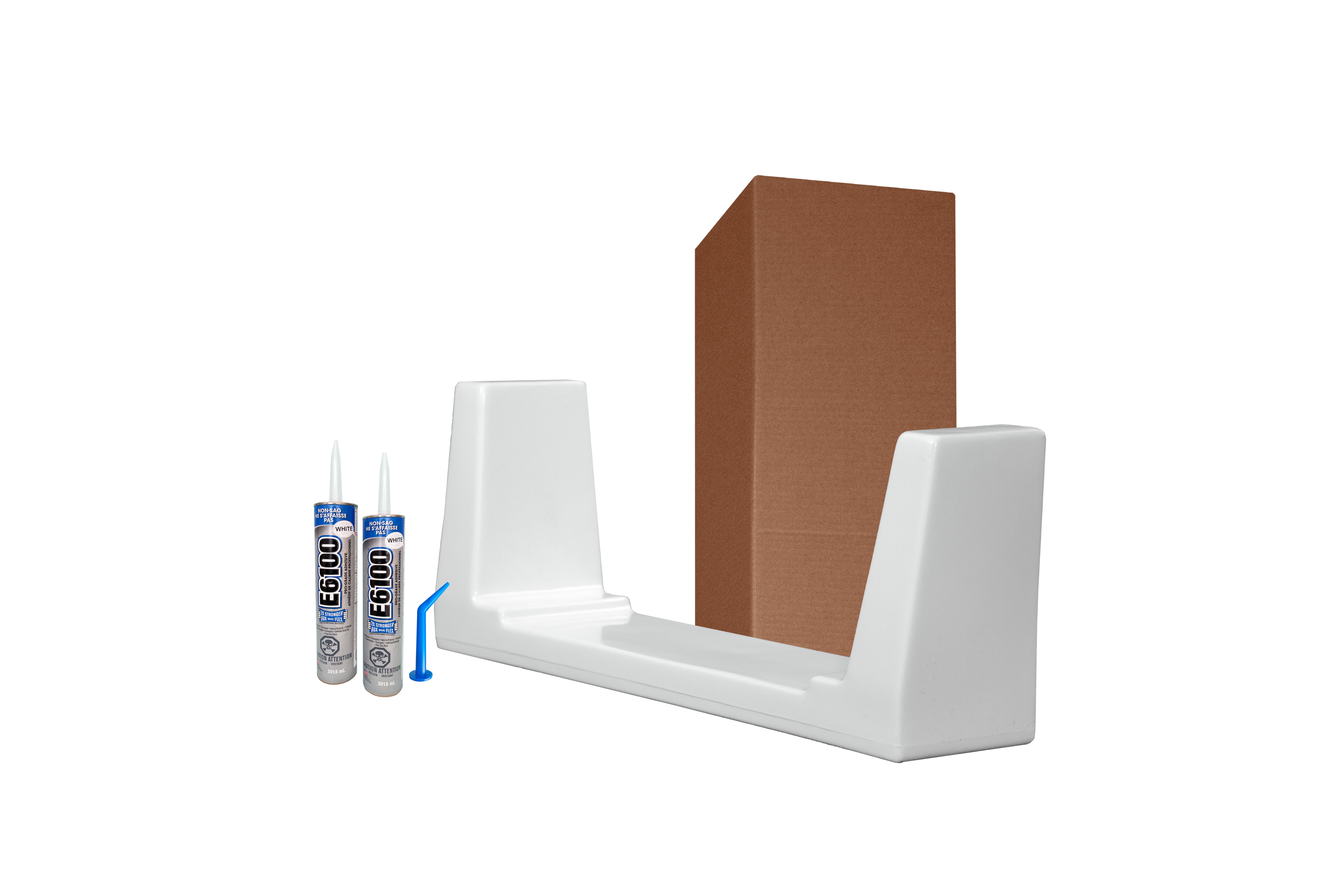
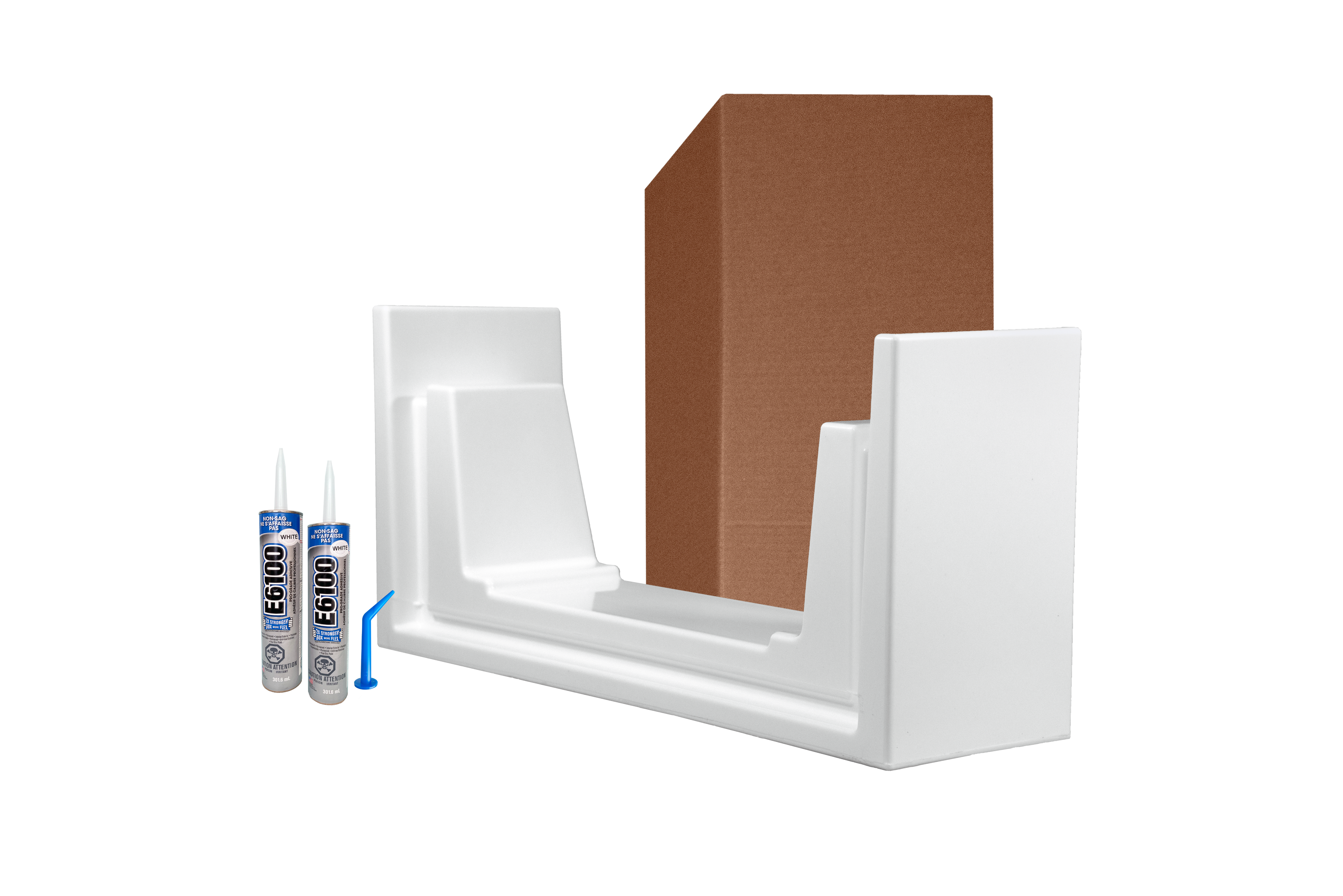
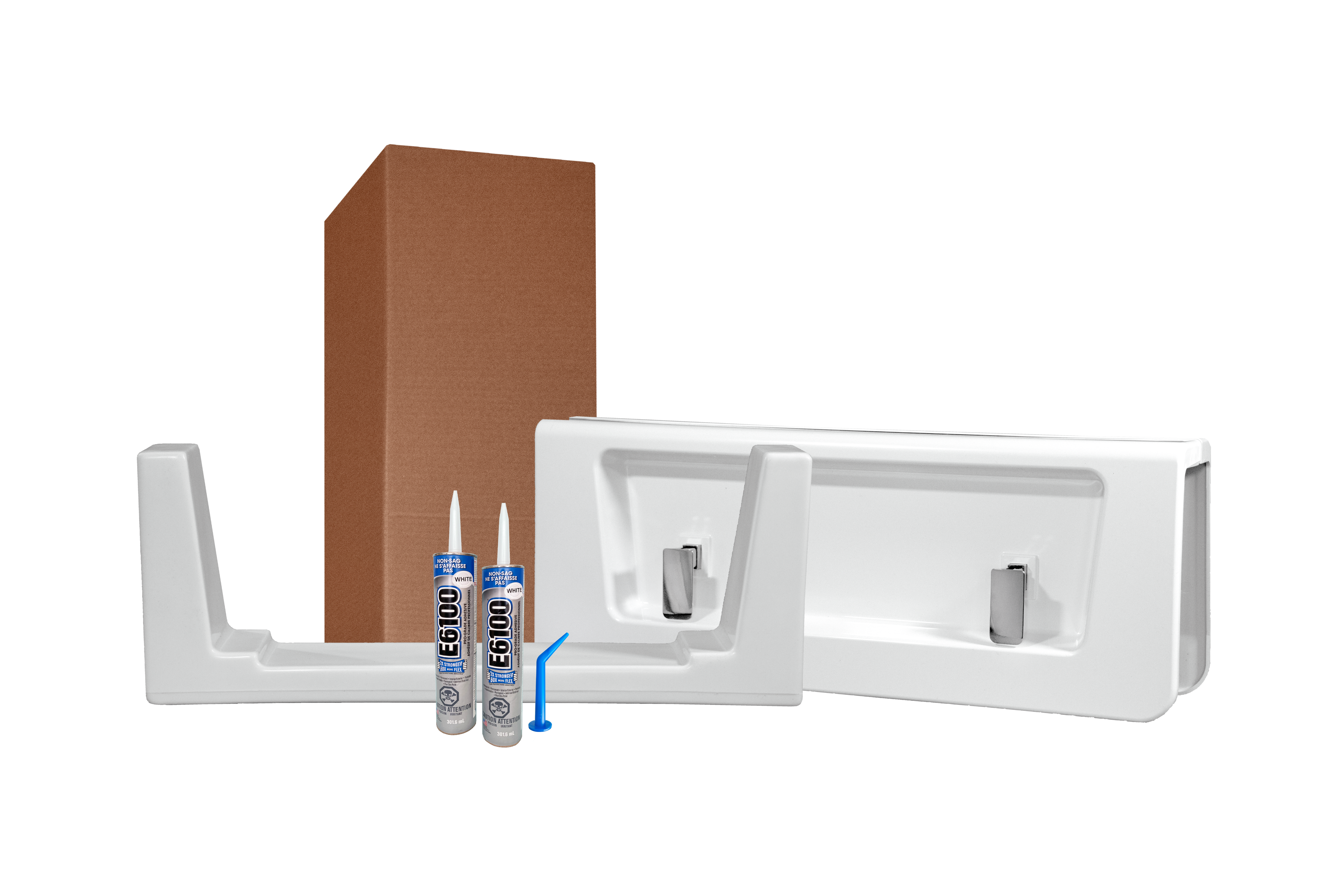
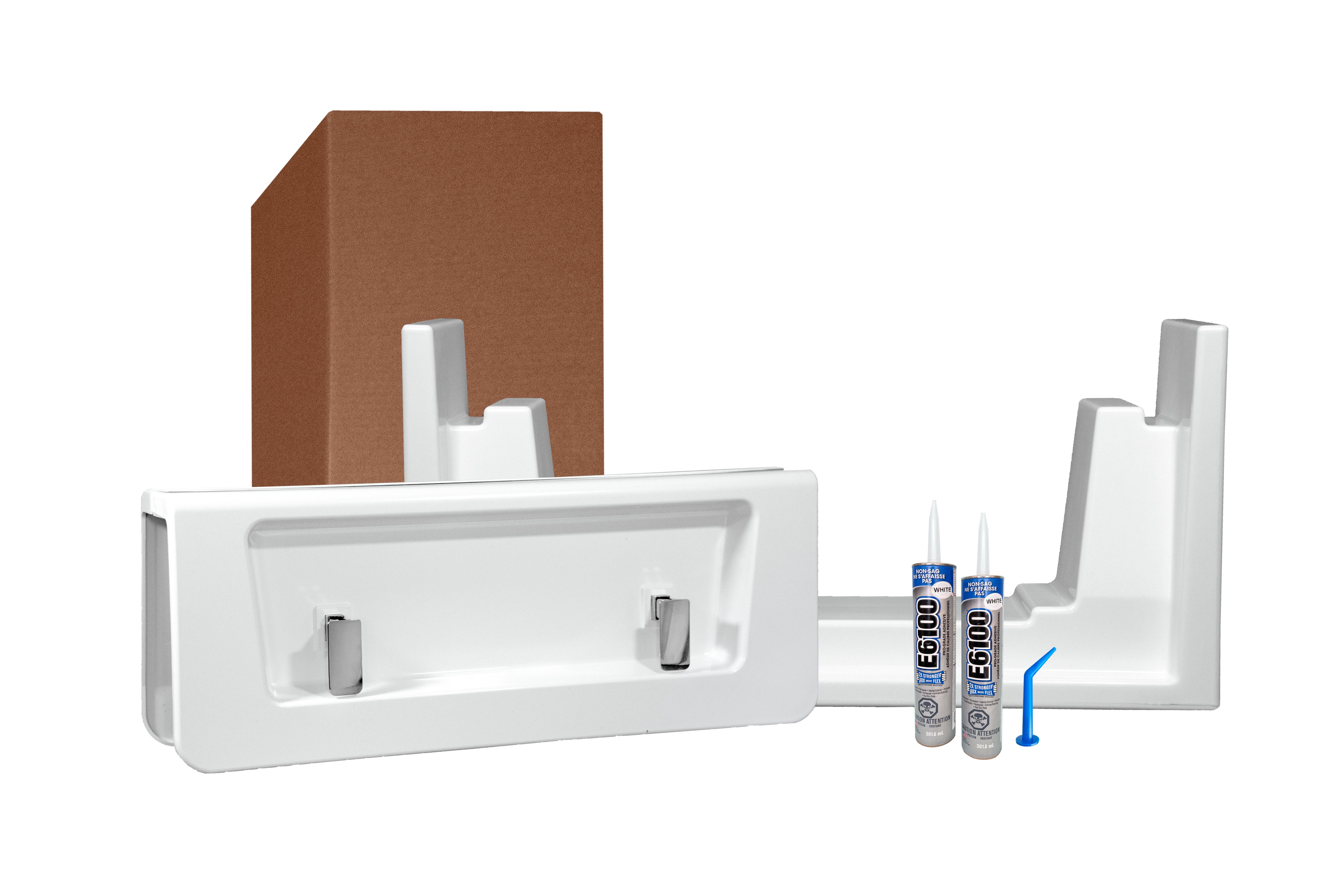
In many cases, modular conversion systems (like those designed to fit existing spaces without major structural changes) can meet these needs. Solutions such as Quick Tub® bath-to-shower conversion systems are specifically designed to work within existing bathtubs, allowing organizations to create low-entry, walk-in access without removing tile or reworking plumbing. These types of solutions allow organizations to deliver safer, accessible bathrooms for the disabled while maximizing the impact of available funding.
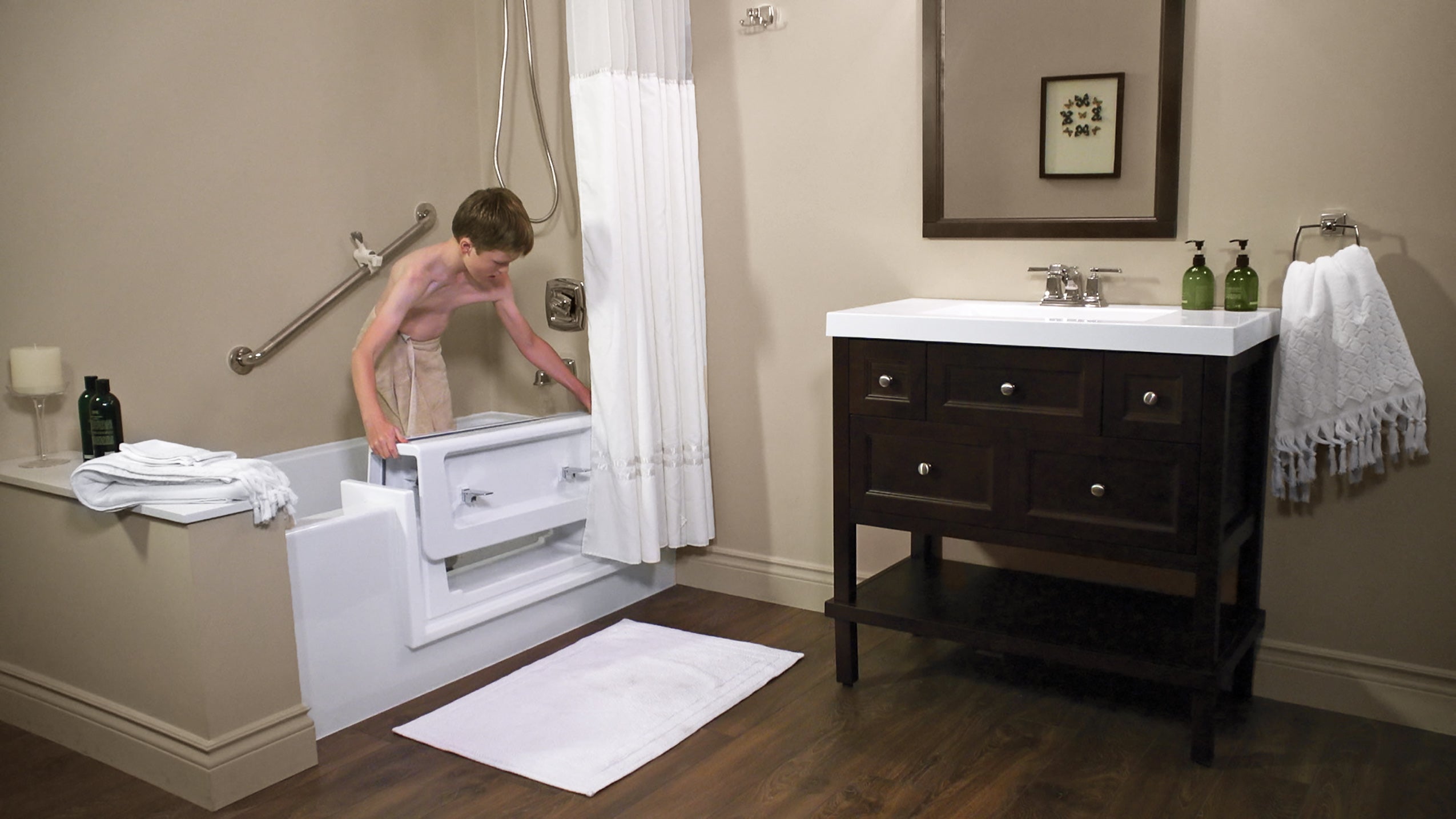
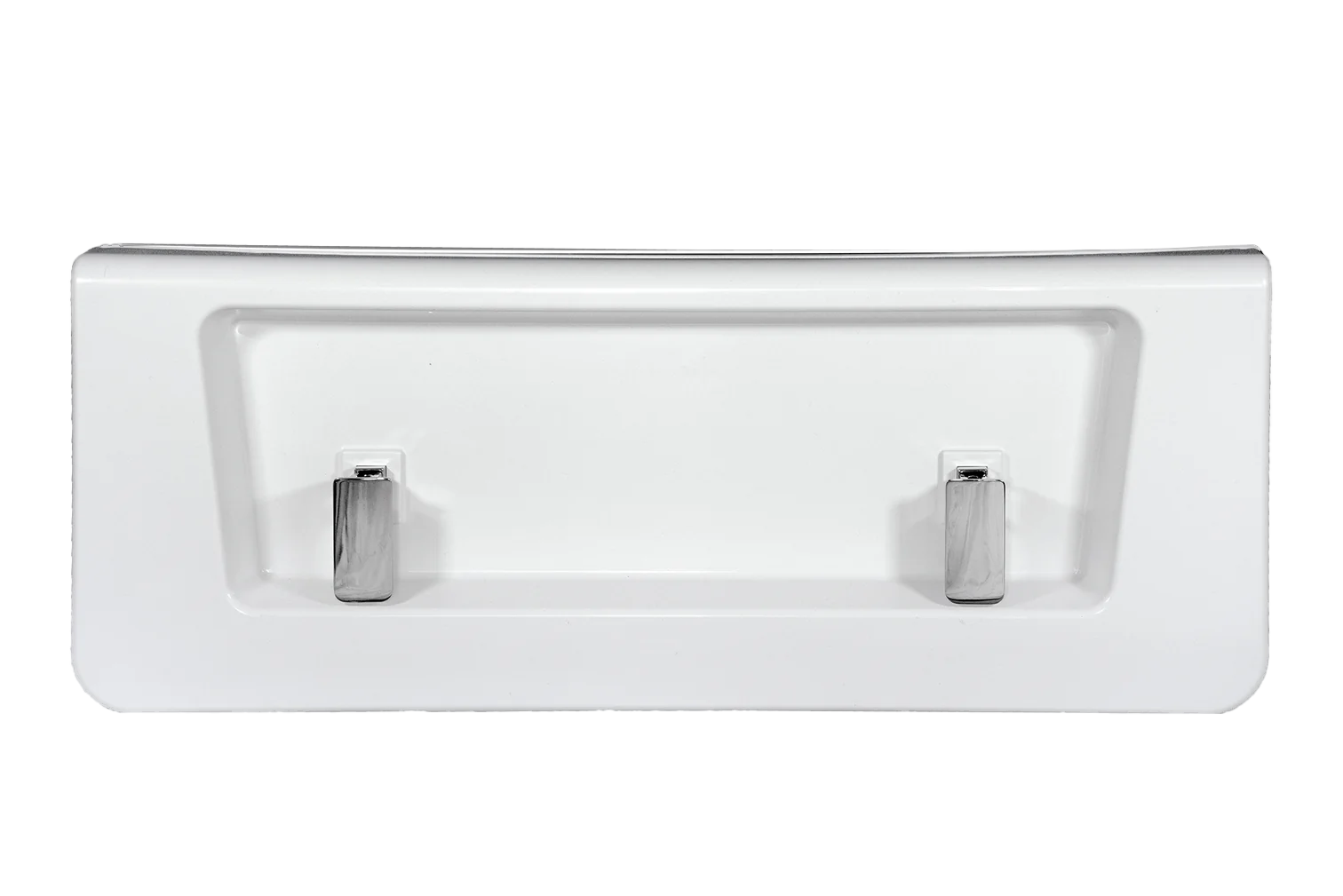
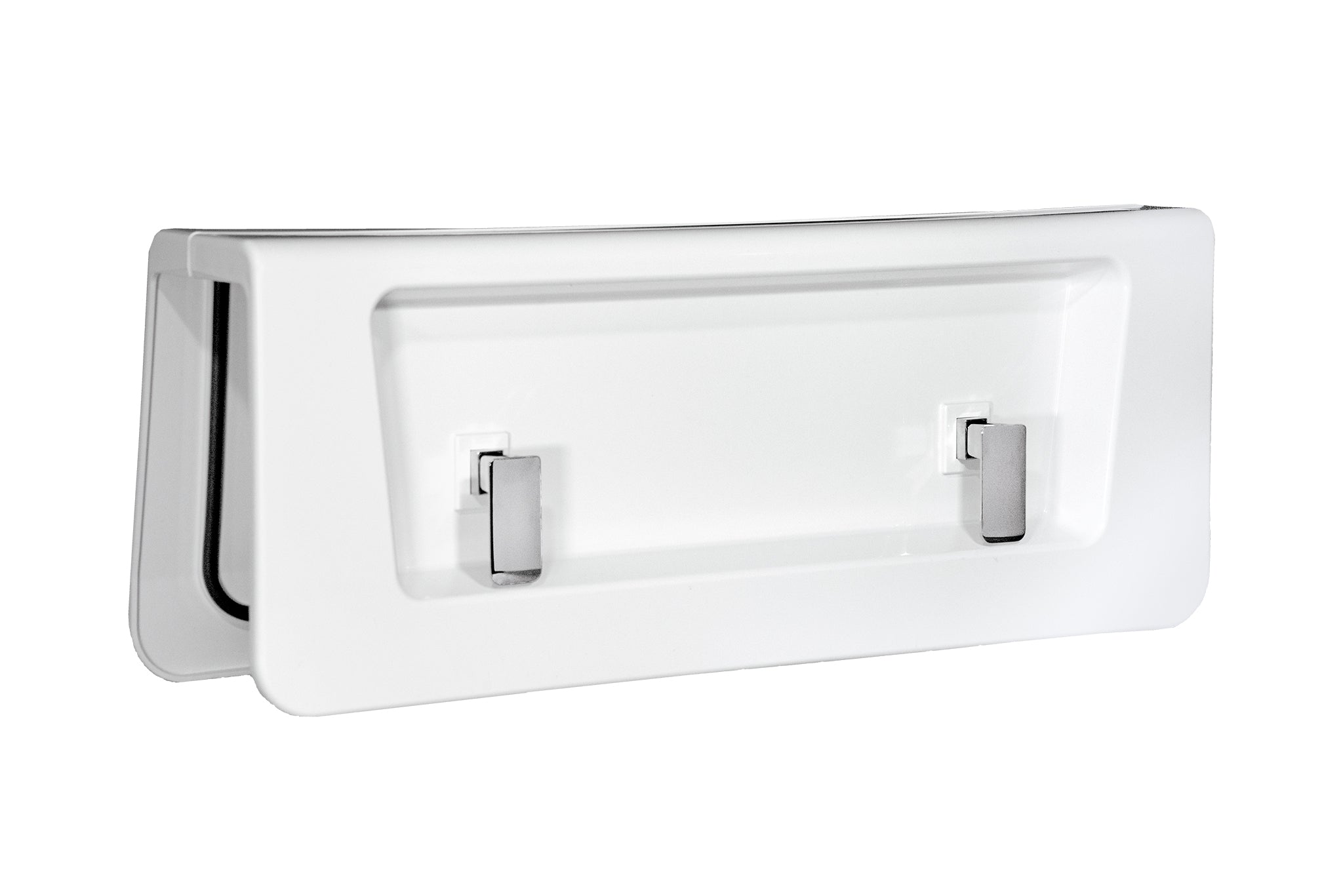
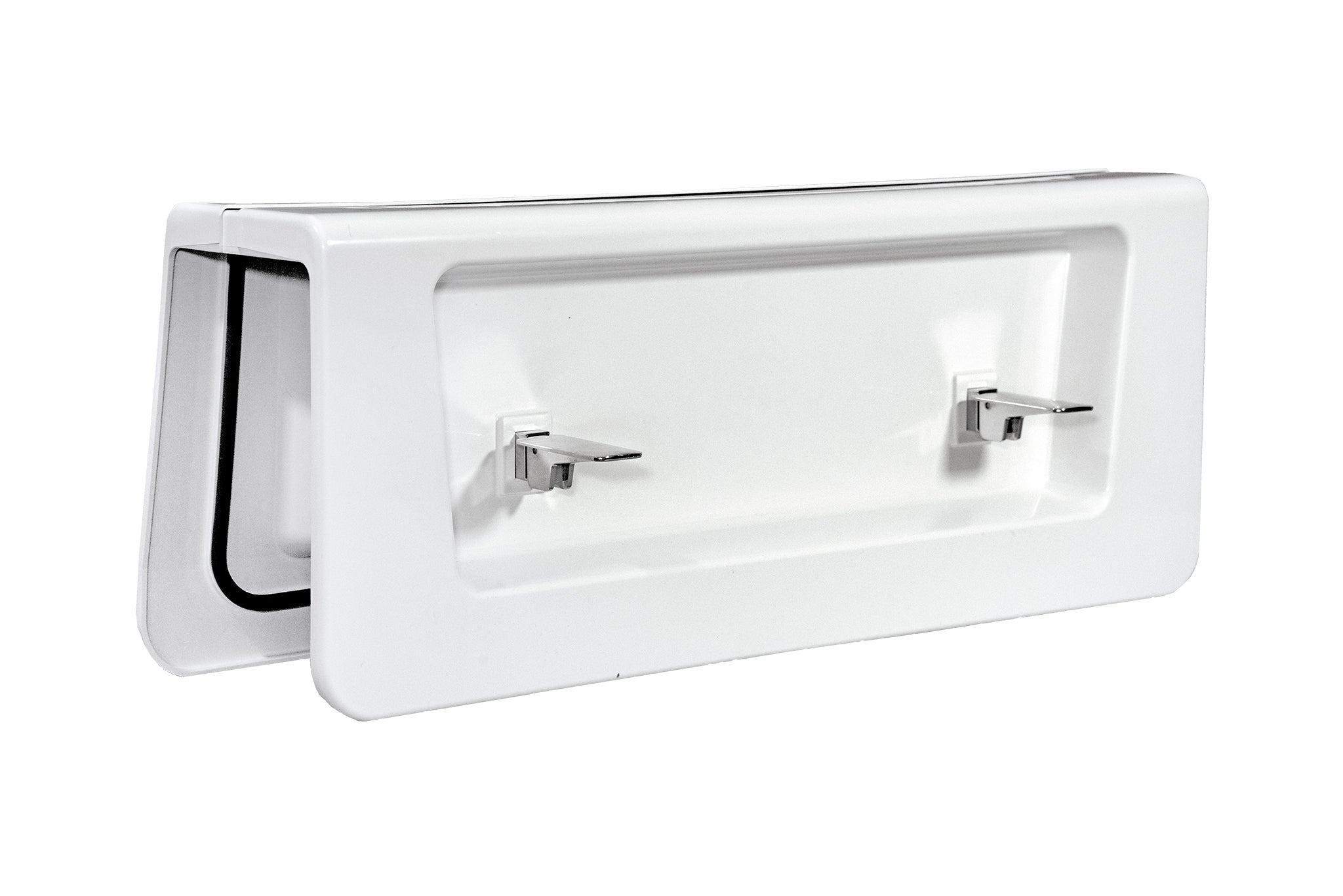
Using the precision-installed Quick Tub® Walk-Thru Insert, an existing tub can be converted into a step-in shower in just a few hours, minimizing disruption for residents while keeping installation costs predictable. For added flexibility, the Quick Tub® Full Convertible Kit can also allow the space to function as both a shower and a traditional bath, depending on the user’s needs.
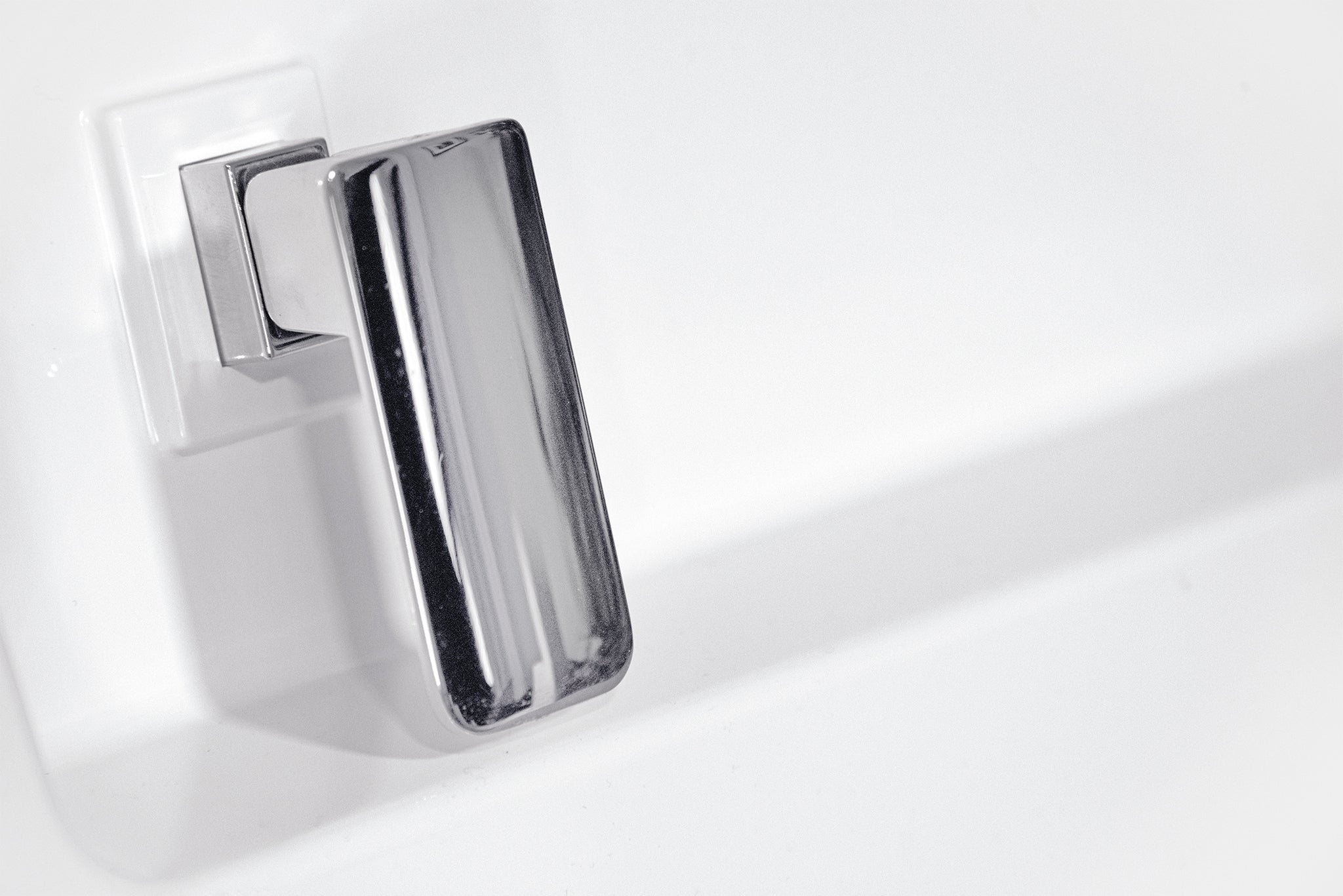
For example, converting an existing tub into a walk-in shower can often be completed in a fraction of the time required for a full renovation, making it easier for nonprofits and agencies to serve more individuals within limited budgets. Additional safety features, such as securely installed grab bars and dedicated mounting hardware, further improve stability and confidence, ensuring the space supports safe, independent use over time.
Long-Term Impact of Accessible Bathroom Upgrades
Investing in bathroom accessibility has long-term implications for healthcare costs, quality of life and community support systems. Safer bathrooms contribute to:
- Fewer fall-related injuries and hospitalizations
- Reduced need for in-home caregiver assistance
- Greater confidence and autonomy for individuals
- Improved outcomes for aging-in-place programs
These outcomes align directly with the mission of centers for independent living or organizations managing independent living services. Even small changes in the home environment can significantly improve long-term independence.
A Smarter Approach to Independent Living
Creating safer bathrooms is one of the most effective ways to support independent living for individuals with mobility challenges. Whether through large-scale housing initiatives or individual home modifications, the impact is immediate and measurable.
For nonprofits, housing authorities and community organizations, focusing on practical, scalable solutions, such as accessible tub-to-shower conversions, can make a meaningful difference. These improvements not only reduce risk but also empower individuals to maintain control over their daily lives. As the demand for independent living for disabled adults continues to grow, thoughtful bathroom design will remain a critical part of the solution.
FAQs - Frequently Asked Questions
How do you qualify for independent living?
Qualification for independent living typically depends on an individual’s ability to perform daily activities with minimal assistance. Programs offered through independent living services or a local independent living center often assess mobility, safety and overall independence. Requirements vary depending on the program and level of support needed.
Where is the best place to live if you are on disability?
The best option depends on individual needs. Some people prefer to stay at home with modifications such as accessible bathrooms, while others choose independent living facilities that offer community, accessibility and support. Local centers for independent living can help evaluate options and connect individuals with appropriate resources.
What disqualifies you from independent living?
There is no single condition that automatically disqualifies someone from independent living for seniors or disabled adults, but individuals who require constant medical supervision or assistance with most daily tasks may need a higher level of care. In these cases, additional support services or alternative housing solutions may be recommended to ensure safety and quality of life.

Share:
Why Tub-to-Shower Conversions Are Ideal for Low-Income Housing Retrofit Programs
Tub-to-Shower Conversions as a Long-Term Solution for Aging Housing Stock