

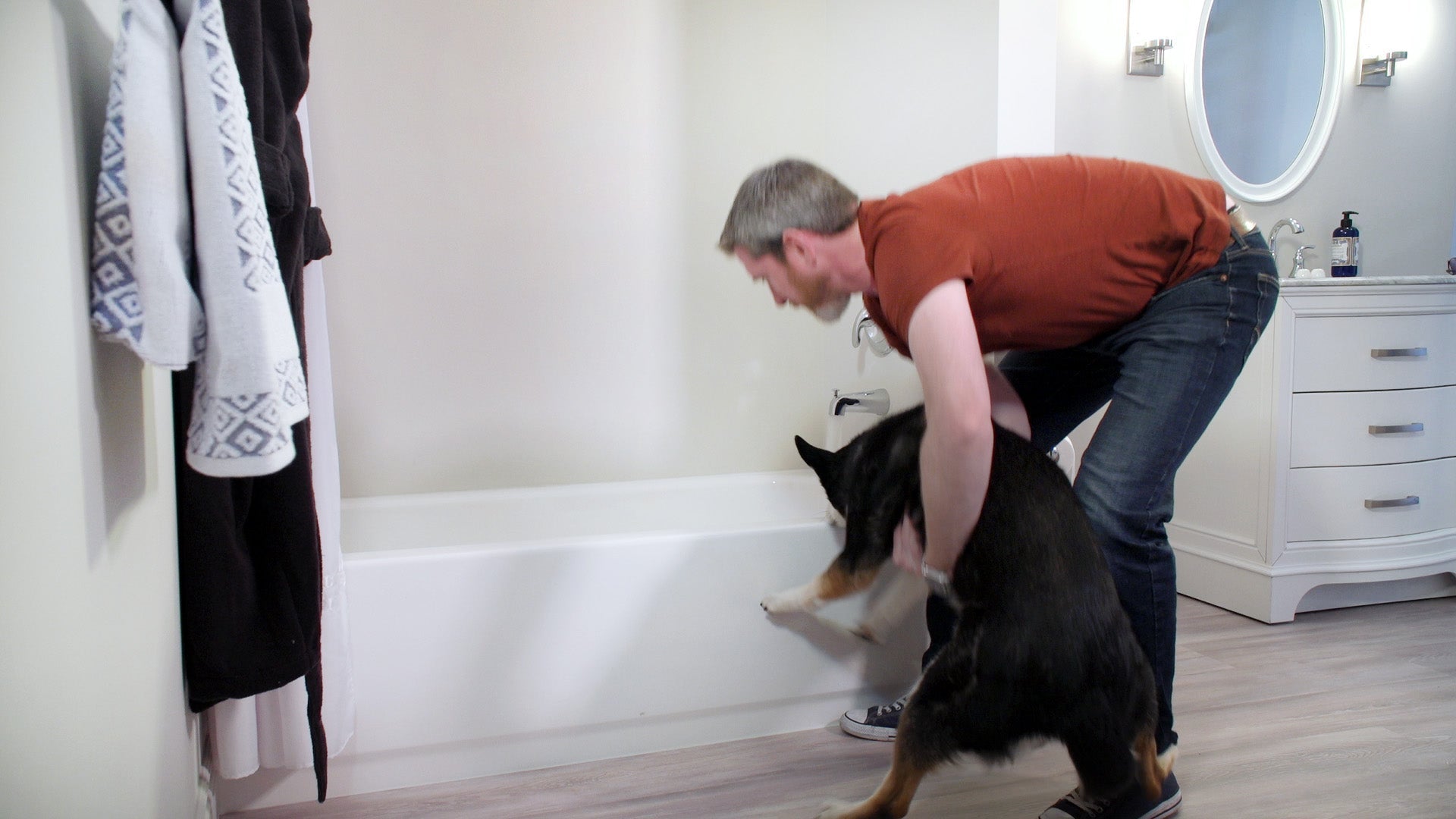
The conversation around public health has traditionally focused on large-scale interventions, vaccination programs, sanitation systems and disease prevention campaigns. But one of the most overlooked yet impactful areas of preventative care exists much closer to home: bathroom safety.
For public health organizations, housing authorities and care providers, the bathroom represents a critical intersection between hygiene and physical safety. It is a space where both infection prevention and injury reduction happen or fail.
When approached strategically, improving bathroom safety is not just a home upgrade. It becomes a cost-saving, life-improving public health initiative.
How Can You Ensure Safety in the Bathroom to Prevent Accidents?
To ensure safety in the bathroom and prevent accidents, you should install secure grab bars near the toilet and shower, use non-slip rubber mats or textured flooring, ensure bright lighting for visibility and utilize a shower seat to reduce the risk of slipping. These simple upgrades significantly lower fall risk.
These interventions may seem small, but they function as frontline preventative healthcare. A single fall avoided can mean preventing hospitalization, long-term disability or even loss of independence, especially in vulnerable populations.
The Dual Threat: Why Bathroom Safety Is a Public Health Priority
Bathrooms present two major risks that public health systems must address simultaneously:
- Physical injury (primarily slips and falls)
- Hygiene and sanitation (infection prevention)
Historically, public health efforts have leaned heavily toward sanitation: clean water, waste systems and disease control. While essential, this leaves a gap in addressing physical safety within the home.
A truly effective approach to bath safety must integrate both. Proper hygiene practices reduce the spread of infections such as gastrointestinal and respiratory illnesses. At the same time, physical design elements (like flooring, layout and fixtures) determine whether the space is safe to use.
In other words, a bathroom that is clean but unsafe is still a public health risk.
Tackling the Epidemic of Slips and Falls
The bathroom is widely recognized as the most dangerous room in any home. Hard surfaces, water exposure and tight layouts create ideal conditions for accidents. From a public health perspective, fall-related injuries represent a massive and preventable burden on healthcare systems. Emergency room visits, surgeries and rehabilitation services all contribute to rising costs, many of which stem from avoidable risks. Key contributors to poor bathroom safety include:
- Slippery tiles and wet surfaces
- Lack of support structures (grab bars, rails)
- Poor lighting and visibility
- High thresholds, especially in tubs
Addressing these issues is not complex, but it requires awareness and prioritization.
Bathroom Safety for Elderly Populations: Essential Modifications
As populations age, the importance of bathroom safety for elderly individuals becomes even more urgent. Older adults face increased risk due to reduced balance and muscle strength, vision impairments, medication side effects and general lower reaction times.
For this reason, improving bathroom safety for seniors is one of the most effective ways to support aging in place and reduce dependency on assisted living facilities. Some of the most impactful modifications include:
- Securely installed grab bars near toilets and showers
- Raised toilet seats to reduce strain when sitting and standing
- Motion-activated lighting for nighttime use
- Slip-resistant flooring throughout the space
These changes transform a hazardous environment into one that supports independence, dignity and confidence.
Improving Bath Safety with Tub Conversions
When discussing bath safety, one of the most significant hazards is often overlooked: the traditional bathtub. Stepping over a high tub wall poses a serious fall risk, particularly for those with limited mobility. This is where targeted solutions can make a major difference.
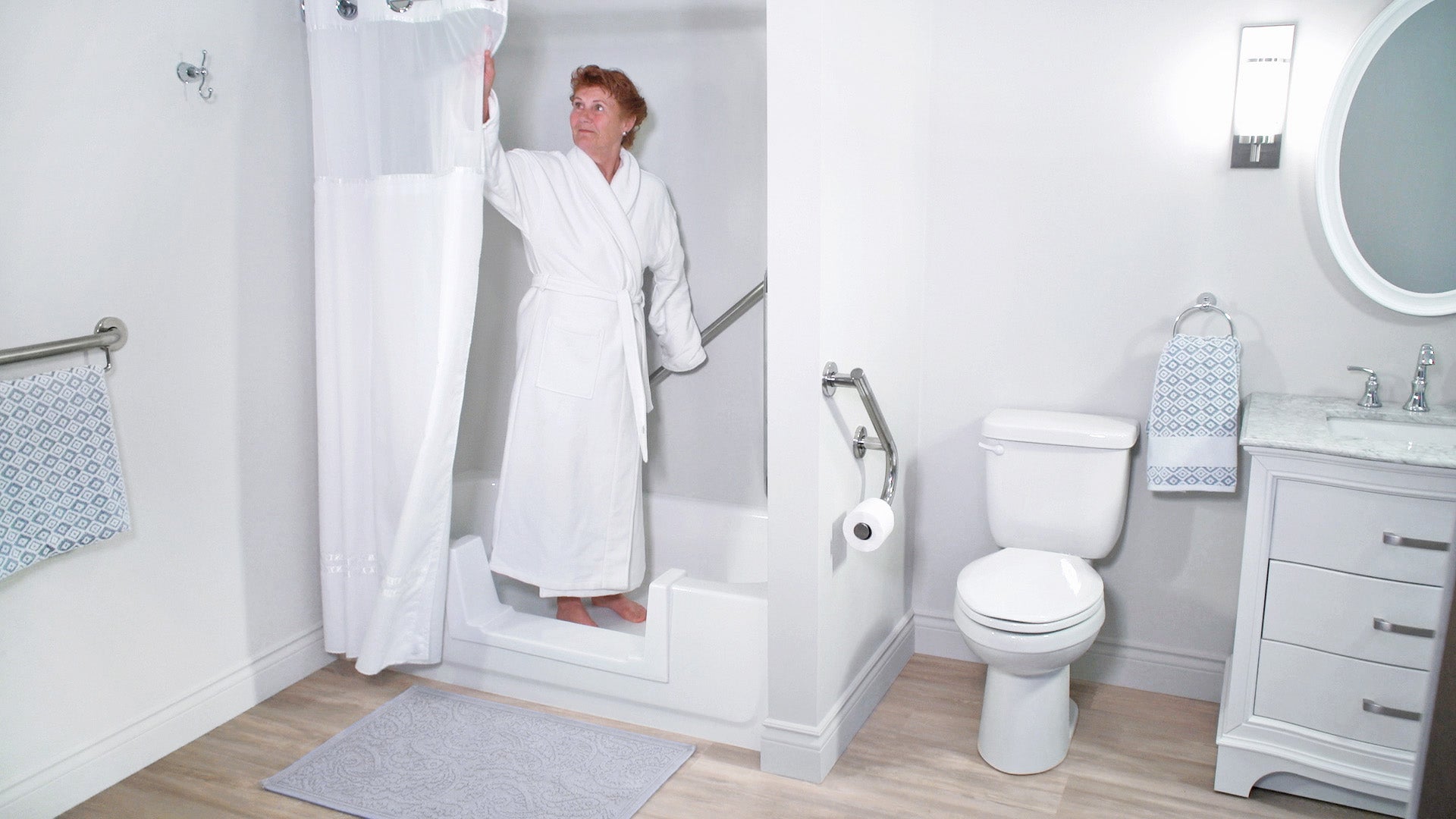
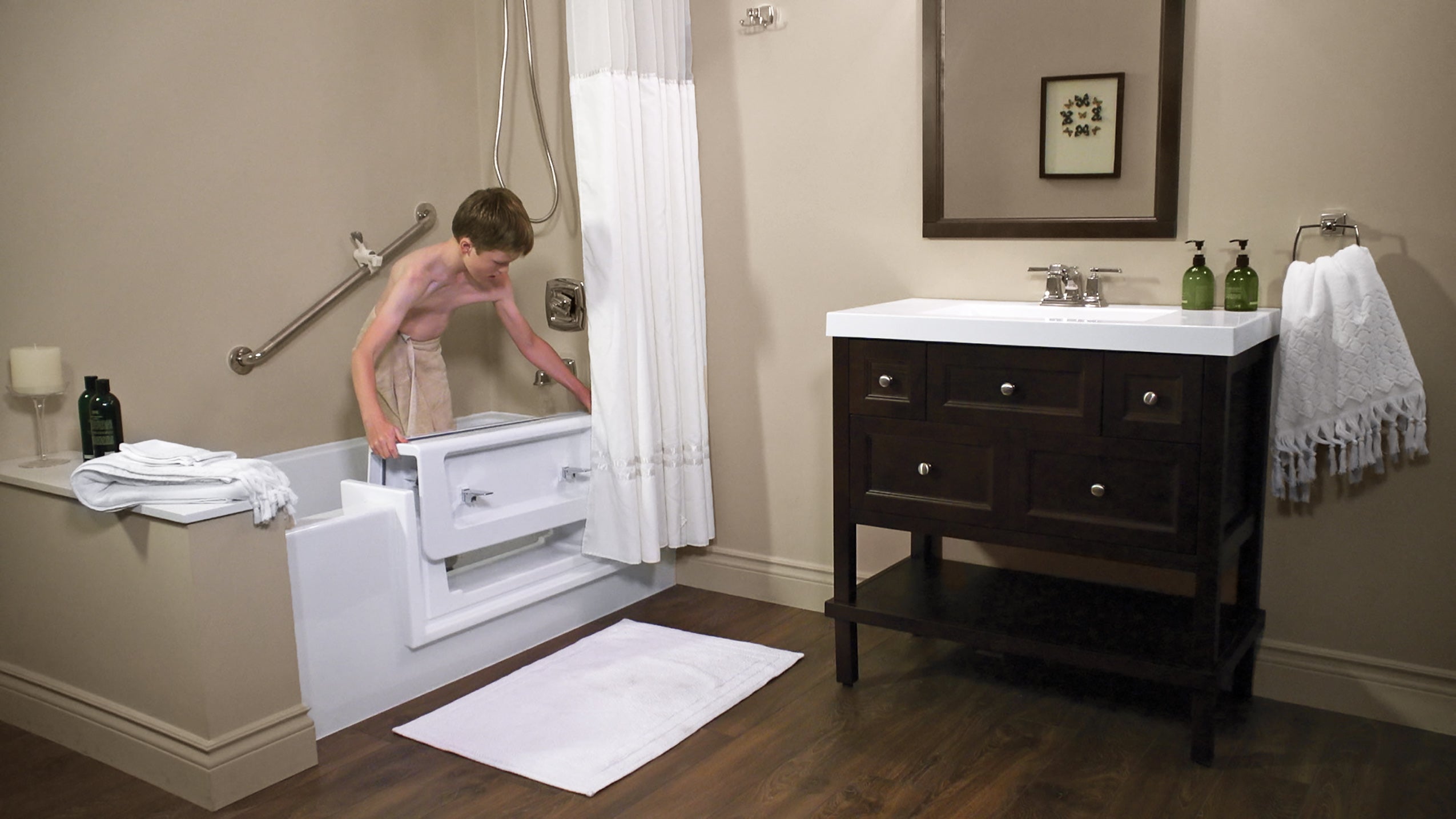
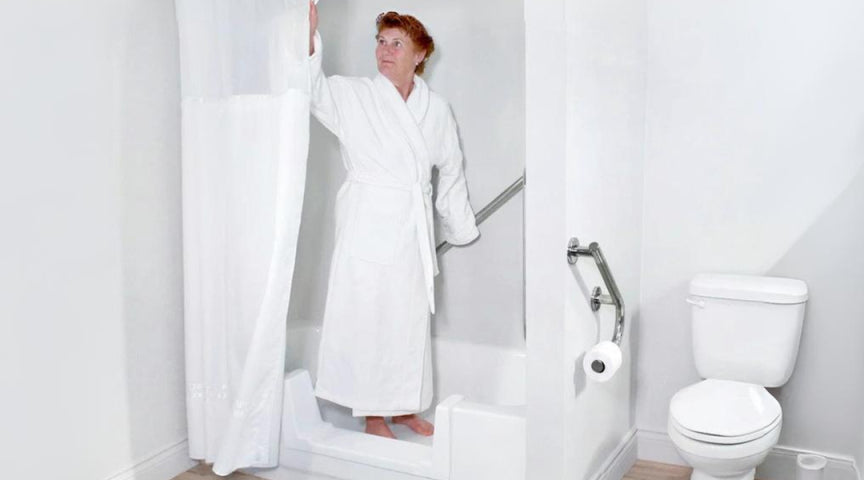
Modern approaches to bathtub safety for seniors often involve converting existing tubs into safer, more accessible bathing environments. Instead of a full renovation, these conversions retain the existing structure while introducing features such as:
- Low-entry or walk-through access
- Built-in seating for a secure bath for elderly users
- Slip-resistant surfaces
- Strategically placed support features
These types of upgrades significantly improve tub safety for seniors while remaining cost-effective and minimally disruptive, which is an important consideration for both homeowners and housing organizations.
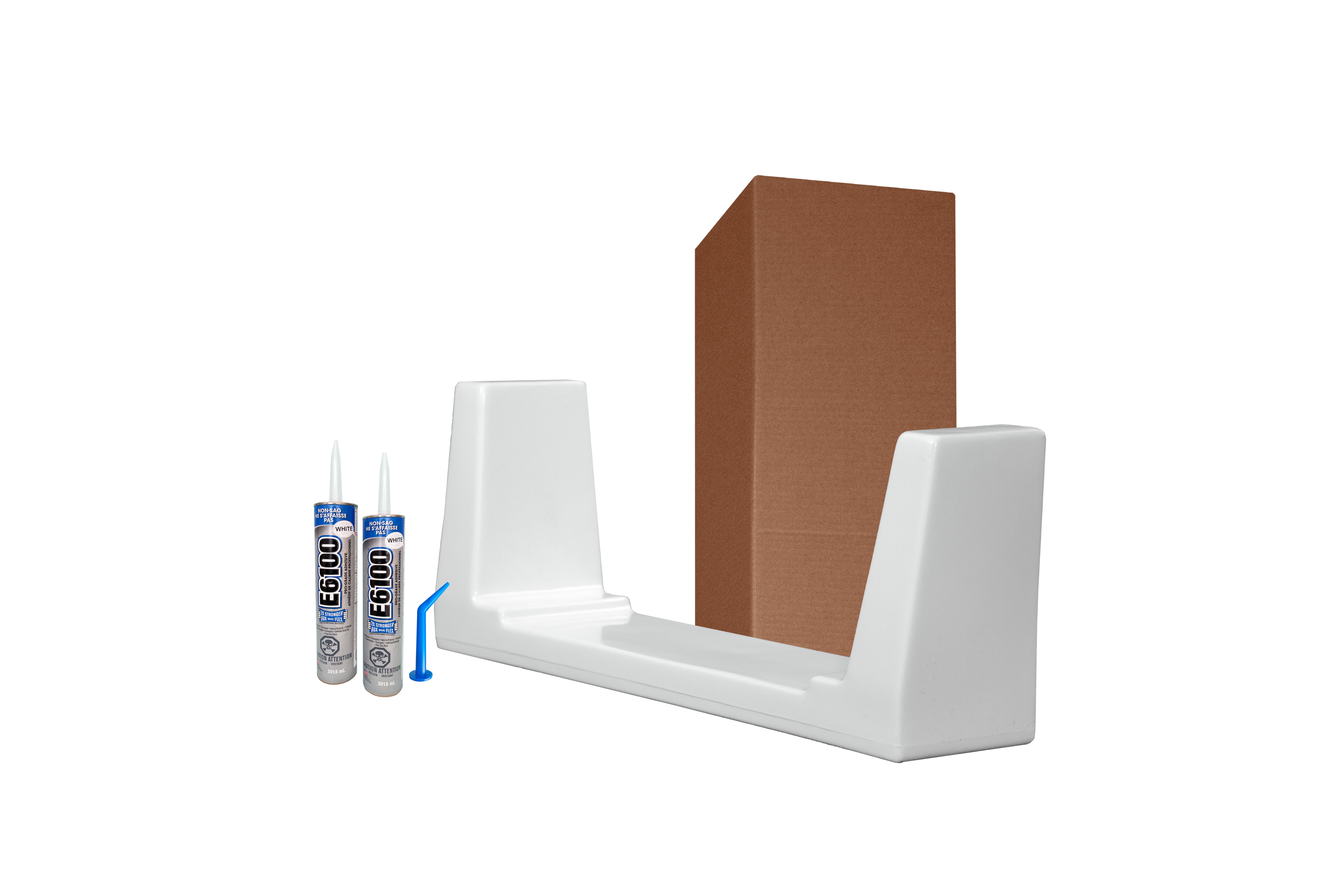
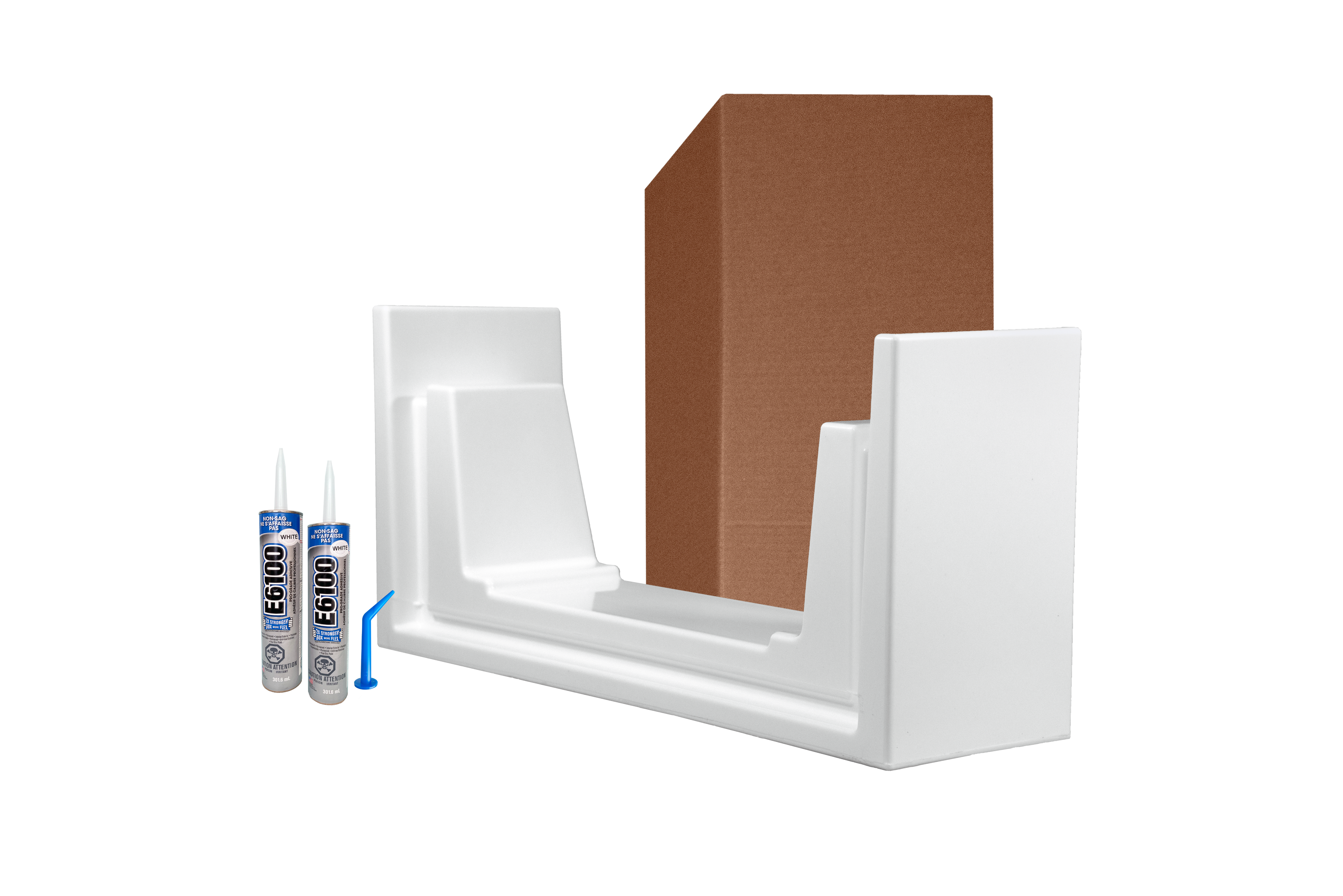
Solutions like these (including specialized conversion systems offered by providers such as Quick Tub® ) demonstrate how targeted design changes can dramatically improve bathtub safety without requiring full-scale remodeling.
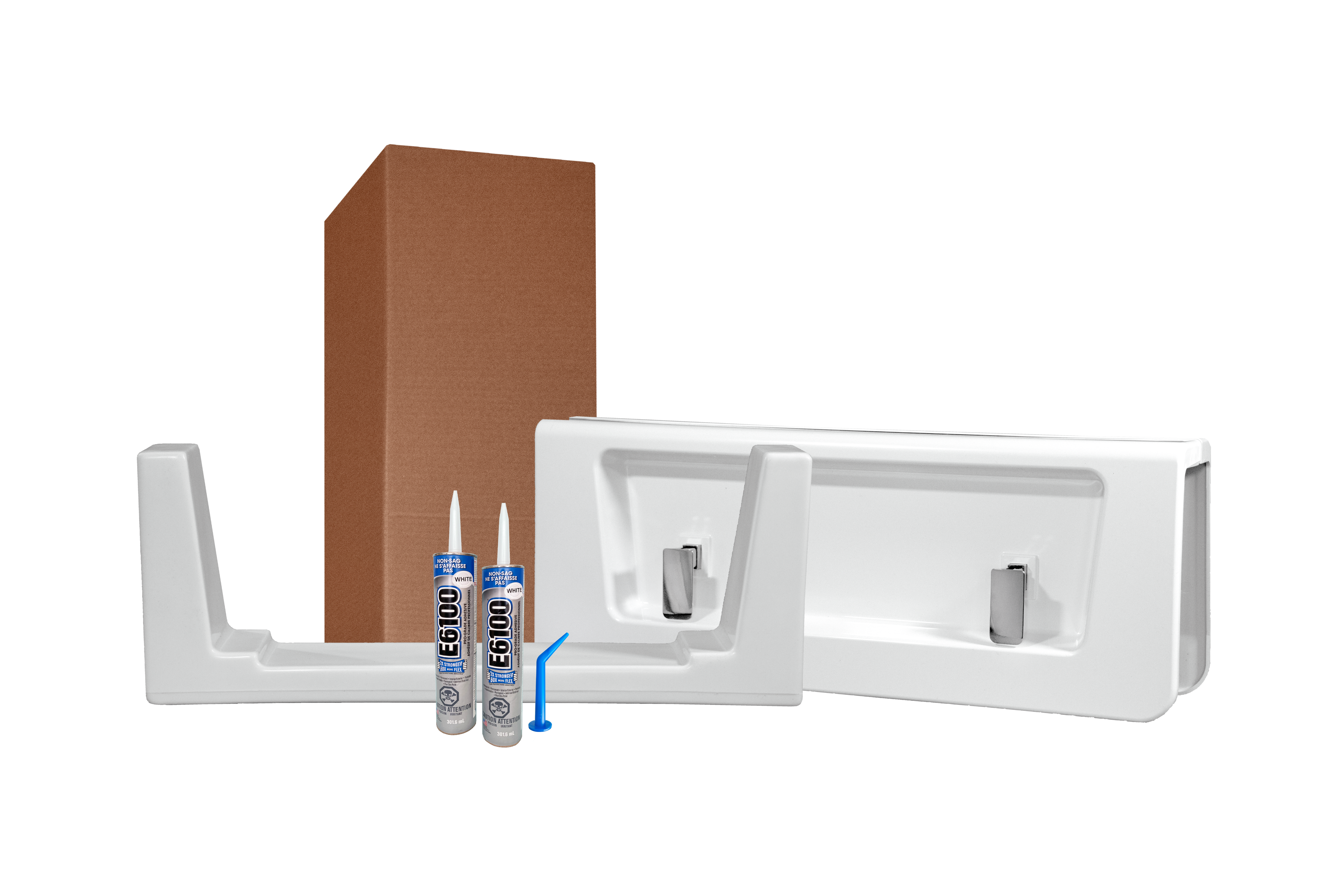
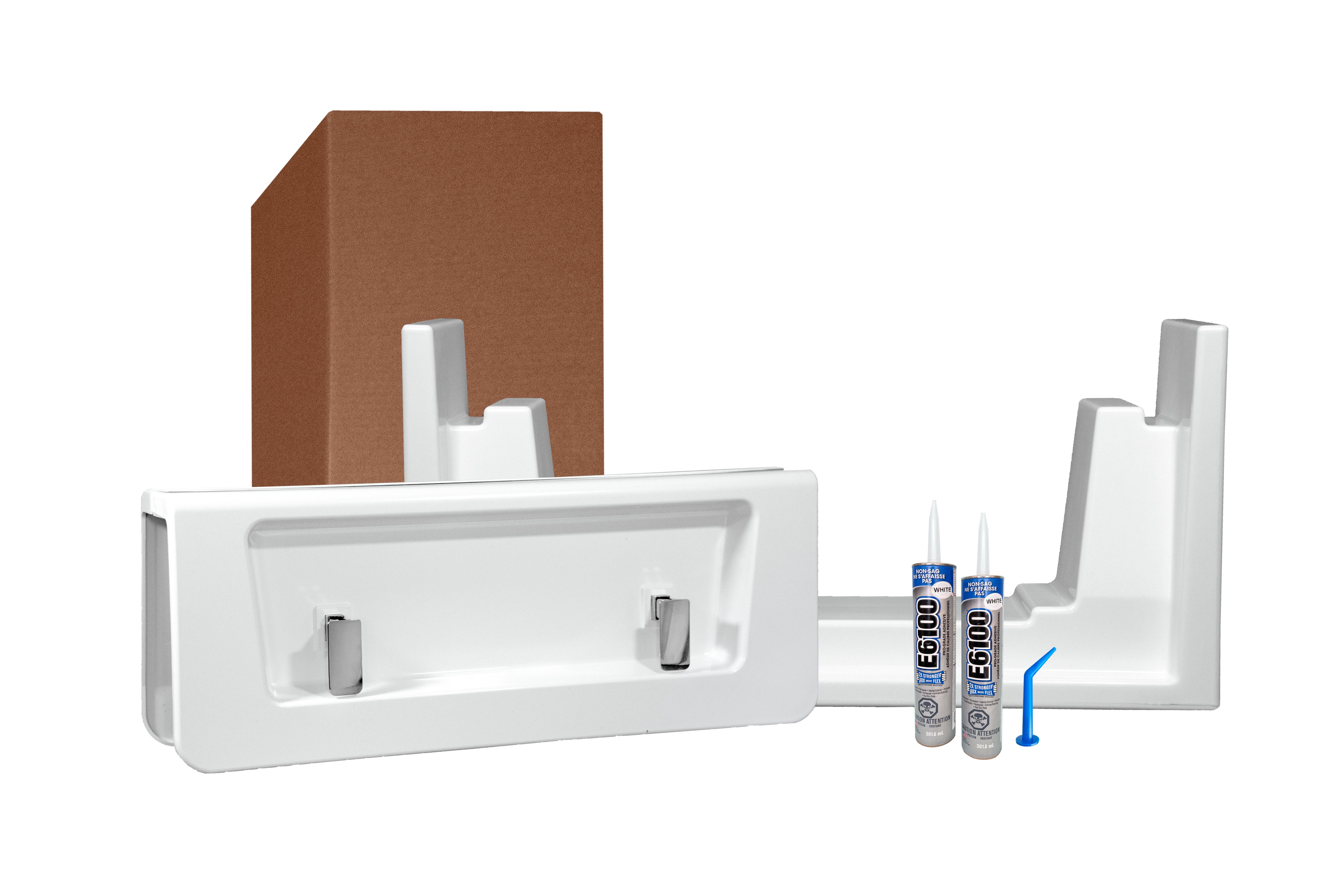
These bathtub inserts and tub cut out kits are designed to work with the existing bathtub, allowing for fast installation with minimal disruption, often in just a few hours. By lowering the step-in height and incorporating built-in seating, they directly address one of the most common fall risks while improving overall elderly tub safety.
At the same time, slip-resistant materials and secure sealing support both hygiene and bathroom safety. This makes them a practical option for both individual homes and larger housing programs looking to improve bathtub safety for seniors at scale.
Global Sanitation: The Hygiene Movement in Public Health
While physical safety is critical, hygiene remains the foundation of global public health. Organizations like the WHO and CDC consistently emphasize the importance of sanitation infrastructure in preventing disease. Access to clean, functional bathrooms reduces the spread of infections and improves overall quality of life. This is why the concept of bathroom safety must extend beyond fall prevention. It also includes:
- Access to clean water
- Proper waste disposal systems
- Adequate ventilation
- Safe, usable facilities for all individuals
Globally, billions of people still lack access to safe sanitation. Locally, however, even well-equipped homes may fall short in providing a truly safe and accessible bathroom environment. Bridging this gap requires a more holistic view, one that connects global sanitation efforts with domestic safety improvements.
How Nonprofits and Health Organizations Can Drive Change
Public health organizations, nonprofits and housing authorities are uniquely positioned to lead the charge in improving shower safety for elderly populations and overall bathroom safety standards. Instead of treating these upgrades as optional, they can be integrated into preventative care strategies. Actionable approaches include:
- Funding small-scale home modifications (grab bars, flooring upgrades)
- Partnering with accessibility specialists for safe installations
- Educating communities on shower safety and fall prevention
- Incorporating safety assessments into routine healthcare visits
From a financial perspective, the return on investment is clear. Preventing even a single fall can offset the cost of multiple safety upgrades.
|
Intervention |
Estimated Cost |
Potential Savings |
|
Grab bar installation |
Low |
Prevents ER visits |
|
Non-slip flooring |
Moderate |
Reduces fall risk significantly |
|
Tub conversion |
Low |
Avoids long-term care costs |
A Shift in Perspective: From Home Upgrade to Healthcare Strategy
Ultimately, improving bathroom safety for elderly populations (and for all users) requires a shift in mindset. This is not just about comfort or convenience. It is about prevention.
It is about reducing injuries before they happen. It is about preserving independence. And it is about lowering the long-term burden on healthcare systems.
By investing in bath safety solutions, public health organizations can create meaningful, measurable change, one home at a time.
FAQs - Frequently Asked Questions
Does Medicare pay for bathroom safety equipment?
In most cases, original Medicare (Part A and Part B) does not cover bathroom safety equipment such as grab bars, shower chairs or non-slip mats, because these items are typically considered home modifications rather than medically necessary durable medical equipment (DME).
However, there are exceptions. If a doctor prescribes certain items (like a commode chair) and they meet Medicare’s definition of DME, partial coverage may apply. Some Medicare Advantage (Part C) plans may also offer additional benefits that include limited home safety improvements or allowances for bathroom safety upgrades.
Will Medicare pay for a safe step tub?
Generally, Medicare does not cover walk-in tubs or “safe step” tubs, as they are classified as home improvements rather than essential medical equipment. That said, there are alternative funding options that public health organizations and individuals can explore:
- Medicaid waivers (in some states) may help cover accessibility modifications
- VA benefits for eligible veterans
- State or local housing assistance programs
- Nonprofit grants focused on aging in place or disability support
For organizations, this reinforces an important point. Investing in preventative solutions like bathroom safety upgrades often requires creative funding strategies, but the long-term savings in healthcare costs and improved quality of life can far outweigh the initial investment.

Share:
Helping Seniors Stay Independent: The Role of Elderly Tub Safety
What Grant-Funded Housing Programs Look for in Home Modification Solutions