

Designing an accessible bathroom doesn’t mean giving up on style. With thoughtful planning and the right solutions, you can create a space that’s safe, comfortable and visually appealing. Accessible bathrooms are more than just practical; they are an investment in your independence and long-term comfort, making daily routines easier for everyone in the home.
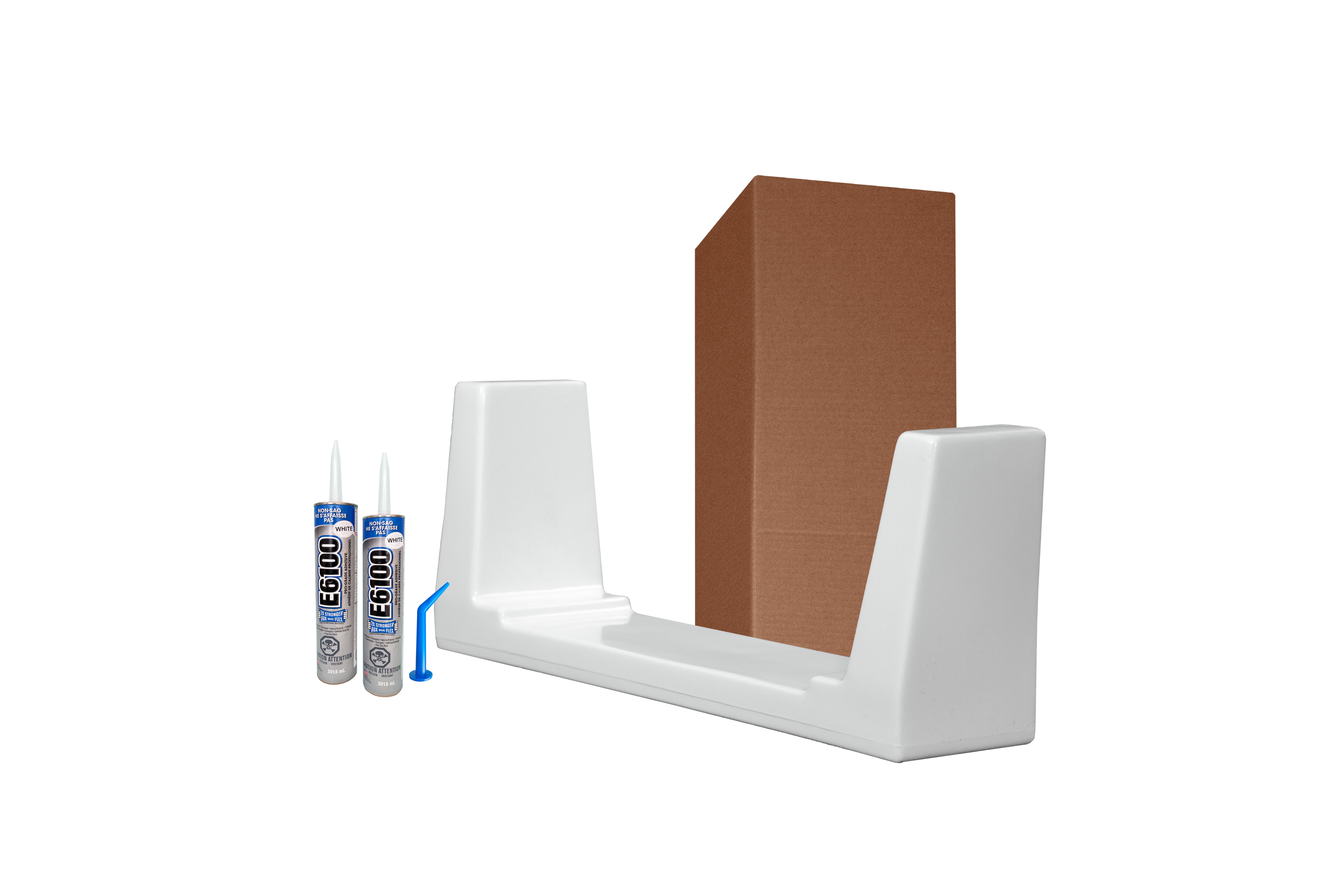
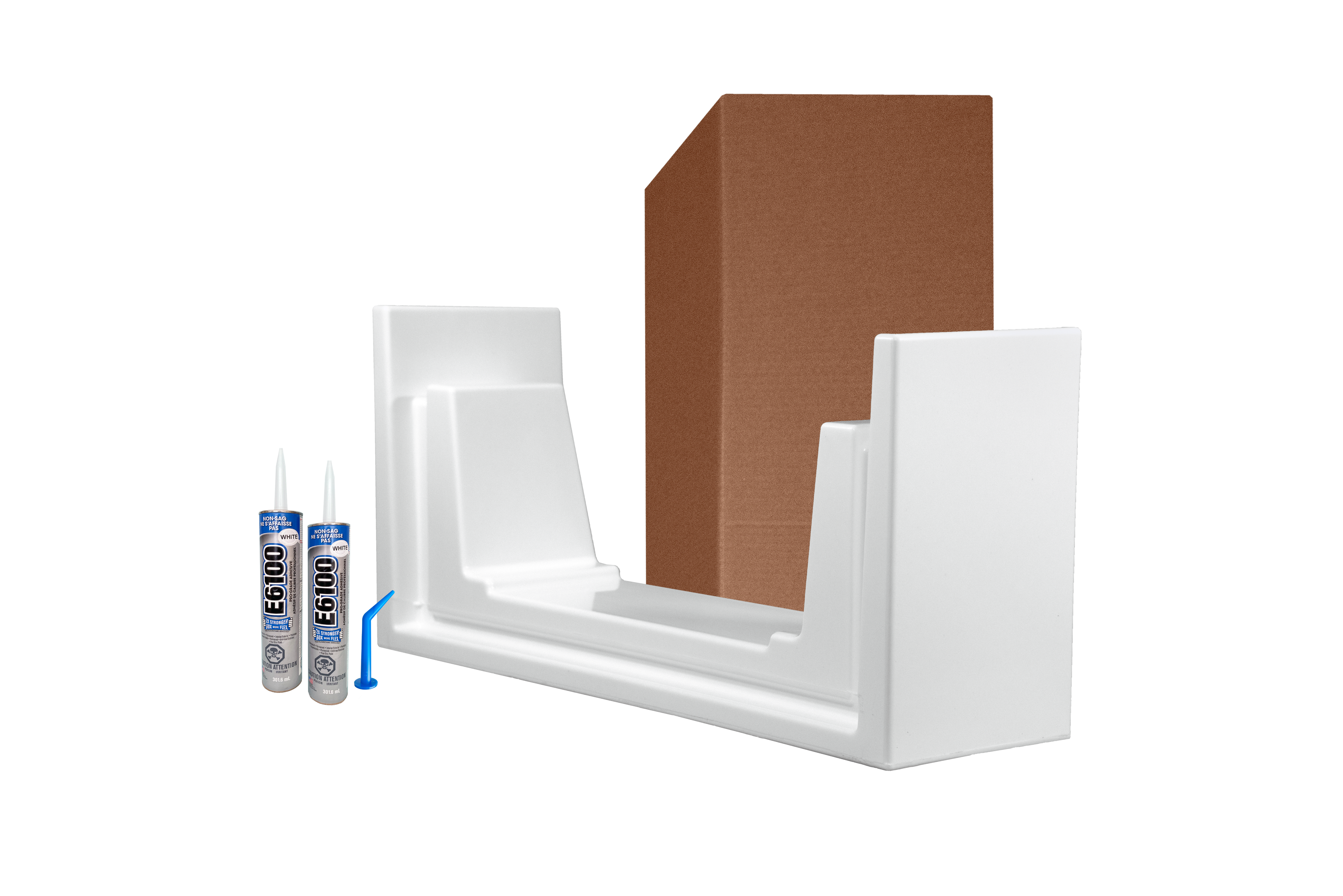
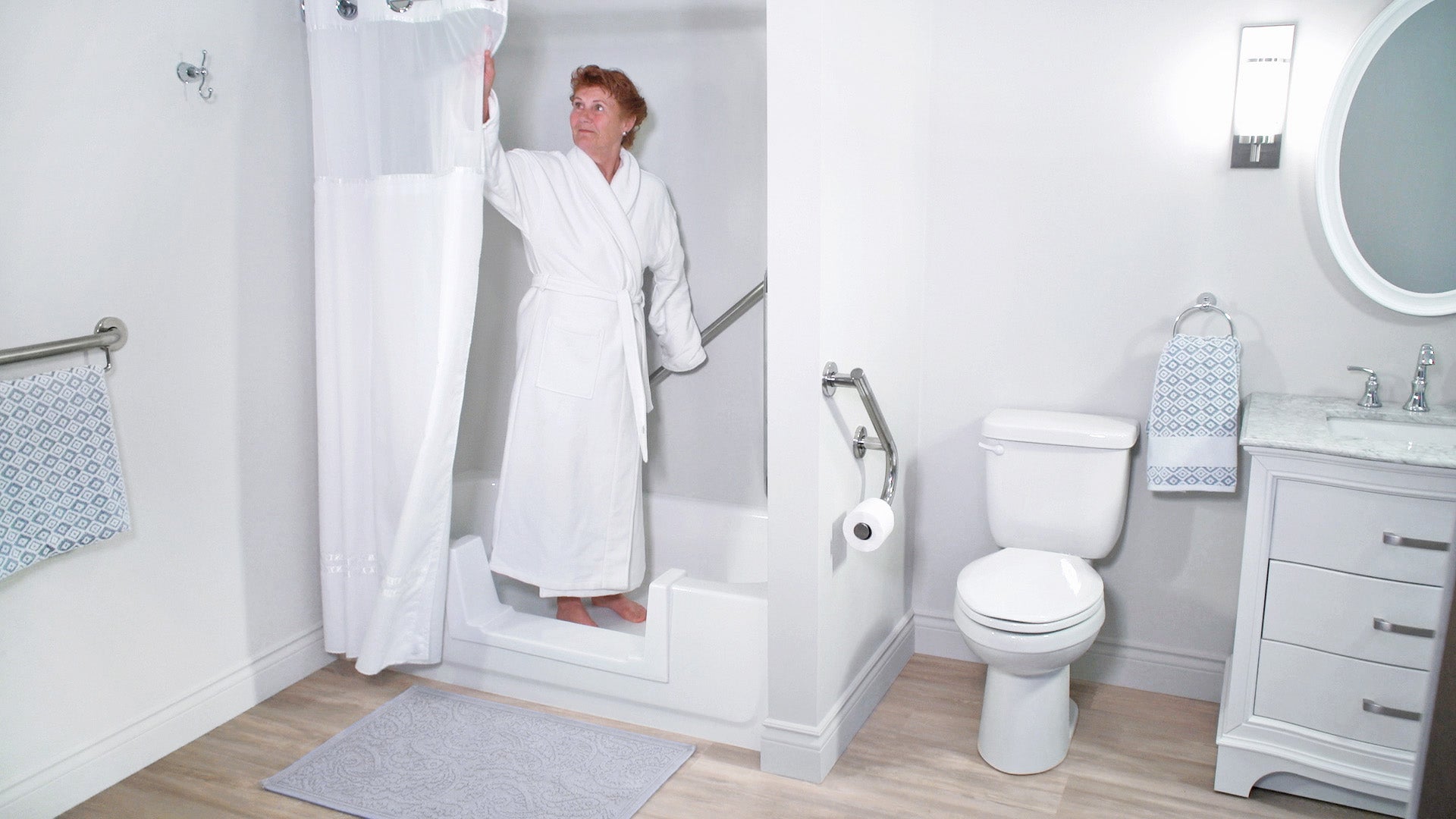
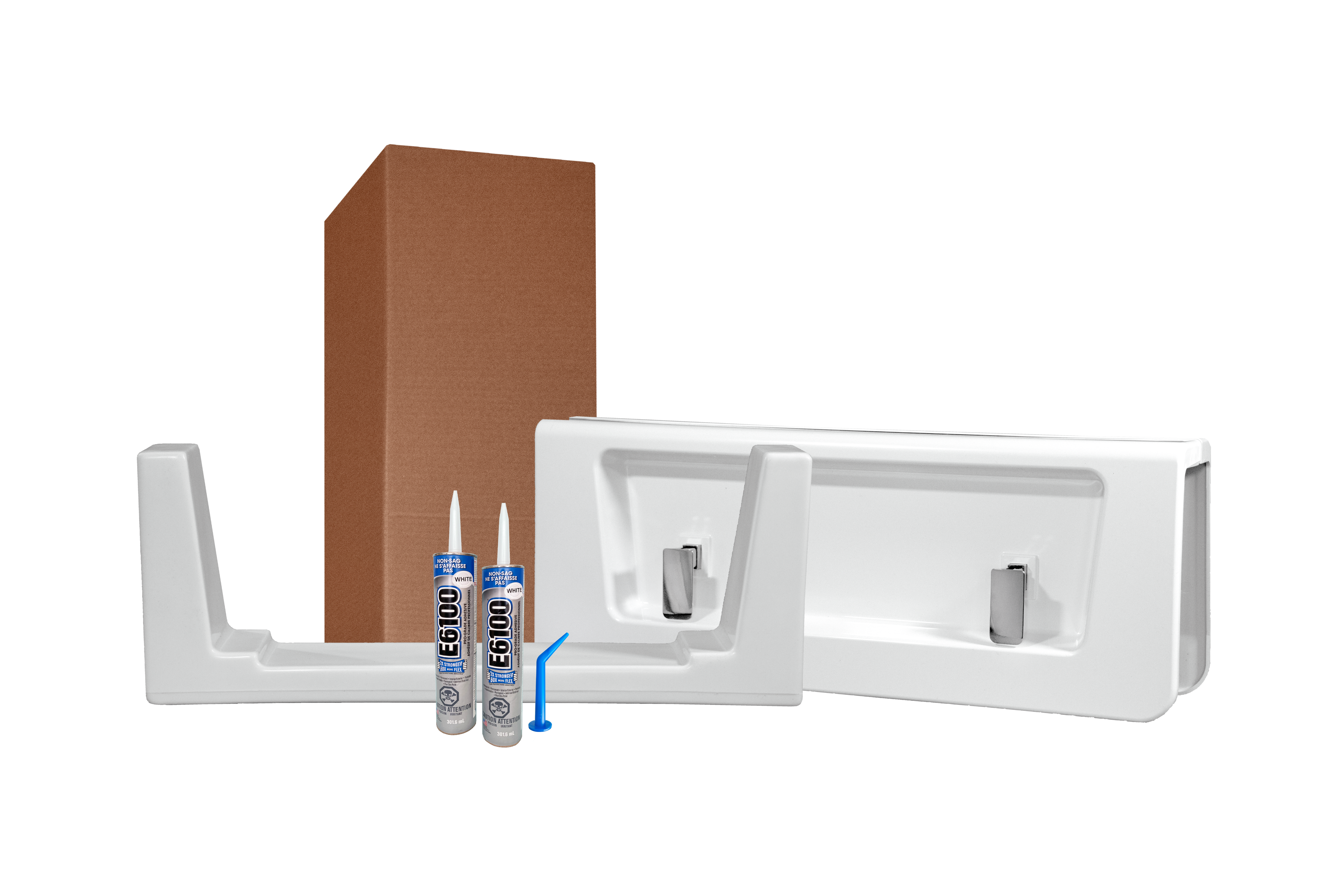
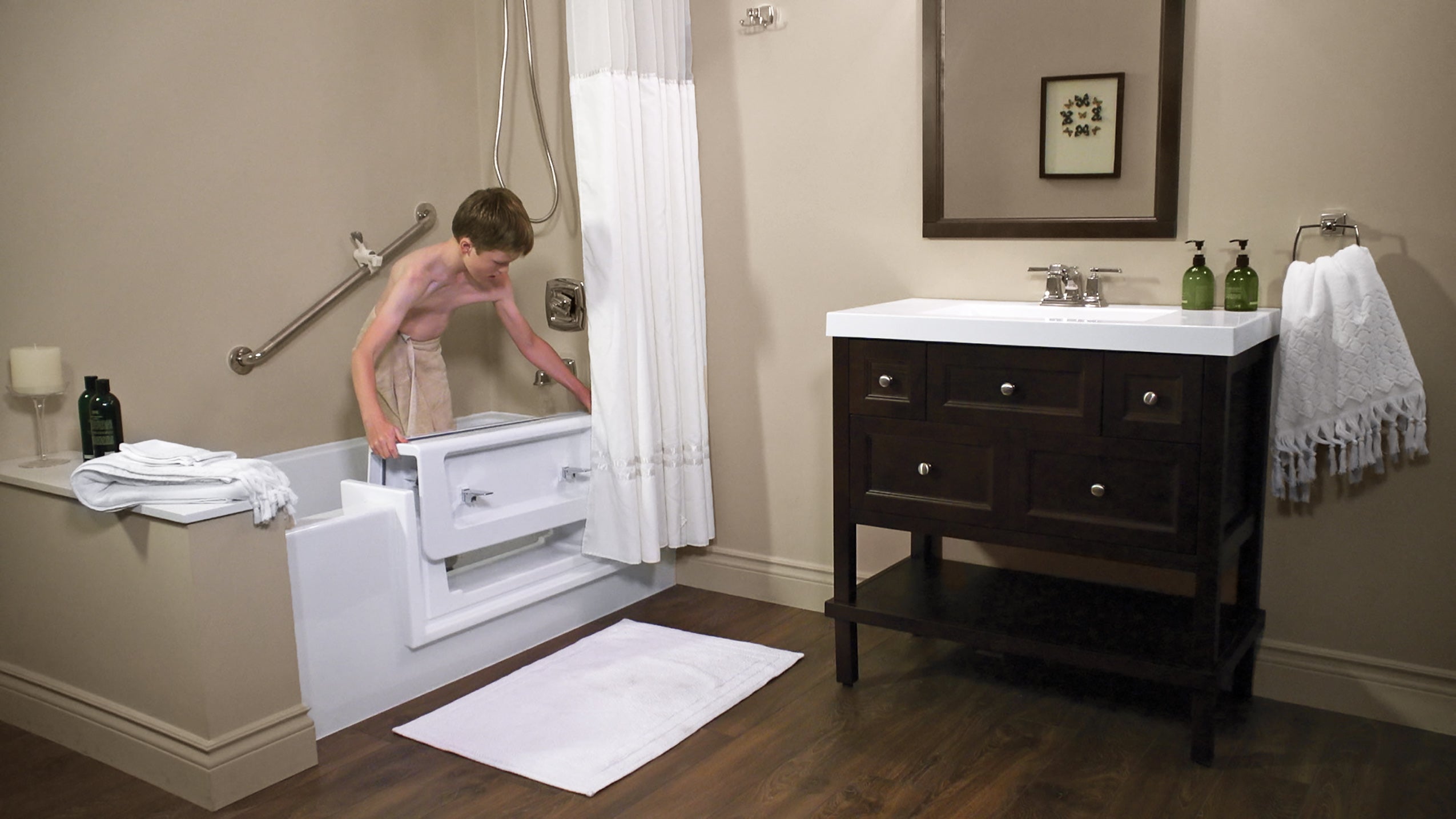
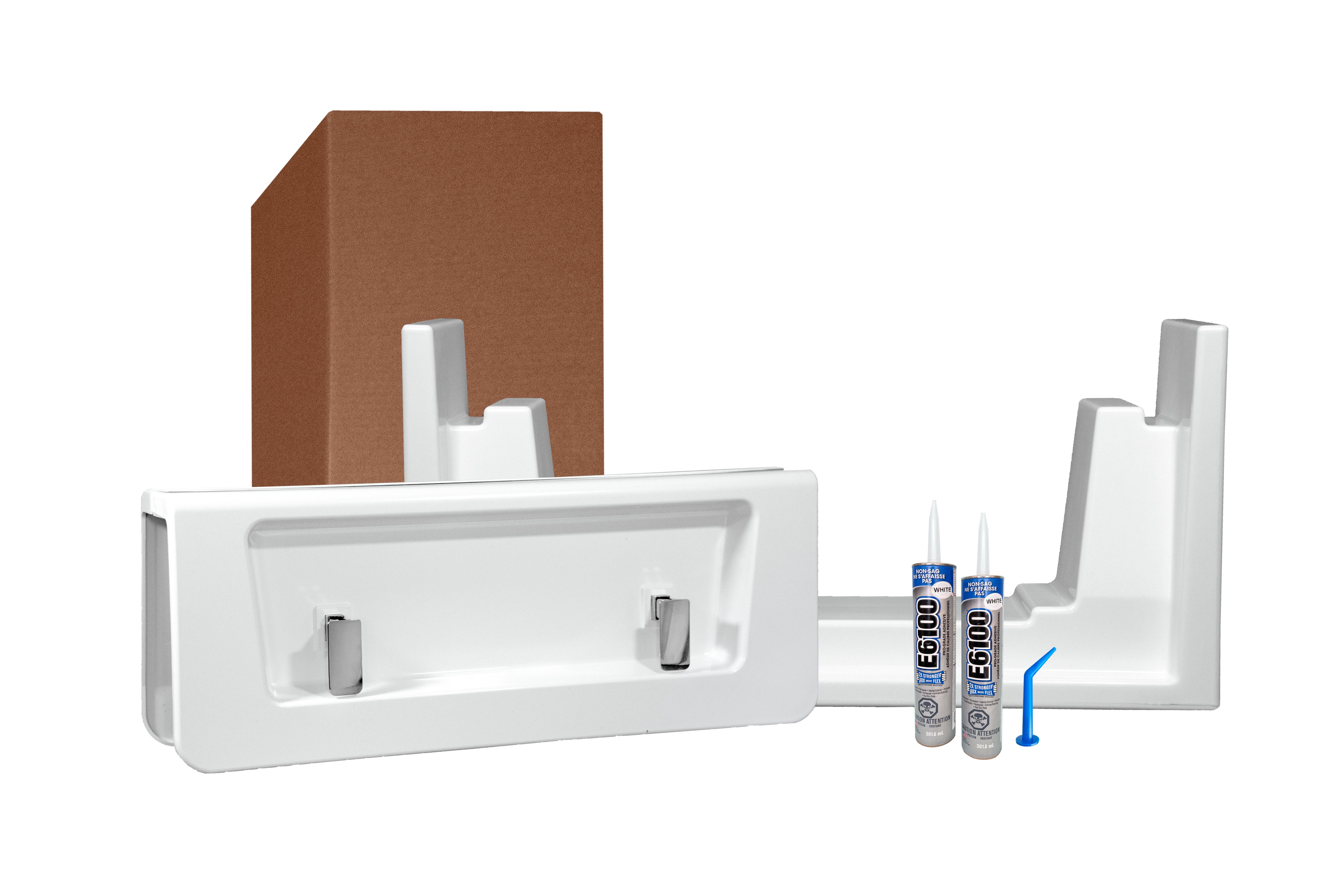
Modern bathroom accessibility solutions go beyond basic safety features. From curbless showers and easy-to-reach fixtures to smart layouts that maximize space, there are options that blend function and design seamlessly. One example is Quick Tub’s tub-to-shower conversion kits, which transform an existing bathtub into a walk-in shower. This creates a safer bathing experience without requiring a full renovation, so you don’t have to compromise on your bathroom’s look.
By focusing on both style and accessibility, you can turn your bathroom into a space that’s welcoming, practical and tailored to your needs. In this guide, we’ll walk through everything you need to plan, design and adapt a bathroom that works for all abilities while keeping your personal style intact.
Why Investing in an Accessible Bathroom Makes Sense
Investing in an accessible bathroom creates a space that makes daily life easier and more comfortable for everyone. A well-planned handicap bathroom can help family members move confidently and independently, reduce the risk of slips or falls, and support aging in place. Safety doesn’t have to come at the expense of style, and thoughtful design can make a bathroom both practical and inviting.
Accessible bathroom remodels aren’t only about current needs; they also provide long-term benefits. Designing with universal principles in mind means the space works for people of all abilities, from kids to grandparents. Features like wider doorways, roll-in showers and easy-to-reach fixtures make the room functional for everyone, creating a bathroom that adapts as needs change over time.
Beyond daily comfort, investing in accessibility can also add value to a home. A stylish, functional handicap bathroom shows care and foresight, and it can increase resale appeal while potentially reducing the need for costly renovations later. This combination of safety, usability and long-term value makes accessible bathroom remodeling a smart choice for any home.
Planning Your Accessible Bathroom: A Step-by-Step Guide
Designing an accessible bathroom starts with understanding the people who will use it, planning a safe layout and choosing fixtures that are both practical and stylish. Taking the time to think through each detail makes the space easier to use every day and ensures the bathroom will work well for years to come.
The first step is assessing user needs. Consider any mobility aids, like a wheelchair, walker or cane, and think about visual, sensory or cognitive requirements. It’s also important to plan for the future. So, think about features that help with aging in place that can make a handicap bathroom safer and more comfortable long-term.
Next, focus on layout principles. A clear-turning radius of about 60 inches allows a bathroom wheelchair accessible design to function smoothly. Make sure there’s enough floor space in front of sinks, toilets and showers for easy access and maneuvering. Following these principles makes daily routines safer and more comfortable.
Reviewing guidelines can also help. While ADA requirements aren’t mandatory for private homes, they offer an excellent reference point for accessible design. Using ADA standards as a guide can simplify planning and ensure the space meets important safety and usability criteria.
Finally, set a budget that fits your needs. Bathroom accessibility solutions can range from minor upgrades, like grab bars and lever handles, to a full accessible bathroom remodel. Thinking through costs upfront helps prioritize changes that have the biggest impact on safety, comfort and style.
Core Components of a Stylish and Accessible Bathroom
Foundation: Doorways, Floors and Space
A solid foundation makes all the difference in a handicap bathroom. Start with your doorways; 36 inches is the minimum, but adding pocket doors or swing-clear hinges can create extra room and smoother access. Flooring is another key piece. Non-slip materials like textured porcelain or luxury vinyl keep the space safe while still looking stylish. Finally, think about the layout. Clear pathways and enough turning space make a bathroom wheelchair accessible and keep daily routines simple and comfortable. These small planning steps are the backbone of any accessible bathroom addition.
Bathing Solutions: Showers & Tubs
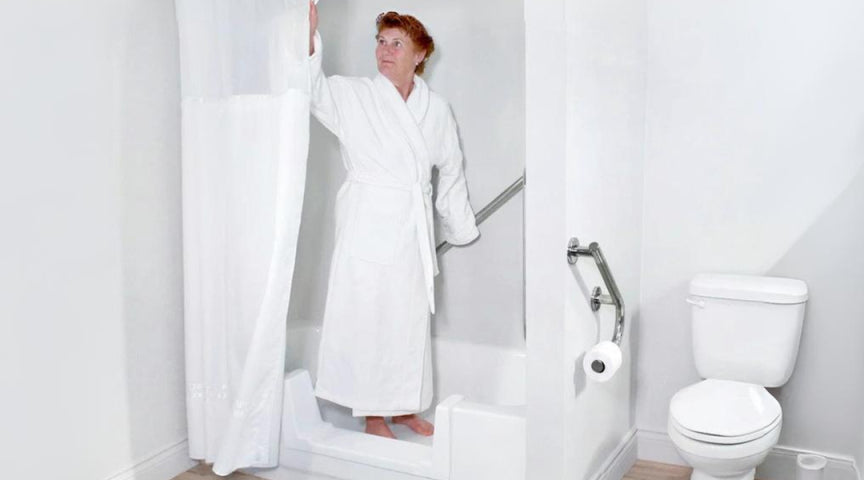
Bathrooms for handicapped users need bathing options that combine safety and style. For those who prefer a tub, Quick Tub walk-in conversions make stepping in and out safer while keeping the space visually appealing. Placing grab bars in the right spots ensures extra support, and using a continuous tile pattern from floor to shower creates a seamless, spa-like feel. These updates make accessible bathrooms for the disabled both practical and inviting.
Vanities, Sinks and Toilets
Accessible bathrooms don’t have to compromise on style at the sink or toilet. Wall-mounted or console-style sinks allow roll-under access, and single-lever or touchless faucets make daily use easier. Comfort-height, ADA-compliant toilets provide support, and bidet attachments can help those with limited mobility. Mirrors and storage also matter as tilted or full-length mirrors improve visibility from a seated position, while pull-out drawers or open shelving keep essentials within reach. Thoughtful choices like these turn handicapped bathrooms into spaces that are both functional and elegant.
Support & Lighting
Support and lighting often go unnoticed, but they have a huge impact on safety and comfort. Grab bars can look like part of the design, doubling as towel racks, shelves or decorative accents. Lighting should be layered and anti-glare, with options like motion sensors for nighttime safety and dimmers to accommodate sensory needs. Good lighting and supportive fixtures make a bathroom easier to use for everyone while keeping the design polished. These finishing touches bring bathroom accessibility solutions to life without sacrificing style.
Adapting Your Current Space vs. Full Remodel
Not every bathroom needs a full renovation to become safe and accessible. Simple, budget-friendly upgrades can make a big difference. Swapping standard handles for lever-style ones, adding a raised toilet seat or installing suction-cup grab bars can improve safety and comfort without a major remodel. These changes are easy to implement and offer immediate support for daily routines.
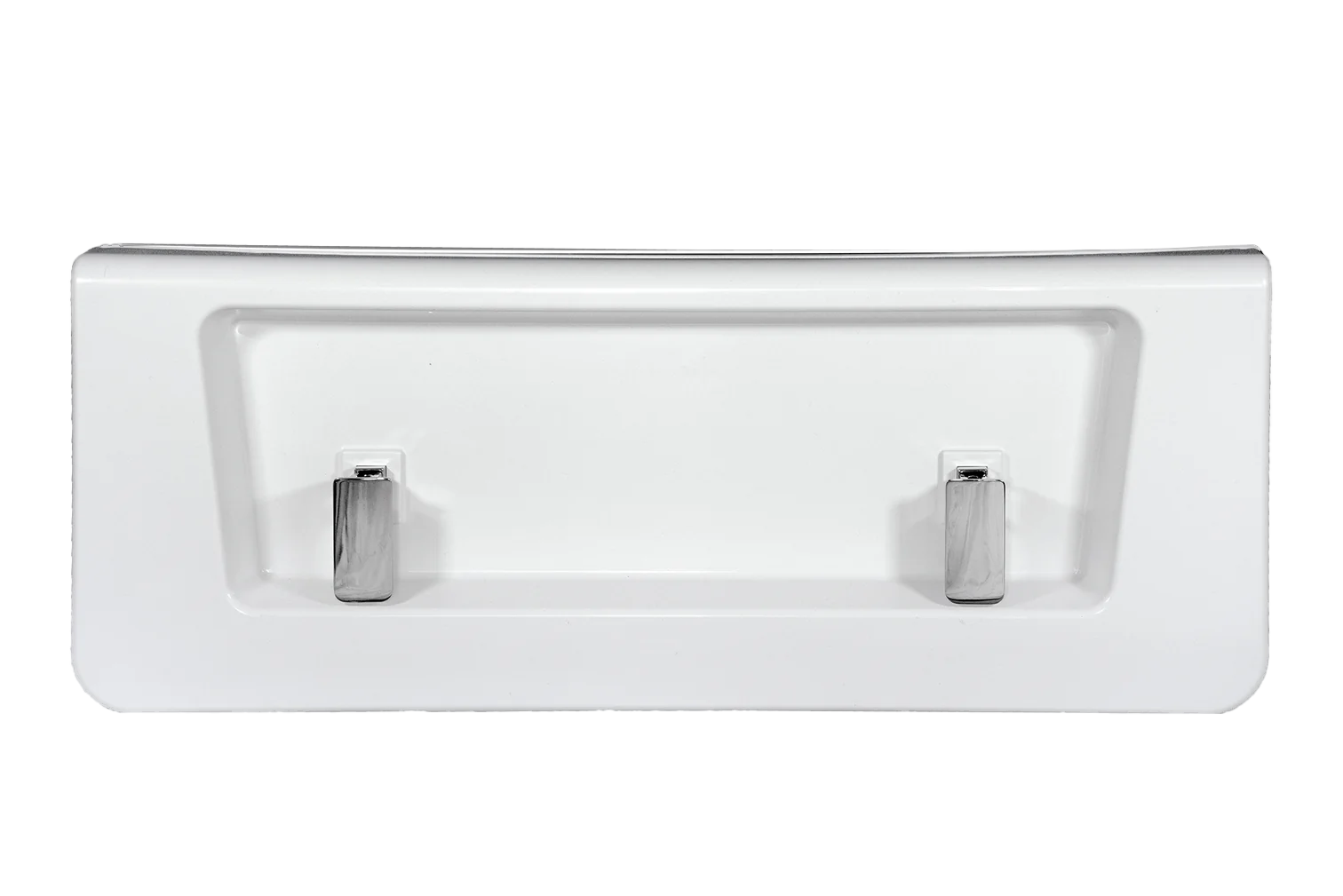
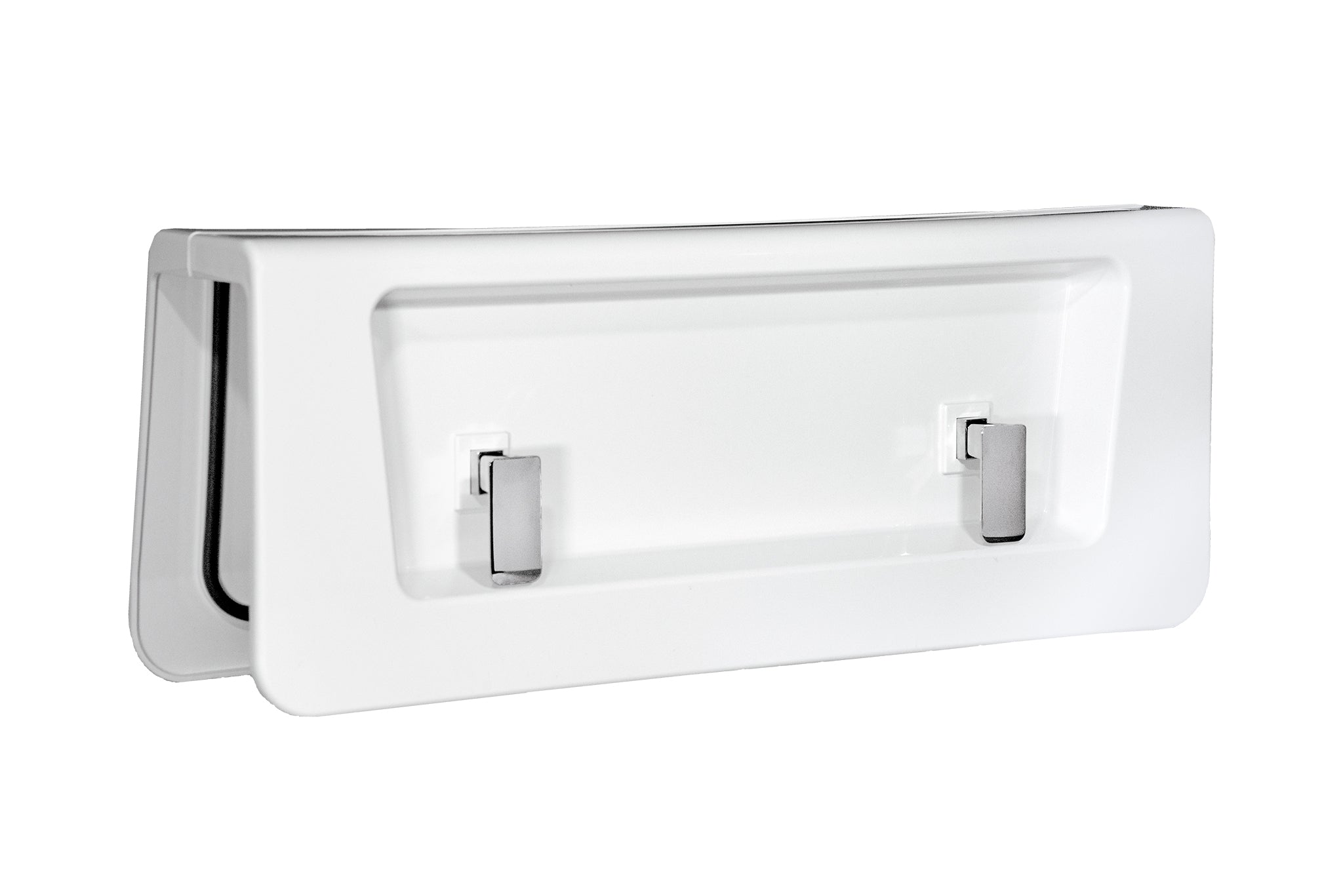
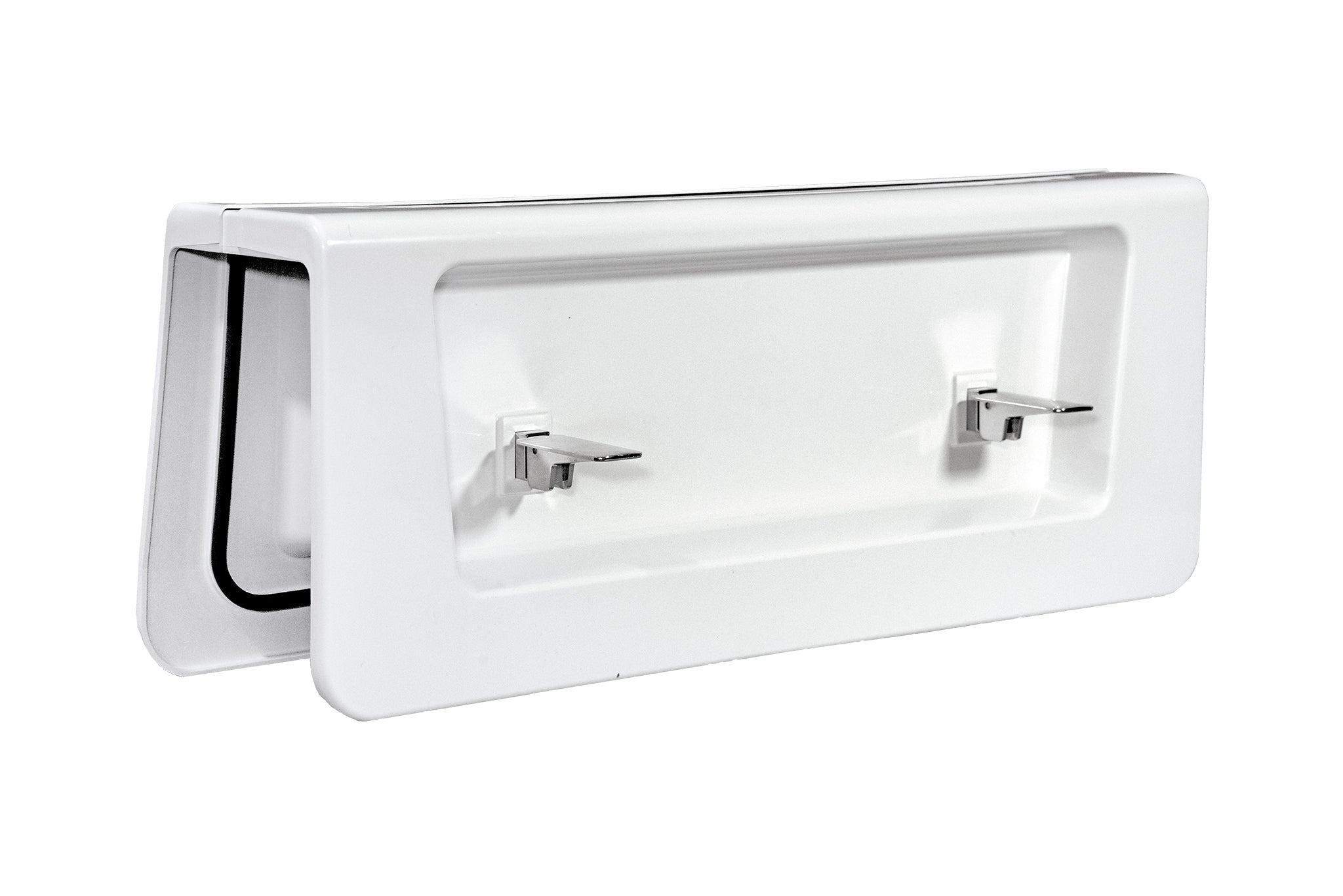
For a bigger transformation without tearing out the entire bathroom, Quick Tub solutions are a practical option. Their tub-to-shower conversion kits turn existing bathtubs into walk-in showers, providing a safer bathing experience while keeping the bathroom stylish. This approach allows homeowners to achieve a handicap bathroom remodel that meets accessibility needs without the cost and disruption of a full renovation.
Other adaptive equipment can also enhance safety and convenience. Bathtub lifts, foldable shower seats and other supportive features create a space that works for all abilities. By combining small updates with smart solutions like Quick Tub, it’s possible to improve accessibility, comfort and functionality in a bathroom without losing style or breaking the budget.
Integrating Smart Technology in Accessible Bathrooms
Technology can make an accessible bathroom safer, easier to use and more comfortable. Smart faucets that respond to voice commands or sensors take the guesswork out of controlling water temperature and flow. Motion-sensor or automated lighting keeps the space well-lit without needing to reach for switches, and dimmers can adjust light levels to reduce glare or support sensory needs.
Smart toilets and bidets add another level of convenience and independence. Features like heated seats, automatic lids and remote controls make daily routines simpler for people with limited mobility. Emergency systems, such as voice-activated call buttons or fall-detection sensors, provide added peace of mind, ensuring help is always within reach when it’s needed most.
By combining these tools, accessible bathroom renovations can deliver more than safety; they can create a modern, comfortable space that works for everyone. Integrating technology shows that bathroom accessibility solutions don’t have to feel clinical; they can enhance style, convenience and independence while keeping the focus on usability and comfort.
An accessible bathroom can be both safe and stylish. Thoughtful design and the right fixtures let function and aesthetics coexist, supporting independence without sacrificing personal style.
Solutions exist for every budget, from simple upgrades like lever handles and raised toilets to Quick Tub conversions or a full accessible bathroom remodel.
Contact Quick Tub to explore options and create a handicap accessible bathroom that is safe, comfortable and beautiful.
Frequently Asked Questions
What is an accessible restroom?
An accessible restroom is designed to meet the needs of people with mobility, sensory or physical challenges.
How do you make a bathroom accessible?
Making a home bathroom accessible starts with understanding the user’s needs. From there, following layout principles like clear floor space and proper turning radius ensures safety and maneuverability. Adding adaptive equipment, such as grab bars, raised toilets or fold-down shower seats, makes daily routines easier. For a bigger change, Quick Tub conversions can transform a standard bathtub into a walk-in shower, combining safety and style without a full renovation.
How much does it cost to build an accessible bathroom?
Costs vary depending on the scope of the project. Minor adaptations like grab bars, lever handles or raised toilet seats typically range from $500–$3,000. For more robust options, the cost can go up significantly and vary by region.
Can you turn a regular tub into a walk-in tub?
Yes, Quick Tub offers a tub conversion kit that safely transforms an existing bathtub into a walk-in shower. This solution is cost-effective, stylish and provides the support and ease of use that make a bathroom accessible for people with limited mobility.

Share:
Bathroom Safety for Seniors Checklist
What to Know Before You Change a Tub to a Shower