

Making the decision to upgrade your bathroom can feel overwhelming, especially when it involves replacing a feature as foundational as your bathtub. Yet for many homeowners, a tub to shower conversion is one of the most practical, lifestyle-enhancing bathroom upgrades available today.
From improving accessibility and safety to modernizing your space and reducing maintenance, converting a tub into a shower is increasingly seen as a smart, forward-thinking move. Whether you’re planning ahead for aging in place, updating a dated bathroom or simply tired of stepping over a high tub wall every morning, this guide will walk you through everything you need to know.
In this article, we’ll explore costs, conversion methods, pros and cons, DIY vs. professional installation and what to expect during the process. We’ll also highlight innovative, homeowner-friendly solutions like those offered by Quick Tub®.
Why Consider a Tub to Shower Conversion?
The popularity of a tub to shower conversion in the bathroom has grown steadily over the past decade. And for good reason. Modern lifestyles prioritize convenience, accessibility and efficient use of space, and showers simply align better with how most people use their bathrooms today. Here are the most common reasons homeowners decide to change a tub to a shower:
Improved accessibility and safety
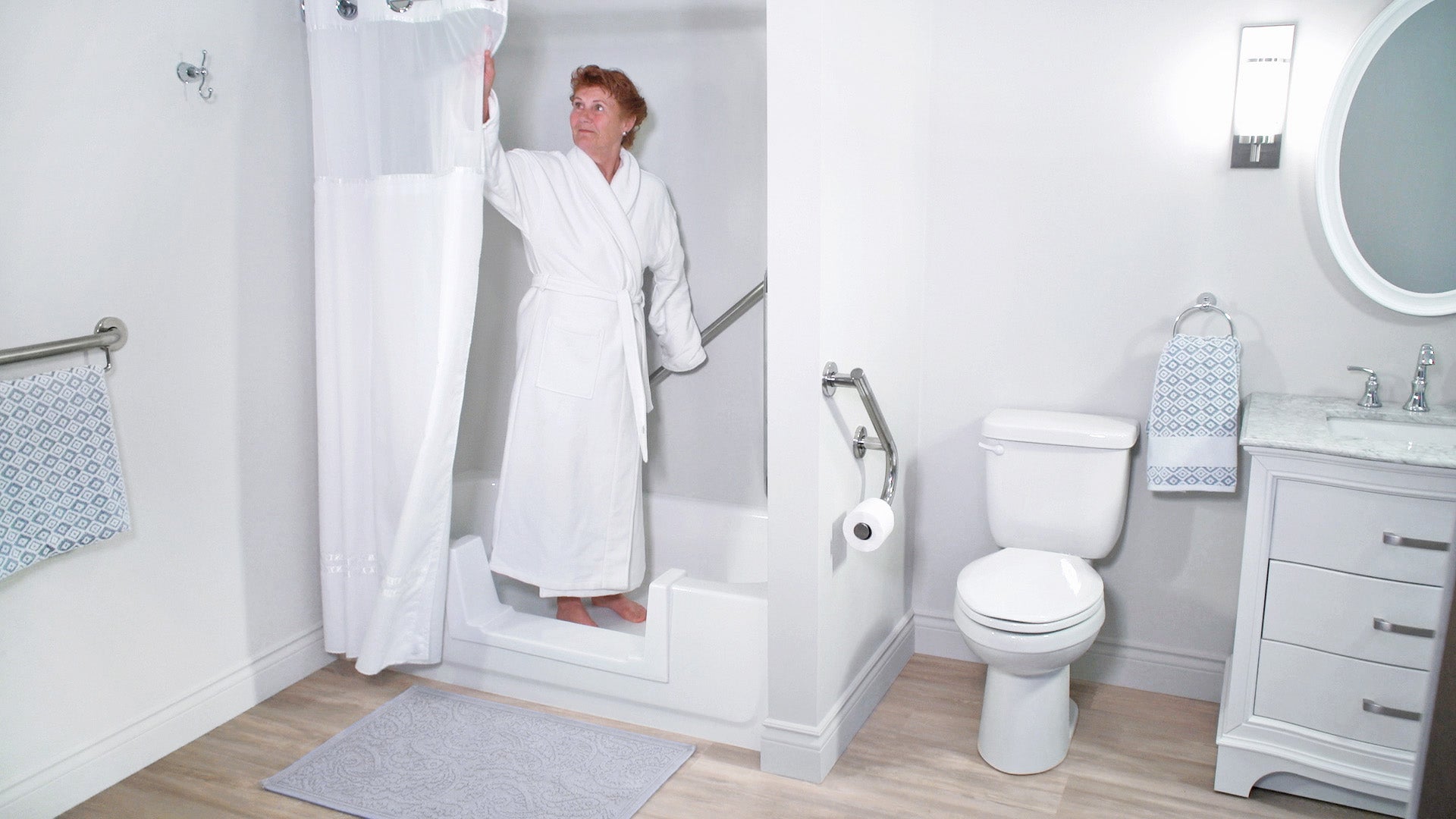
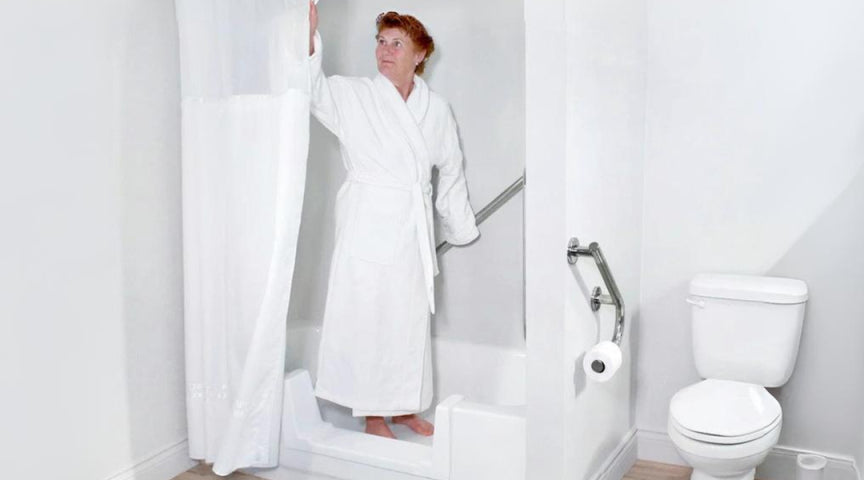
Stepping over a high tub wall can be difficult, or even dangerous, for older adults, people with mobility concerns or anyone recovering from injury. Walk-in showers reduce fall risk and make daily routines safer and more comfortable.
A more modern, open look
Replacing a bulky tub with a streamlined shower can instantly update the feel of a bathroom. Many homeowners find that a bathtub to shower conversion makes their space look larger, brighter and more contemporary.
Easier cleaning and maintenance
Tubs often collect grime around the rim and corners. Showers, especially those with smooth wall panels or inserts, are typically easier to clean and maintain.
Lifestyle fit
If you rarely take baths, that tub may be taking up valuable space without adding much value to your daily routine.
How Much Does a Tub-to-Shower Conversion Cost?
The average cost of a tub to shower conversion typically ranges from $3,000 to $7,500, depending on materials, labor and plumbing complexity. Simple DIY or prefab options can start around $1,000, while high-end custom shower remodels may exceed $10,000.
Full tub-to-shower conversion costs typically increase due to:
- Demolition and removal of the existing bathtub
- New shower bases, walls and waterproofing systems
- Plumbing modifications and inspections
- Glass doors, tile finishes and extended labor time
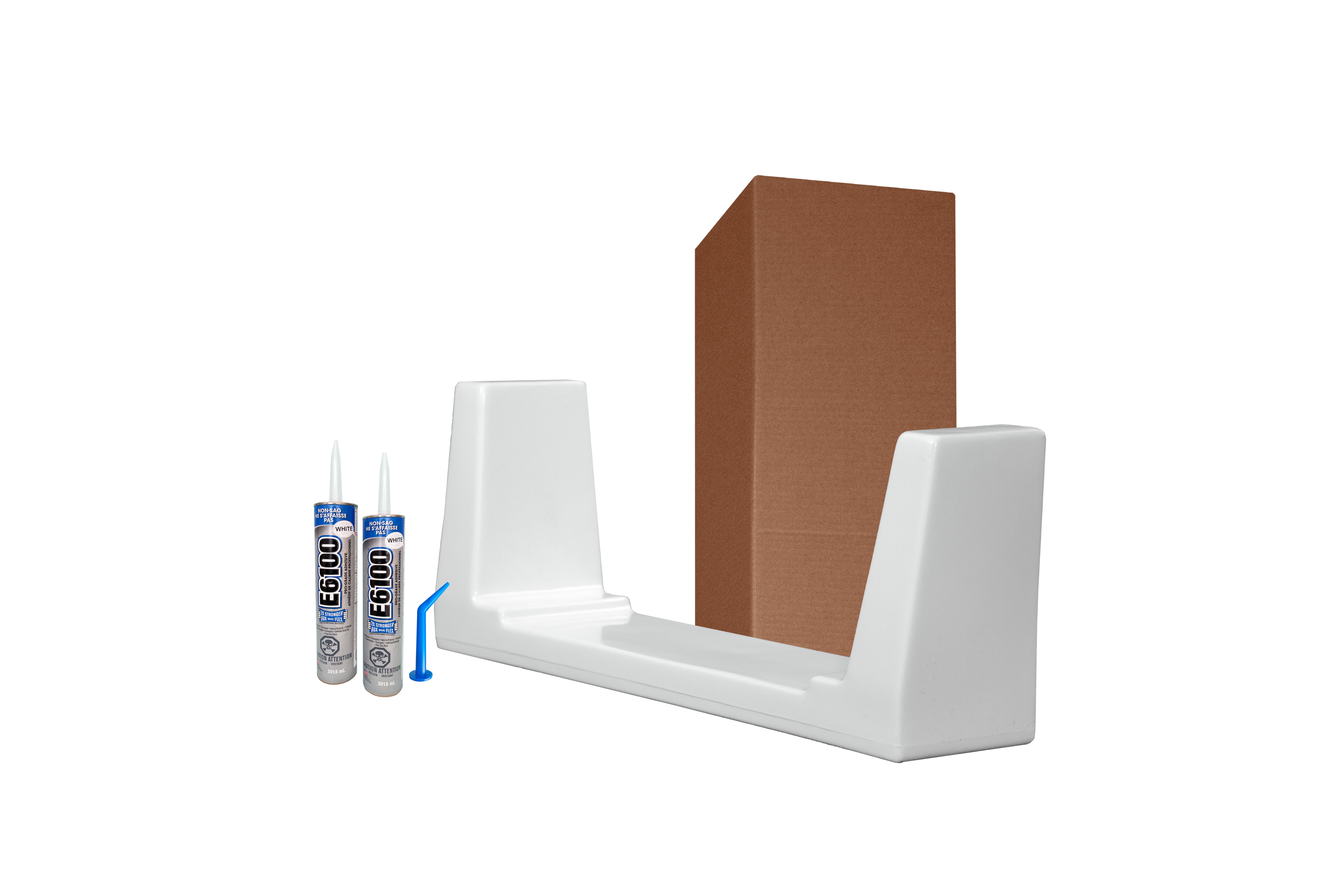
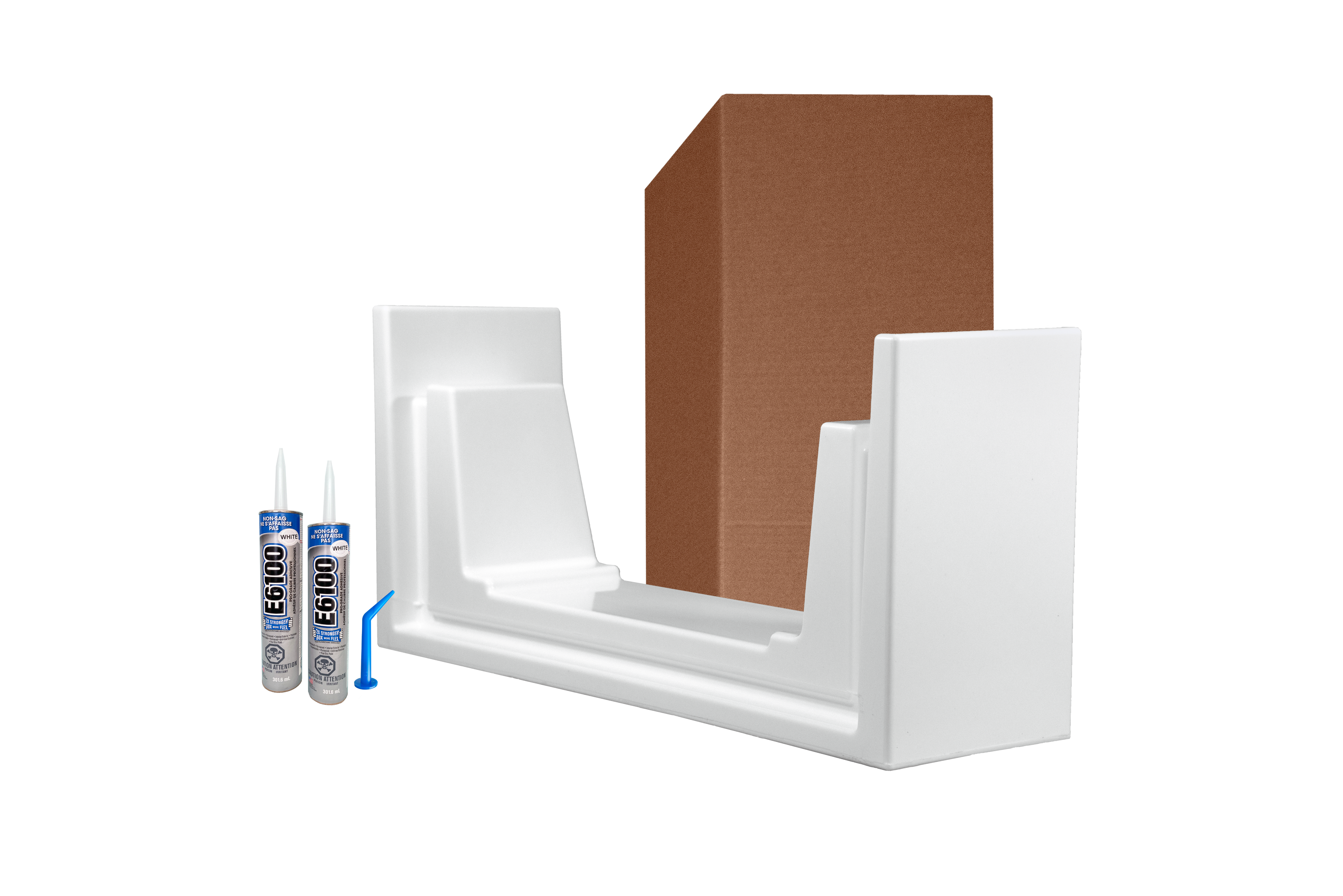
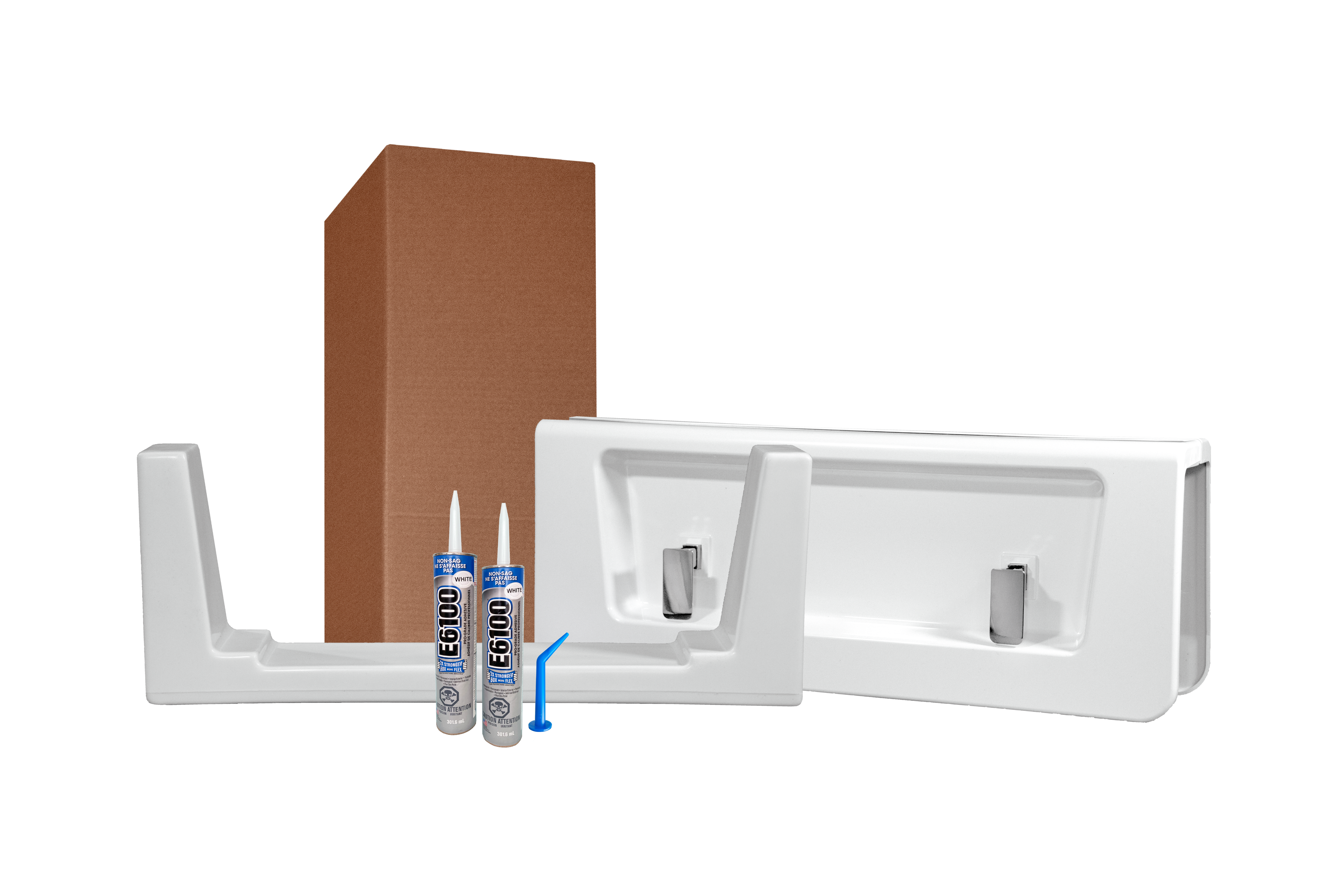
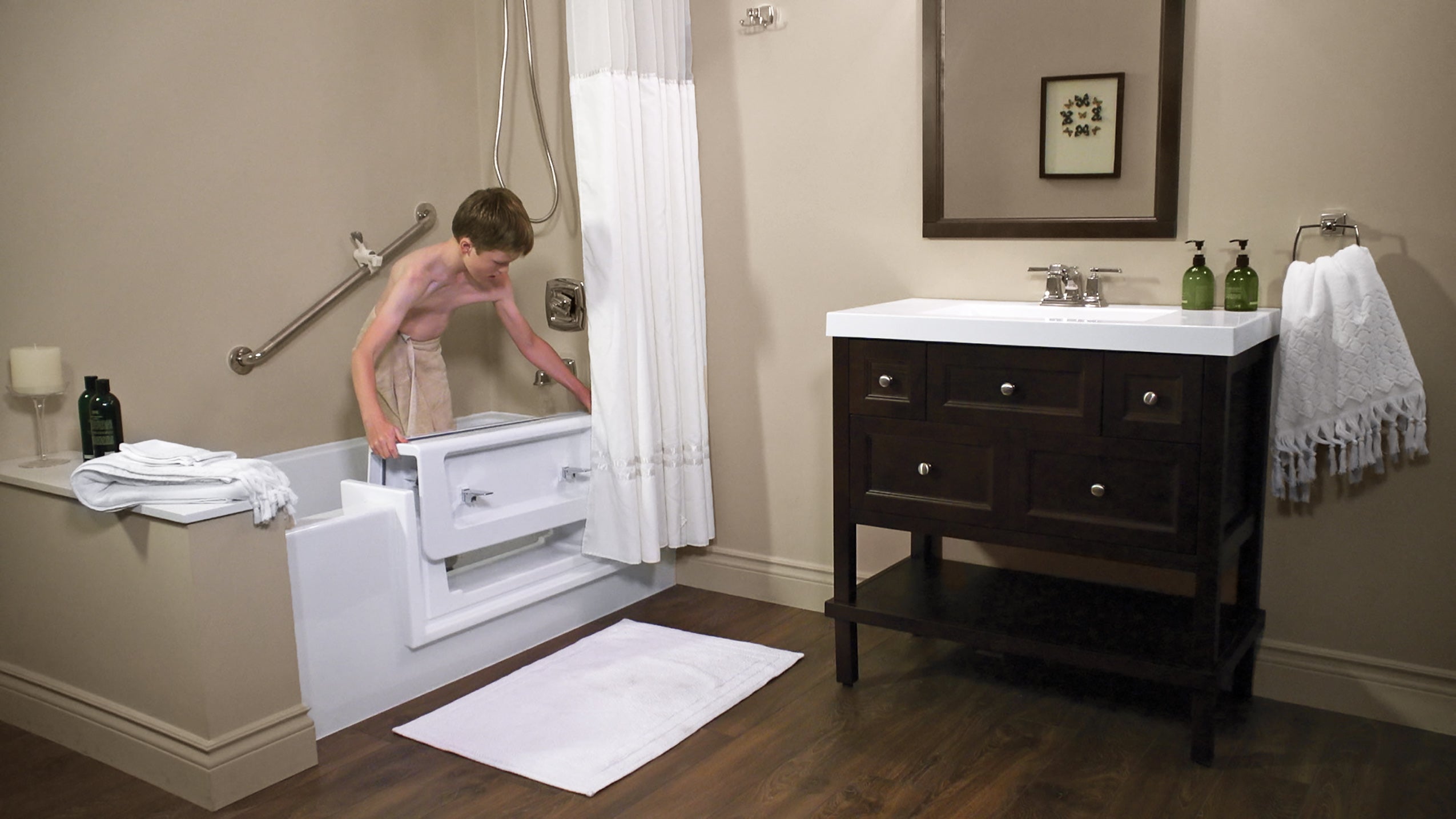
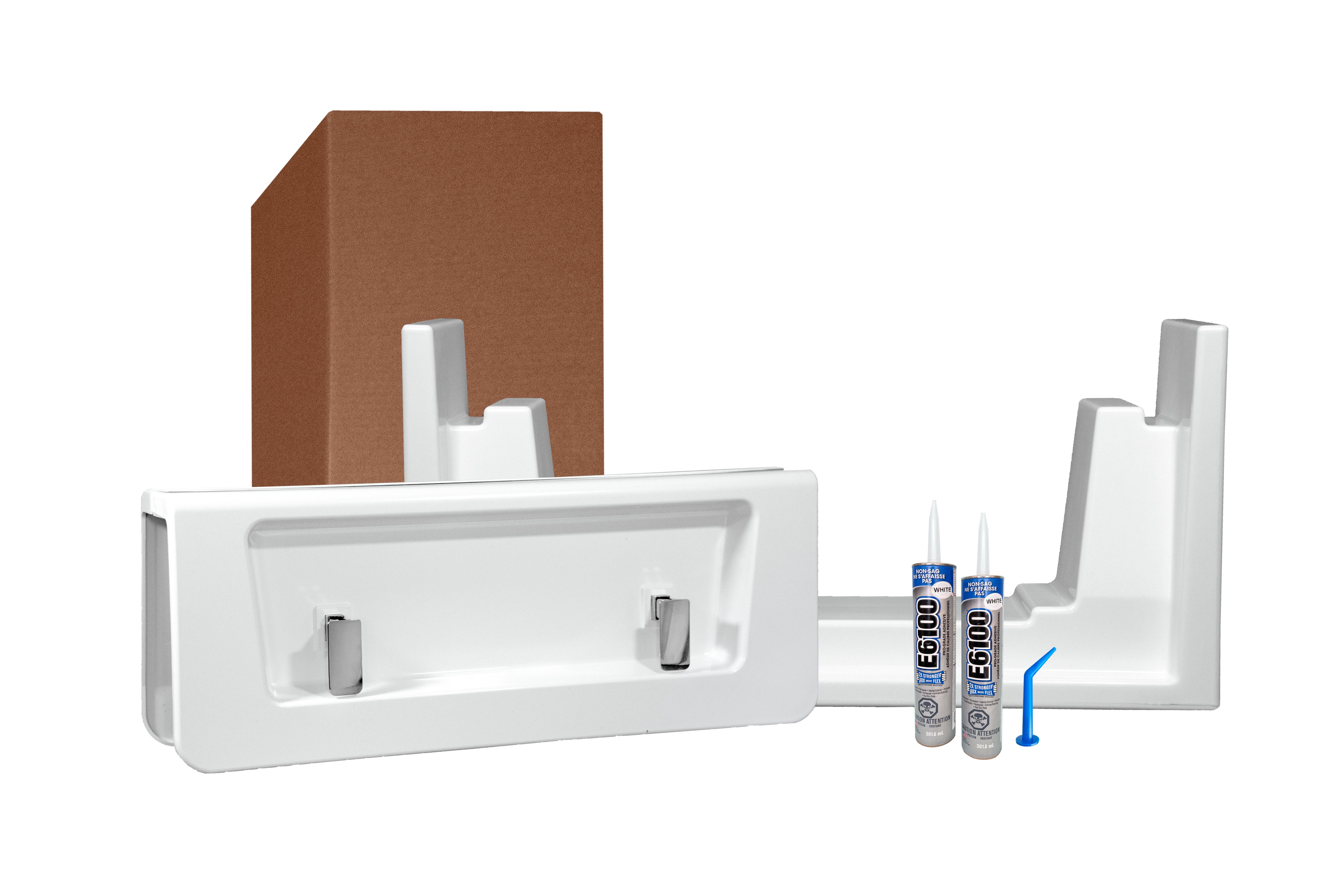
For homeowners looking to avoid the high cost, demolition and downtime of a full remodel, a kit to convert your tub to a shower from Quick Tub® offers a practical and budget-friendly solution. Instead of removing the existing bathtub, Quick Tub® systems work with your current tub, transforming it into a safer, walk-in shower setup.
Quick Tub® vs. Full Tub-to-Shower Conversion: Cost Breakdown
Unlike a traditional conversion, Quick Tub® systems work with your existing bathtub. There is no tub removal, no plumbing relocation and no new waterproofing system required, which significantly reduces both cost and installation time.
|
Component |
Estimated Cost |
Notes |
|
Quick Tub® Full Bathtub Conversion Kit (Insert + Cap) |
$545 - $600 (free shipping) |
Bundled system that includes both the walk-thru insert and cap |
|
$360 - $415 (free shipping) |
Core product; installs into existing tub |
|
|
Quick Tub® Cap (optional) |
$415 |
Allows reversible use for bathing (not needed when using the full conversion kit) |
|
Professional Installation |
$900 -1,500 |
Cost can vary by region |
|
Waterproofing Systems |
$0 |
Existing tub waterproofing remains intact |
|
Plumbing Modifications |
$0 |
Not required with Quick Tub® systems |
|
Additional Safety Accessories |
$30 - $200 |
Grab bars or accessories purchased separately |
Optional accessories such as grab bars are not included in the Quick Tub® kit and may be added based on individual safety needs.
Even with installation and optional upgrades, many homeowners find that a Quick Tub® solution costs thousands less than a traditional bathroom tub to shower conversion, while still delivering improved accessibility, safety and everyday convenience.
Because Quick Tub® systems are designed for fast installation (completed in just 2 to 4 hours), they also reduce labor costs and minimize disruption to your home. This makes them an appealing option for both budget-conscious homeowners and those seeking a quick, efficient upgrade.
Is It a Good Idea to Change a Tub to a Shower?
Before committing to a bath to shower conversion, it’s important to weigh both sides and take a closer look at the pros and cons of changing a tub to a shower.
Advantages
- Accessibility: Walk-in showers reduce barriers and improve safety.
- Modern appeal: A shower-only layout aligns with current design trends.
- Efficient use of space: Showers often make bathrooms feel larger.
- Potential water savings: Showers typically use less water than baths.
Disadvantages
- Resale considerations: Removing the only bathtub in a home may deter families with young children. It may create an opportunity for someone to offer a lower offer price as they will need to “renovate” and add a tub.
- Upfront investment: Even budget-friendly conversions require planning and expense.
- Unexpected issues: Older homes may hide plumbing or subfloor problems that increase costs.
A well-planned bath to shower conversion can be a great idea, but it should align with your long-term living needs and market expectations.
Exploring Your Options: Types of Bathtub to Shower Conversions
There’s no one-size-fits-all approach when it comes to turning your tub into a shower. Here are the most common methods homeowners consider.
-
Prefabricated shower kits
Prefab kits include a shower base and wall panels made from acrylic or fiberglass. They’re cost-effective, quicker to install and easier to maintain than tile.
Some modern systems are designed to fit directly over existing tubs, reducing demolition. Solutions like Quick Tub® conversion products also fall into this category, offering DIY-friendly alternatives that reuse the existing tub footprint.
-
Custom tiled showers
Custom showers offer full design flexibility but require waterproofing membranes, backer boards, tile installation and more labor. They’re visually stunning, but also the most expensive and time-consuming option.
-
Walk-in showers
A walk-in shower refers to low- or no-threshold entry. This can be achieved with either prefab systems or custom builds and is especially beneficial for accessibility-focused renovations.
The Conversion Process: A Step-by-Step Overview
Understanding the process helps you plan realistically, whether you DIY or hire a professional. Knowing what happens at each stage also makes it easier to budget accurately, anticipate timelines and avoid unexpected delays. Especially in older homes where plumbing or subfloor issues may be uncovered.
- Planning and design: Choose your shower type, layout, wall material and fixtures.
- Demolition: Traditional conversions require removing the tub and surrounding walls. Some systems, like tub insert conversions, minimize this step.
- Plumbing modifications: The drain location may need adjustment. The tub spout is removed and a shower-only valve or capped diverter is installed.
- Installation: The shower base or insert is installed, followed by wall panels or tile.
- Fixtures and glass: Showerheads, controls and doors or curtains are added.
- Finishing touches: Sealing, cleanup and final inspections complete the project.
Ready to Make the Switch?
A tub to shower conversion can be a smart upgrade when planned carefully. Costs, resale considerations and installation methods all matter, but so does choosing a solution that fits your lifestyle and skill level.
Whether you explore traditional remodels or innovative systems like the Quick Tub® Walk-Thru Insert Kit or the Quick Tub® Full Bathtub Conversion Kit, the key is understanding your options before you begin.
With the right planning, converting your tub to a shower can improve comfort, safety and daily convenience, turning your bathroom into a space that truly works for you.
FAQs - Frequently Asked Questions
Is it a good idea to convert a tub to a shower?
Yes, for many homeowners, a tub to shower conversion is a practical upgrade that improves accessibility, safety and everyday convenience. Walk-in showers are easier to use, easier to clean and better suited to modern lifestyles.
What is the average cost to do a tub to shower conversion?
The cost of a full kit to convert a bathtub to a shower typically ranges from $3,000 to $7,500, depending on the materials used, the amount of plumbing work required and whether the project is DIY or professionally installed. Planning ahead and understanding your conversion method helps prevent unexpected expenses.
For homeowners seeking a more affordable alternative, Quick Tub® solutions are available for significantly less. For DIY’s a Quick Tub® Walk-Thru Insert typically costs $360 - $415 (with free shipping), with optional additions like the Quick Tub® Cap for just $415. If getting a Quick Tub® solution professionally installed you can expect an additional cost of $900 - $1600 depending on where you live.
How long does a bathtub conversion to shower take?
A traditional bathtub to shower conversion can take anywhere from 1 to 10 days, depending on whether the project uses a prefabricated kit or a fully custom tiled shower. However, Quick Tub® solutions are designed for speed and minimal disruption, with most installations completed in just 2 to 4 hours. Because the existing tub remains in place, there’s no major demolition, making it one of the fastest conversion options available.

Share:
How a Shower Conversion From a Tub Really Works (Start to Finish)
Why Bathrooms Are the #1 Injury Risk Area for Seniors - and What Organizations Can Do to Reduce That Risk