

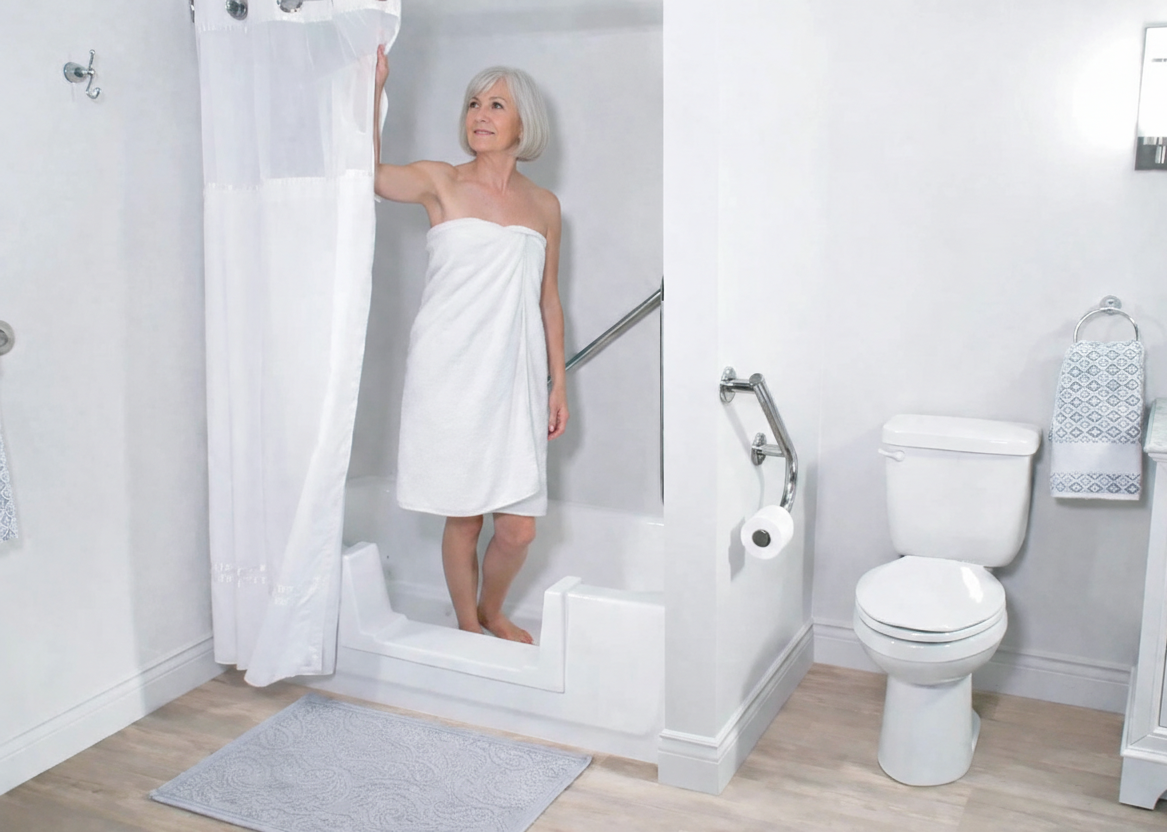
For families, a bathroom fall can be life-changing. For organizations that support older adults, including assisted living facilities, senior housing providers, nonprofits, home-care agencies and aging-in-place programs, bathroom injuries represent something even larger: a systemic safety challenge with medical, financial and ethical consequences.
Bathrooms are consistently identified as the most dangerous room in senior housing environments. According to national public-health data, a significant share of fall-related injuries among older adults occur during bathing, toileting or transferring in and out of tubs and showers. These incidents lead to emergency room visits, hospitalizations, long-term disability, increased care needs and, in many cases, premature loss of independence.
For organizations, improving bathroom safety for elderly populations is not just a design issue. It is a risk-management strategy, a cost-containment measure and a quality-of-care commitment.
Why the Bathroom is a High-Risk Zone for Seniors
Bathrooms combine multiple environmental and physiological risk factors that disproportionately affect older adults:
- Wet surfaces and smooth flooring, which increase slipping hazards
- Confined spaces that make balance and mobility more difficult
- Activities requiring strength and coordination, like stepping over a tub ledge
- Low lighting and obstacles, which can further impair safe movement
For seniors, age-related changes such as reduced mobility, slower reaction time, vision decline and medication side effects significantly increase fall risk. From an organizational perspective, this makes bathrooms, and especially bathtubs, the single most critical area for proactive safety intervention for elderly people.
In regulated housing, care facilities and community-based aging programs, bathroom safety failures often translate directly into higher incident rates, staff burden and regulatory exposure. This is why senior bath safety and general shower safety for elderly individuals are central concerns in regulated care environments and aging-in-place initiatives.
A Practical Checklist: How to Improve Bathroom Safety for the Elderly
Organizations responsible for senior housing or care can immediately reduce risk by implementing standardized safety measures across units and facilities:
- Install professionally mounted grab bars near tubs, showers and toilets
- Use non-slip flooring or adhesive traction surfaces
- Upgrade lighting for consistent, glare-free visibility
-
Provide shower chairs or transfer benches where appropriate
- Wall mounted versions offer superior stability
- Install handheld showerheads for safer bathing
- Replace traditional tubs with low-entry or walk-through solutions
- Replace spring loaded tension mount shower rods with fixed versions
- Ensure emergency call systems are reachable from bathing areas
For organizations, consistency is key. Standardized safety features across multiple units reduce liability, simplify staff training and ensure equitable protection for residents.
Essential Bathroom Modifications for Fall Prevention
Unlike individual homeowners, organizations must consider scalability, durability, installation efficiency and long-term maintenance when upgrading bathrooms to make bathtubs safer for older adults.
Mastering Bathtub and Shower Safety for Elderly Individuals
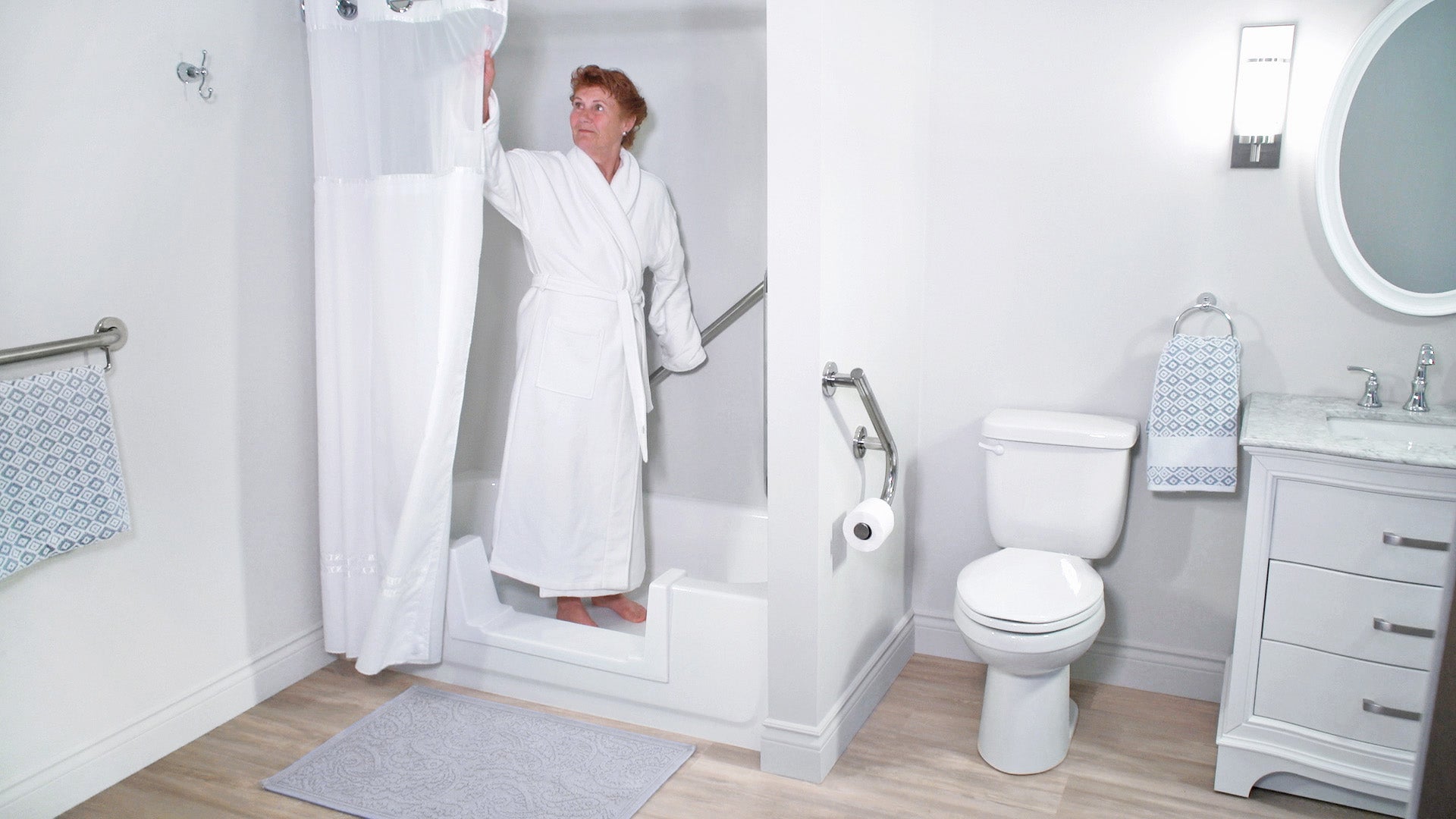
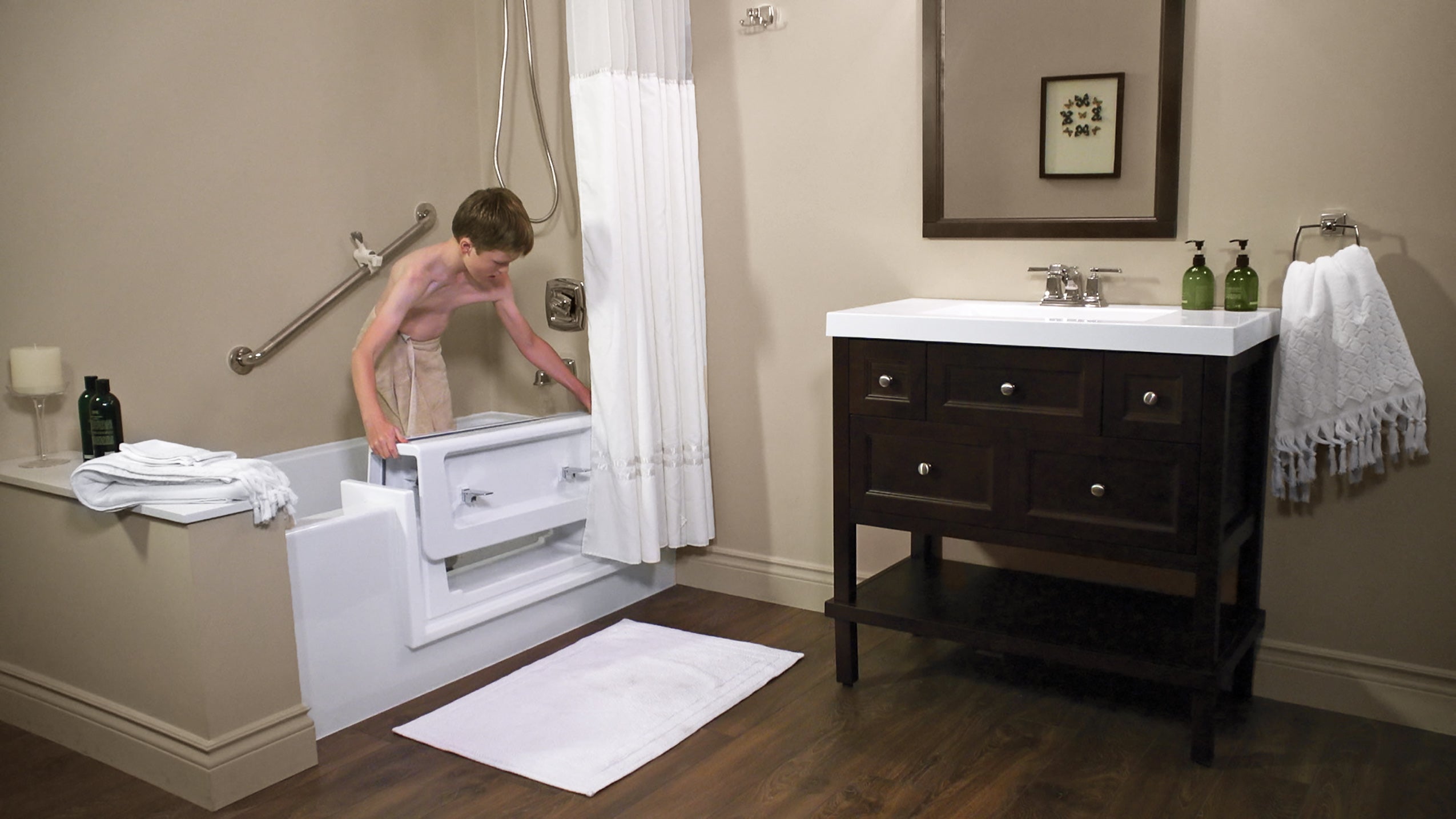
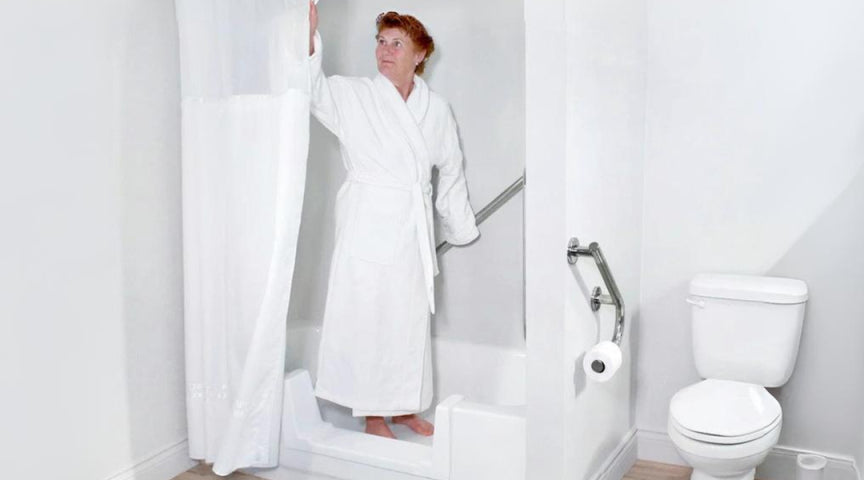
Traditional bathtubs often require stepping over a high edge, one of the most common causes of slips and falls in older adults. That’s where tub cut outs for elderly like those from Quick Tub® come into play.
Traditional tubs are a risk because they usually have:
- Tall walls requiring balance and strength to enter
- Smooth, slippery surfaces underfoot
- No built-in support for balance or stability
For seniors with limited mobility, these factors dramatically increase the likelihood of a fall. For organizations seeking safer tub solutions without the cost, downtime and disruption of full bathroom reconstruction, Quick Tub® offers a practical alternative. Quick Tub® products are particularly well-suited for multi-unit environments, retrofits and safety-driven programs:
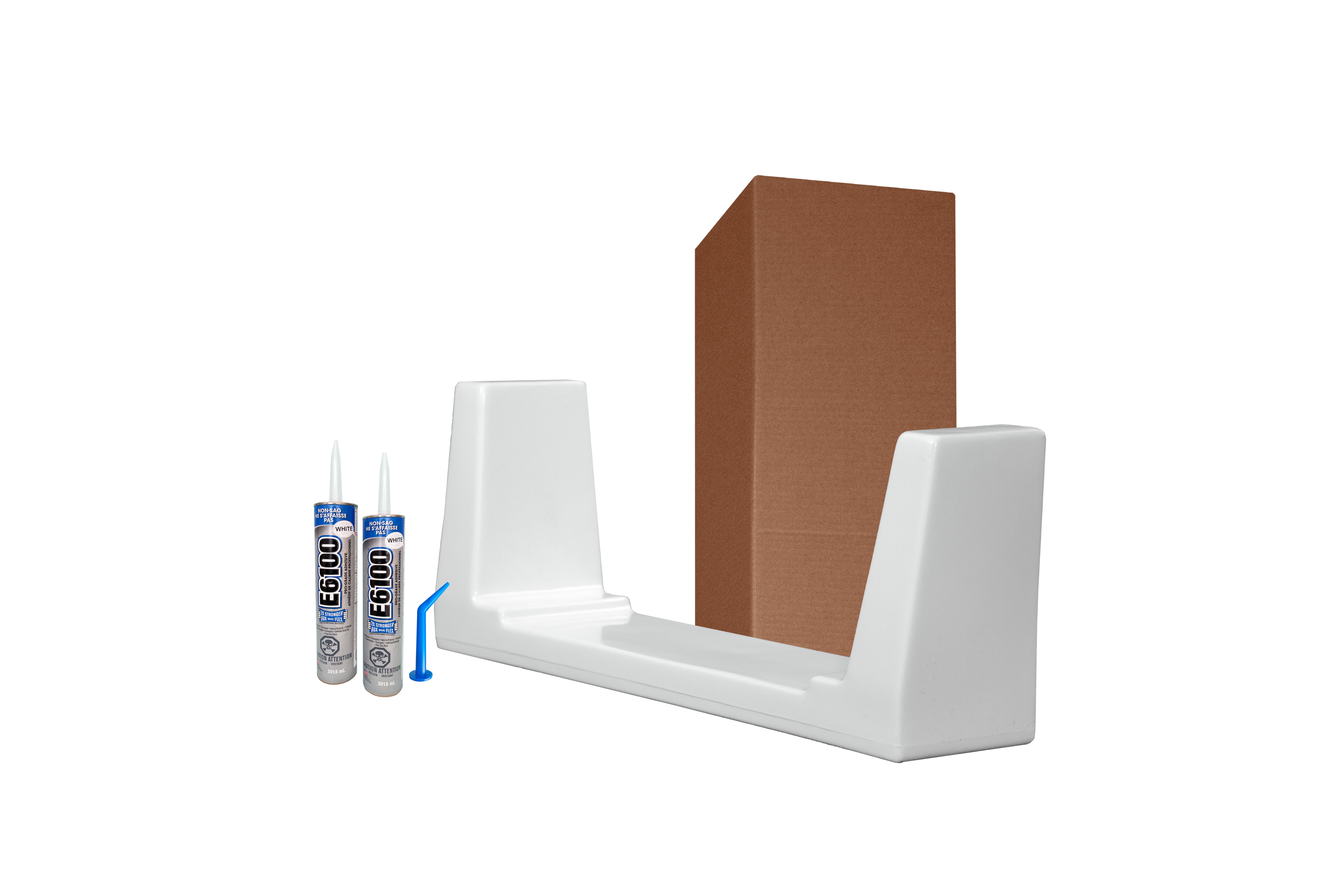
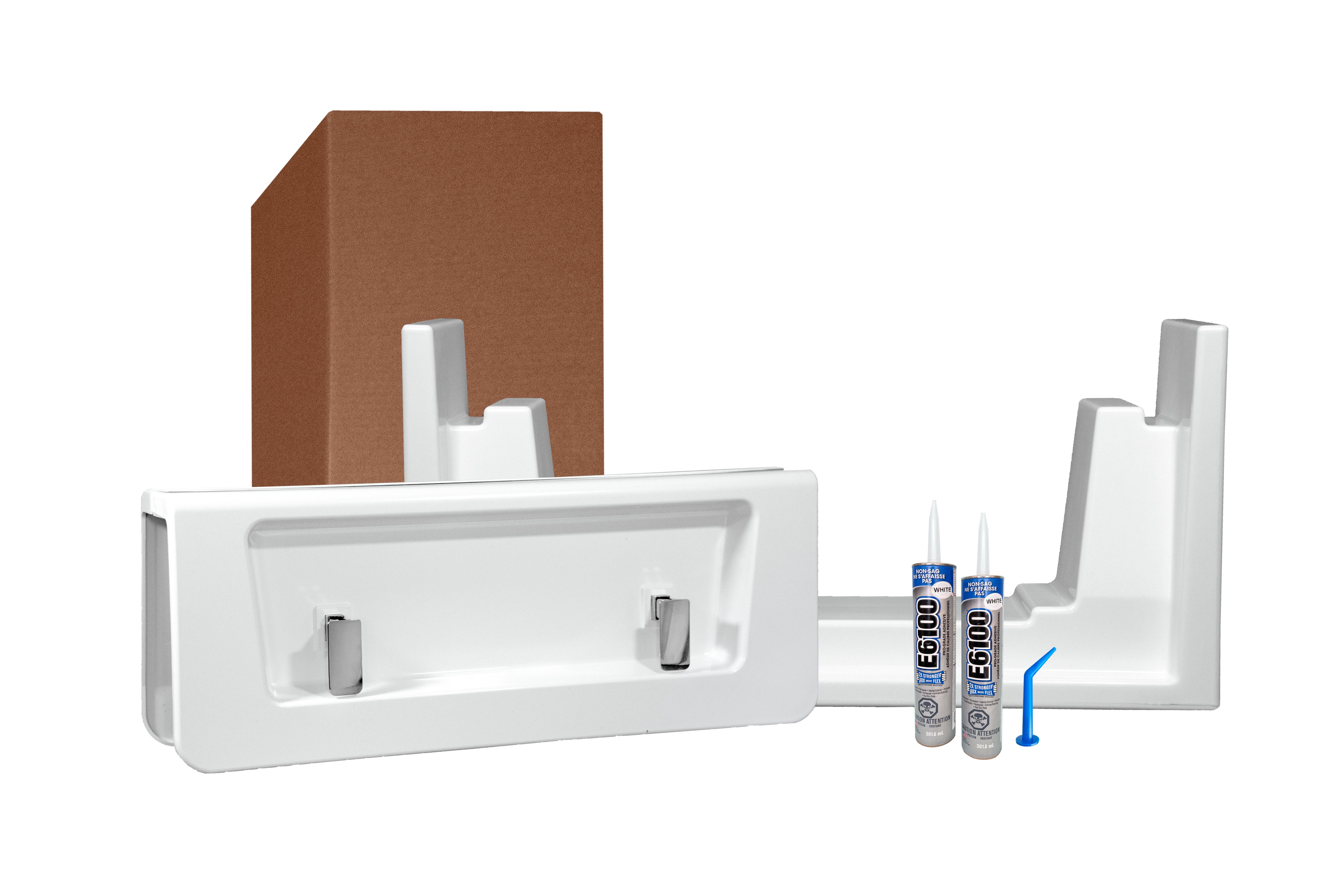
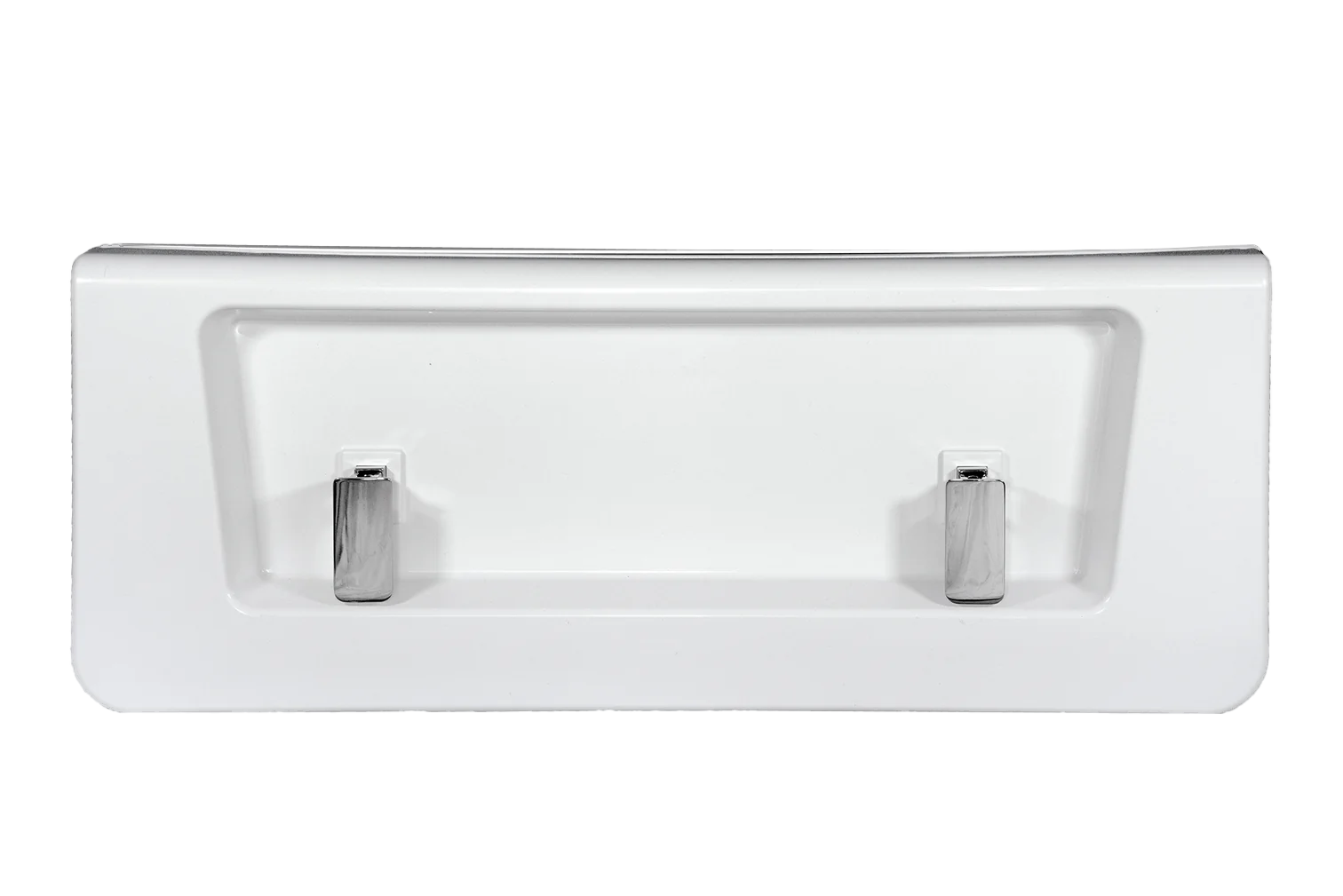
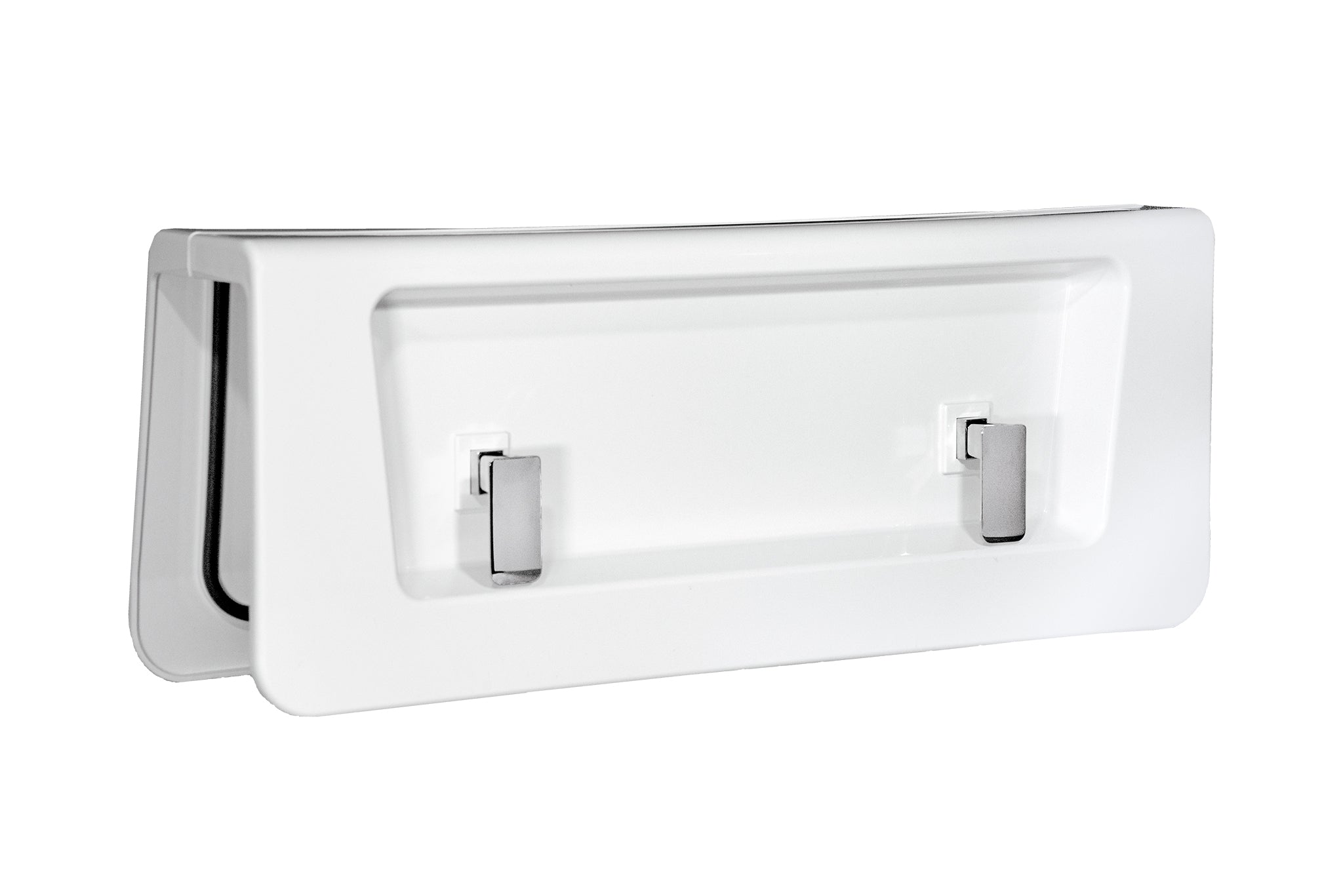
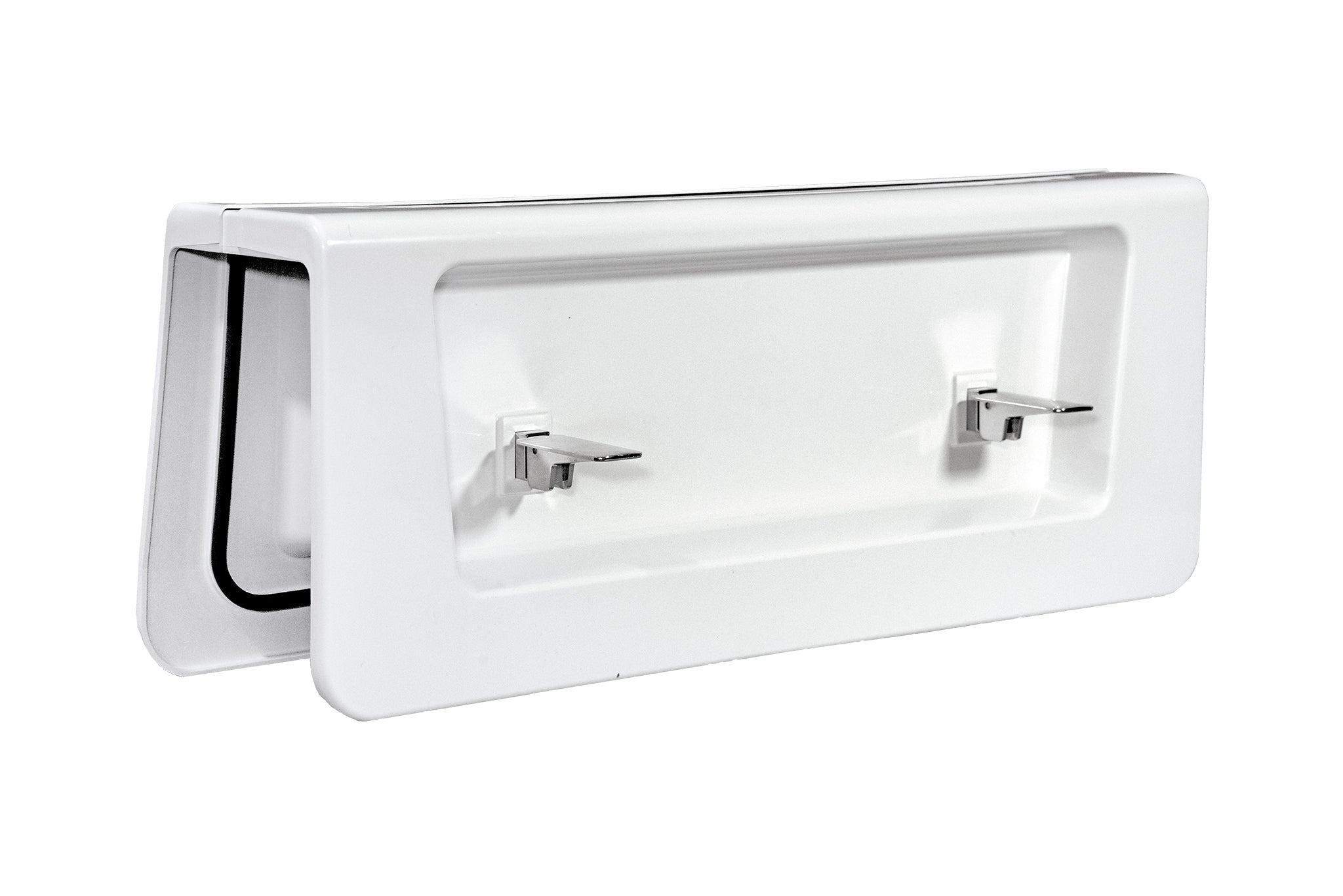
- Quick Tub® Walk-Thru Insert: Allows organizations to convert existing bathtubs into safer walk-through tubs without full demolition, reducing downtime, cost and disruption to residents.
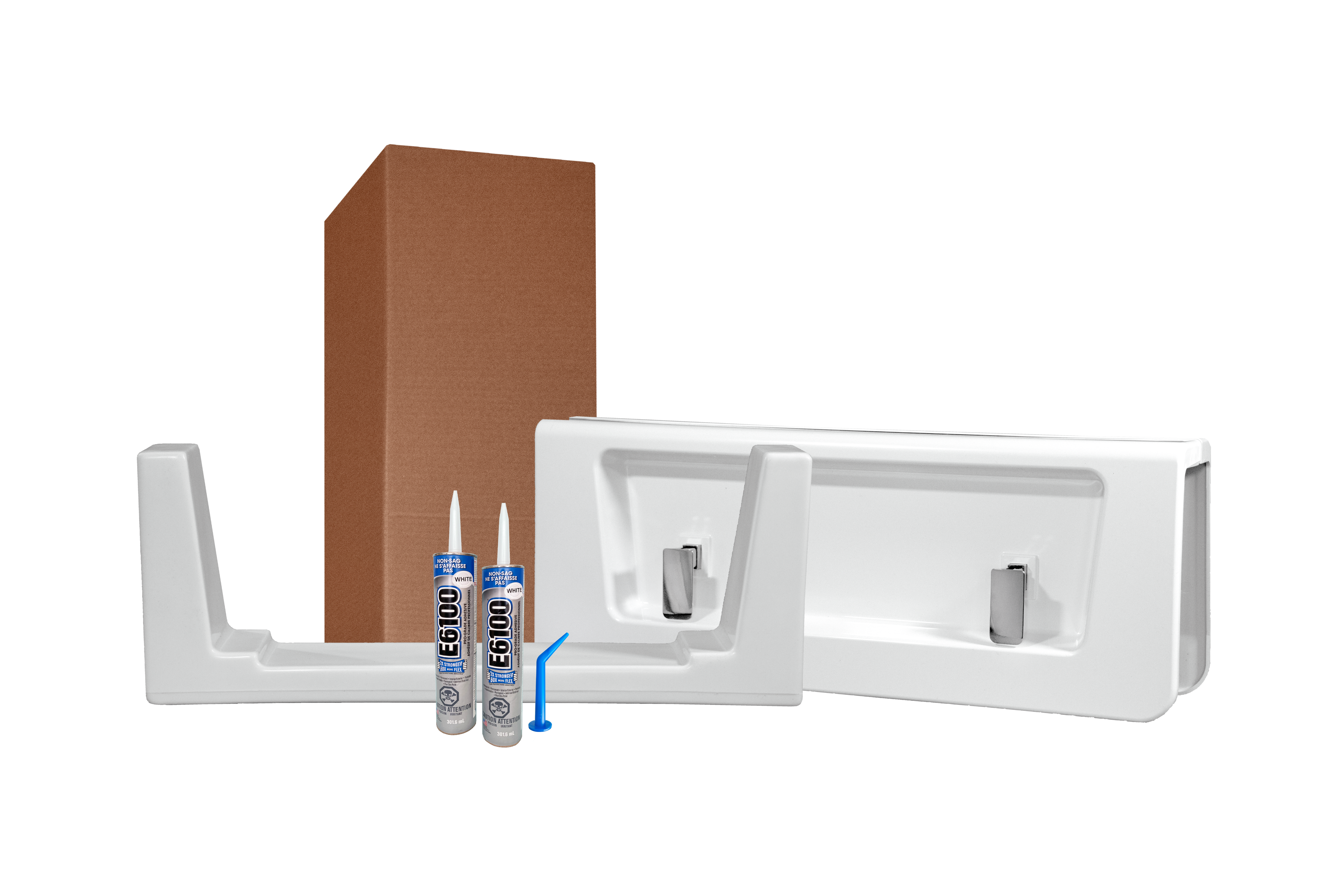
- Quick Tub® Cap: Enables facilities to maintain flexible bathing options while still offering safer access for residents who need it.
- Quick Tub® Full Bathtub Conversion Kit: Combines both components into a comprehensive solution that supports bathtub safety for elderly residents while preserving long-term adaptability for changing care needs.
For organizations, these systems offer a rare balance of impact, speed of installation and cost efficiency, making them ideal for large-scale safety upgrades.
Enhancing Stability: Grab Bars and Toilet Safety
Grab bars remain one of the simplest and most effective tools for preventing slips and providing support. Best practices for grab bars:
- Install near the tub/shower entry to support balance while entering/exiting
- Place beside the toilet to assist with sitting and standing
- Use professionally installed wall-mounted bars rather than suction cups, which can fail under load
These measures are foundational for bathroom safety for elderly residents and should be standardized rather than optional.
Improving Visibility, Water Safety and Environmental Controls
Besides providing safe bathtubs for seniors, organizations should also address secondary hazards:
- High-output, evenly distributed lighting
- Night-navigation lighting for overnight safety
- Water temperature regulation to prevent scalding
- Decluttered layouts with reachable storage
- These improvements reduce both fall risk and staff intervention needs.
Organizational Planning for Senior Bath Safety
For organizations, safety upgrades must align with operational budgets while delivering measurable outcomes.
|
Investment Perspective |
Solutions |
Organizational Benefit |
|
Foundational Safety Measures |
Non-slip surfaces, lighting upgrades |
Immediate risk reduction |
|
Standardized Support Features |
Grab bars, shower chairs |
Reduced incident frequency |
|
High-Impact, Long-Term Prevention |
Quick Tub® Walk-Thru Insert or Full Conversion Kit |
Significant injury reduction, long-term cost control and liability mitigation |
Organizations benefit most from evaluating total lifecycle value, including avoided injuries, reduced claims and fewer emergency interventions.When evaluating return on investment, organizations should consider:
- Reduced fall-related hospitalizations
- Lower insurance and liability exposure
- Improved resident satisfaction and retention
- Stronger compliance with safety standards
A Shared Responsibility for Safer Aging
For organizations that support older adults, bathroom safety is not optional; it is foundational. Whether through incremental improvements or comprehensive upgrades like the Quick Tub® Full Bathtub Conversion Kit, proactive action protects residents, staff and organizational sustainability. By addressing bathroom hazards strategically, organizations can:
- Prevent injuries before they happen
- Support aging in place and independence
- Reduce long-term costs and liability
- Demonstrate leadership in senior care safety
Bathroom falls are among the most severe and costly incidents affecting seniors. Proactive upgrades reduce injuries, care escalation and legal risk while supporting independence. The safest care environments are the ones designed with prevention in mind.
FAQ - Frequently asked questions
Why is the bathroom prone to many accidents?
Bathrooms combine several high-risk factors in a small space:
- hard, slippery surfaces
- frequent water exposure
- movements that challenge balance (such as stepping over a tub wall, turning, or sitting and standing)
For older adults, age-related changes like reduced strength, slower reaction time, vision decline and medication side effects amplify these risks. Tight layouts also limit the use of mobility aids, making slips more likely during bathing and toileting.
What percentage of elderly falls happen in the bathroom?
While exact figures vary by study, research consistently shows that a significant portion of in-home falls, often cited in the range of roughly 20-30%, occur in bathrooms. Among nonfatal injuries related to bathing or showering, older adults account for the majority, underscoring how hazardous this room can be compared to others in the home.
Why is safe proofing the bathroom needed for elderly people?
Bathroom injuries tend to be more severe, frequently leading to fractures, hospitalizations or loss of independence. Proactively improving bathroom safety reduces fall risk, supports dignity and autonomy, and lowers medical and liability costs. For families and organizations alike, safe-proofing is a practical, preventive step that protects health while enabling seniors to age in place with confidence.


Share:
Your Guide to Making the Switch from Tub to Shower
The Impact of Shower Safety on the Elderly & Disabled