


TLDR: Physical therapy clinics play a key role in identifying bathroom safety risks and referring patients for home modifications and occupational therapy services. By integrating a home safety evaluation, physical therapy protocol and partnering with local installers, PTs can help patients access bathroom safety equipment that reduces fall risk and supports independence at home.
For physical therapy clinics, the discharge process doesn't end when a patient leaves the treatment room. Many patients return to home environments filled with hazards that directly undermine therapeutic progress, especially in the bathroom, where falls are most common.
Bathroom safety is a critical component of successful rehabilitation. Without proper modifications, even the most effective therapy plan can be compromised by environmental barriers. This guide shows how PT clinics can systematically identify risks, recommend appropriate bathroom safety products and establish referral pathways for occupational therapist home modifications services.
Why Physical Therapists Are Uniquely Positioned to Identify Bathroom Risks
Physical therapists observe patients' functional limitations daily. They see firsthand how balance deficits, strength impairments and mobility restrictions affect real-world tasks. This makes PTs ideal for identifying when a patient's home environment (particularly the bathroom) poses a safety risk.
Research shows that occupational therapy and home modifications significantly reduce fall risk and improve functional independence. A systematic review found that 65% of studies demonstrated home modifications were effective in reducing falls, improving function and enhancing quality of life. Bathroom modifications, grab bars and stair railings were identified as the most impactful interventions.
However, many PT clinics lack a structured process for translating clinical observations into actionable home modification referrals. This gap represents a missed opportunity to protect patients and reinforce treatment gains.
Building a Home Safety Evaluation Physical Therapy Protocol
A home safety evaluation protocol should be integrated into the standard physical therapy assessment. This doesn't require a full home visit for every patient. Instead, you can use targeted screening questions and functional tests to identify high-risk cases. Actions you can take are:
-
Ask patients to describe their home bathroom setup during the initial evaluation.
-
Use functional tests (e.g., sit-to-stand, step-over height, single-leg balance) to assess whether the patient can safely navigate their current bathroom.
-
Document specific barriers like the tub wall height, a possible lack of grab bars, narrow doorways or poor lighting.
-
Determine whether the patient has a caregiver available to assist with bathing and toileting, or not.
For patients who score high on fall risk or demonstrate significant mobility limitations, a formal home accessibility assessment for mobility equipment needs may be warranted. This can be conducted by an occupational therapist or a certified aging-in-place specialist.
When to Recommend Bathroom Safety Equipment
Not every patient needs the same level of intervention. Use this approach to match recommendations to patient needs:
-
Low-cost, immediate solutions
Start with bathroom safety aids that can be recommended immediately and often purchased out-of-pocket or through insurance as durable medical equipment (DME). These include non-slip bath mats, handheld showerheads, shower chairs or tub transfer benches, and raised toilet seats.
-
Structural modifications
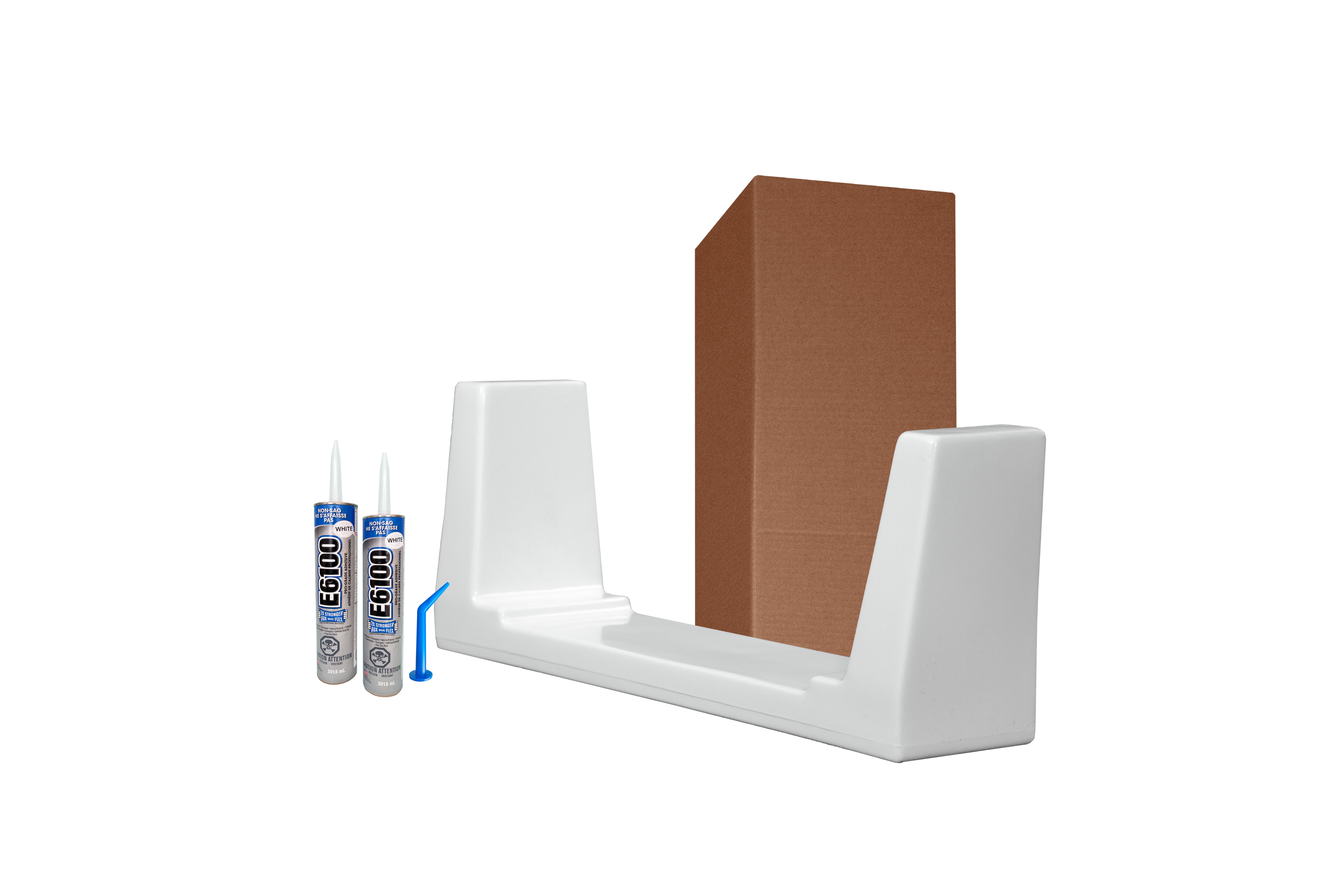
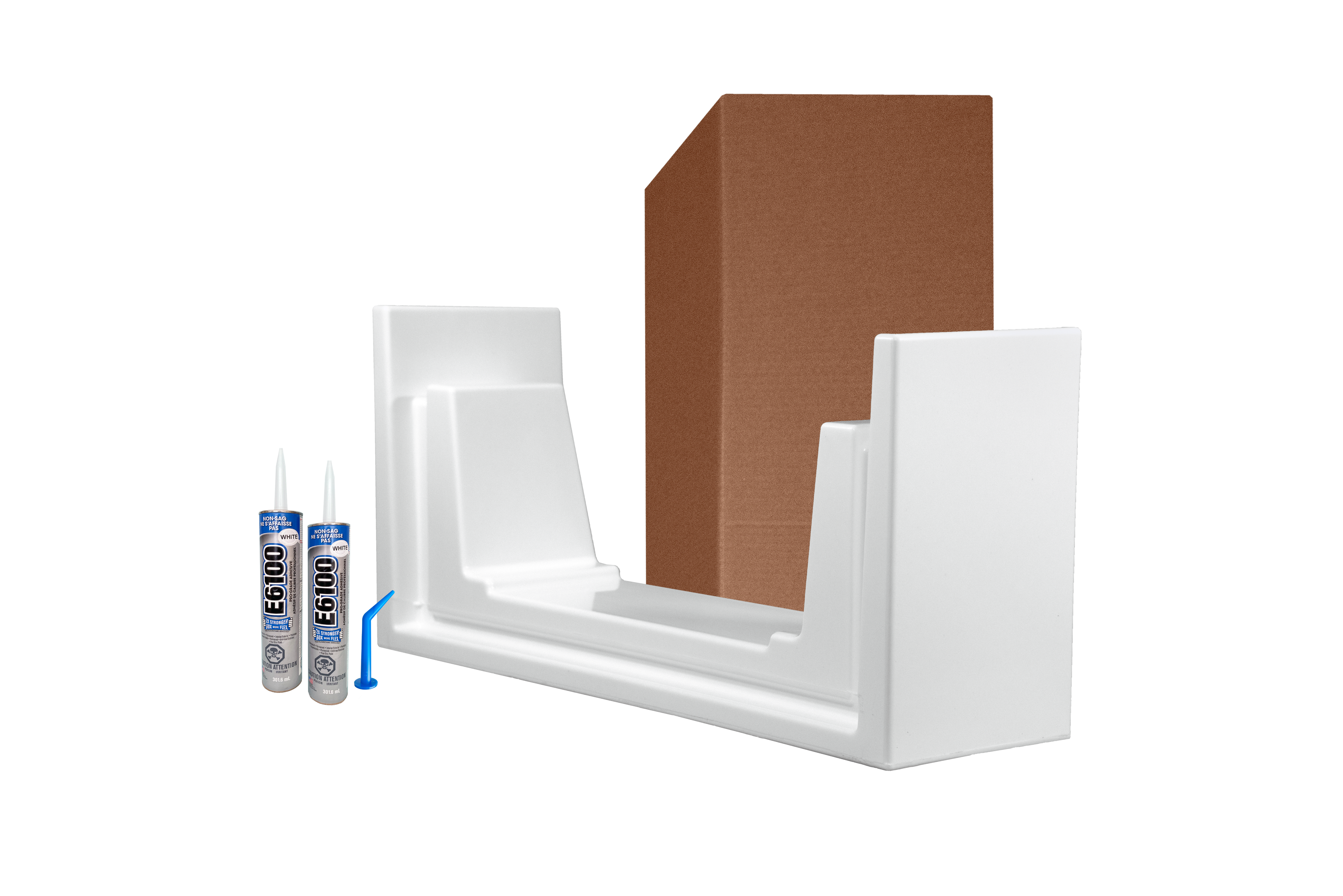
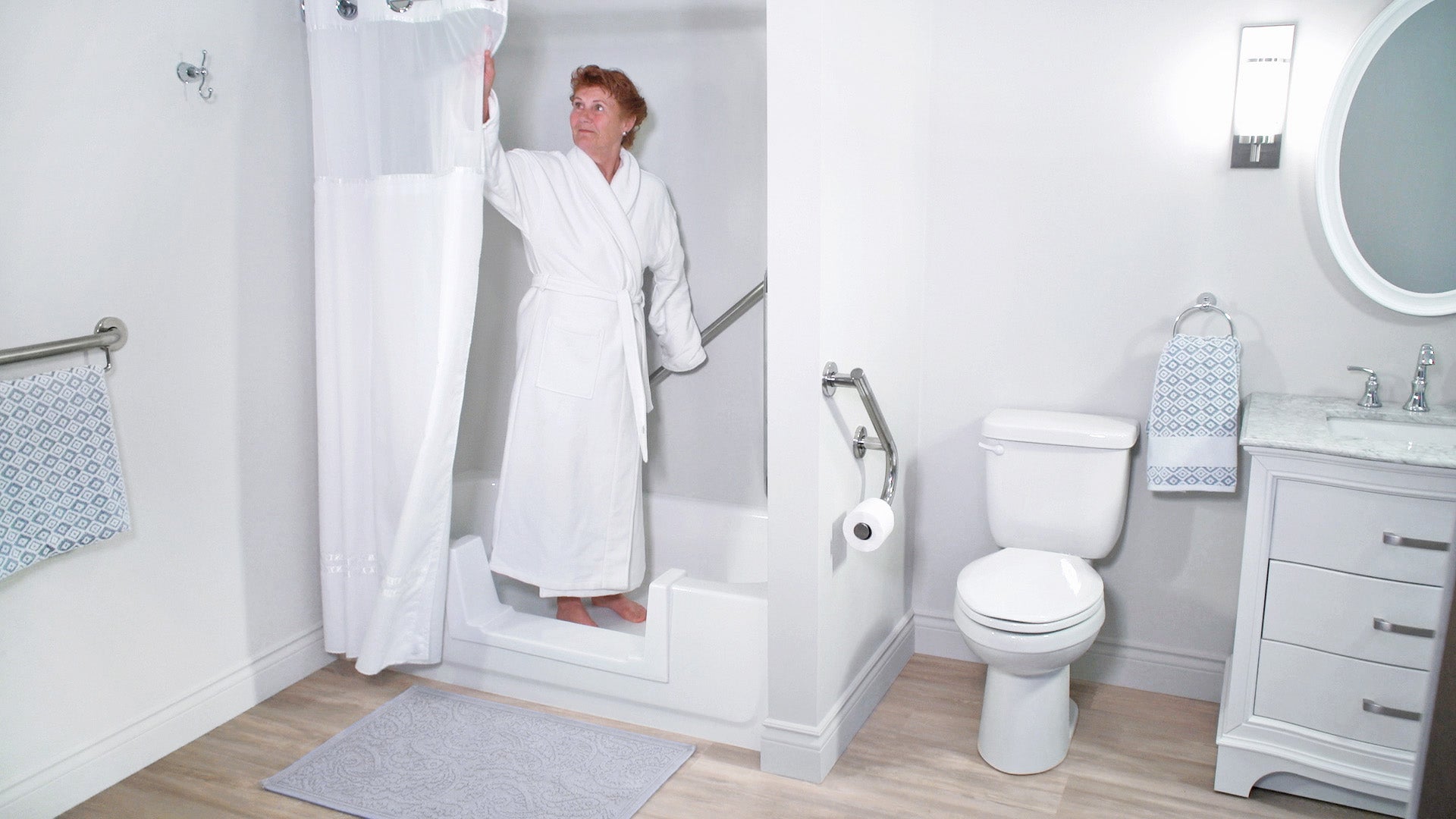
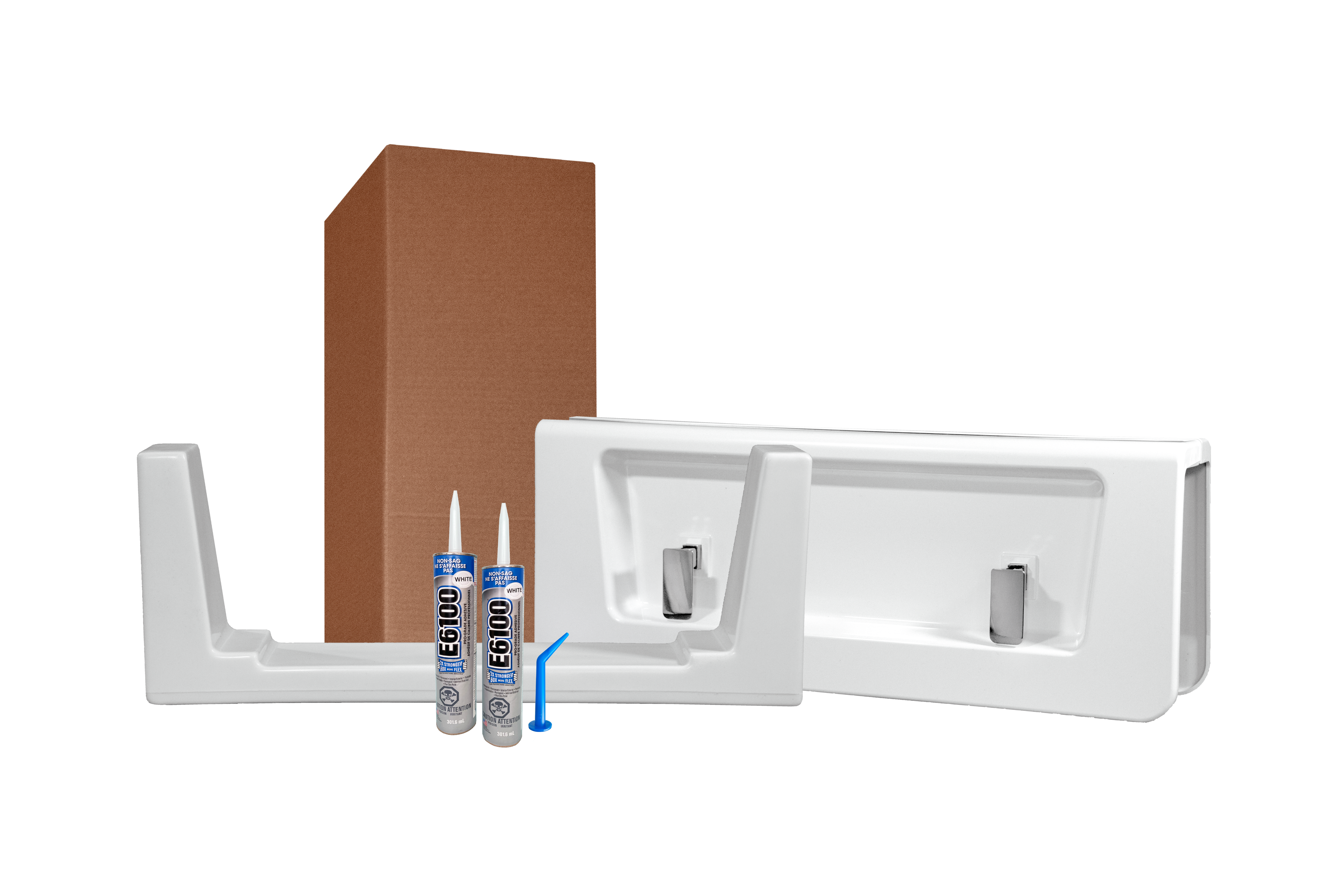
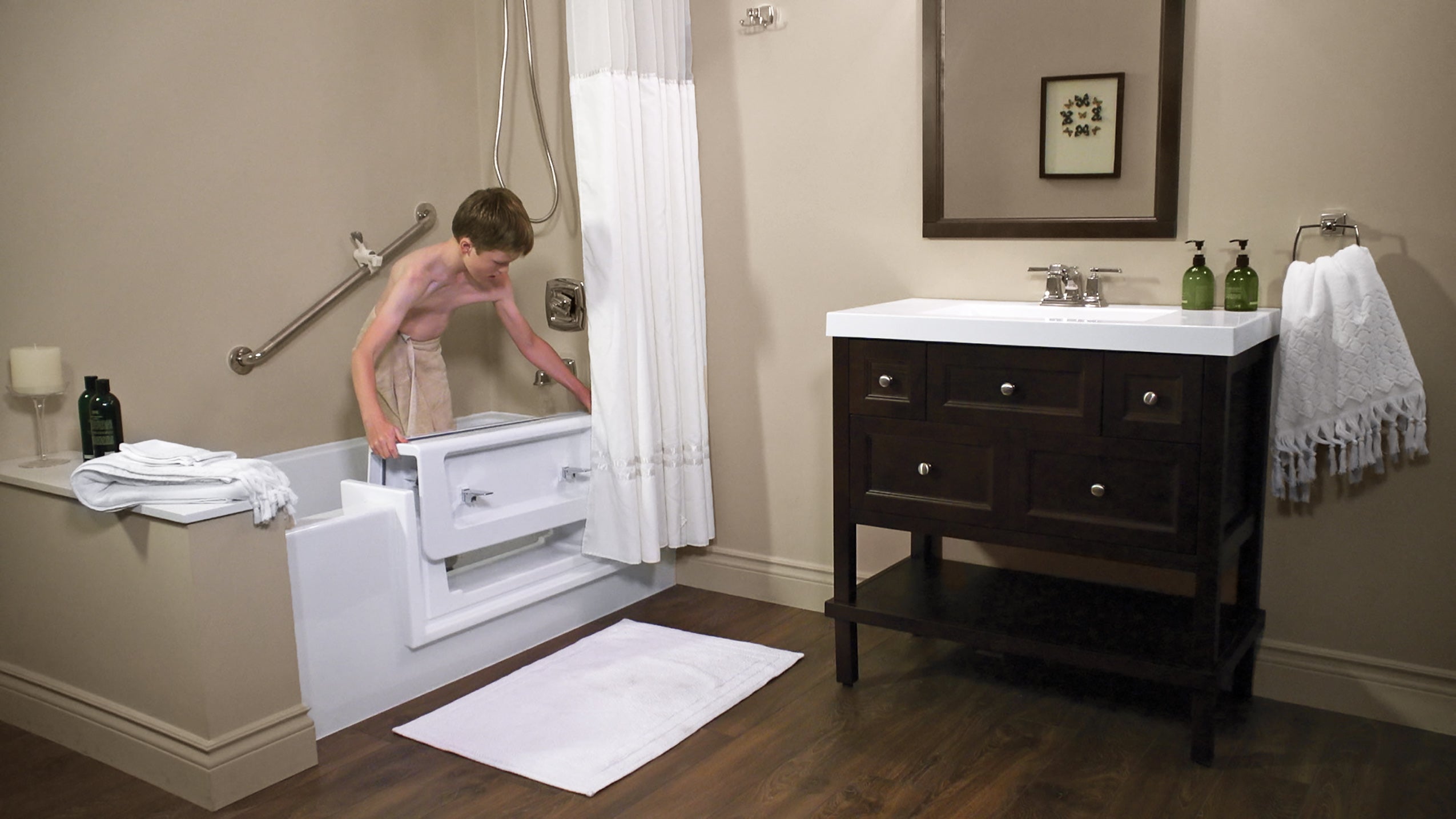
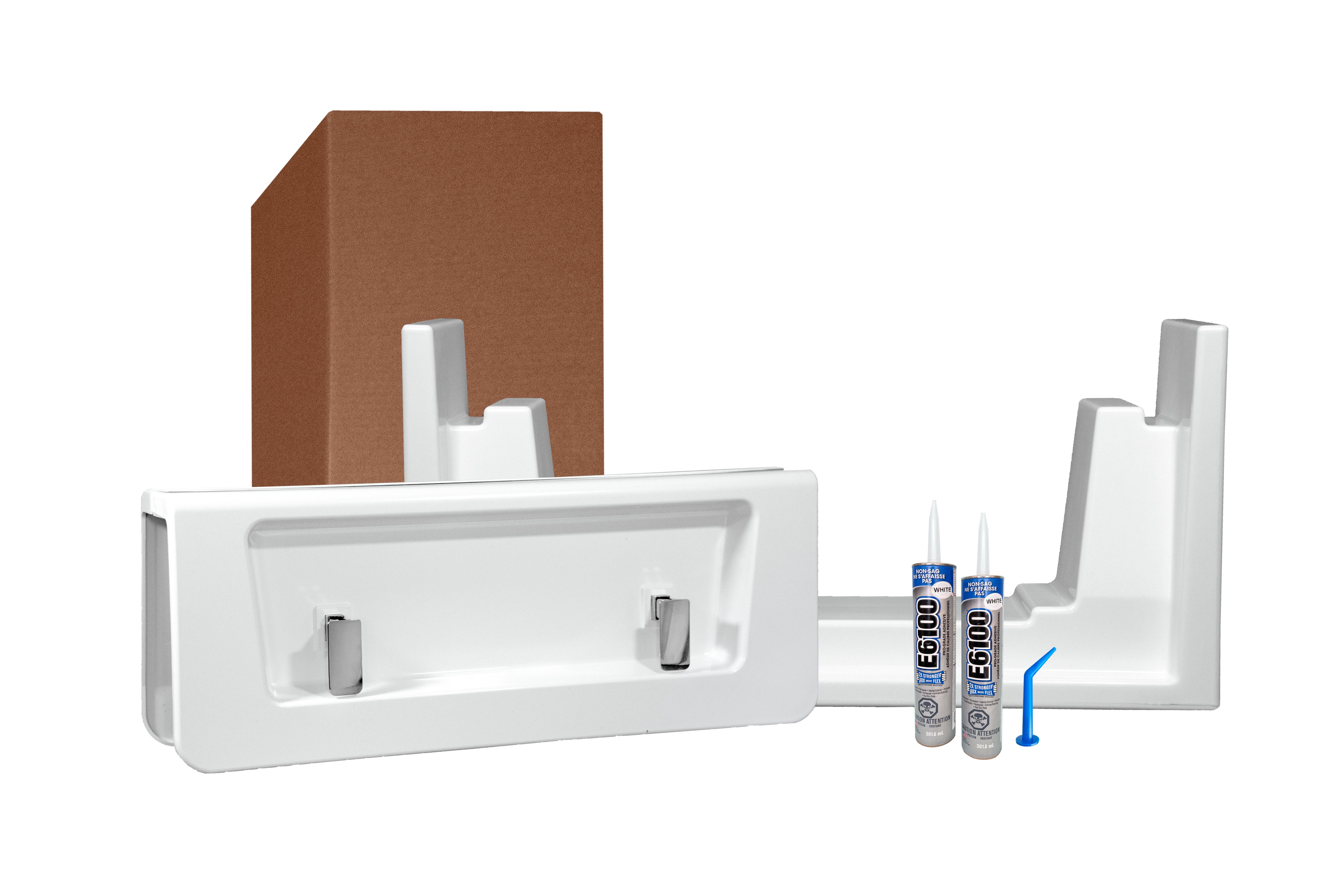
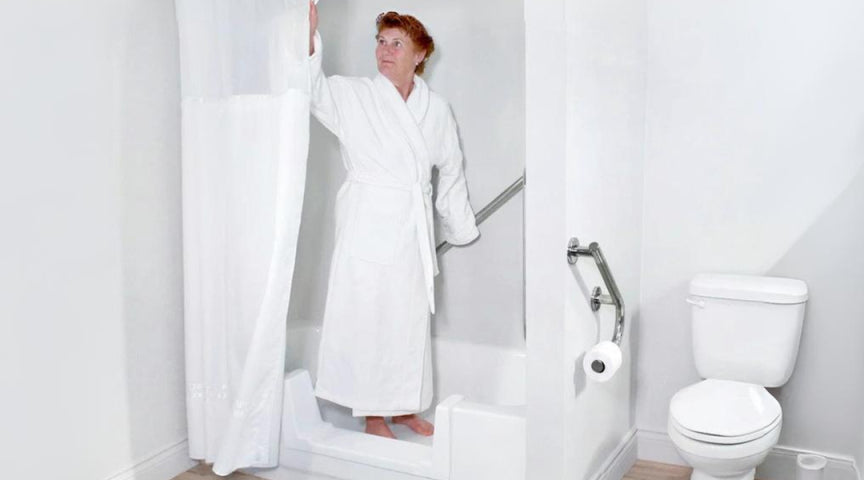
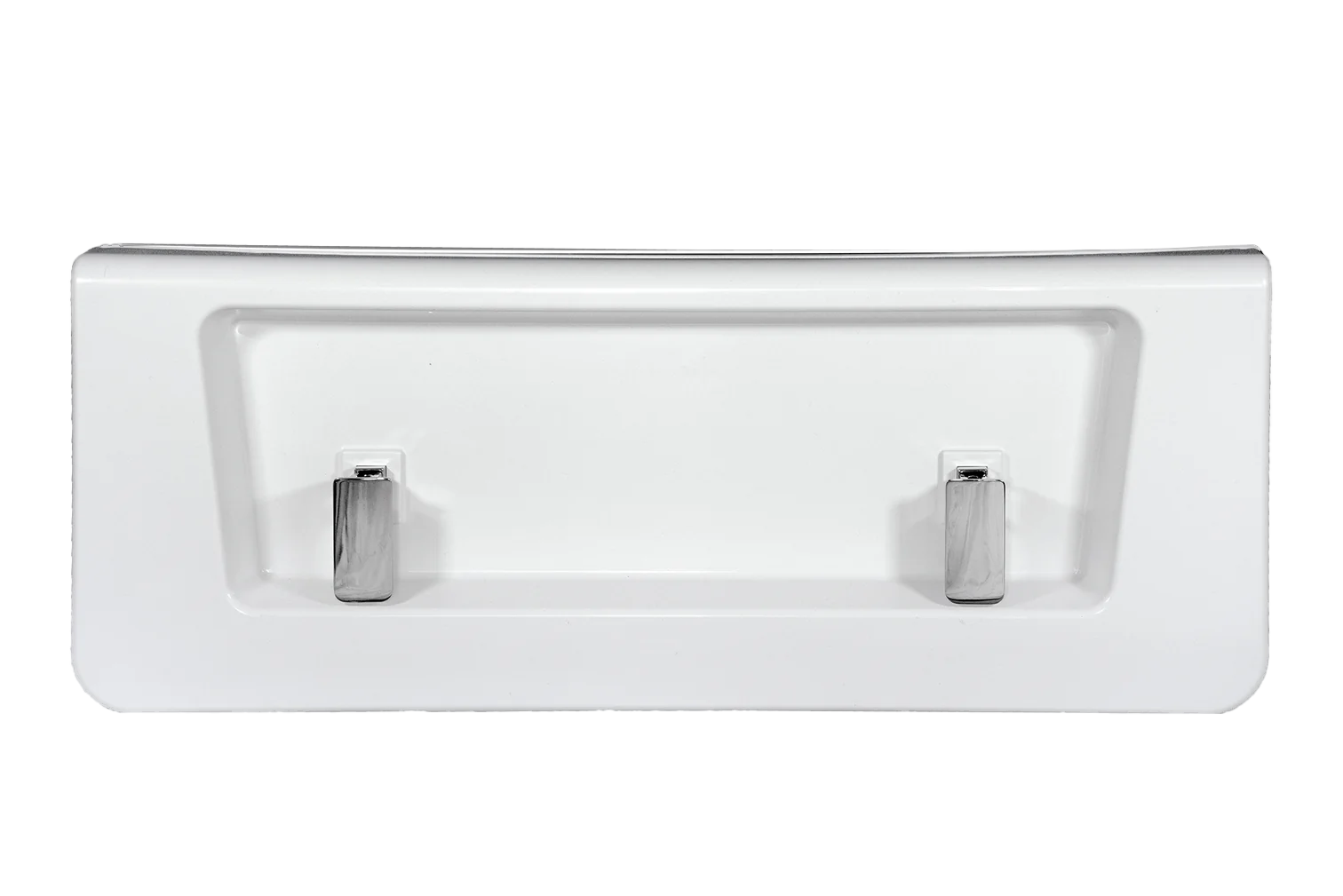
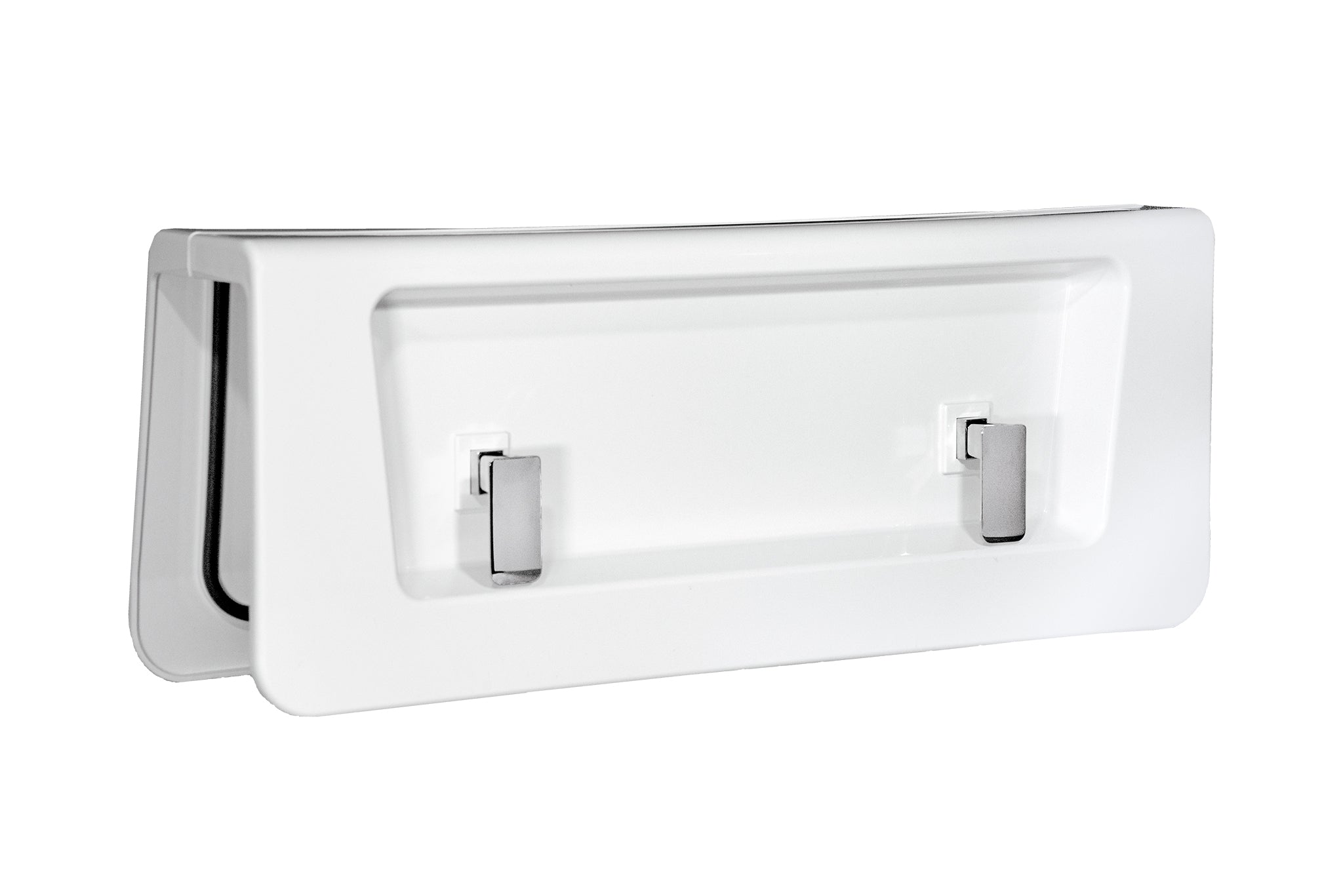
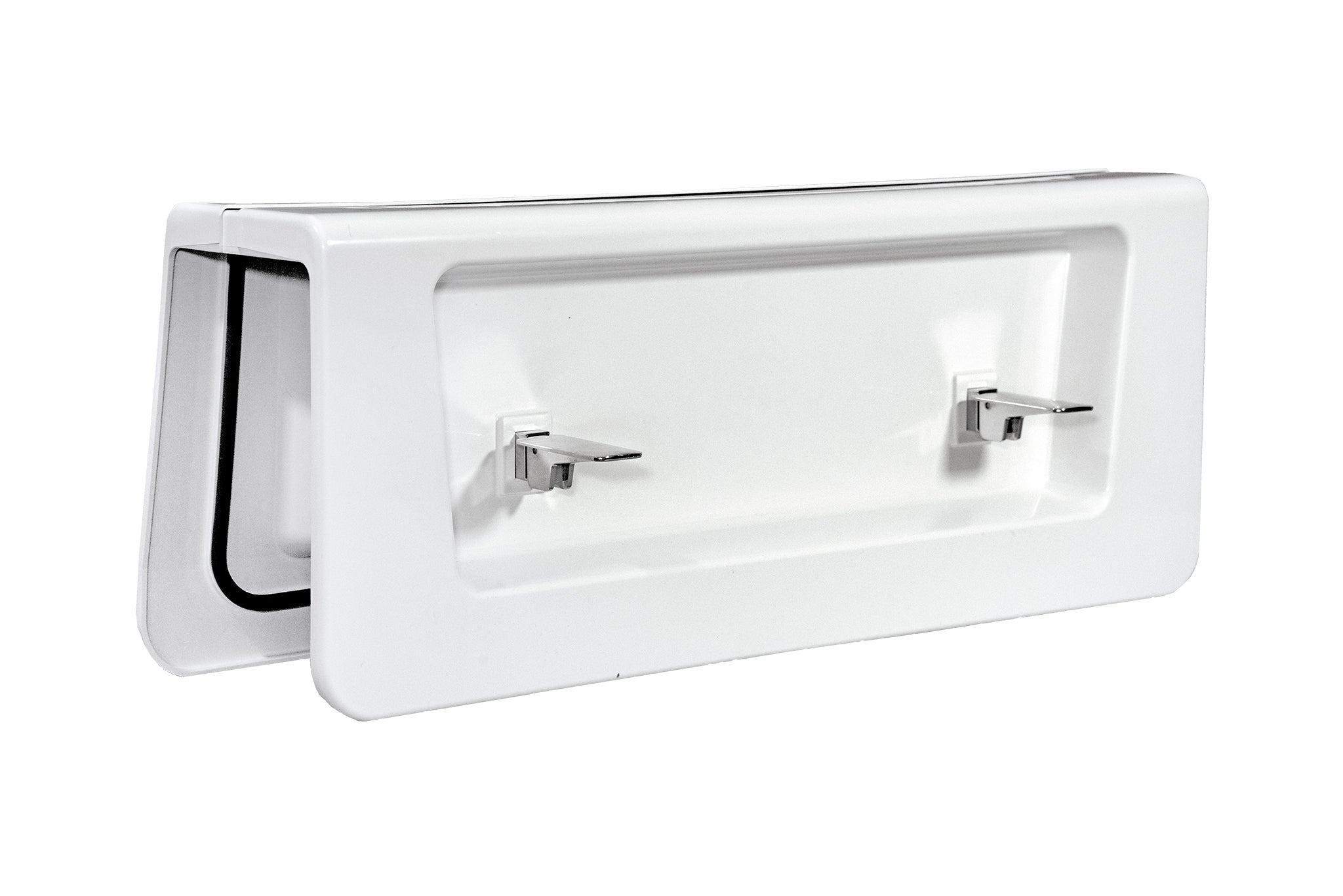
For more significant barriers, patients may need grab bars properly anchored to wall studs, tub-to-shower conversions, threshold removal or doorway widening. For these bathroom safety solutions, PT clinics should establish referral relationships with local contractors, occupational therapists and home modification programs. The Quick Tub® Walk-Thru Insert, for example, lowers tub walls by 9-12 inches in just a few hours, creating a safer step-in shower without a full remodel.
-
Comprehensive accessibility overhauls
The most complex cases involve roll-in showers, full bathroom renovations or multi-room accessibility upgrades. These typically require occupational therapist home modifications assessments, funding through Medicaid waivers or VA grants, and coordination with general contractors.
Establishing Referral Partnerships
To make referrals seamless, build a network of trusted partners:
-
Occupational therapists: some specialize in home modifications and can conduct formal assessments.
-
Local contractors: experienced in accessibility work, including Quick Tub® installers who complete tub-to-shower conversions in hours.
-
Nonprofit organizations: e.g. Area Agencies on Aging, Centers for Independent Living and fall-prevention coalitions that may fund modifications for eligible patients.
-
Medical equipment suppliers: they can provide shower chairs, grab bars and other bathroom safety equipment quickly.
Quick Tub® offers a Partner Program designed for organizations that coordinate home modifications at scale. Through this program, PT clinics can connect patients with vetted local installers, access bulk pricing for DIY kits and streamline referrals for time-sensitive cases.
Documenting and Tracking Referrals
To ensure accountability and measure outcomes, you first want to create a standard referral form that captures patient needs, recommended modifications and partner contact information.
It’s crucial to track whether patients complete recommended modifications and whether fall incidents decrease post-intervention, because this data can be used to justify the value of bathroom safety interventions to payers, administrators and community partners.
Research shows that home modifications can reduce recommended hours of personal care by an estimated 39%. This is a powerful metric for demonstrating cost savings to insurance providers and health systems.
Educating Patients and Families
Many patients and families are unaware that bathroom safety products exist or that funding may be available. Therefore, it helps to:
-
provide written handouts with photos of recommended modifications,
-
show before-and-after examples of tub-to-shower conversions,
-
explain the difference between temporary aids (e.g., suction grab bars) and permanent solutions (e.g., wall-mounted grab bars),
-
and discuss funding options, including Medicare Advantage supplemental benefits, Medicaid waivers, VA grants and nonprofit programs.
MedlinePlus explicitly recommends asking a healthcare provider for a referral to an occupational or physical therapist if you're unsure what bathroom changes are needed.
The Business Case for PT Clinics
Integrating home modifications and occupational therapy referrals into your practice is obviously good for the patients. But don’t forget it’s also good for business. Clinics that offer comprehensive discharge planning, including home safety assessments, differentiate themselves from competitors and build stronger relationships with referring physicians.
Additionally, by reducing post-discharge falls, PT clinics can improve patient outcomes, reduce readmissions and enhance their reputation in the community. This is especially important for clinics contracted with value-based care models or accountable care organizations (ACOs).
FAQs - Frequently Asked Questions
What bathroom safety upgrades can physical therapists recommend?
Physical therapists can recommend bathroom safety equipment such as grab bars, shower chairs, tub transfer benches, handheld showerheads, raised toilet seats and tub-to-shower conversions like Quick Tub®'s Walk-Thru Insert.
When should a physical therapist recommend bathroom safety equipment?
Recommend bathroom safety aids when a patient demonstrates balance deficits, strength impairments, mobility restrictions or a history of falls that make bathing or toileting unsafe in their current home environment.
What bathroom modifications can help patients stay independent at home?
Key bathroom safety solutions include low-threshold showers, properly anchored grab bars, non-slip flooring, adequate lighting, raised toilet seats and tub-to-shower conversions that eliminate high step-over walls.
How can physical therapists identify bathroom safety risks?
Use a home safety evaluation physical therapy protocol that includes functional tests (sit-to-stand, step-over height, balance), targeted screening questions about home setup, and observation of mobility limitations that would affect bathroom use.
What should physical therapists consider before recommending bathroom upgrades?
Consider the patient's functional status, caregiver availability, budget, housing situation (renter vs. homeowner) and whether a formal home accessibility assessment for mobility equipment needs by an occupational therapist is warranted.

Share:
Quick Tub® Partner Spotlight: TruBlue Ally and Aging in Place