


TLDR: Home health agencies can build bath safety into care plans by screening for bathing and transfer difficulties, documenting specific hazards and coordinating appropriate clinical or home-modification referrals. Depending on the patient and bathroom, useful options may range from shower chairs and grab bars to a walk-in shower or tub-to-shower conversions.
A patient may manage well during a home health visit but still struggle with everyday bathing. A high tub wall, wet floor or difficult transfer can make a routine task risky, particularly for someone experiencing weakness, joint pain or limited mobility.
For agencies serving elderly adults, adding bathroom safety for seniors to assessment and care planning helps staff identify concerns early and connect patients with suitable clinical or home-modification support. The goal is to understand what the patient can do safely in their own bathroom.
Why Bathroom Safety Belongs in the Care Plan
Bathrooms combine water, hard surfaces and physically demanding movements. That’s why older adults and people with joint pain, muscle weakness or physical disabilities may be at risk of falls in the bathroom. Therefore recommendations include keeping floors dry, using a bath chair when appropriate and ensuring grab bars are secured to the wall.
A consistent process and certain best practices for bathroom safety help home health teams document barriers, coordinate recommendations and follow up on whether needed equipment or modifications are in place. It can also support dignity by involving patients in decisions about bathing, assistance and privacy.
A Practical Bathroom Safety Workflow
Ask About the Patient’s Routine
Start with specific, respectful questions.
- Does the patient bathe or shower?
- Can they get in and out without help?
- Have they slipped, felt unsteady or avoided bathing because of fear?
- Do pain, fatigue, dizziness, vision changes or mobility limitations affect bathroom use?
Ask what assistance the patient prefers and whether a caregiver is available. Their answers can reveal particular concerns about shower safety for elderly people, such as difficulty stepping over the tub or standing long enough to shower.
Observe Function and the Environment
When appropriate and within your role, observe relevant transfers and the bathroom accessibility. Note the tub or shower threshold, floor condition, lighting, available supports, doorway clearance and whether the patient can reach controls and supplies without overreaching.
A routine home health visit is not necessarily a formal home-modification assessment. If the patient’s functional needs or the environment require specialized evaluation, coordinate a referral to an occupational or physical therapist. MedlinePlus recommends asking a healthcare provider about a therapy referral when it is unclear what bathroom changes are needed.
Match Recommendations to the Person
Basic shower safety tips include keeping the floor outside the tub dry, removing obstacles, placing frequently used items within reach and improving visibility. Depending on the patient’s needs, a shower chair, bath bench or raised toilet seat may help. Equipment should be suitable for the person and bathroom, used according to instructions and reviewed with the patient or caregiver.
For bathtub safety for elderly patients who have difficulty standing while bathing, a shower chair or transfer bench may be worth discussing with the care team. Elderly tub safety also depends on how the person enters and exits, because a chair alone does not resolve difficulty stepping over a high tub wall.
Escalate Structural Barriers
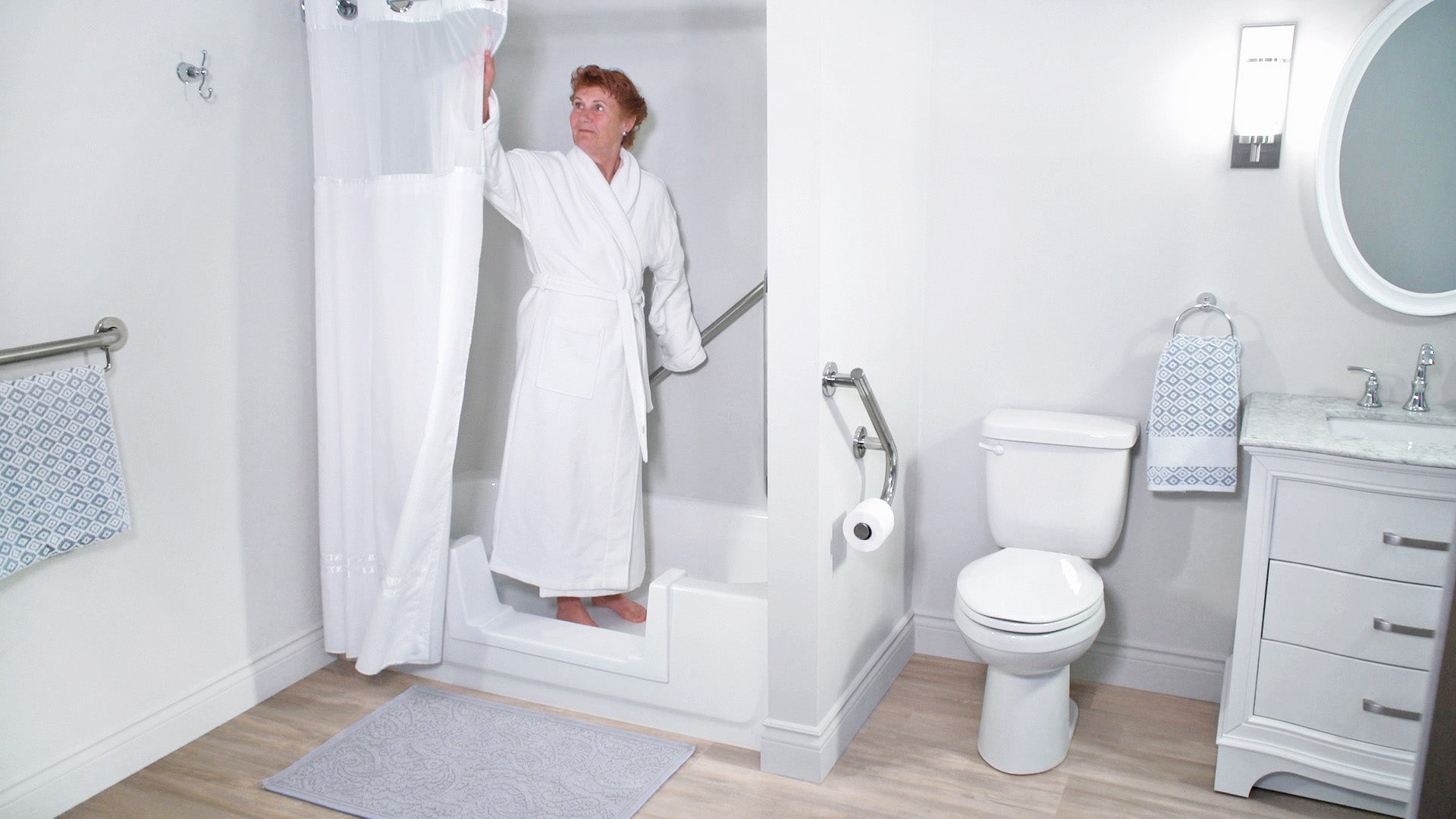
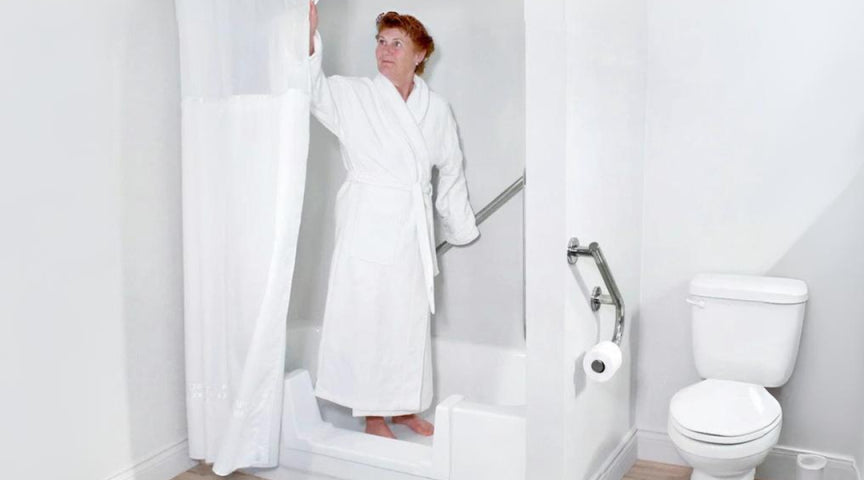
If a patient cannot safely step over the tub wall, document the specific difficulty and coordinate an appropriate therapy assessment or referral to a qualified home-modification provider. A modification should reflect the patient’s transfer ability, preferences, bathroom layout and available support.
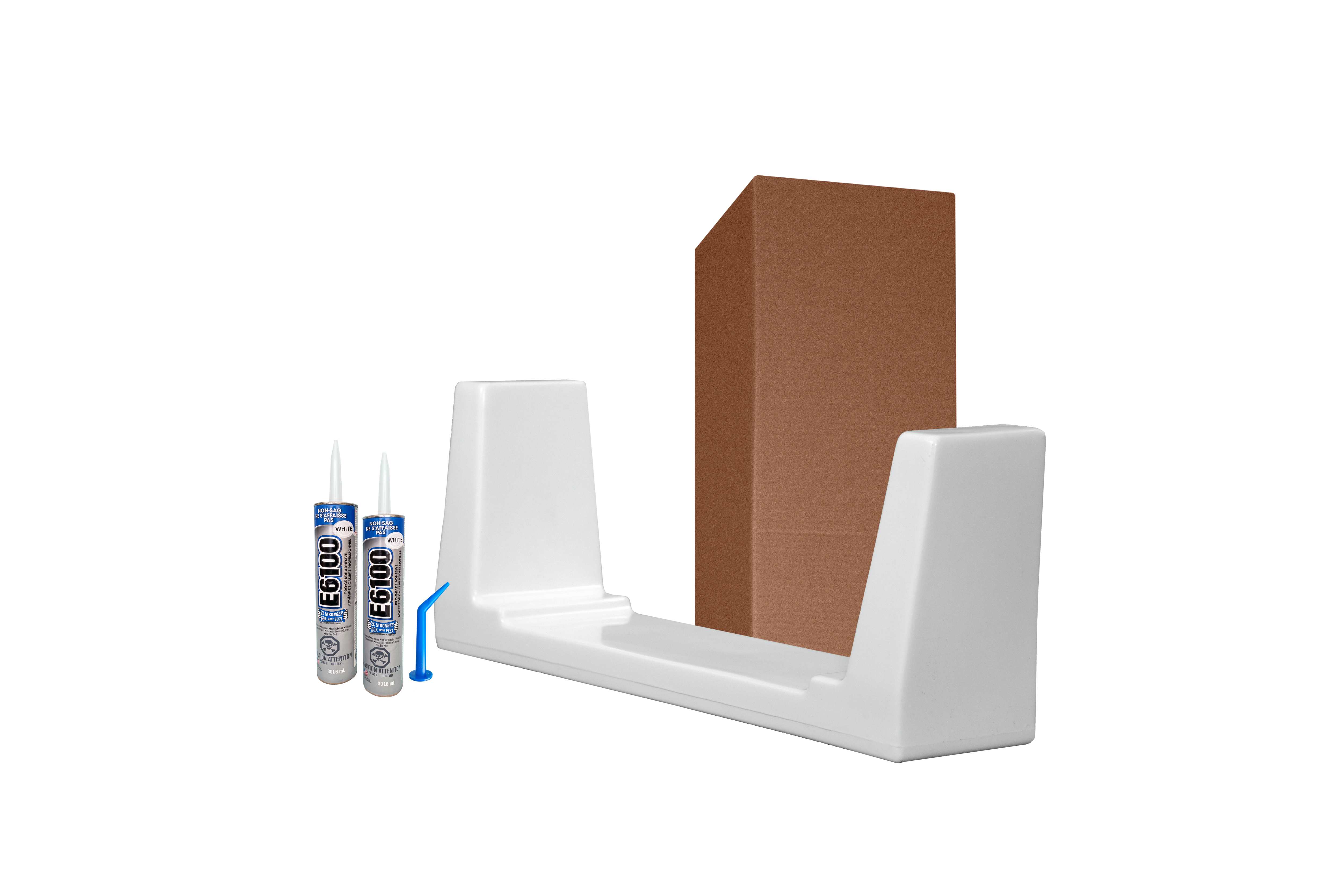
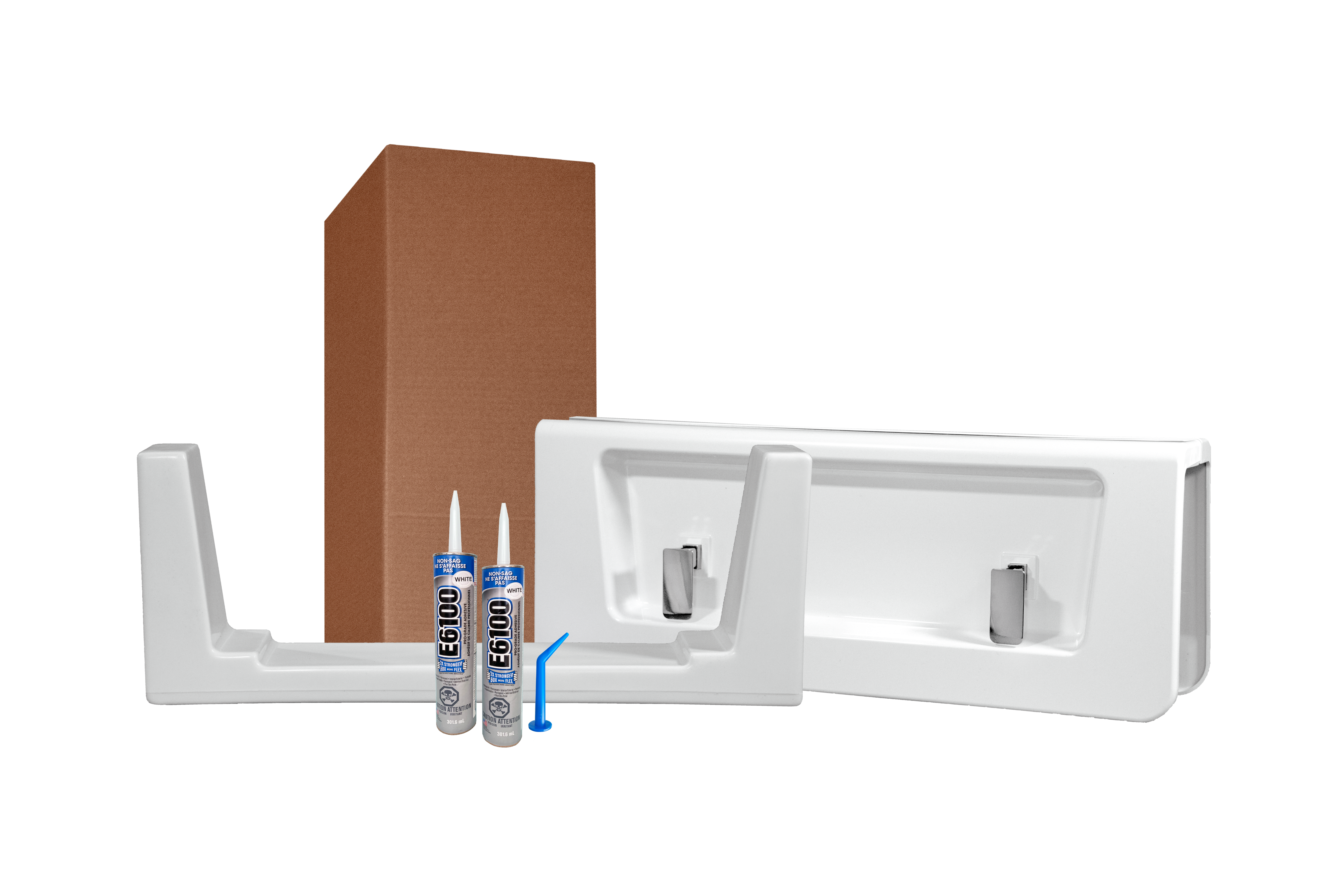
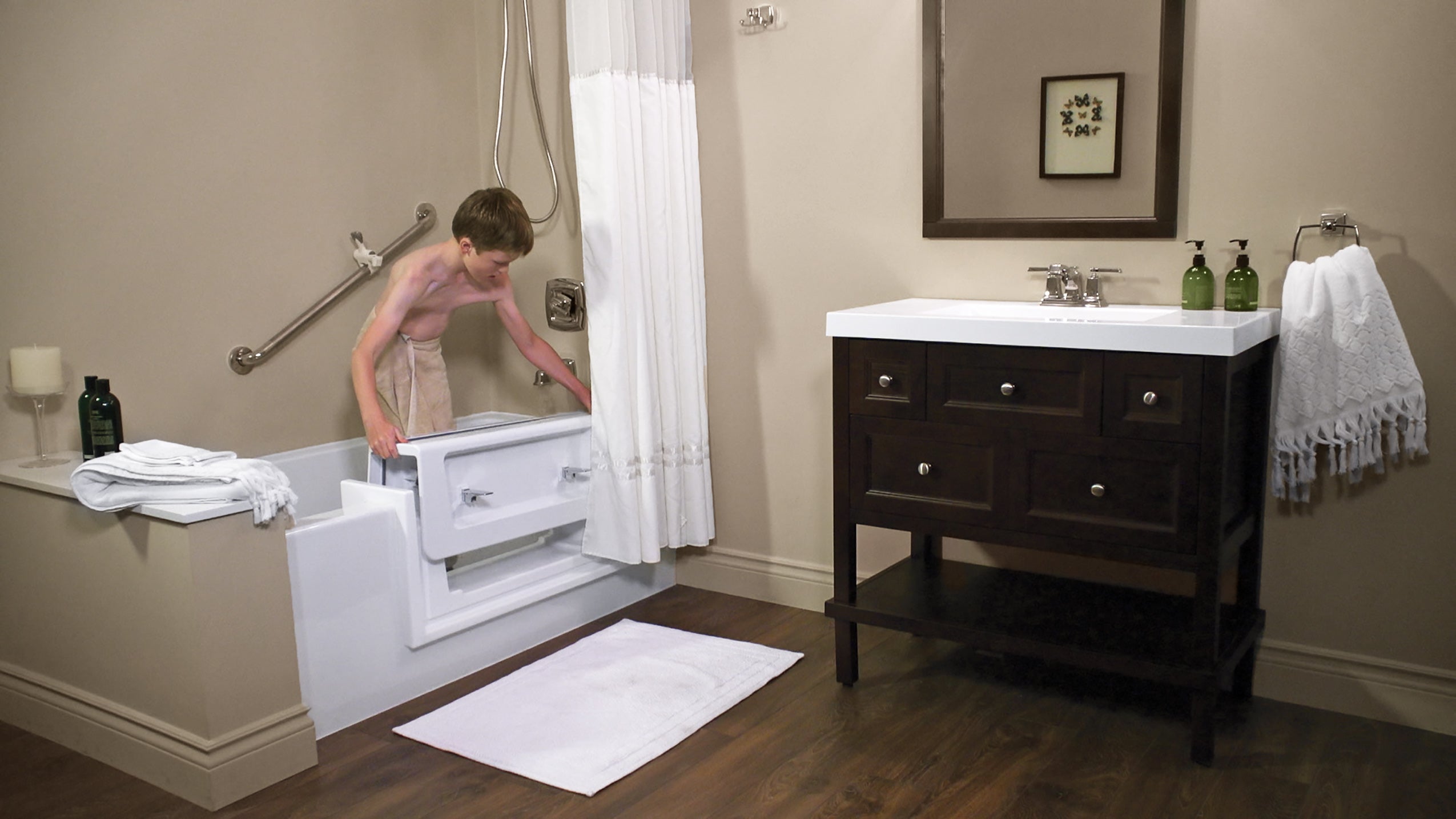
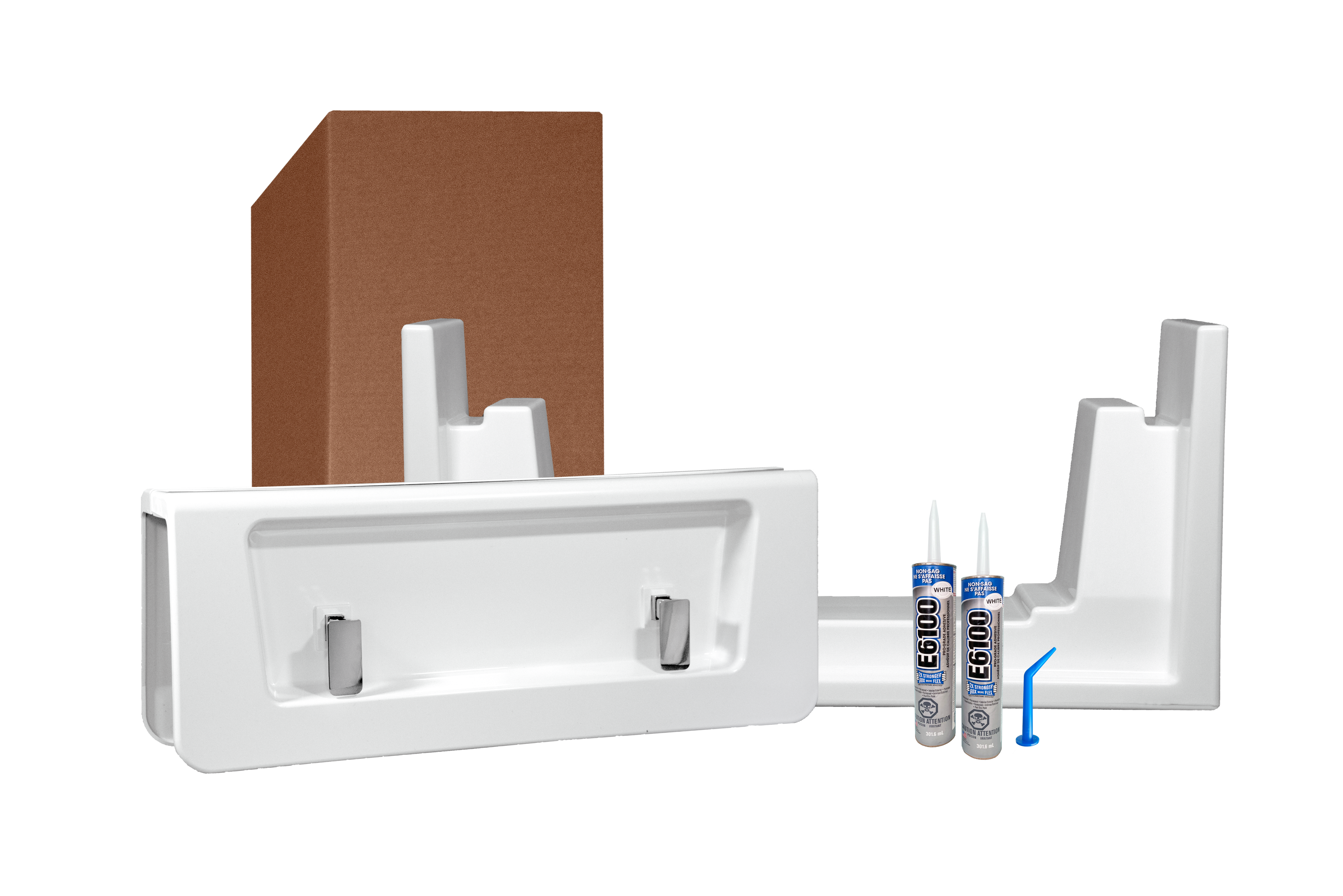
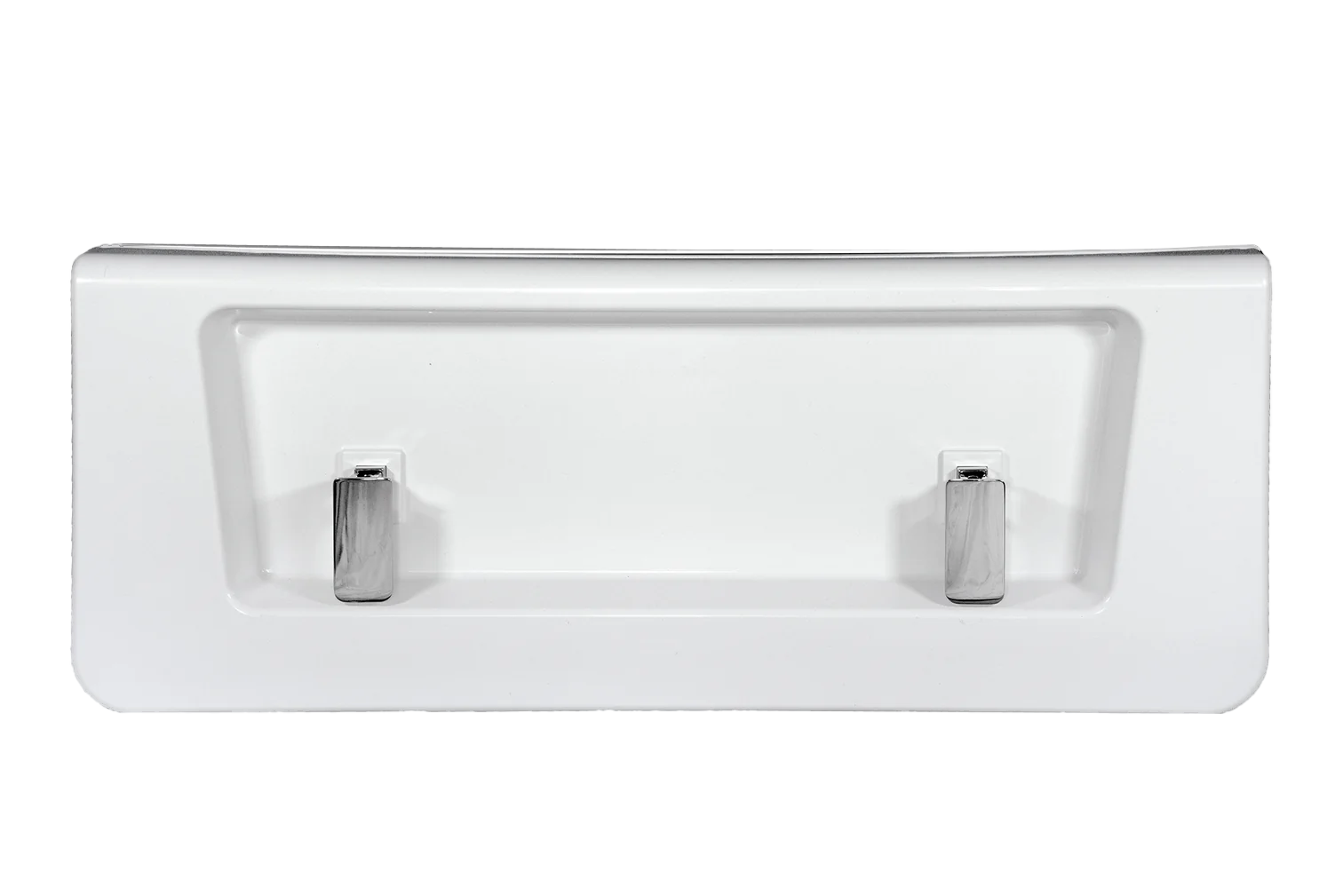
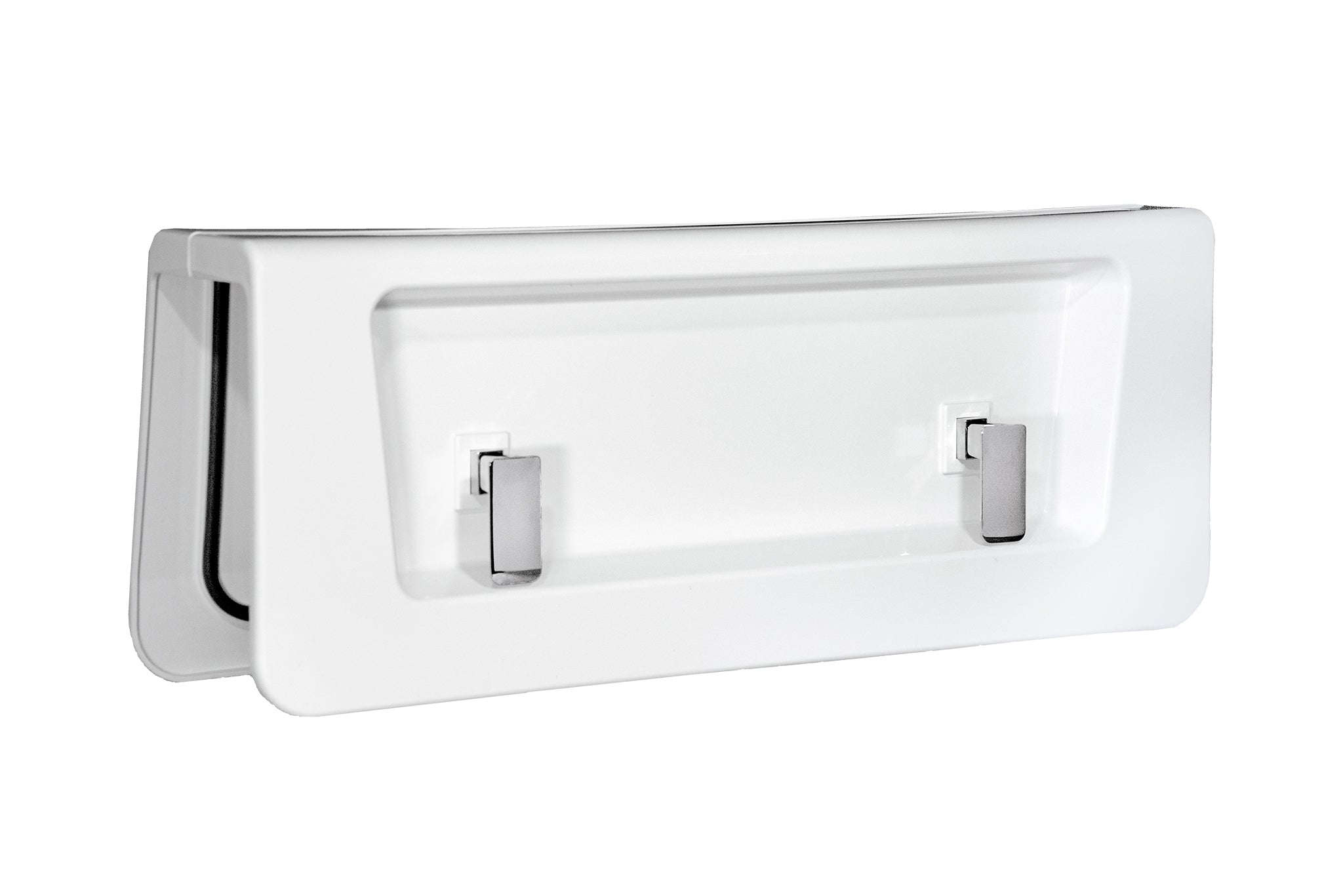
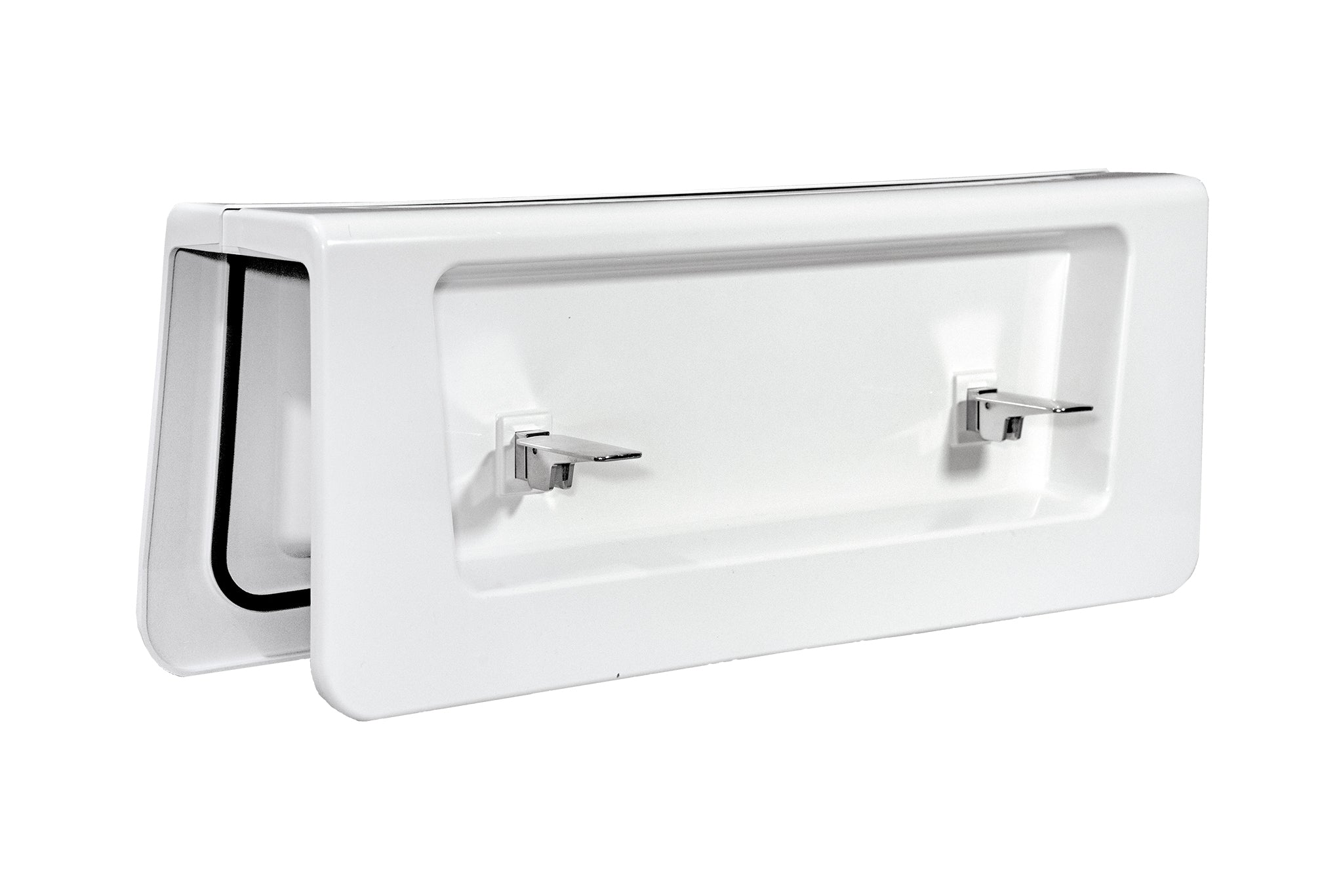
One option to assess is the Quick Tub® Walk-Thru Insert, which modifies an existing bathtub by lowering its side wall by up to 12 inches. For households that want to retain bath use, the Quick Tub® Full Bathtub Conversion Kit includes both the insert and the Quick Tub® Cap. The cap can be placed or removed to switch between step-in access and a functional bathtub.
Grab bars may also be part of a plan when clinically appropriate and properly installed. Quick Tub® offers 18-inch grab bars with knurled or peened grip options, as well as grab-bar fasteners designed for certain hollow-wall applications. However, product selection and placement should be assessed for the individual. A grab bar must be securely installed and should not be treated as a substitute for transfer training or supervision when those are needed.
These products are not appropriate for every patient or bathroom, and none can guarantee that falls will be prevented. Follow clinical judgment, product instructions and applicable installation requirements.
Make Referrals Actionable
A useful referral describes the barrier and the desired outcome rather than simply requesting “bathroom safety.” With appropriate consent and in line with agency privacy procedures, include relevant mobility limitations, observed transfer difficulties, equipment already in use, caregiver input and urgency.
Agencies can maintain a local referral directory that includes occupational and physical therapists, durable medical equipment suppliers, community home-modification programs and qualified installers. Quick Tub’s Partner Program provides information for organizations interested in its products and installer network.
Follow up to learn whether the patient received the recommended equipment or modification and whether it addressed the original barrier. Document the patient’s experience and any remaining concerns in the care record.
Putting Actions Into Practice
The best practices for bathroom safety are individualized, clearly documented and revisited when circumstances change. Screen for bathing and toileting difficulties at admission and after a fall, hospitalization or change in mobility. Involve the patient and caregiver, and refer for professional assessment when the right equipment or modification is uncertain.
These steps support safety in the bathroom for elderly patients without implying that any single product can prevent every fall. Adding bathroom safety for elderly considerations to routine care planning gives home health teams a practical way to identify risks and coordinate support. This may include simple changes to professional assessment and structural modifications.
FAQs - Frequently Asked Questions
What bathroom safety recommendations should home health agencies include in care plans?
Recommendations may include keeping floors dry and clear, improving lighting, considering suitable bathing or toilet equipment, and arranging properly secured grab bars or a professional assessment when needed.
How can home health professionals identify bathroom safety risks?
Ask about bathing difficulties, slips and near-falls, then observe relevant transfers and the bathroom environment when appropriate. Document specific barriers and refer for an occupational or physical therapy assessment when more expertise is needed.
When should bathroom safety be added to a patient’s care plan?
Address it during the initial assessment when relevant, and reassess after a fall, hospitalization, change in mobility, new equipment need or change in living situation.
What should caregivers look for when assessing bathroom safety?
Look for high tub walls, wet or cluttered floors, poor lighting, missing or improperly secured grab bars, hard-to-reach controls and difficulty getting on or off the toilet.
Which bathroom safety products are most helpful for older adults?
Depending on the person’s needs, helpful bathroom safety products may include a shower chair or transfer bench, non-skid mats, a raised toilet seat, properly installed grab bars or a tub-entry modification. Ask a healthcare professional when equipment choice or fit is uncertain.


Share:
How Physical Therapy Clinics Can Refer Patients for Bathroom Safety Upgrades