
TLDR: Ordinary home improvements and repairs on a personal residence are not tax deductible, but medically necessary accessibility modifications can be. Under IRS Publication 502, changes such as bathroom support bars, grab bars, ramps and wider doorways can count as medical expenses. You must itemize, and only the amount above 7.5% of your adjusted gross income is deductible. If a change raises your home’s value, you subtract that increase from the cost. There is no federal accessibility tax credit, and Original Medicare generally does not pay for modifications. Keep a doctor’s recommendation and every receipt.
A grab bar, a lower tub entry or a wider doorway can decide whether someone stays safely at home. The next question is almost always cost. Families turn to care managers, home health teams and nonprofit staff to ask what help exists, and the answer is rarely simple.
Some modifications can qualify for a tax deduction while others cannot, and the rules include limits that surprise many households. This guide gives homeowners, caregivers and the professionals who support them the tax answers, and the limits, in plain language.
Are Home Improvements Tax Deductible?
Usually not, since the IRS generally treats them as personal expenses. Instead, the cost of an improvement is added to your home’s basis, which can reduce taxable gain when you sell. The same logic answers if home renovations are tax deductible. A kitchen remodel or new flooring is not a current-year deduction.
Are home repairs tax deductible? For a personal residence, no. Repairs keep a home in its current condition, so they are neither deducted nor added to the basis. Landlords can treat repairs differently on rental property.
So, can you write off home improvements on taxes? In most cases no, with one important exception: improvements made mainly for medical care.
When Accessibility Modifications Count as Medical Expenses
Here, a home improvement tax deduction does exist. IRS Publication 502 allows special equipment or improvements to count as medical expenses when their main purpose is medical care for you, your spouse or your dependent. The list of items that generally don’t increase a home’s value includes:
-
entrance and exit ramps
-
widened doorways and hallways
-
railings, support bars and other bathroom modifications
-
handrails or grab bars anywhere in the home
-
lowered or modified kitchen cabinets
-
modified stairways, door hardware and alarms
If an item doesn’t raise your property’s value, its full cost counts. If it does, you subtract the increase from the cost, and the difference is your medical expense. Only reasonable costs qualify, and extras chosen for architectural or aesthetic reasons don’t.
Two rules then decide what you actually save. You can deduct only the portion of your total medical expenses above 7.5% of your AGI, and you must itemize on Schedule A.
At an AGI of $80,000, the floor is $6,000, so $9,000 in unreimbursed medical costs yields a $3,000 deduction. For 2026, the standard deduction is $16,100 for single filers, $32,200 for joint filers and $24,150 for heads of household, so itemizing only helps if your itemized total beats that amount. So if you question if home improvement tax deductions are actually worth it, the answer to it depends on your whole year, and not just one specific project.
Tax Deductions for People With Disabilities and Their Caregivers
Tax deductions for people with disabilities mostly run through this same medical expense rule. For caregivers, the key question is whose expenses you can include. In general, you can claim home improvements on your taxes for a parent, as long as the parent qualifies as your dependent, which usually means you provide more than half of their support. Pub 502 also counts a person who would be your dependent except for the gross income limit.
Renters have an option, too. Special plumbing fixtures installed for a person with a disability, mainly for medical reasons, can count even in a rented home. Only expenses you paid and weren’t reimbursed for are included, and they count in the year you pay them.
Keep itemized invoices, proof of payment and a written recommendation from the treating physician or therapist. Pub 502 asks you to keep records, and tax professionals recommend a doctor’s note to show the medical purpose.
Is There a Home Improvement Tax Credit?
Not for accessibility, at least not on the federal level. The federal home improvement tax credit was meant for energy upgrades like windows and insulation (Section 25C). It ended for upgrades installed after December 31, 2025. Some states have their own credits for accessibility changes, so it is worth asking your state tax agency or a local tax professional.
Will Medicare Pay for Bathroom Modifications?
Usually not. According to AARP, Original Medicare typically doesn’t cover home safety equipment or modifications, because Part B covers only medically necessary durable medical equipment. Some Medicare Advantage plans cover certain safety devices, and very few cover structural changes. Any reimbursement you do receive reduces your deductible amount. Some state Medicaid waivers fund modifications, such as certain bathroom upgrades and veterans may have separate options.
Making the Budget Go Further
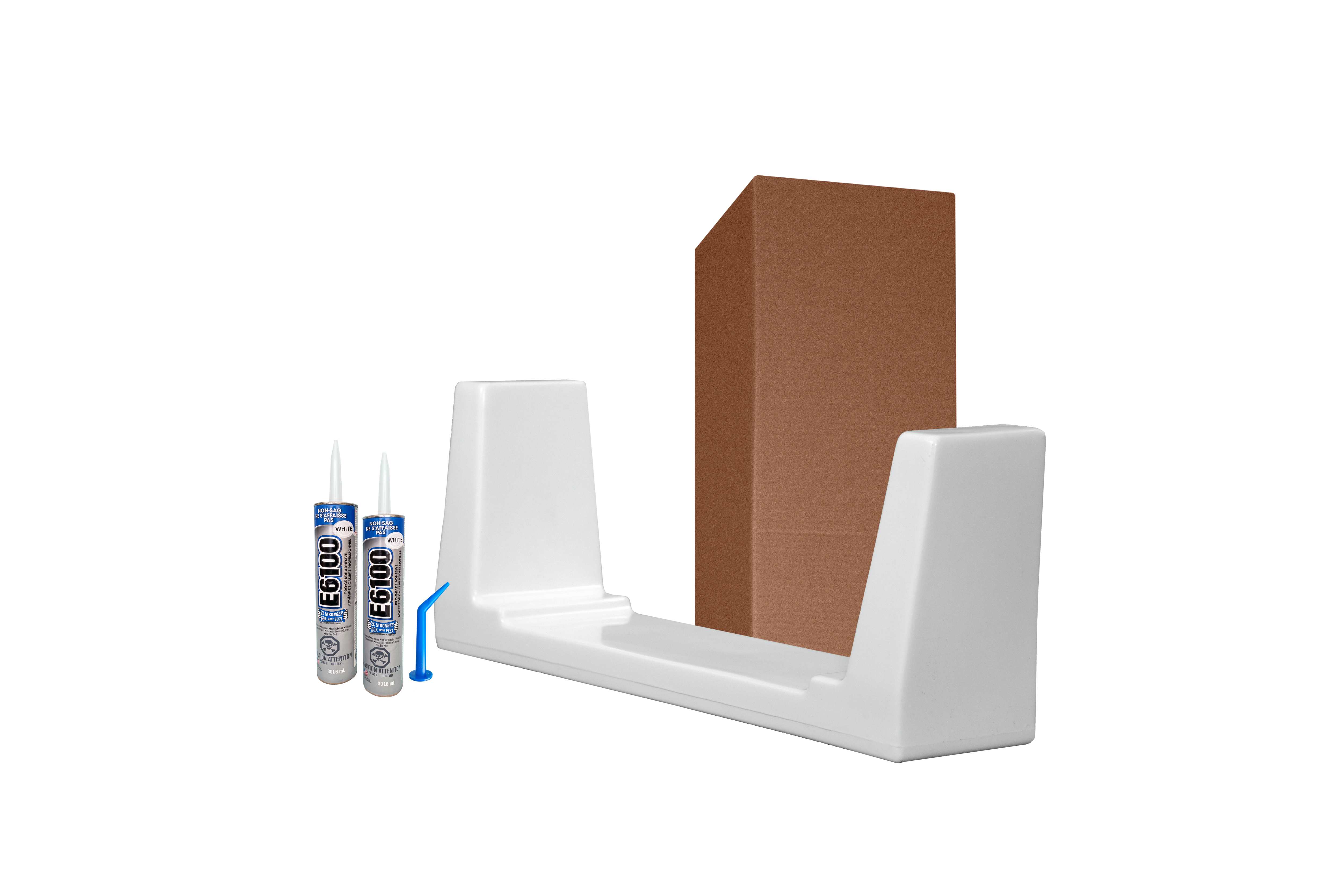
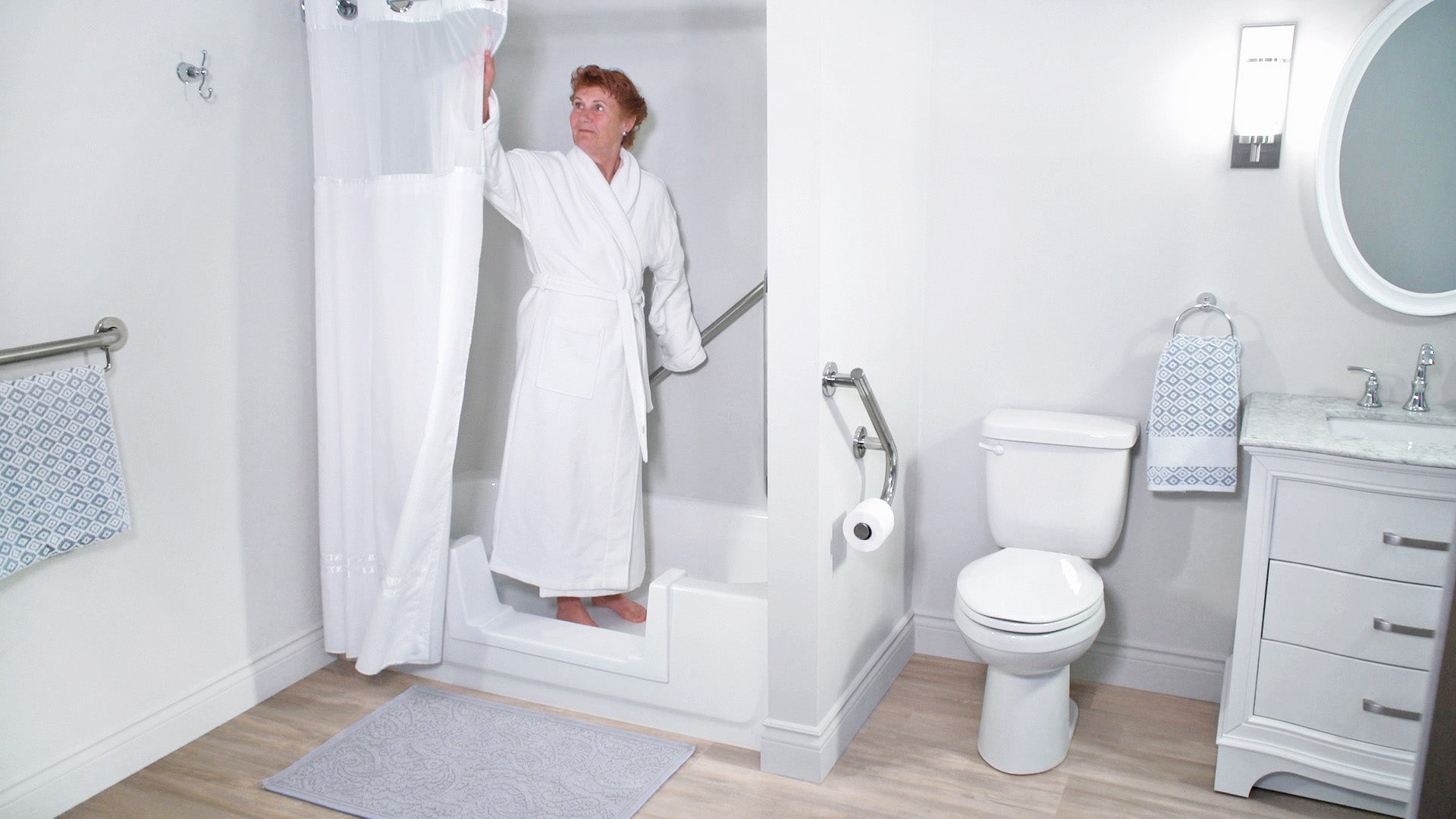
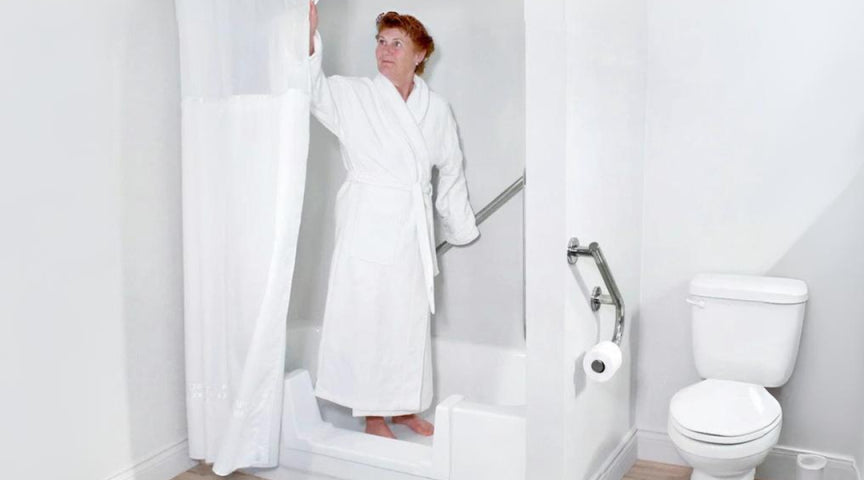
Not every household needs a full remodel, and a smaller project can mean a smaller bill. For many people, the real barrier is the tub wall. The Quick Tub® Walk-Thru Insert lowers it by about 9 to 12 inches and turns the existing tub into a step-in shower. It can be installed professionally or as a DIY project, and instead of a full bathroom remodel it takes just a few hours.
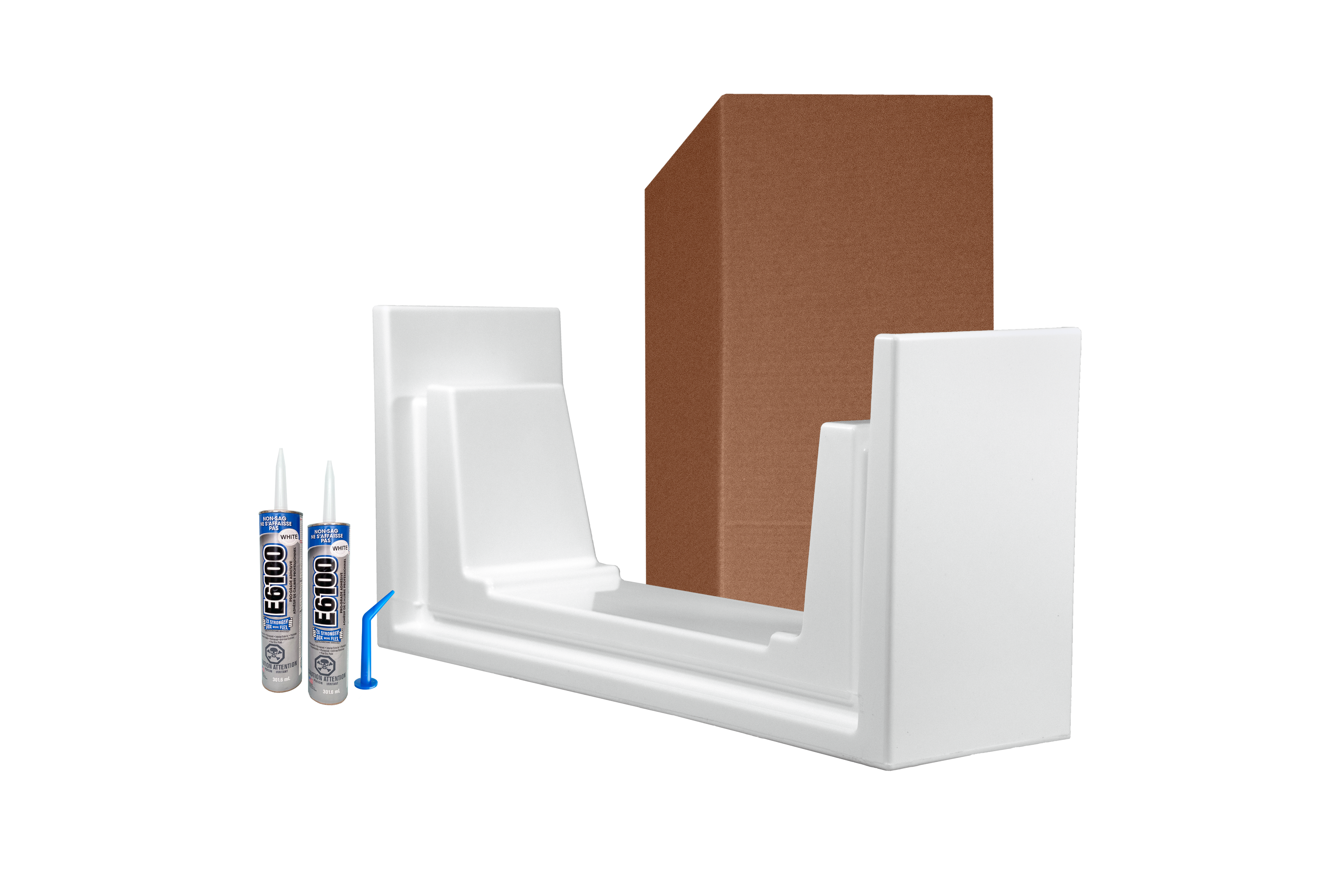
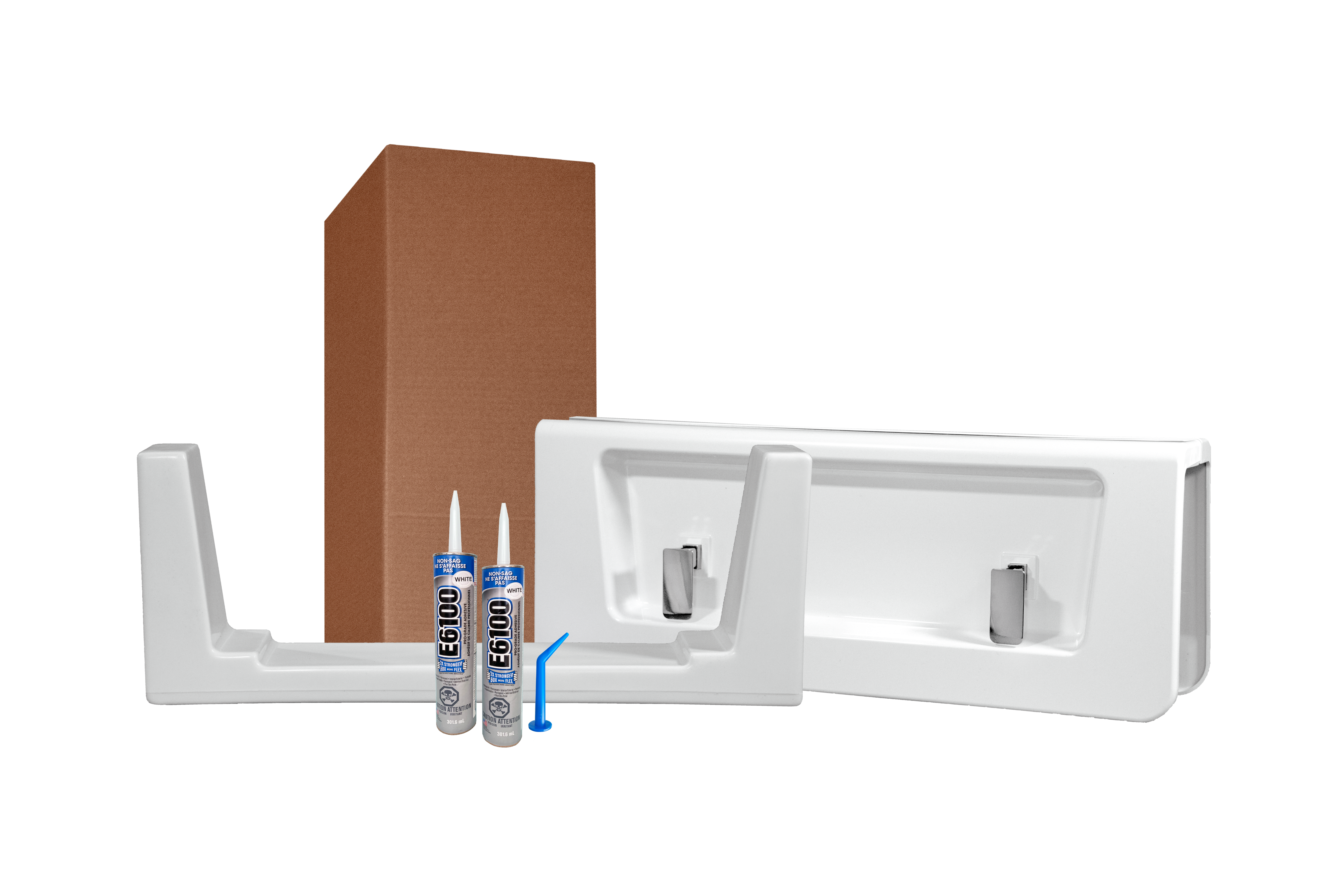
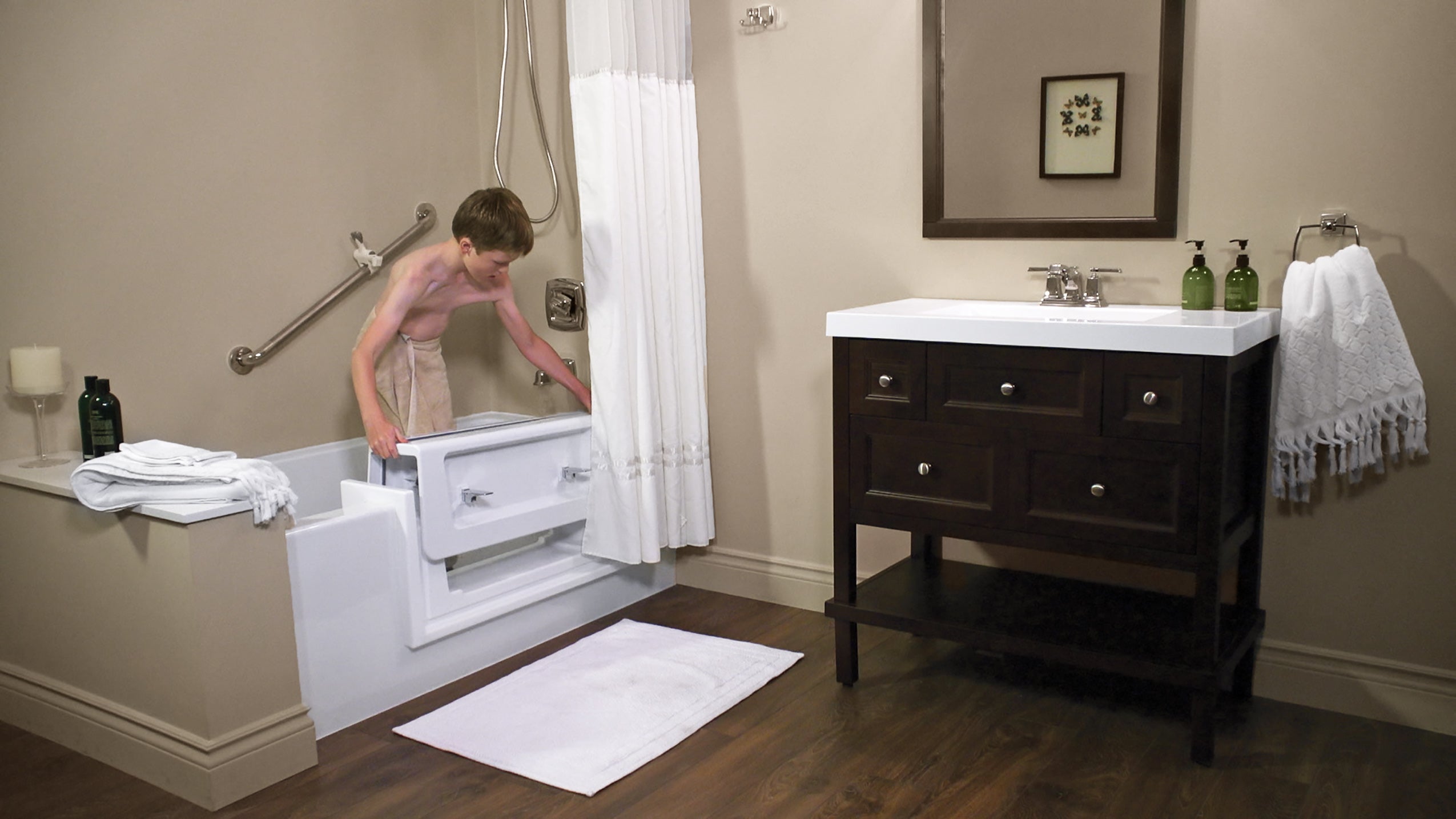
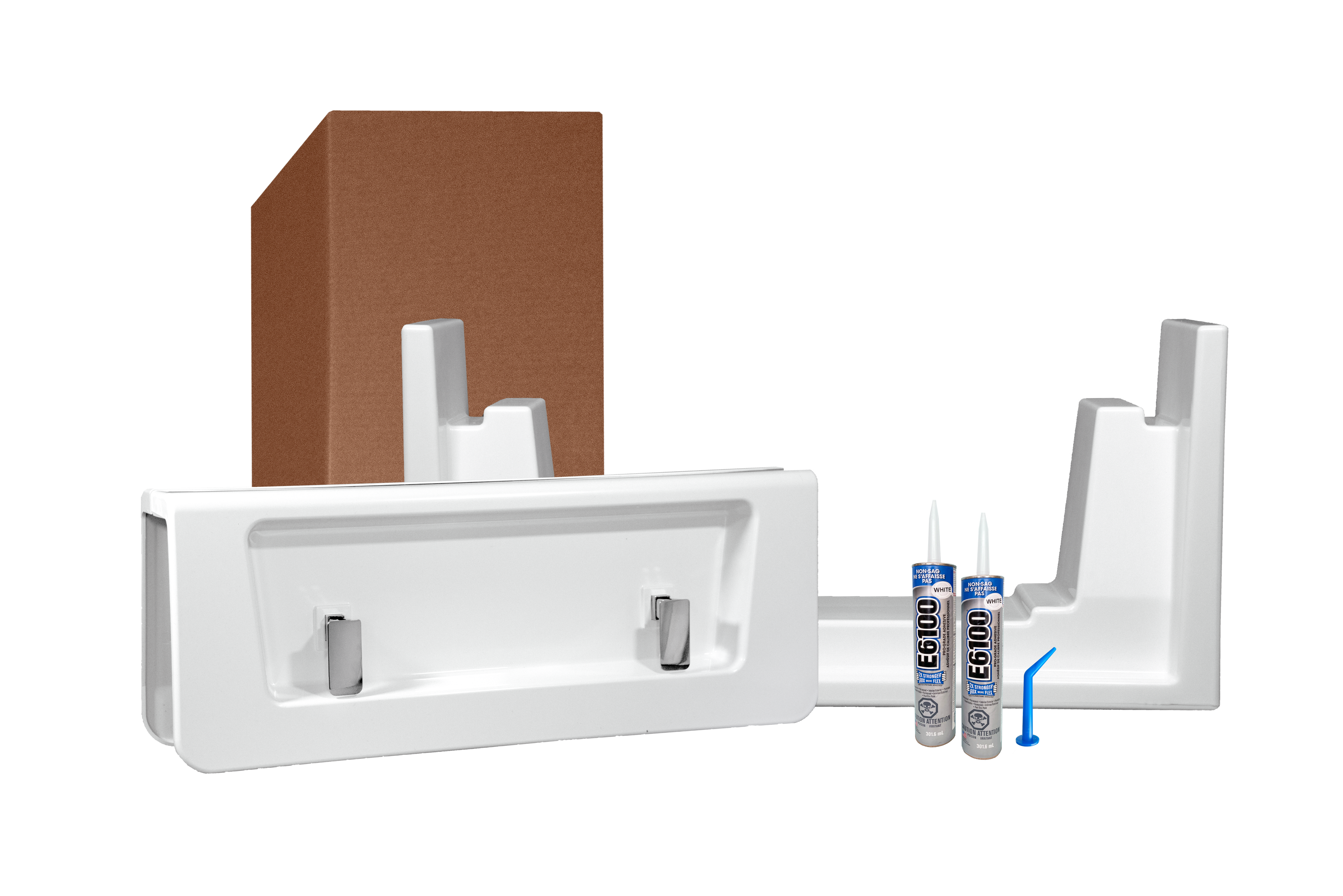
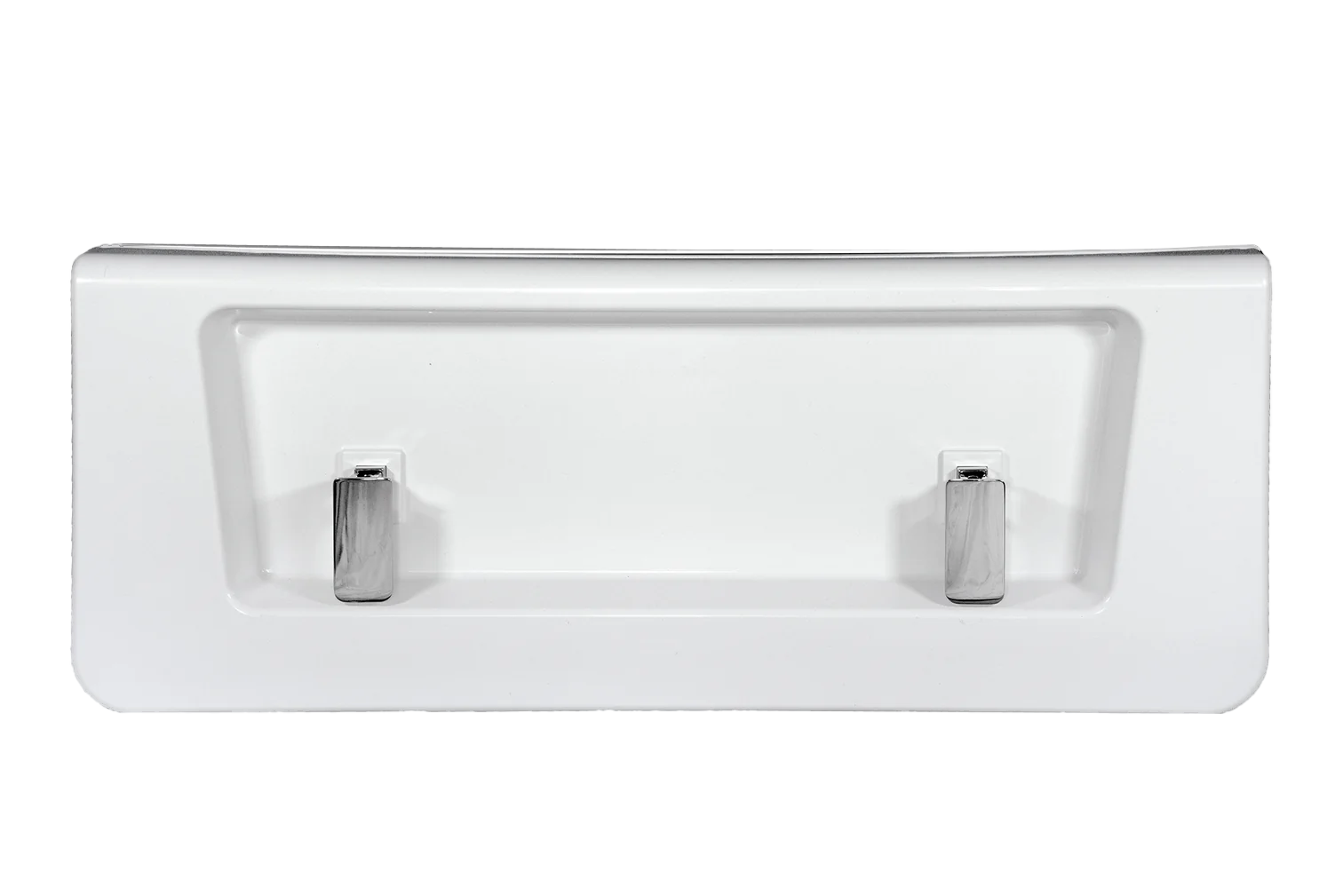
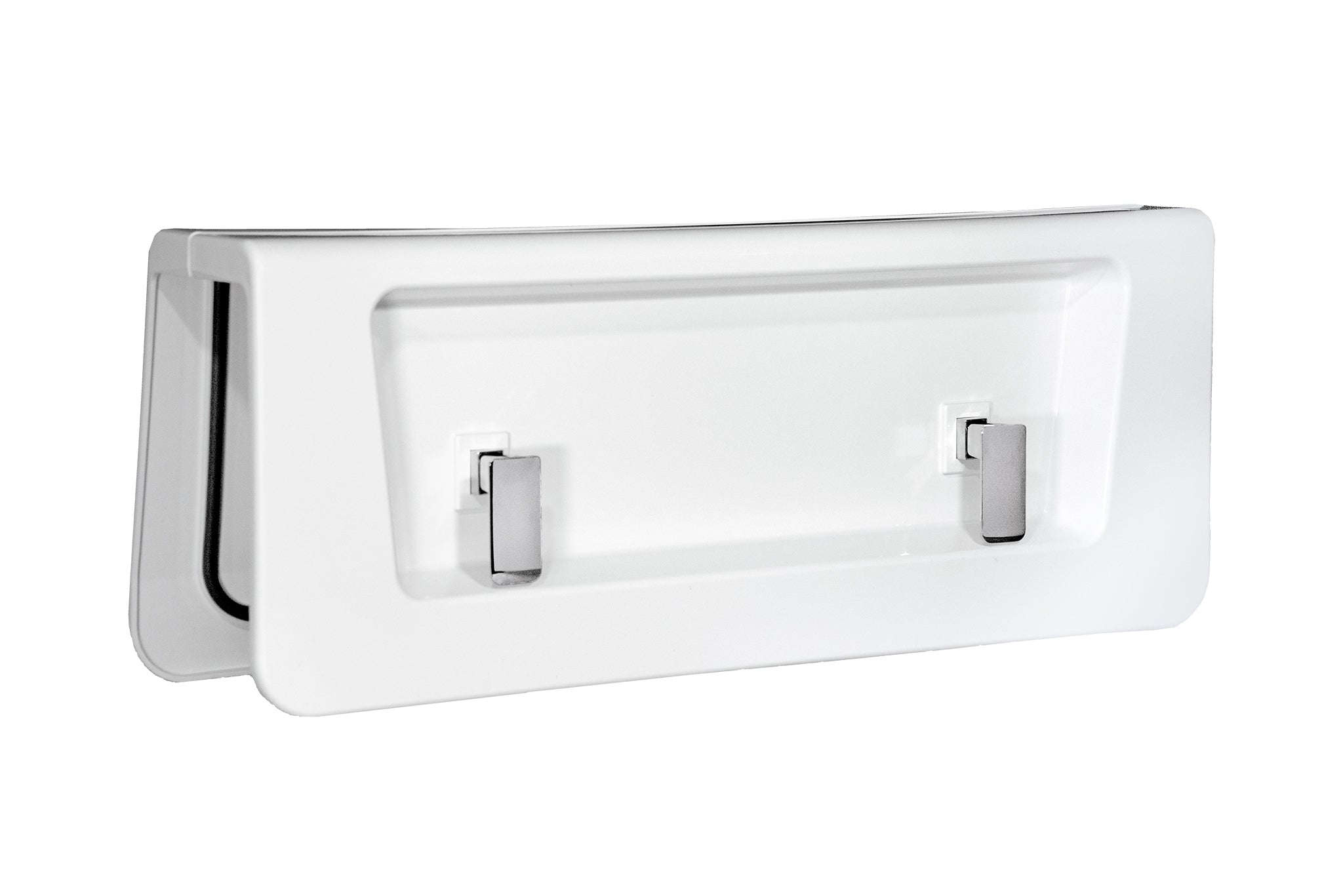
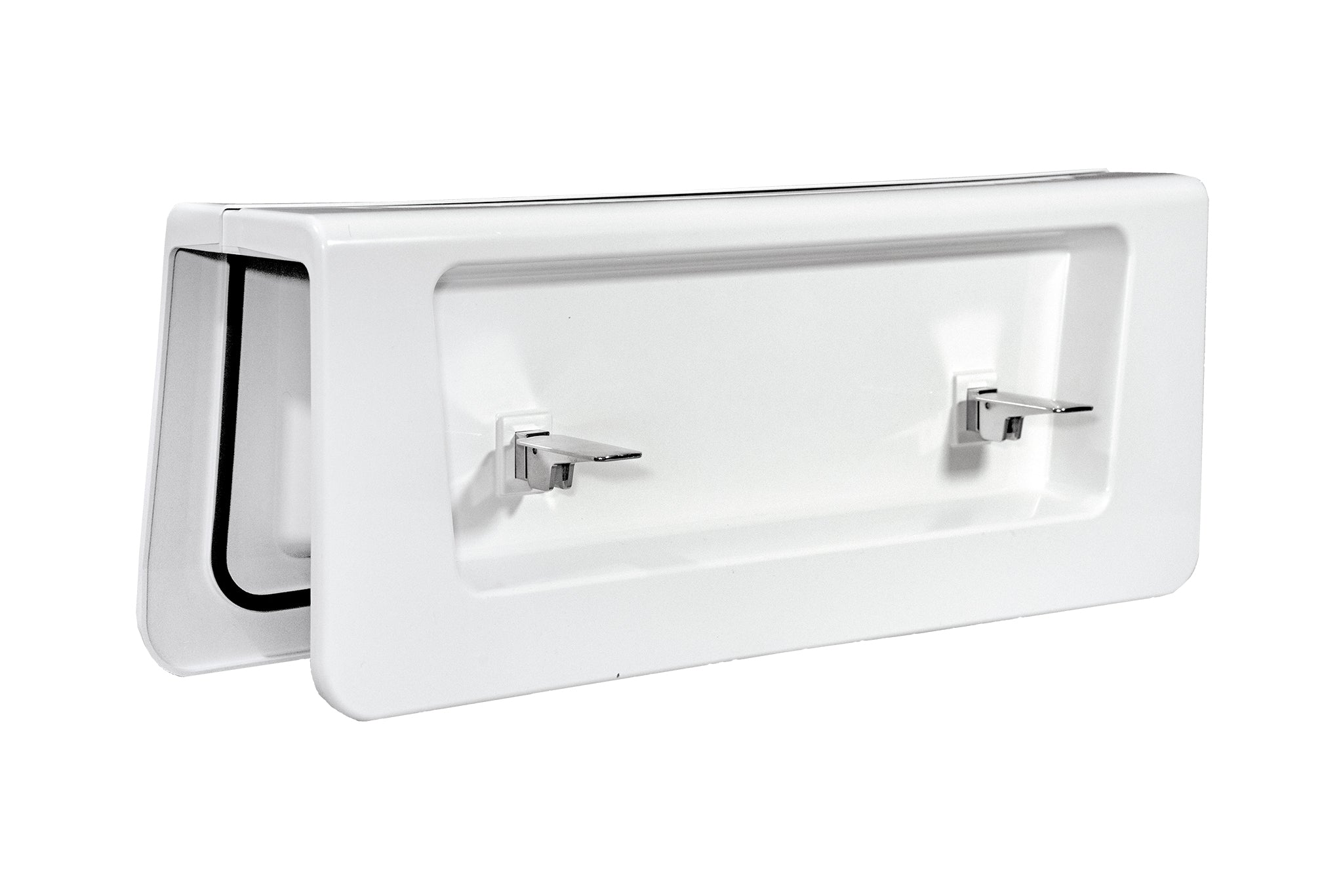
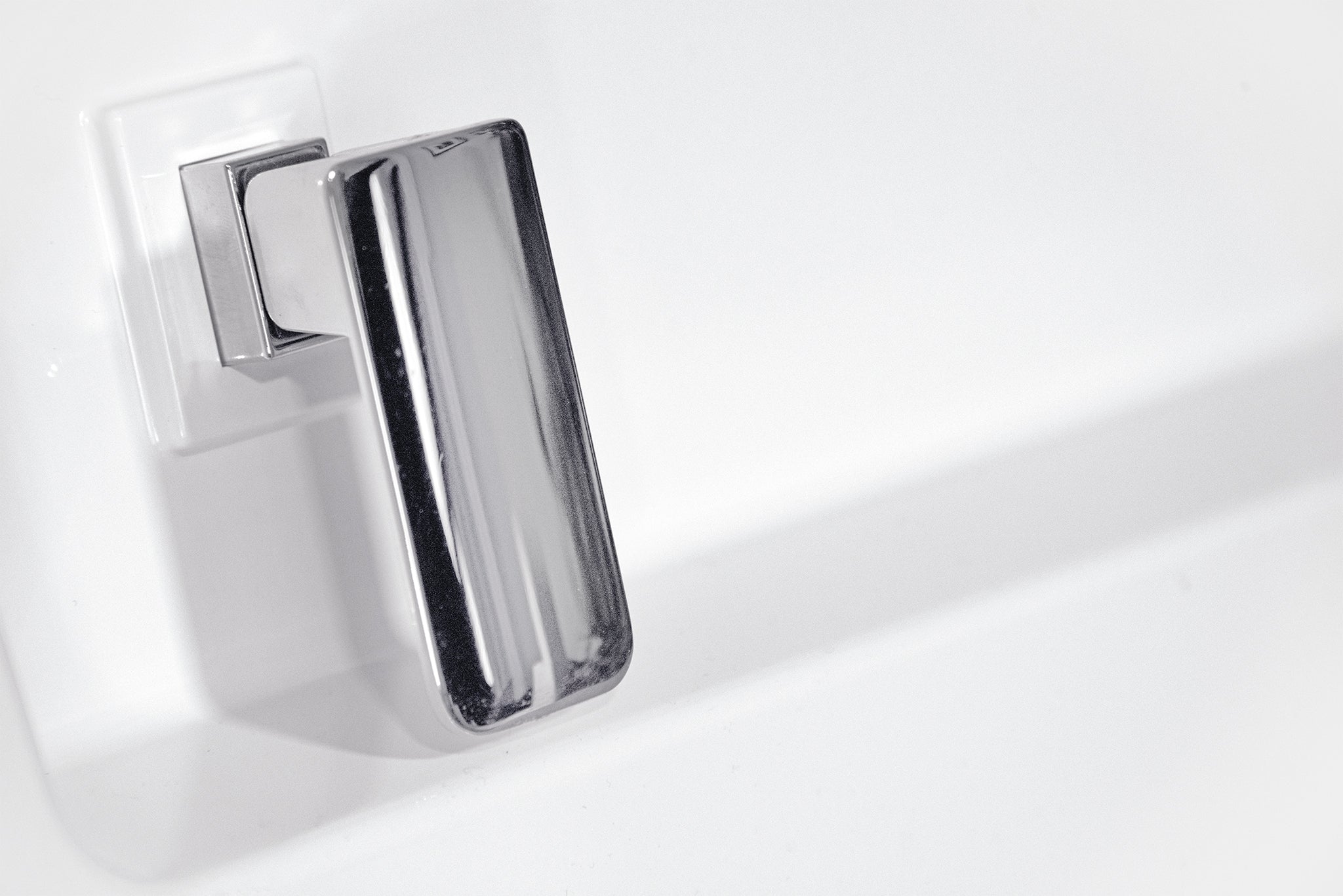
For households that want flexibility, the Quick Tub® Full Convertible Kit adds a cap that switches the space back to a tub. A knurled grab bar adds support, and Pub 502 names grab bars as a qualifying type of modification. A tub insert isn’t named on the IRS list, but the full kit can often be submitted as a medical expense. However, we advise checking with a local tax professional.
Help Families Plan Before They Pay
When families know that medical purpose, documentation and timing matter, they can plan modifications with fewer surprises. Care teams can help by recommending changes early, noting the medical reason and pointing families to a tax professional.
Quick Tub® can be a practical partner in that process for hospitals, home health agencies, nonprofits and housing programs. With a dealer network, a partner program and products that install in hours, it gives professionals a concrete solution to offer when a family asks how to make the bathroom safer without a major renovation.
FAQs - Frequently Asked Questions
Are home modifications tax deductible?
Sometimes. Modifications made mainly for medical care can count as medical expenses under IRS Publication 502. You must itemize, and only the amount above 7.5% of your AGI is deductible.
What home improvements qualify as medical expenses for tax purposes?
Examples on the IRS list include ramps, widened doorways and hallways, bathroom railings and support bars, grab bars, lowered cabinets and modified stairways. Cosmetic extras don’t qualify.
Are grab bars and bathroom safety equipment tax-deductible?
Pub 502 lists grab bars and bathroom support bars as qualifying modifications. Other equipment, such as inserts or conversions, depends on its medical purpose, so ask a tax professional.
Can caregivers claim tax deductions for home modifications?
Yes, if they paid for the modification and the person qualifies as their spouse or dependent. For a parent, that usually means providing more than half of their support.
What documentation do you need to deduct home accessibility modifications?
Keep itemized invoices, proof of payment and a written recommendation from a doctor or therapist. If the change may raise your home’s value, keep an appraisal or other value estimate.

Share:
Why Bathroom Safety Belongs in Every Care Transition Plan