
A safe and accessible home is essential for seniors and individuals with mobility challenges. A well-planned home modification for elderly and disabled individuals can reduce fall risks, increase independence and help people age comfortably in their own homes.
Many families exploring home modifications for seniors or accessibility upgrades don’t realize that funding may be available through Medicaid home modifications programs. These programs help cover accessibility upgrades that allow seniors and people with disabilities to remain living safely at home. This guide explains:
- Whether Medicaid covers bathroom accessibility upgrades
- The difference between Medicare home modifications and Medicaid programs
- How to qualify for free home modifications for disabled individuals
- Options such as handicap showers and safer bathing solutions
Does Medicaid Pay for a Handicap Bathroom Remodel?
Yes, bathroom remodels may qualify for Medicaid coverage if they include features that enhance safety and accessibility. Common modifications that Medicaid might cover include installing grab bars for safety and replacing a standard bathtub with a walk-in shower. These changes must typically be deemed medically necessary by a physician and approved under a state Medicaid waiver program.
Many bathroom remodels for a disabled person qualify when the modifications directly improve safety and accessibility. Typical covered upgrades may include:
- Grab bars
- Walk-in showers
- Non-slip flooring
- Bathtub conversions
- Wheelchair-accessible layouts
In fact, adding properly installed safety supports is one of the most commonly approved upgrades, and solutions like an 18” grab bar can provide immediate stability in high-risk areas such as showers and near toilets.
However, every state Medicaid program has its own rules, and approval usually requires medical documentation.
Understanding Medicaid Home Modifications & HCBS Waivers
Many families don’t realize that Medicaid home modifications are often funded through programs called Home and Community-Based Services (HCBS) waivers. These programs allow states to provide care services in a person’s home rather than placing them in nursing facilities.
HCBS waivers help cover accessibility upgrades that allow seniors or disabled individuals to remain safely at home. Examples of common waiver-funded modifications include:
- Wheelchair ramps
- Wider doorways
- Bathroom safety upgrades
- Stair lifts
- Handicap showers or low-threshold bathing solutions
- Accessible kitchen adjustments
The goal is simple. Helping people stay independent while reducing healthcare costs associated with institutional care. Because these programs are administered by individual states, eligibility and funding limits vary widely. For example, New York provides detailed environmental modification guidelines through its Medicaid program.
National resources explaining Medicaid waiver structures can be found here:
https://www.payingforseniorcare.com/home-modifications/medicaid-waivers
Does Medicaid Pay for Home Improvements?
This question causes confusion for many families. The short answer is: Medicaid does not cover general home improvements. However, Medicaid often funds environmental accessibility modifications that allow seniors or disabled individuals to live safely at home. Examples Medicaid typically will not cover:
- Kitchen remodels for aesthetics
- New roofing
- Cosmetic upgrades
- Flooring unrelated to accessibility
Examples Medicaid may cover:
- Accessibility ramps
- Bathroom safety upgrades
- Door widening for wheelchairs
- Home modifications that improve mobility and safety for elderly or disabled individuals
The key factor is medical necessity. A physician must typically verify that the modification supports the individual’s health or mobility needs.
What Upgrades Qualify as Free Home Modifications for Disabled Individuals?
Programs offering free home modifications for disabled individuals typically fund structural accessibility improvements. Common examples include:
- Wheelchair ramps
- Door widening
- Non-slip flooring
- Bathroom safety upgrades
- Stair lifts
- Handicap showers
These home modifications for the elderly must usually be recommended through a home assessment performed by an occupational or physical therapist.
Accessibility Upgrades That May Qualify
Below are common accessibility upgrades often approved through waiver programs when medically necessary.
|
Accessibility Upgrade |
Why It Qualifies |
Typical Funding Source |
|
Walk-in showers / handicap showers |
Reduces fall risk when entering a bathtub |
Medicaid HCBS waiver |
|
Bathtub conversions |
Allows safer entry and exit |
Medicaid waiver or local grants |
|
Grab bars and safety rails |
Prevents falls |
Medicaid or DME coverage |
|
Wheelchair ramps |
Enables safe home access |
Medicaid waiver |
|
Door widening |
Improves wheelchair mobility |
Medicaid environmental modification program |
Bathroom Accessibility Solutions for Seniors
Bathrooms are one of the most common areas where home modifications are needed. Traditional bathtubs often require stepping over a high edge, which can be dangerous for seniors. Common accessibility solutions include:
- Handicap showers
- Walk-in bathtubs
- Bathtub cut-outs
- Tub transfer benches
- Grab bar installation
For added safety, many homeowners now choose to install an 18” grab bar paired with dedicated grab bar fasteners to ensure secure mounting, especially in wet environments where stability is critical.
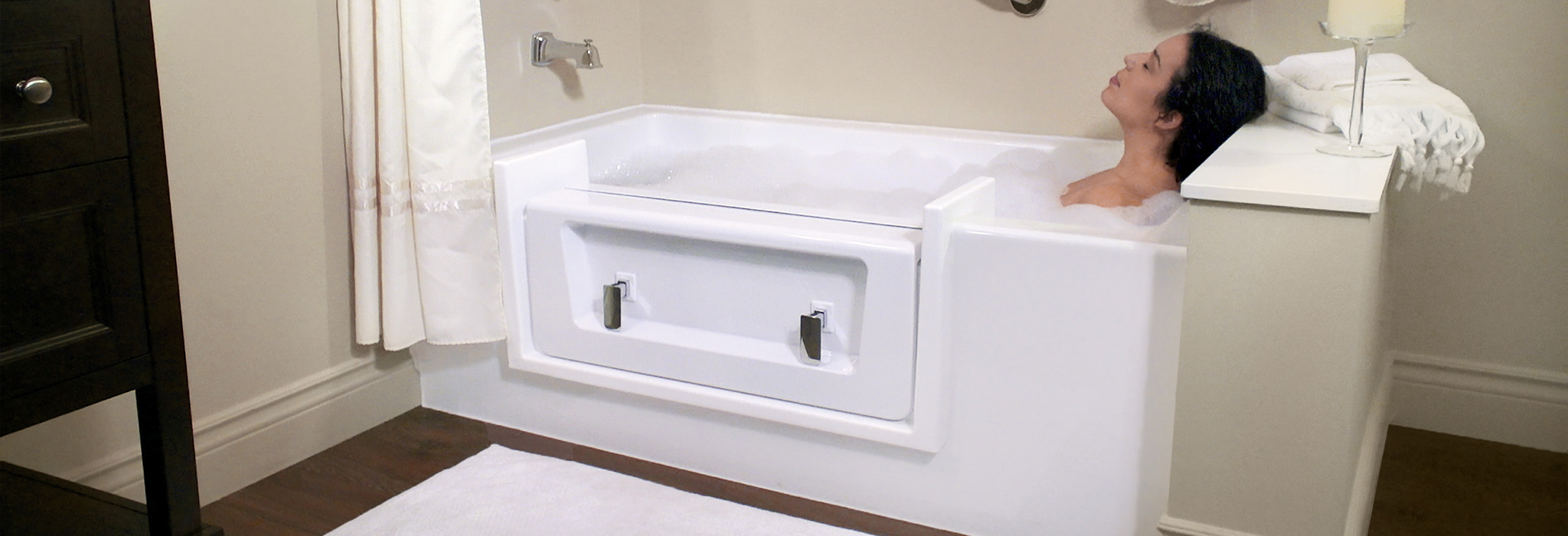
A cost-effective alternative to a full renovation is a bathtub conversion system. For example, the Quick Tub® Walk-Thru Insert converts an existing bathtub into a low-step entry tub in just a few hours. This type of conversion reduces the step height of the bathtub, making bathing significantly safer for seniors or individuals with limited mobility.
Quick Tub® also offers a removable tub cap that allows users to restore the bathtub when desired. These types of systems can sometimes qualify under accessibility modification programs when prescribed as medically necessary.
Does Medicare Really Pay for Bathroom Remodels?
Many families ask if Medicare will pay for their bathroom modifications. In most cases, the answer is no. Original Medicare generally does not cover structural Medicare home modifications, including bathroom remodels. This means:
- Medicare walk-in tub coverage is rare
- Structural accessibility remodels are usually not reimbursed
- Only certain medical equipment may be covered
Some Medicare Advantage plans may offer limited home safety benefits, but coverage varies widely. Because of these limitations, many families seek financial assistance for walk-in tub installations through Medicaid waivers, grants or local aging agencies.
How to Get a Free Walk-In Shower for Seniors
Families searching how to get a free walk-in shower for seniors typically follow this process.
Step 1: Get a Medical Assessment
A physician must confirm that the individual requires accessibility modifications due to a medical condition or mobility limitation.
Step 2: Contact Local Medicaid Offices
Ask about Medicaid HCBS waivers that support home modifications for seniors.
Step 3: Schedule a Home Evaluation
A licensed occupational therapist evaluates the home and determines which accessibility upgrades are medically necessary.
Step 4: Obtain Contractor Approval
The modifications must typically be completed by approved contractors familiar with Medicaid-funded projects.
Step 5: Submit Documentation
The application includes:
- Medical documentation
- Home evaluation report
- Contractor estimate
Once approved, Medicaid may provide financial assistance for walk-in tub installations, tub-to-showers conversions, ramps or other accessibility modifications.
Key Takeaways for Families
If you’re exploring home modifications for elderly or disabled loved ones, understanding how funding programs work is essential. Important points to remember:
- Medicaid programs often fund accessibility upgrades through HCBS waivers
- Medicare home modifications coverage is extremely limited
- Accessibility modifications must be medically necessary
- Occupational therapy home assessments are usually required
- Bathroom safety upgrades, such as handicap showers, are among the most commonly funded projects
- These programs exist to help seniors remain safely at home rather than moving into long-term care facilities.
FAQs - Frequently asked questions
Does Insurance Cover Home Modifications?
Most private insurance plans do not cover structural home modifications. However, Medicaid programs may provide funding through waiver programs when modifications are medically necessary.
Does Medicaid pay for walk-in tubs?
In many states, Medicaid walk-in tub coverage may be available through HCBS waiver programs if the modification is deemed medically necessary and helps prevent injury or institutional care.
Share:
How Veteran Housing Programs Can Improve Bathroom Safety Without Major Renovations
Helping Seniors Stay Independent Longer: The Role of Safe Bathing Solutions